

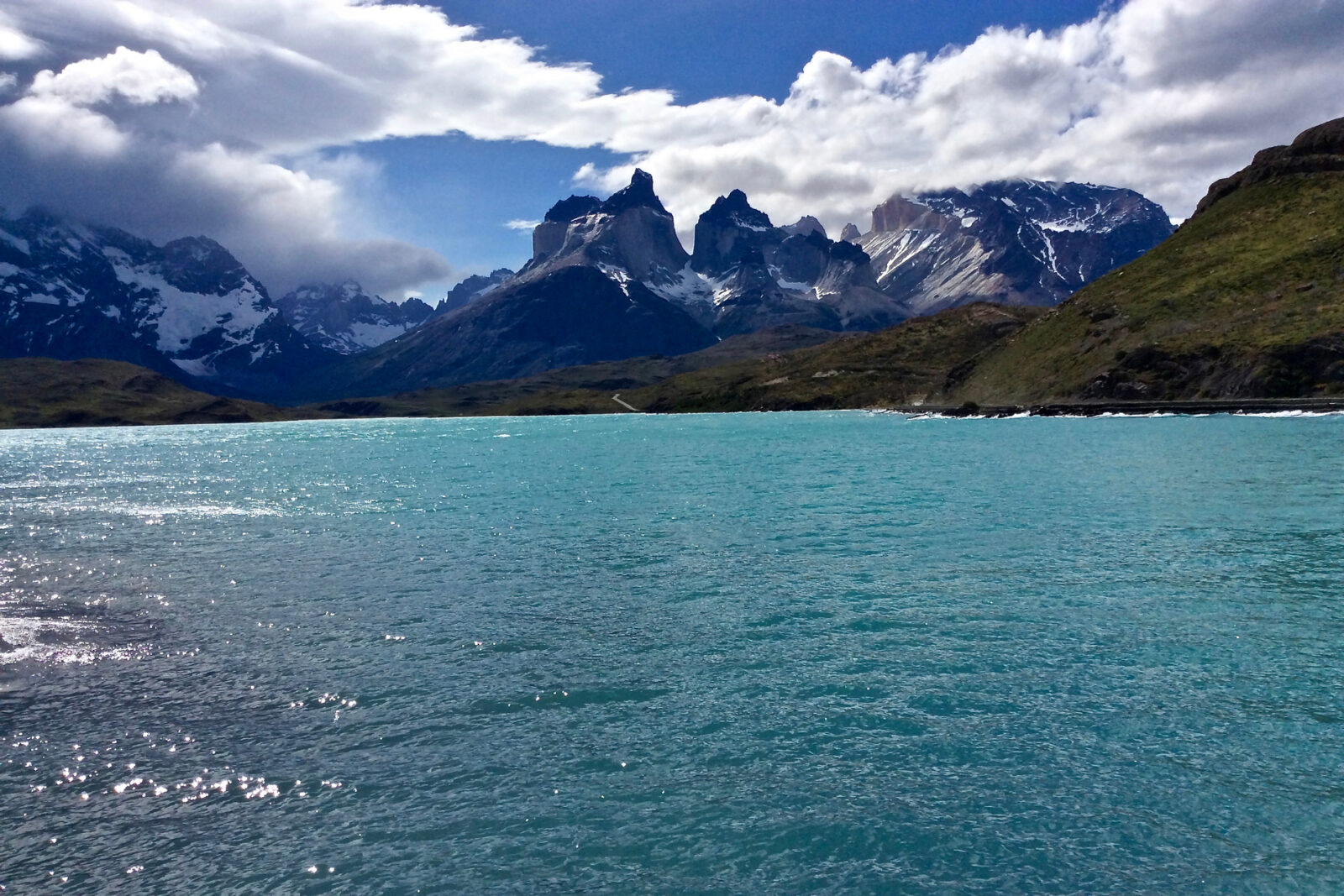
Just after dawn, Patagonia feels untouched—raw, silent, almost prehistoric. A thin mist hovers above the lake, drifting in slow ribbons across water so clear you can see the pale stones resting on the bottom. The air is sharp enough to sting your cheeks. You stand barefoot at the edge, breath clouding in the cold, watching the first light spill over the jagged silhouettes of the Andes. The lake waits—still, glassy, impossibly blue. When you finally step in, the cold hits like a shock and a cleansing all at once. Your lungs expand. Your mind sharpens. The world narrows to sensation. This is the beginning of the wild swim, a ritual shaped by landscape and silence.
Where Cold Becomes Clarity
Patagonia’s lakes are fed by glaciers, their waters infused with minerals and ancient ice. The temperature hovers just above freezing, but the cold isn’t hostile—it’s clarifying. The moment your body submerges, the mind drops into a rare kind of focus. Thoughts that felt tangled loosen. Worries dissolve into the shock of the water. The cold becomes a teacher, demanding presence and rewarding surrender.
The landscape amplifies the effect. Snow‑dusted peaks rise like guardians around the shoreline. The wind carries the scent of lenga forests and wet stone. Even the light feels different here—cleaner, sharper, as if filtered through the glaciers themselves.
The Slow Ritual of Entry
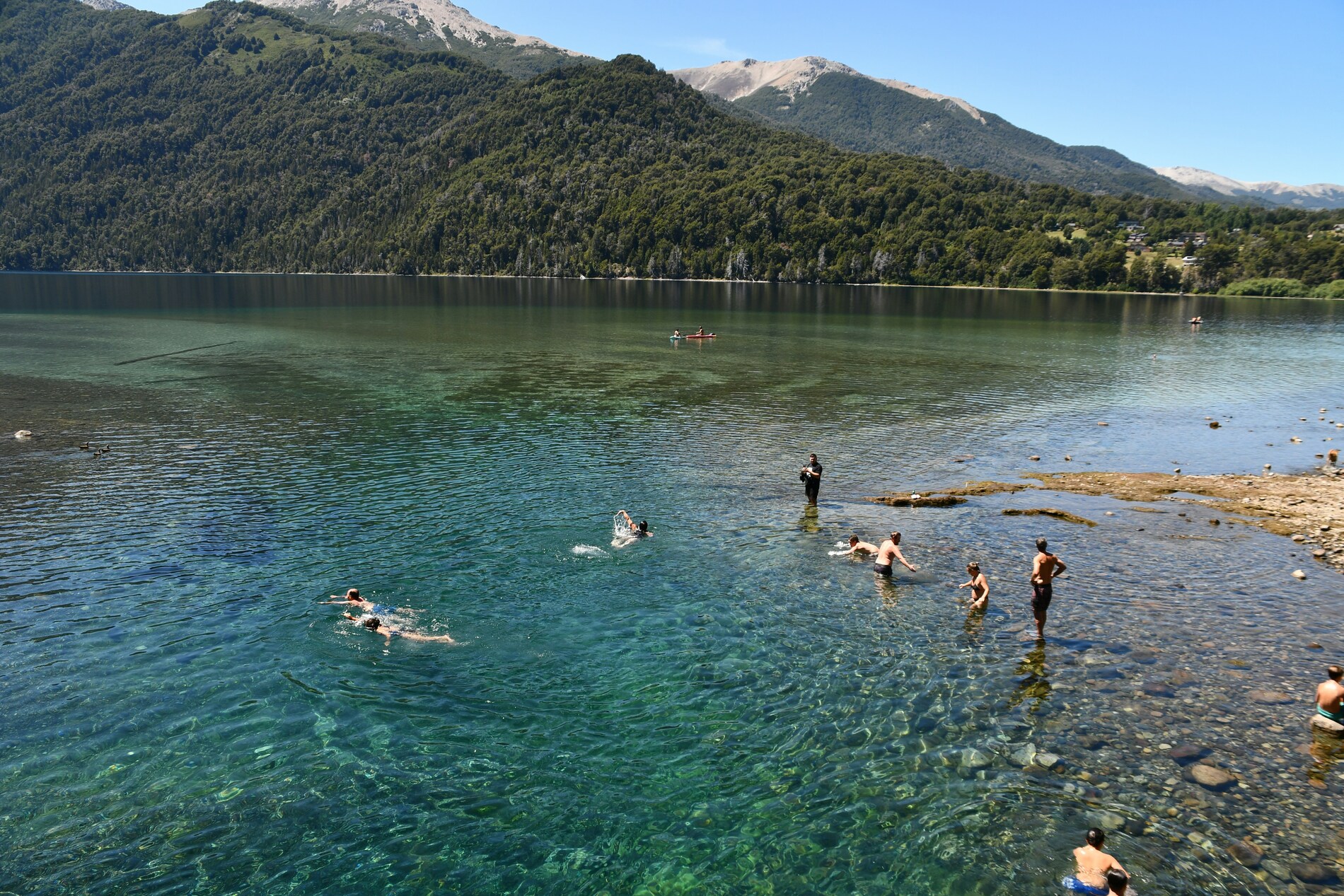
Cold water therapy in Patagonia isn’t about plunging in recklessly. It’s a slow, deliberate ritual. You wade in step by step, letting the water climb your shins, your knees, your ribs. Each inch brings a new wave of sensation—tightening skin, quickening breath, a pulse of adrenaline that feels both ancient and instinctive.
When you finally submerge your shoulders, the world shifts. The cold wraps around you like a second skin. Your breath steadies. Your heartbeat finds a rhythm. The lake holds you in a silence so deep it feels almost sacred.
The Body Learns to Let Go
After the initial shock, something unexpected happens. Your muscles soften. Your breath deepens. The cold becomes less of a barrier and more of a balm. Studies often describe the benefits—reduced inflammation, improved circulation, a surge of endorphins—but in Patagonia, the experience is more visceral than scientific.
You feel your body recalibrating. The mind quiets. The nervous system resets. The lake becomes a place where tension dissolves and clarity rises from somewhere deep within.
Emerging Into the Wild
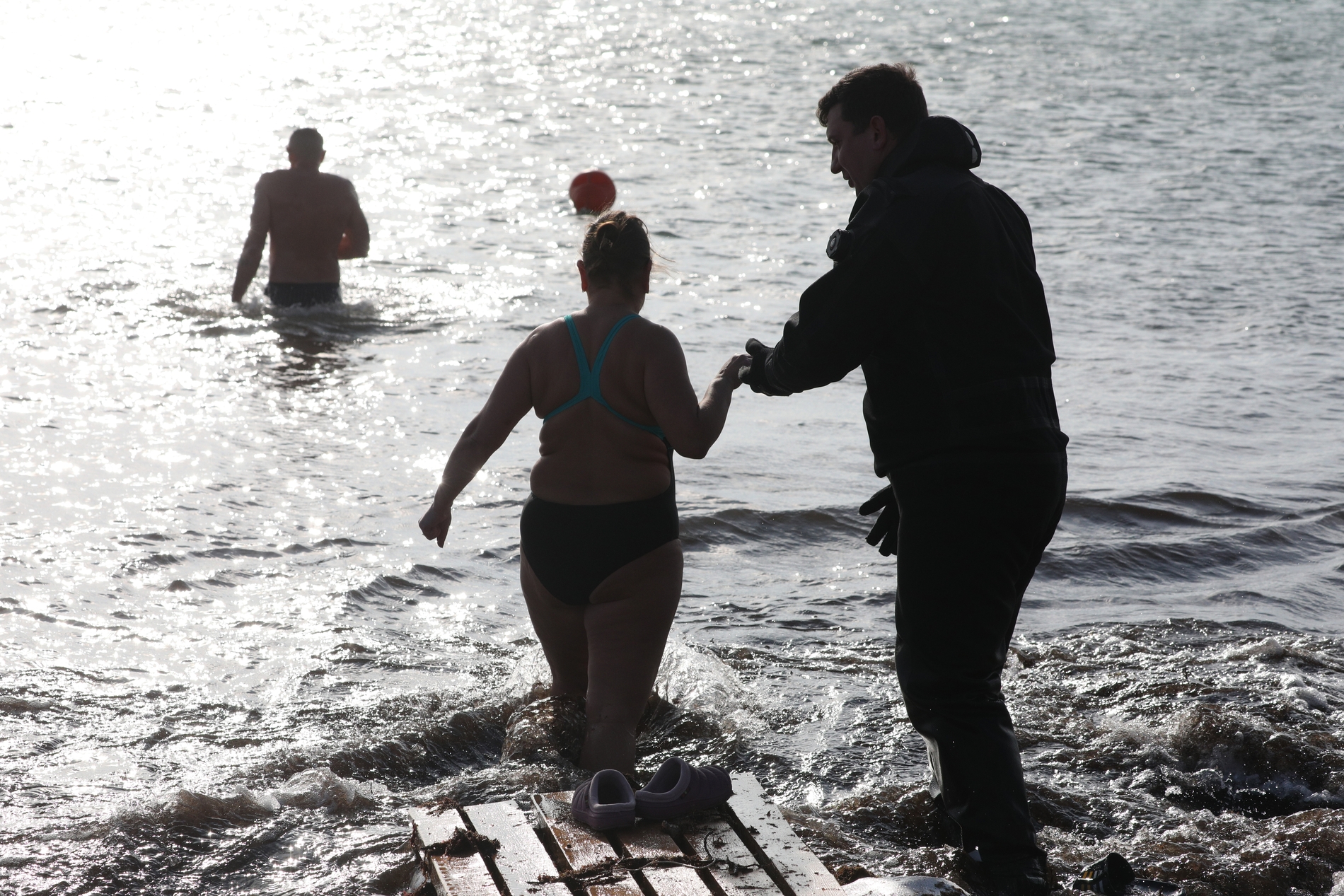
When you step out of the water, the air feels warm by comparison. Your skin tingles. Your senses sharpen. Colors seem brighter—the turquoise of the lake, the deep green of the forests, the silver streaks of clouds drifting across the sky. You wrap yourself in a towel and sit on a smooth rock, letting the sun dry your skin. The cold lingers in your bones, but it’s a clean, invigorating cold, the kind that leaves you feeling more alive than before.
Around you, Patagonia stretches in every direction—untamed, unhurried, indifferent to anything but the elements. The landscape doesn’t just frame the experience; it shapes it.
What the Wild Swim Leaves Behind
Cold water therapy in Patagonia isn’t a trend or a challenge. It’s a return—to the body, to the breath, to the quiet parts of the mind that only reveal themselves when everything else falls away. The lakes offer a kind of honesty that’s hard to find elsewhere. They ask you to show up fully, to meet the cold with courage and curiosity.
Long after you’ve left, you’ll remember the shock of that first step, the stillness beneath the surface, the way the mountains reflected on the water as you floated. The wild swim becomes a memory you carry like a talisman—a reminder that clarity often comes from stepping into discomfort, and that sometimes the coldest places leave the warmest imprint.