


The first sign that you’re entering the Drake Passage isn’t the swell—it’s the sound. A low, resonant groan rises from the hull as the ship leans into a rolling wave, followed by the hiss of wind sweeping across open water. You step onto the deck just as dawn breaks, a thin line of pale gold stretching across a restless horizon. The air is sharp enough to sting your cheeks. Albatrosses arc overhead, their wings slicing through the wind with effortless precision. Ahead lies nothing but ocean—wild, heaving, unbroken. This is the threshold between continents, and it feels like the planet is exhaling.
The Drake Passage has a reputation, but what surprises most travelers is its intimacy. The ocean is vast, yes, but the experience is strangely personal. Days unfold in a rhythm shaped by the sea: the slow sway of the ship, the hum of engines adjusting to shifting currents, the quiet camaraderie of passengers watching the horizon together.
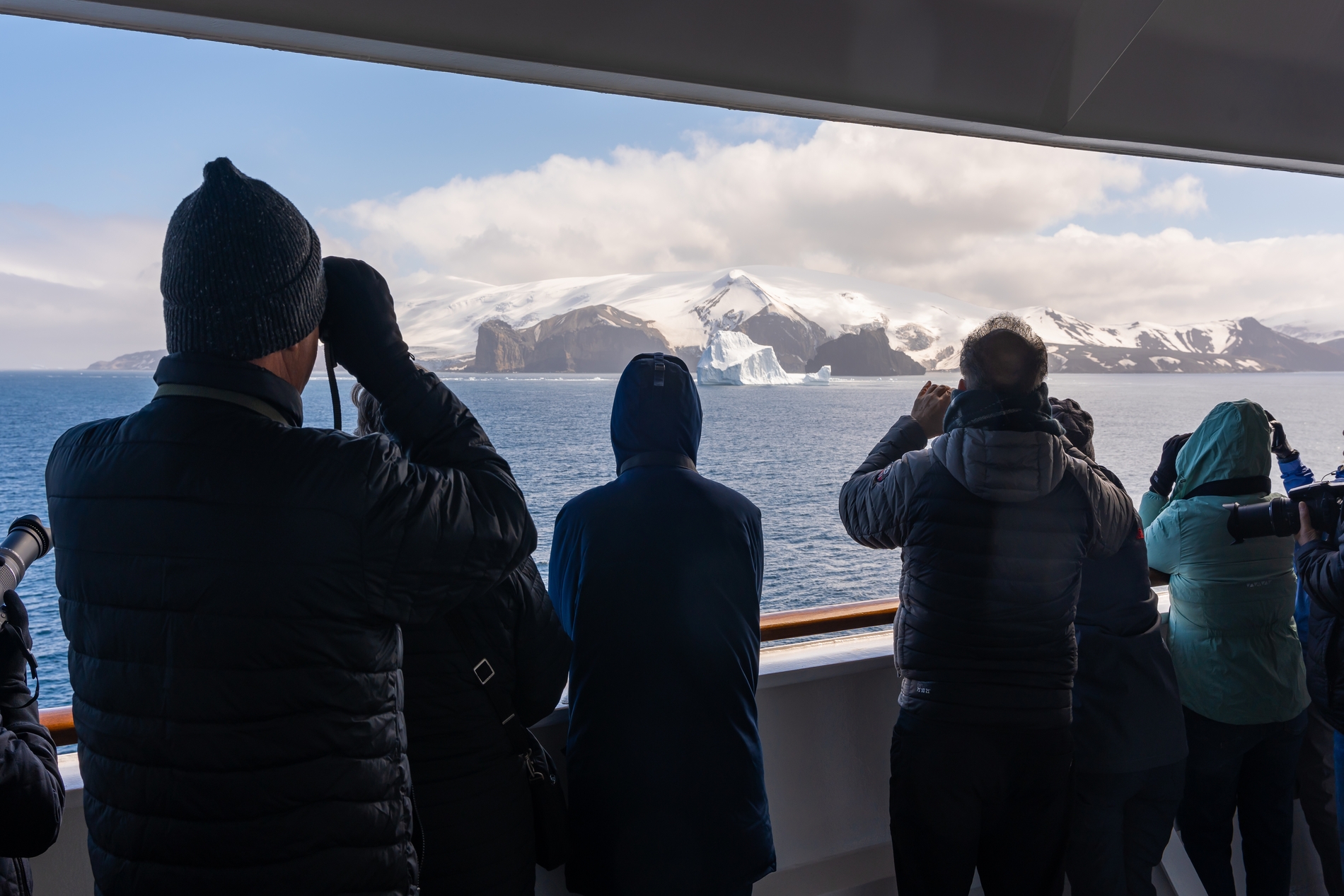
There’s a rawness to the light here. Mornings glow silver and cold. Afternoons deepen into steel blue. Evenings settle into a bruised violet that makes the waves look sculpted. The wind carries the scent of salt and something older—ice, perhaps, or the memory of distant storms. You feel small, but not diminished. The passage has a way of stripping life down to its essentials: breath, balance, presence.
Between the Lake and the Shake
Crossing the Drake is less about the destination and more about surrendering to a landscape that refuses to be tamed. The waters between Cape Horn and the Antarctic Peninsula are where the Atlantic, Pacific, and Southern Oceans collide. Currents twist. Winds accelerate. Swells rise in long, rolling walls that lift the ship with slow, deliberate force.
Some days, the Drake is gentle—what sailors call the “Drake Lake.” The ship glides forward, cutting a clean line through calm water. Other days, it becomes the “Drake Shake,” a heaving, unpredictable expanse that tests your sea legs and your patience. Both versions are part of its character.
Inside the vessel, life takes on a quiet rhythm. You sip hot tea while watching petrels skim the waves. You listen to naturalists explain the currents and wildlife that define this corridor. You feel the ship tilt, then right itself, then tilt again. The motion becomes a kind of meditation—unsettling at first, then strangely grounding.
And then, almost imperceptibly, the light changes. The air sharpens. Icebergs appear on the horizon like floating cathedrals. The Drake loosens its grip, and Antarctica rises from the mist.

Finding Your Center in the Swell
There’s no perfect season for the Drake—only different moods. Early summer brings long daylight and the first break in the sea ice. Mid‑season offers calmer waters and abundant wildlife. Late summer glows with soft, golden light that makes the ice shimmer. The key is to embrace the crossing rather than endure it. Pack layers. Choose a cabin near the ship’s center of gravity. Spend time on deck when the weather allows; the horizon steadies the body and the mind.
Most importantly, give yourself permission to slow down. The Drake Passage isn’t a hurdle—it’s a rite of passage, a transition that prepares you for the stark beauty of the White Continent.
What You Carry Home
Long after the crossing, you’ll remember the rhythm of the waves, the cry of seabirds riding the wind, the way the ship felt alive beneath your feet. You’ll remember the moment the ocean shifted from gray to crystalline blue, signaling Antarctica’s approach. But more than anything, you’ll remember the sensation of being held by a landscape that doesn’t care who you are, only that you showed up.
The Drake Passage teaches a simple truth: adventure begins the moment you surrender to the unknown.