

The air at the rim of the Sierra Negra caldera is thin, sulfurous, and vibrating with the heat of a dormant giant. As you stand on the edge of one of the largest volcanic craters in the world, the mist of the highlands clings to your skin, a sharp contrast to the blistering lava fields below. In the Galápagos, adventure is not a passive observation; it is a high-stakes, physical dialogue with a landscape that is still being born. This is an archipelago that demands movement—a place where the transition from a volcanic trek to an oceanic plunge defines the daily rhythm of the modern explorer.
A World of Raw Motion
To step onto the islands of Isabela or Fernandina is to enter a state of constant, kinetic discovery. The “vibe” is one of raw, prehistoric energy that strips away the comforts of the mainland. You are no longer navigating a holiday; you are navigating a living laboratory where every sport practiced is a lesson in adaptation. Whether you are bracing against the surge of the Pacific or balancing on the black crust of a recent lava flow, the atmosphere is defined by a profound, unmediated intimacy with the wild. It is a world where the wildlife is indifferent to your presence, allowing you to move through their territory as an equal rather than an intruder.
The Archipelago as an Arena
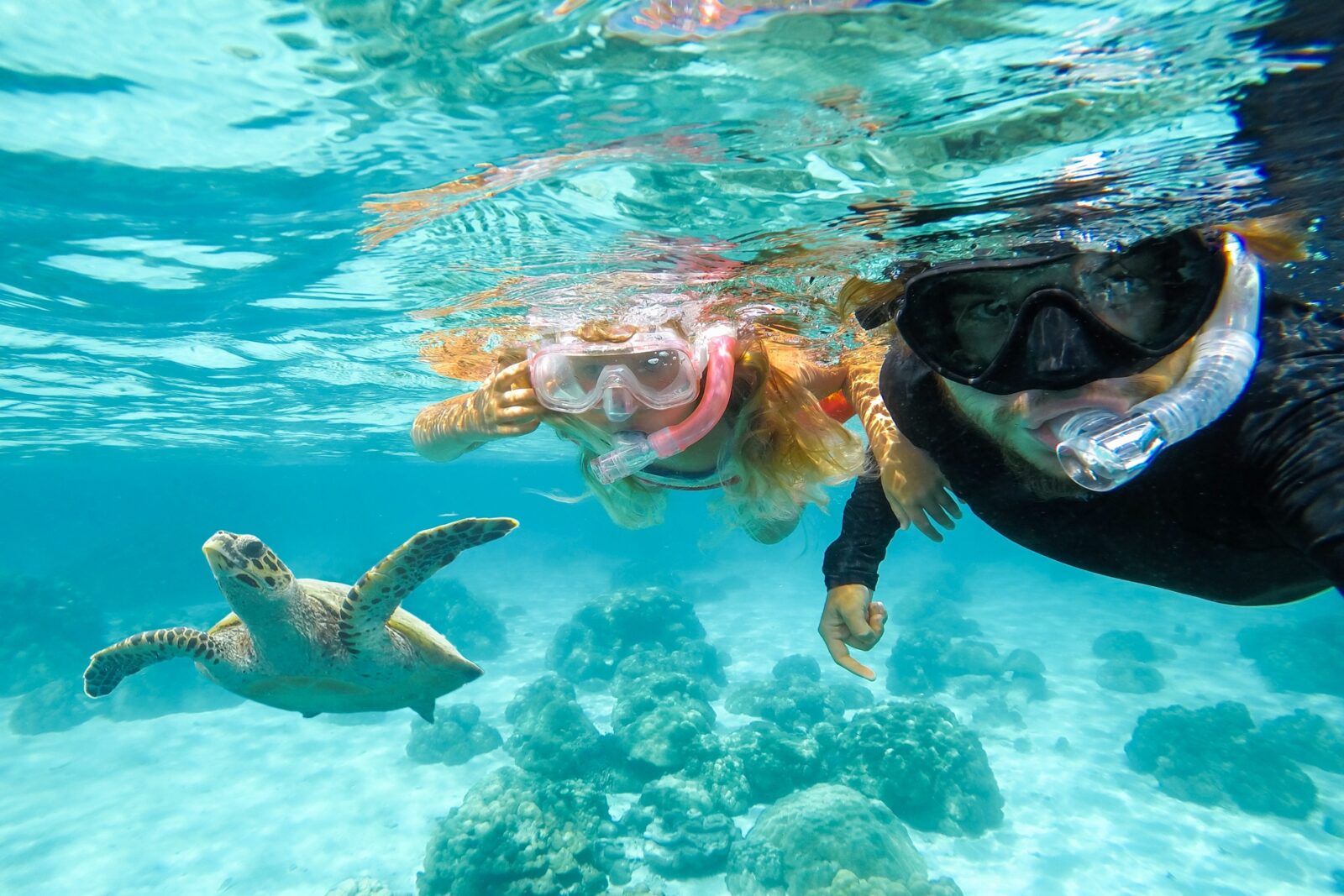
The true depth of the Galápagos adventure lies in the variety of its physical demands. Snorkeling remains the quintessential “glide”—a masterclass in aquatic grace where you find yourself in a silent, high-speed ballroom with Galápagos sea lions. These animals are the ultimate gymnasts of the sea, zipping within inches of your mask with a liquid agility that makes your own swimming feel delightfully primitive. Beneath the surface, you also witness the stoic descent of the marine iguana. Watching this “living relic” dive to graze on emerald algae is like witnessing a glitch in the timeline of evolution—a slow-motion, cold-blooded sport that requires incredible lung capacity and ancient patience.
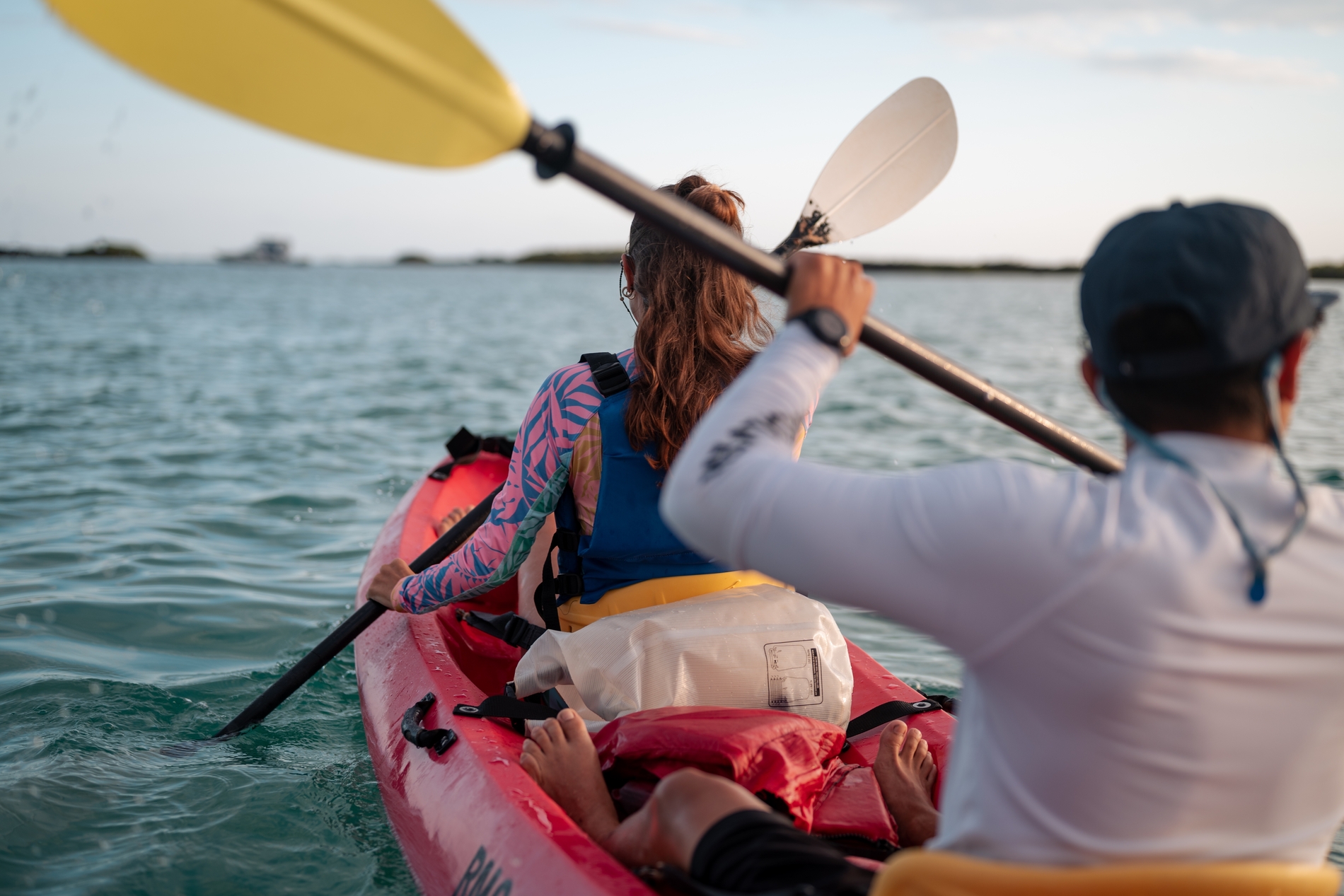
Beyond the water’s edge, the islands transform into a trekking arena. Scaling the volcanic ridges of the highlands is a test of endurance, where the terrain shifts from lush fern forests to jagged, lunar-like fields of pāhoehoe lava. For those who prefer the rhythm of the paddle, sea kayaking through the mangroves of Elizabeth Bay offers a different kind of intensity. It is a sport of silent navigation, where your oars cut through glassy water shared with resting sea turtles and the dark, fleeting shadows of reef sharks. Paddleboarding, too, has found a home in the calmer inlets, requiring a focused core and a steady gaze as you drift over massive rays gliding through the crystalline shallows.
The Season of Action
To experience the Galápagos at its most adventurous, timing is your most strategic tool. The cooler “Garúa” season, from June to November, brings the nutrient-rich Humboldt Current. While the seas are more turbulent and the air is mistier, this is when the islands are most physically active—the penguins are nesting, the whales are migrating, and the underwater visibility is often at its peak for experienced divers.
The secret to a sophisticated expedition is to favor small-vessel cruises that prioritize “active” itineraries. These boats provide the gear—high-quality wetsuits, ocean kayaks, and carbon-fiber paddles—that allow you to transition seamlessly from a mountain hike to a deep-water snorkel. Avoid the temptation to stay purely on the coast; the heart of the Galápagos adventure is found in the transition between the fire of the craters and the ice of the deep currents. In this archipelago, the best stories aren’t told by those who watched from the deck, but by those who entered the water and climbed the peak.