

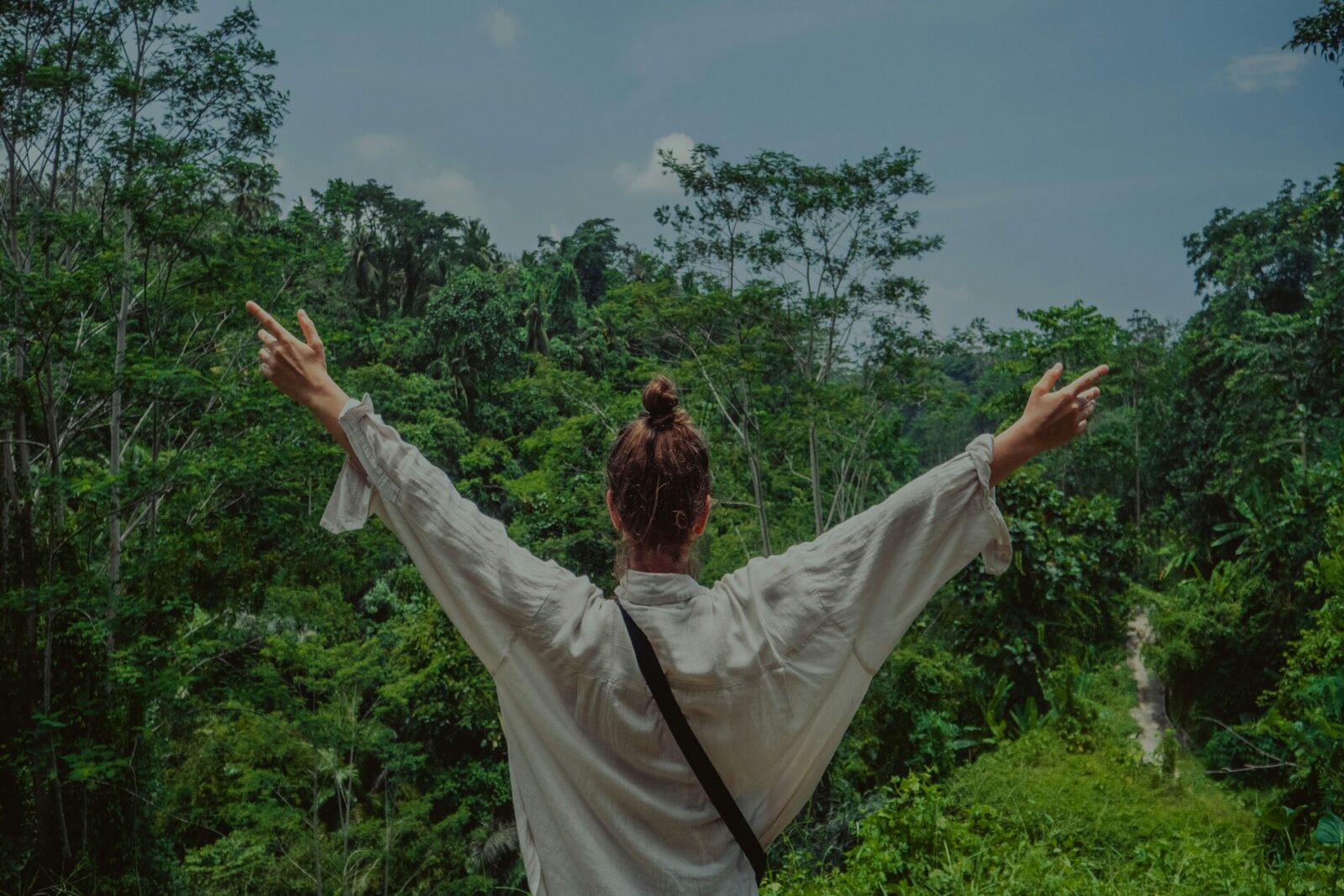
Dawn in Ubud feels like a whispered invitation. Mist rises from the rice terraces in slow, swirling ribbons, catching the first hints of sunlight as roosters call from distant compounds. You sit on a woven mat inside an open‑air shala, the scent of frangipani drifting in on a warm breeze. A teacher’s voice guides you into a deep inhale, and suddenly the world narrows to breath—yours, steady and rising, and the jungle’s, pulsing softly around you. As you exhale, something inside loosens. The day hasn’t begun, yet you already feel reborn.
Ubud has a way of dissolving the edges of your life. The air is thick with humidity and incense, the streets lined with offerings—petals, rice, a stick of burning sandalwood. Everywhere you turn, there’s a sense of devotion: to craft, to ritual, to the unseen. Yoga here doesn’t feel like a class; it feels like a return. Breathwork isn’t a technique; it’s a remembering. The jungle hums with cicadas, the river murmurs below, and the shala becomes a sanctuary suspended between earth and sky.
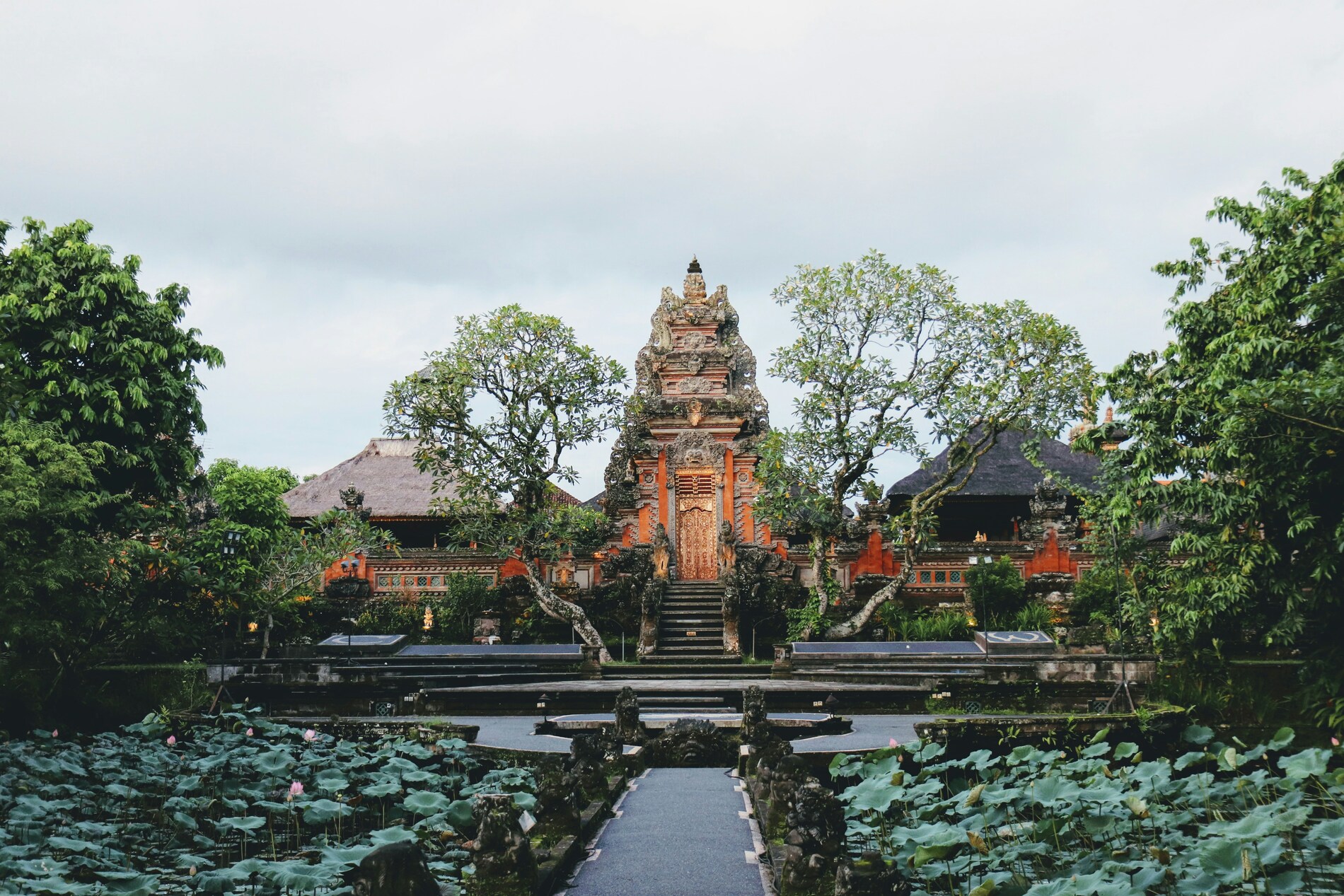
There’s a softness to the place, a kind of spiritual gravity that pulls you inward without force.
Where Breath Becomes a Bridge
Breathwork in Ubud is not a performance. It’s a practice shaped by lineage, intuition, and the island’s own quiet magic. Sessions begin slowly—long inhales that expand the ribs, long exhales that empty the mind. Then the rhythm deepens. Circular breathing. Fire breath. Soft pauses that feel like doorways. You feel heat rise through your chest, tingling in your fingers, a lightness behind your eyes. The body speaks in sensations; the breath translates.
Around you, the jungle responds. Leaves rustle. A gecko clicks from the rafters. The air thickens with the scent of rain. You begin to understand why so many travelers come here seeking clarity. The breath becomes a bridge—between mind and body, past and present, self and something larger.
The Deep Dive
Ubud’s wellness culture is rooted in a blend of Balinese spirituality and global healing traditions. Yoga studios open to the jungle offer classes that feel more like ceremonies—slow, intentional, guided by teachers who speak with a grounded gentleness. After breathwork, you might move into asanas that feel fluid and intuitive, the body warmed from within. Or you might lie in savasana while a practitioner plays crystal bowls that shimmer through the air like light made audible.
Outside the shala, the rituals continue. Herbal tonics brewed with turmeric and ginger. Coconut water sipped straight from the shell. Walks through rice terraces where farmers greet you with quiet smiles. Even the cafés feel like extensions of the practice—bowls of fresh fruit, warm spices, and earthy teas that nourish without pretense.
Ubud doesn’t push you toward transformation. It creates the conditions for it.
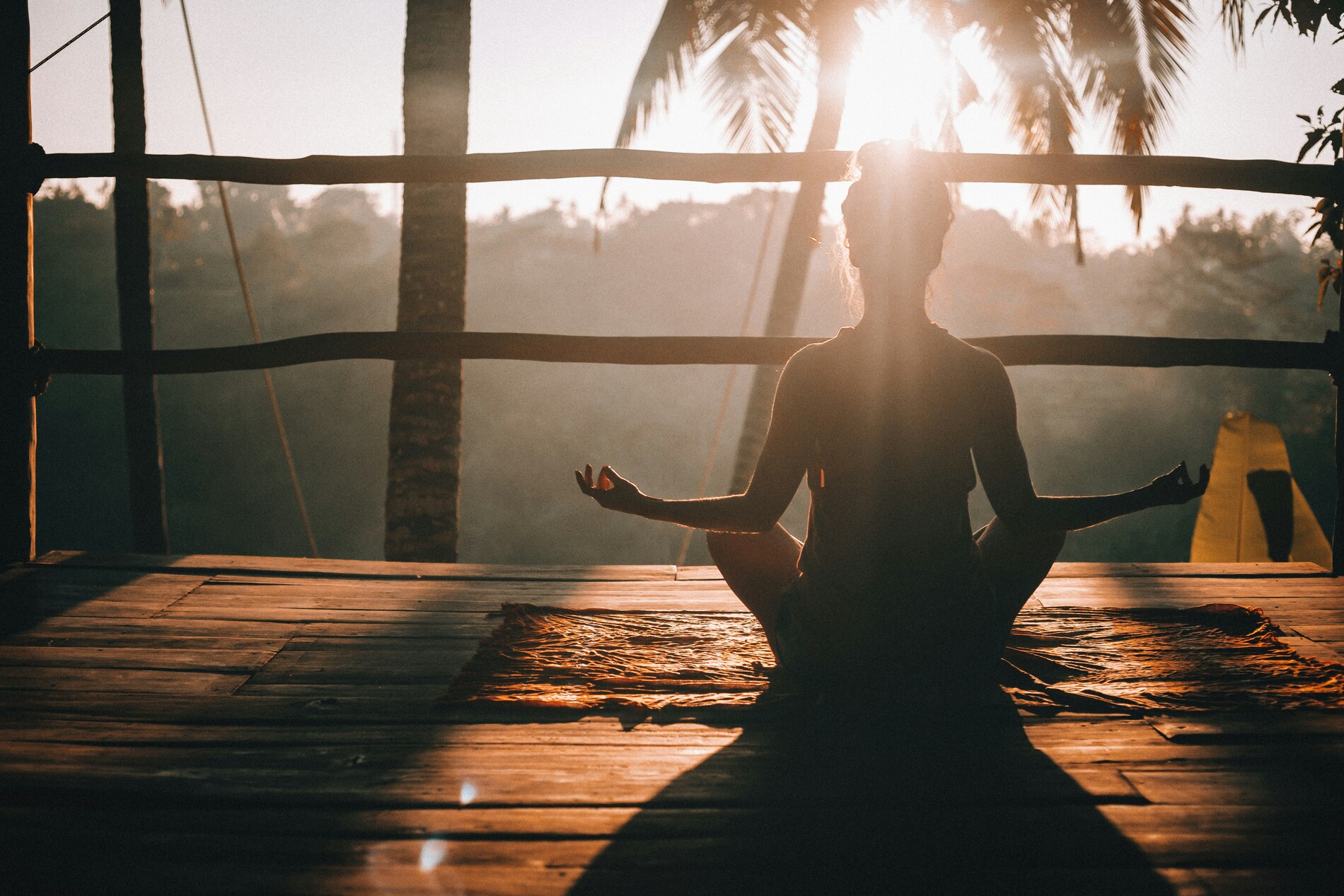
When Ubud Feels Most Receptive
The island is generous year‑round, but there’s a particular sweetness in the months just after the rains. The jungle glows a deeper green. The air feels charged, almost electric. Mornings are cool enough for breathwork; afternoons warm enough for a slow swim in a hidden spring. Evenings settle into a soft gold that makes the temples look like they’re lit from within.
These are the days when the veil between inner and outer worlds feels thinnest.
What You Carry Home
Ubud lingers in the body long after you leave. You remember the warmth of the shala floor beneath your spine, the rhythm of your breath syncing with the jungle, the way your mind softened into something spacious and clear. You return home with a quieter nervous system, a steadier pulse, and a deeper trust in your own inner landscape.
Breathwork teaches that rebirth isn’t dramatic. It’s subtle. A shift. A softening. A moment when the body remembers what the mind forgot.