


Night falls early in Prague, and when it does, the city seems to inhale. The last traces of daylight slip behind the Gothic spires, leaving the streets washed in amber and shadow. You follow a narrow alley that twists away from Old Town Square, the cobblestones still warm from the day. A faint vibration rises from somewhere below street level—bass pulsing through stone that’s older than most countries. A door you might have missed in daylight stands slightly ajar, candlelight flickering behind iron bars. The air smells of clove smoke and cold night. In Prague, the real party doesn’t blaze across neon signs or rooftop bars. It lives underground, in vaulted cellars and hidden chambers where the city’s Gothic soul comes alive one beat at a time.
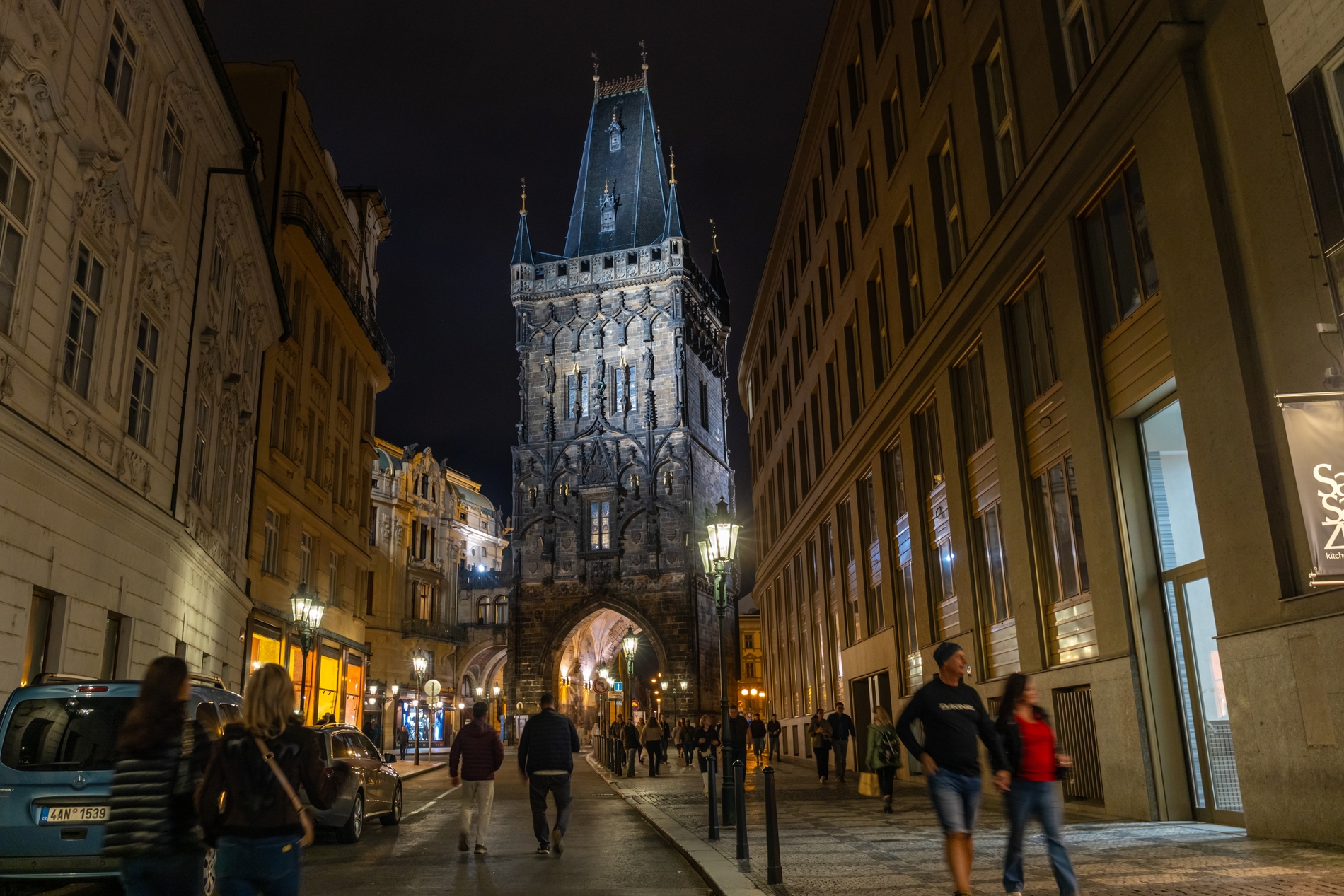
The Moment the City Turns
Night settles over Prague like a velvet curtain, soft at the edges but heavy with intention. The last of the daylight slips behind the spires, leaving the Old Town in a wash of amber streetlamps and long, dramatic shadows. You cross Charles Bridge just as the statues begin to blur into silhouettes. The Vltava moves quietly beneath you, dark and reflective. Somewhere in the distance, a bass line thumps—slow, deliberate, unmistakably subterranean. Prague doesn’t announce its nightlife. It beckons. And if you follow the sound, you’ll find yourself descending into a world where Gothic architecture and underground culture blend into something raw, hypnotic, and entirely its own.
A City Built for the After‑Dark
Prague’s Gothic bones make it feel like it was designed for night. Narrow alleys twist between medieval buildings, their stone walls cool to the touch. Lanterns flicker in archways. Doorways lead downward instead of up. The city’s nightlife doesn’t sprawl—it hides. Clubs are tucked beneath centuries‑old foundations, carved into basements that once stored wine, grain, or secrets.
Walking through these streets after dark, you feel the shift immediately. The air thickens with anticipation. The soundscape changes—footsteps echo differently on cobblestones, voices soften, and the city’s pulse moves underground. Prague’s Gothic nightlife isn’t loud or flashy. It’s atmospheric, intimate, and steeped in a sense of history that lingers in every vaulted ceiling.
Descent Into the Underground
The entrance to a Gothic club in Prague rarely looks like much. A narrow staircase. A wooden door reinforced with iron. A faint glow leaking from somewhere below. But once you step inside, the world expands. Arched stone ceilings stretch overhead. Candles flicker in alcoves. The music reverberates through walls that have stood for centuries.
The crowd is a mix of locals and travelers who’ve done their homework—people drawn to the city’s darker aesthetic, its love of industrial beats, its refusal to sanitize the night. There’s a sense of anonymity here, but not isolation. You move through the space with a kind of freedom that only underground venues seem to allow.
The music is deep and textured—industrial, darkwave, techno with a Gothic edge. It’s not about spectacle. It’s about immersion. The sound wraps around you, vibrating through the stone, syncing with your heartbeat.
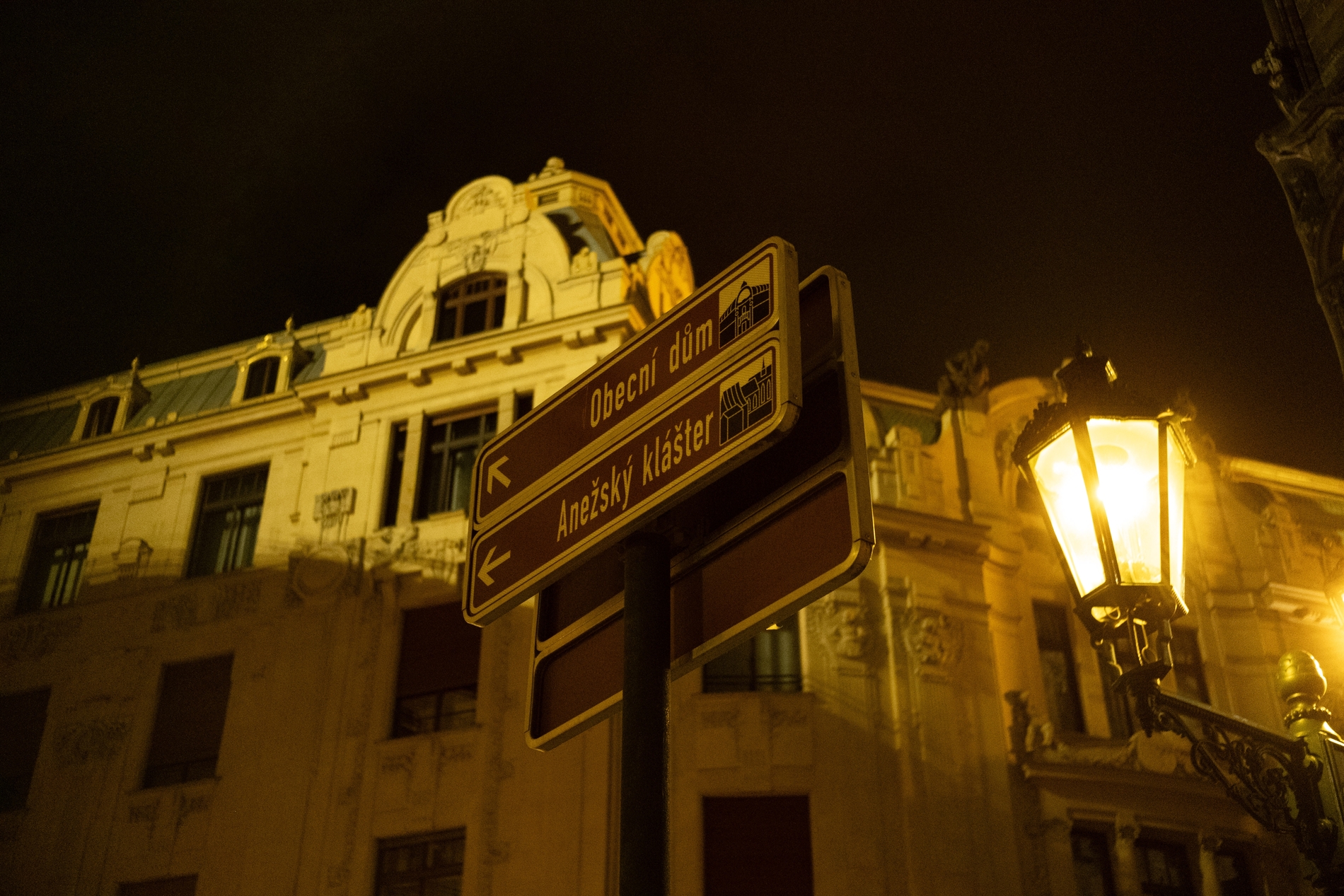
The Gothic Aesthetic in Motion
Prague’s Gothic nightlife isn’t a costume; it’s a mood. Black lace, leather, heavy boots, silver jewelry that catches the candlelight. But there’s no pressure to perform. The aesthetic is an invitation, not a requirement. What matters is the atmosphere—the way the architecture amplifies the music, the way the shadows move across the walls, the way the night feels both ancient and alive.
Between sets, you might step into a quiet courtyard for air. The sky above is ink‑dark, framed by spires and chimneys. The city hums softly around you. Even the silence feels curated.
When the Night Deepens
As the hours stretch on, the energy shifts. The crowd thins slightly, leaving more room to move. The music grows deeper, slower, more hypnotic. You lose track of time. The stone walls hold the coolness of the night, and the air smells faintly of incense and old wood.
This is the heart of Prague’s Gothic nightlife—the moment when the city feels like it’s revealing something private. You dance not for spectacle, but for release. The night becomes a cocoon, a place where the outside world fades.
Emerging Into the Early Light
When you finally climb the stairs back to the street, the sky is beginning to pale. The city is quiet again, the Gothic facades softening in the early light. You walk through empty squares that feel almost sacred at this hour. The night lingers in your body—the bass still humming in your chest, the cool stone still on your skin.
Prague’s underground scene doesn’t leave you buzzing. It leaves you grounded. Connected. A little transformed.
What the Night Leaves Behind
Gothic nightlife in Prague isn’t about excess or spectacle. It’s about atmosphere—shadow, stone, sound, and the strange comfort of descending into a world that feels both ancient and alive. It’s a reminder that some cities reveal their truest selves only after dark, in the spaces where history and hedonism meet.
Long after you’ve left, you’ll remember the cool descent into the underground, the candlelit arches, the pulse of music echoing through centuries‑old walls. Prague doesn’t just host a night out. It offers an experience carved into the city’s very foundations.