

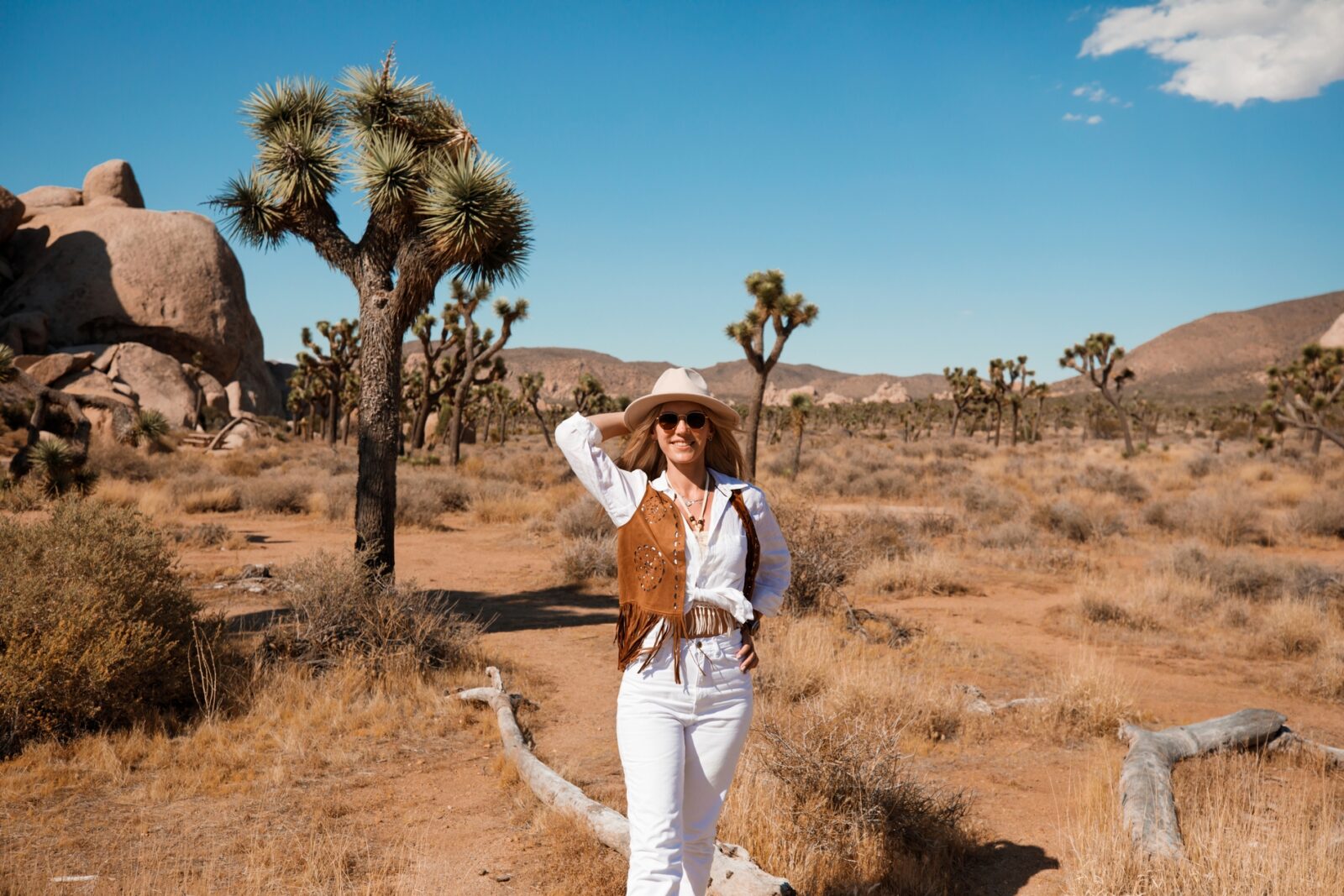
The desert wakes slowly. Before sunrise, Joshua Tree is a palette of muted violets and soft blues, the air cool enough to sting your lungs in the best possible way. You sit cross‑legged on a woven mat inside a dome of whitewashed wood, the floor still holding the night’s chill. A practitioner strikes a quartz bowl, and the sound blooms—low at first, then expanding until it fills the room like a warm tide. Outside, the first light touches the boulders. Inside, the vibration moves through your ribs, your spine, your breath. For a moment, you feel as if the desert itself is humming through you.
Joshua Tree has a way of stripping life down to its essentials. The landscape is stark but not empty—ancient rock formations, twisted yucca trees, and a silence so complete it feels like a presence. Sound bathing here doesn’t feel like a wellness trend; it feels like a conversation with the land. The bowls, gongs, and chimes don’t compete with the environment—they merge with it. The desert absorbs the noise of the world and hands you back something quieter, steadier, more honest.
There’s a raw intimacy to the experience. The kind that makes you breathe deeper without realizing it.
Where Vibration Becomes Medicine
Sound bathing in Joshua Tree is less about listening and more about receiving. Quartz bowls resonate at frequencies that seem to bypass the mind entirely, settling instead into the body’s deeper layers. Gongs ripple through the chest like distant thunder. Chimes flicker at the edges of awareness. The desert amplifies everything—the stillness, the resonance, the sense that time has loosened its grip.
You lie back on your mat, eyes closed, and feel the vibrations move through you in waves. Muscles unclench. Thoughts drift. The sound becomes a landscape of its own—one that feels ancient, elemental, and strangely familiar.
The Deep Dive
Joshua Tree’s sound baths often take place in domes or open‑air pavilions designed to enhance acoustics. The most iconic spaces use geometry to shape the resonance, creating a sensation that the sound is moving around you, above you, even inside you. The sessions unfold slowly: a low hum that grounds you, a rising swell that lifts you, a final shimmering note that leaves the air vibrating long after it fades.
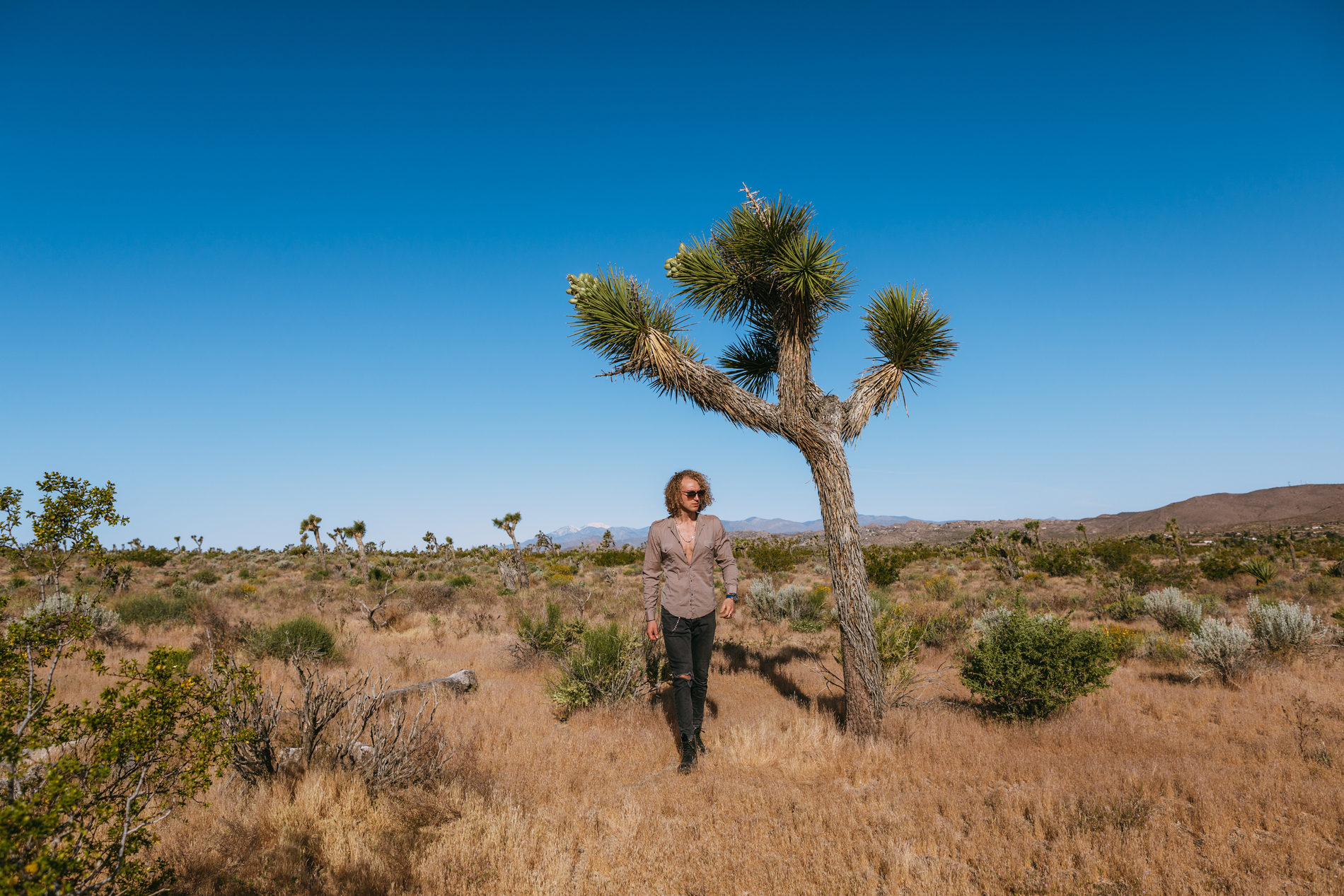
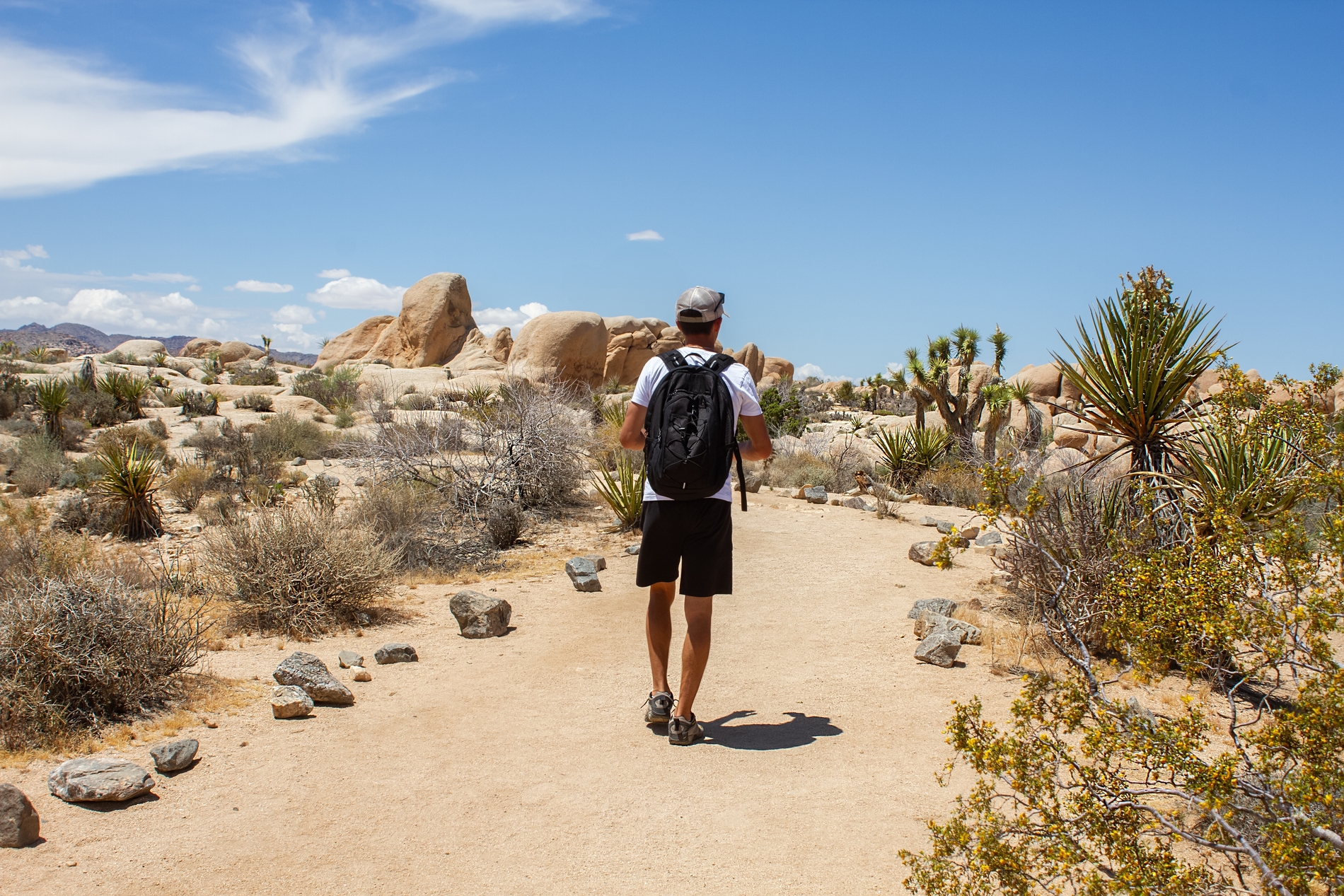
Between sessions, the desert becomes part of the ritual. You wander through boulder fields warmed by the sun, the silence ringing in your ears like an afterglow. You sit beneath a Joshua tree—its branches reaching skyward like a sculpture—and feel the lingering pulse of the sound bath settle into your breath. Even the wind seems to move differently, brushing against your skin with a kind of deliberate gentleness.
When the Desert Feels Most Transformative
Joshua Tree is at its most meditative in the cooler months—late autumn through early spring—when the air is crisp and the light is soft enough to make the rocks glow. Sunrise sessions feel like waking inside a dream. Sunset sessions carry a quiet electricity, the sky shifting from gold to rose to deep indigo. At night, the stars sharpen into impossible clarity, and the desert becomes a cathedral of silence.
These are the hours when sound bathing feels less like a practice and more like a portal.
What You Carry Home
The desert stays with you. Not in snapshots, but in sensations: the echo of a gong in your chest, the warmth of quartz vibrations settling into your bones, the way the silence felt alive. You return home with a recalibrated sense of presence, a quieter mind, and a deeper appreciation for the spaces between thoughts.