

The first light spills across the savanna in long, honey‑colored bands, and your family stands together in the back of an open‑air vehicle, wrapped in blankets against the cool dawn. A herd of elephants moves silently through the grass, their silhouettes enormous and gentle against the rising sun. Your child whispers, “They look like mountains walking.” And in that moment, you realize this isn’t just a vacation. It’s a living geography lesson—one taught not by textbooks, but by the land itself.
A Landscape That Teaches Without Trying
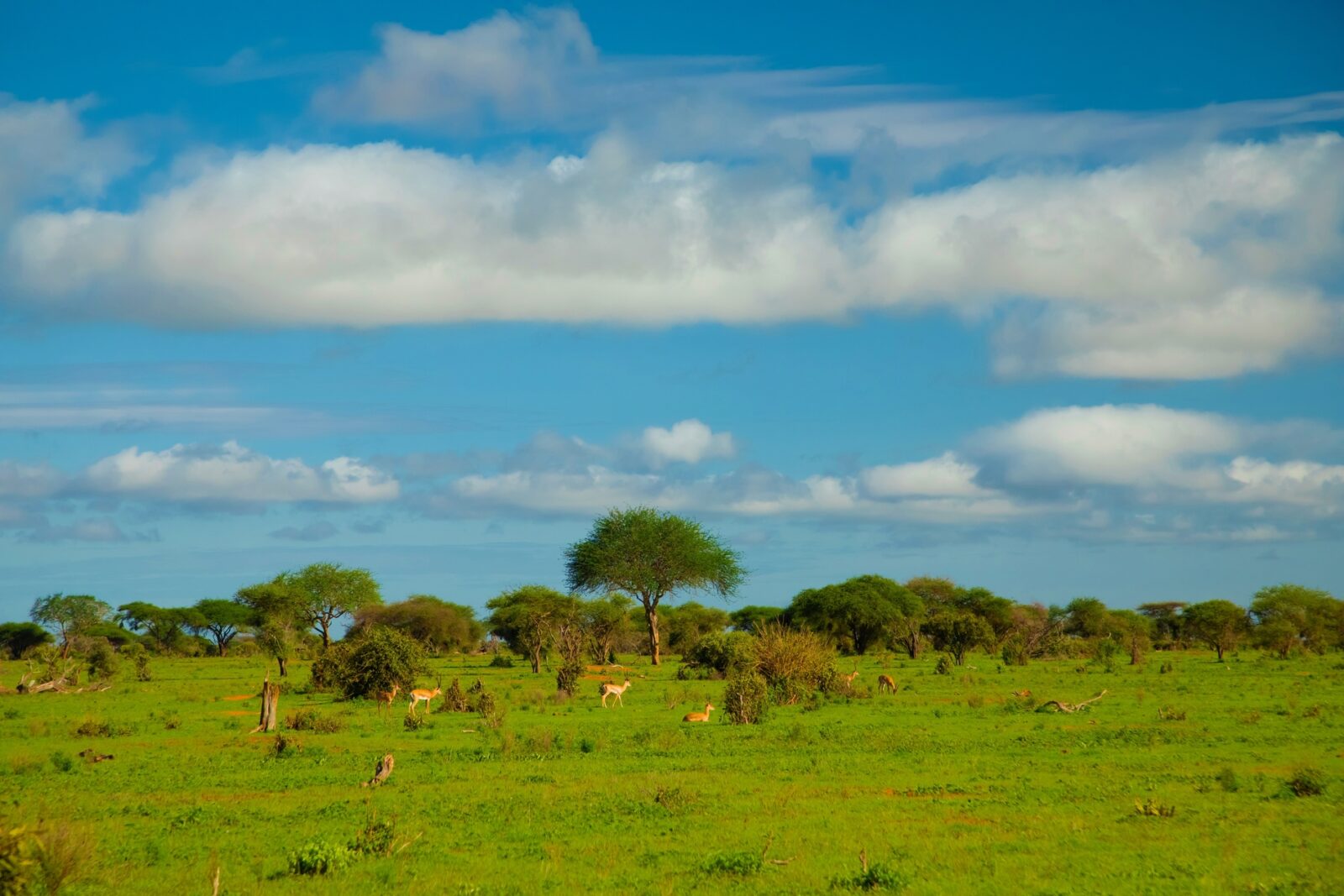
Africa’s great wilderness areas—whether in Kenya, Tanzania, South Africa, Botswana, or Namibia—offer families something rare: a chance to understand the planet by standing inside its most iconic ecosystems. The savanna stretches out in every direction, dotted with acacia trees and termite mounds. Rivers carve their way through valleys. Mountains rise in the distance, their peaks softened by morning haze.
Kids absorb it all instinctively. They learn what a biome feels like under their feet. They see how animals adapt to heat, drought, and migration. They watch the sky shift from soft pink to blazing blue and understand, without anyone explaining it, why life here moves with the rhythm of the sun.
Wildlife as the World’s Most Engaging Teachers
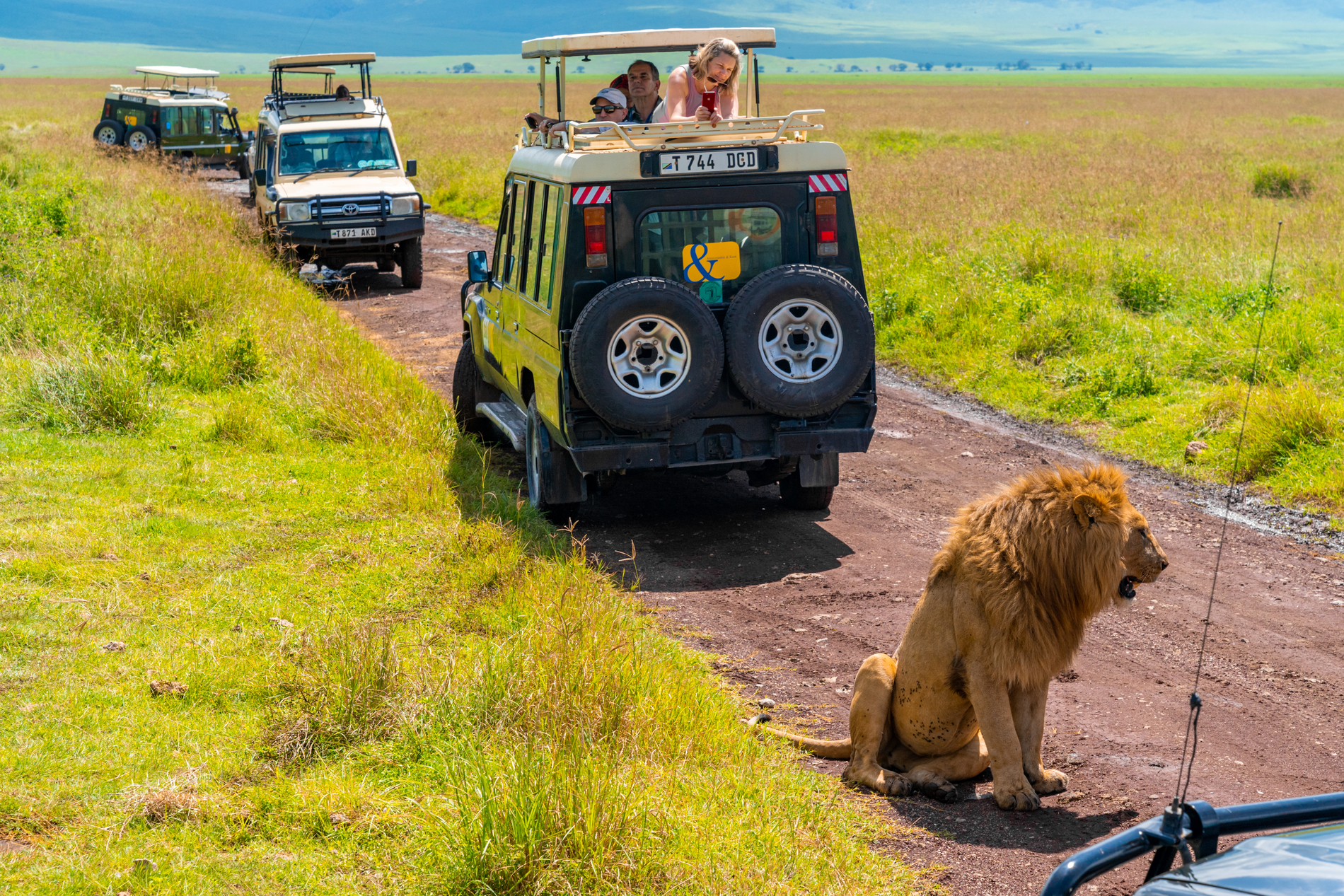
Every game drive becomes a lesson in animal behavior. Lions lounging under a tree show the importance of shade in a hot climate. Giraffes stretching for leaves reveal how evolution shapes bodies. Hippos wallowing in muddy pools demonstrate the delicate balance between land and water.
Guides turn these moments into stories. They point out tracks in the dust, explain how predators communicate, and show kids how to identify birds by their calls. Families learn to read the landscape together—spotting movement in the grass, noticing the direction of the wind, understanding why animals gather near certain waterholes.
For younger children, the excitement is immediate. For teens, the science behind it all becomes irresistible. And for parents, the joy lies in watching curiosity ignite.
Activities That Bring the Geography to Life
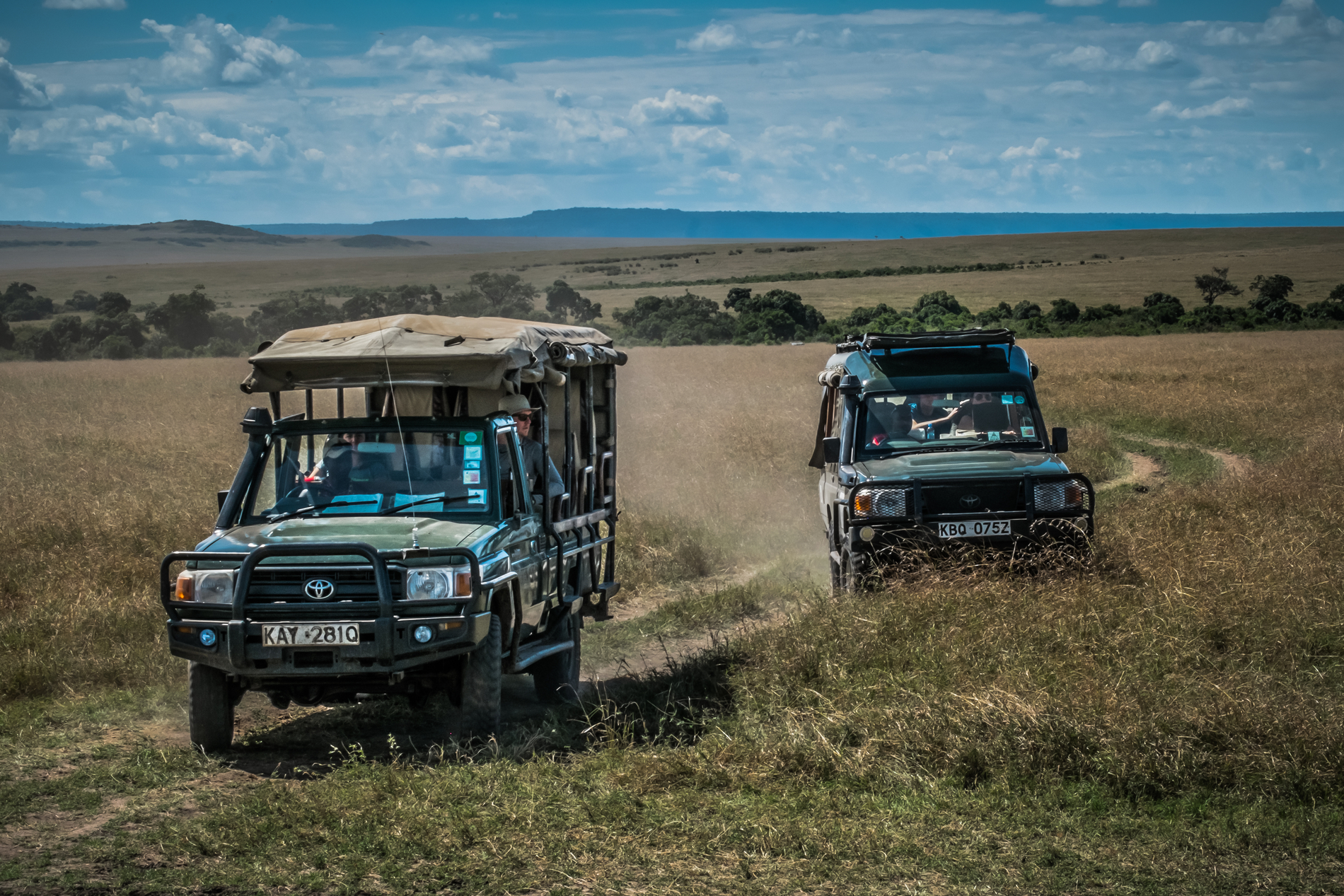
Safaris offer far more than game drives. Families walk with guides who teach them how to identify plants used for medicine or shelter. They visit conservation centers where kids meet researchers studying elephants, rhinos, or cheetahs. They paddle along quiet rivers, spotting crocodiles and kingfishers, learning how waterways shape entire ecosystems.
In some regions, families join local communities for cultural experiences—learning how people live in harmony with the land, how traditions reflect geography, and how climate shapes daily life. These moments add depth to the adventure, grounding the wildlife encounters in human context.
Even downtime becomes part of the lesson. Kids swim in lodge pools overlooking plains where zebras graze. Parents sip tea on decks facing distant hills. Everyone watches the sky shift into a blaze of orange and purple at sunset, understanding instinctively why this landscape has inspired stories for centuries.
When the Safari Feels Its Most Alive
Dry seasons offer the clearest wildlife viewing, as animals gather around shrinking water sources. Green seasons bring dramatic skies, newborn animals, and landscapes that glow with fresh grass. Early mornings are ideal for spotting predators on the move. Late afternoons offer soft light perfect for photography and quiet moments of connection.
Families quickly fall into the rhythm of safari life—early wake‑ups, long breakfasts, midday rest, golden‑hour drives. It’s a pace that feels both adventurous and deeply grounding.
What You Carry Home
A safari leaves families with more than photos. You remember the thrill of spotting your first lion, the quiet of a sunrise over the plains, the way your child asked questions you’d never considered. You remember learning together—about ecosystems, migration, weather, conservation, and the delicate balance that keeps the wild alive.
Most of all, you carry home the feeling of being part of something vast and ancient. A geography lesson written in dust, wind, and starlight. A classroom with no walls, where the world teaches you simply by being itself.