

The scent arrives before the wine.
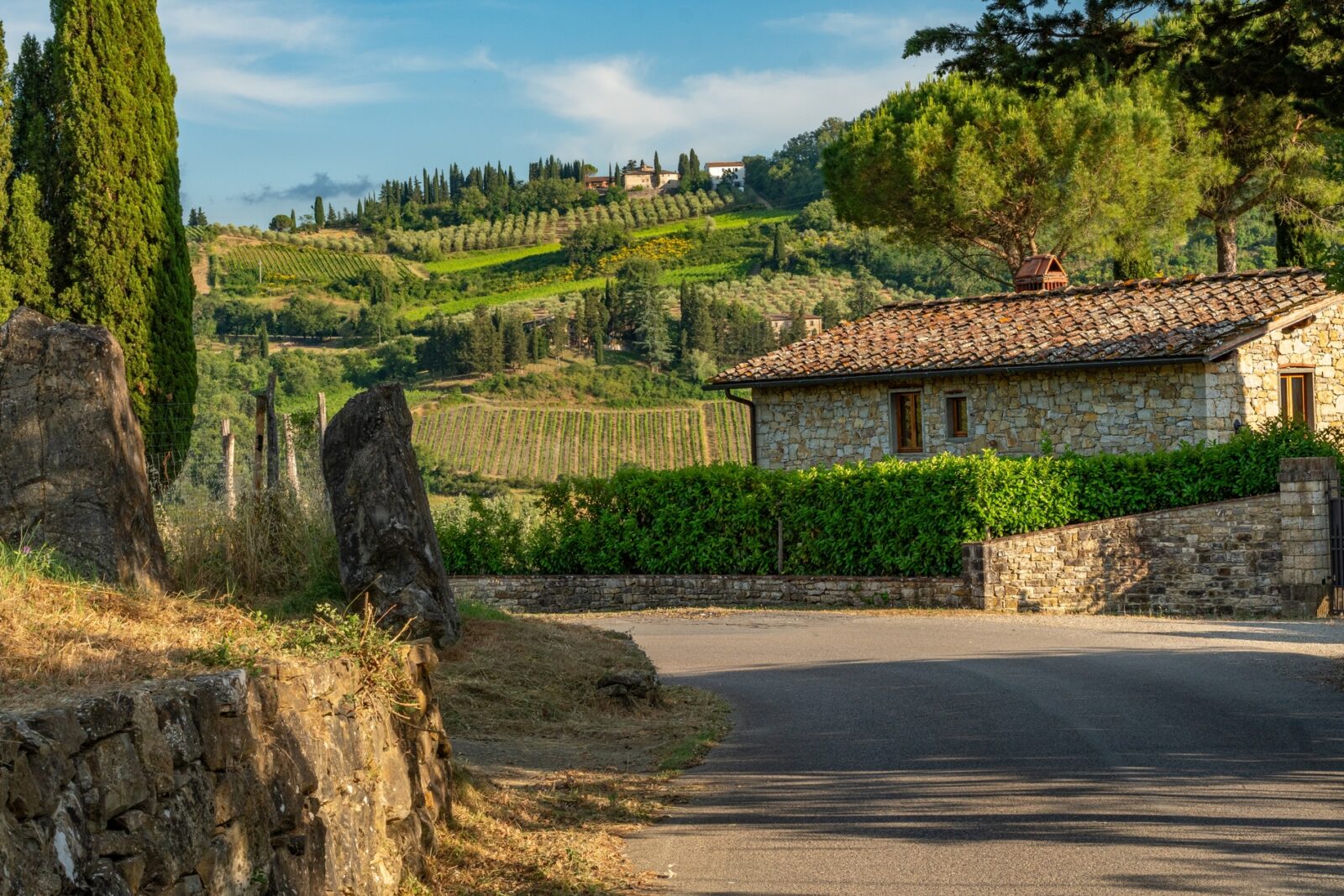
It hangs in the cool air of an underground cellar carved centuries ago beneath a stone farmhouse. Notes of oak, earth, and aging Sangiovese linger between vaulted brick ceilings while rows of bottles rest quietly in the dim light. Above ground, the afternoon sun slips across rolling vineyards, illuminating cypress-lined roads that wind through the Tuscan countryside like brushstrokes on a Renaissance canvas.
This is Tuscany at its most enduring.
Far from the crowded tasting rooms and packed itineraries that often define modern wine tourism, the region’s historic estates offer something deeper: the opportunity to inhabit a landscape shaped by agriculture, craftsmanship, and tradition for generations.
A stay in a sixteenth-century wine estate is not simply an invitation to taste exceptional wines. It is a chance to experience a way of life that has evolved slowly, patiently, and remarkably intact.
A Landscape Cultivated Over Centuries
The beauty of Tuscany is inseparable from human hands.
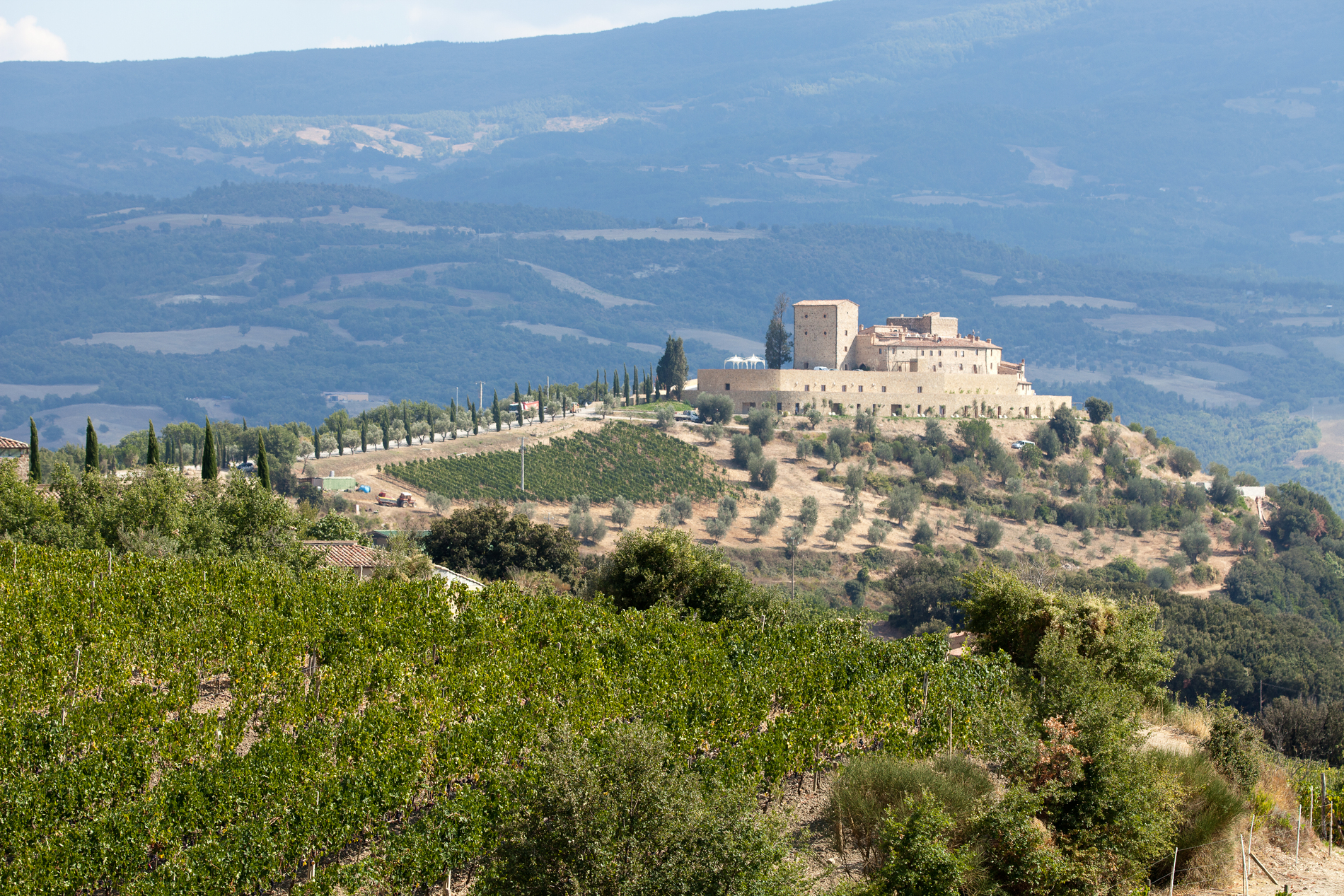
Unlike wild mountain ranges or untouched coastlines, this landscape reflects centuries of careful stewardship. Vineyards follow the contours of the hills. Olive groves occupy sunnier slopes. Stone farmhouses rise from the terrain as though they were built directly from the earth beneath them.
Many of the region’s historic estates remain working properties, where wine production continues alongside hospitality. The result is an atmosphere that feels authentic rather than curated.
Mornings begin with soft light spreading across rows of vines still damp with dew. Church bells echo faintly from distant villages. Farmers move through the vineyards long before most guests have finished breakfast.
The landscape is beautiful, certainly, but its greater appeal lies in the sense of continuity it conveys.
The Quiet Luxury of the Historic Estate
Step inside one of these restored sixteenth-century fincas and the passage of time becomes tangible.
Terracotta floors bear the subtle imperfections of age. Exposed wooden beams cross ceilings that have witnessed countless harvests. Thick stone walls keep interiors naturally cool during summer afternoons and create a welcoming sense of shelter throughout the year.
Luxury here rarely relies on spectacle.
Instead, it emerges through proportion, craftsmanship, and space. Rooms open onto terraces overlooking vineyards that stretch across neighboring hills. Private gardens invite unhurried afternoons. Large windows frame landscapes that seem largely unchanged since the estates were first established.
There is elegance in the restraint.
Rather than competing with their surroundings, the finest properties allow the countryside to become the focal point.
Beneath the Estate: The Underground Cellars
The cellar remains the emotional heart of many Tuscan wine estates.
Descending underground introduces an entirely different atmosphere. Temperatures drop. Sounds soften. Thick stone and brick walls create an environment designed for patience.
Wine ages slowly here, protected from fluctuations in light and climate. Walking among barrels and bottles becomes a lesson in time itself. Every vintage represents a specific growing season, a particular harvest, a distinct moment preserved and transformed.
Even for travelers who are not devoted wine enthusiasts, these spaces possess undeniable power. They embody a philosophy that values craftsmanship, waiting, and attention to detail.
Qualities increasingly rare in a world built for speed.
The Pleasure of Slow Afternoons
Back above ground, the rhythm shifts again.
A heated swimming pool overlooking vineyards might seem like a contemporary addition, yet it fits naturally into the estate lifestyle. After a morning exploring hilltop towns or wandering vineyard paths, the water offers a place to pause and absorb the surroundings.
The best moments often arrive unexpectedly: reading beneath a pergola scented with jasmine, sharing a bottle produced only steps away, or watching evening light turn the hills shades of gold and amber.
Tuscany rewards those willing to slow down.
Spring brings wildflowers and fresh green vineyards. Summer stretches long into warm evenings. Autumn delivers harvest season and rich colors, while winter reveals a quieter countryside filled with mist, fireplaces, and remarkable tranquility.
A Timeless Expression of Italian Luxury
The enduring appeal of a Tuscan wine estate lies in its authenticity.
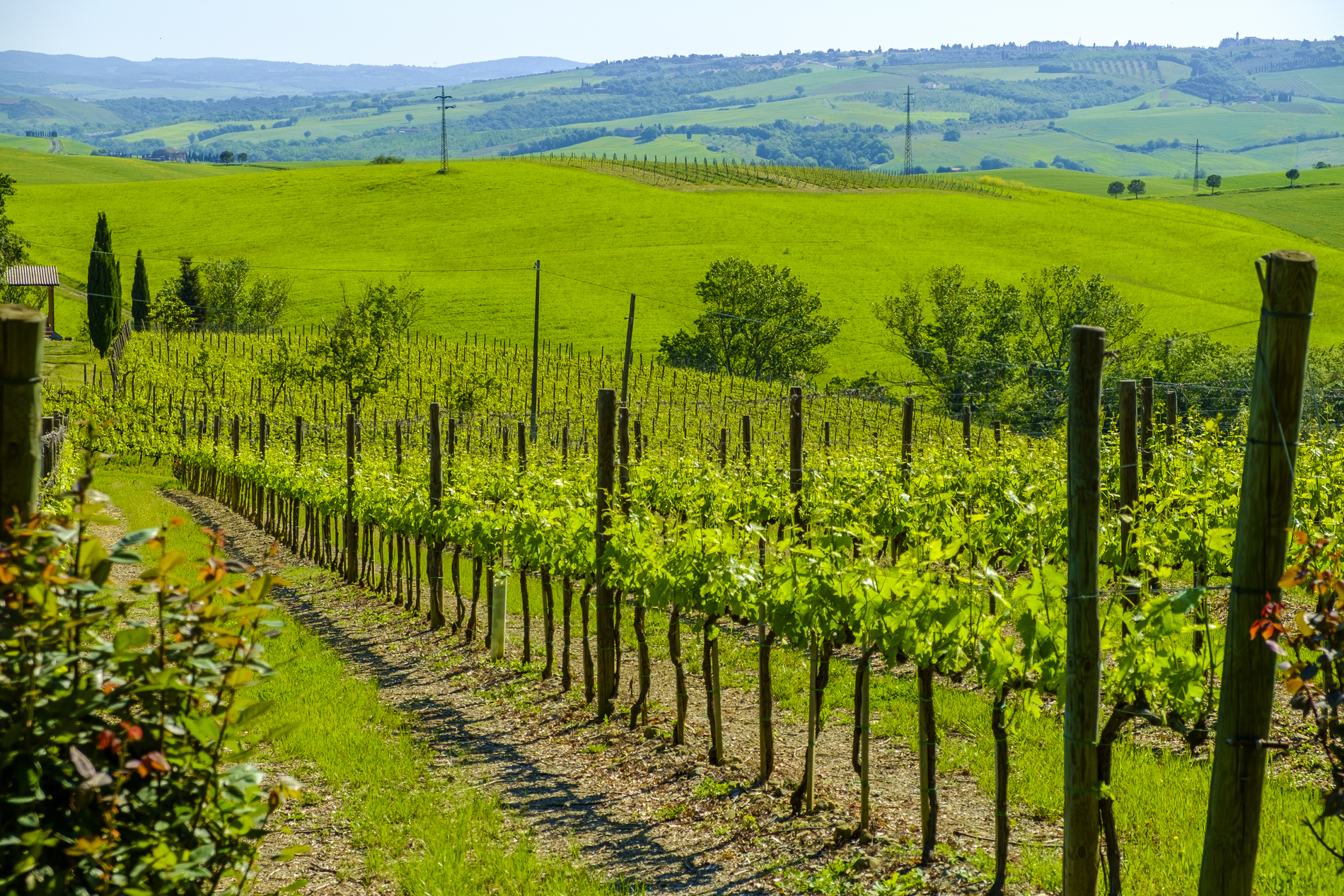
The vineyards are real. The cellars continue their centuries-old purpose. The stone walls, ancient olive trees, and winding roads are not attractions created for visitors; they are elements of a living landscape that has evolved over generations.
Long after departure, what remains is not a particular tasting or photograph. It is the memory of waking among the vines, descending into cool underground caves, and ending the day beside a heated pool as the sun disappeared behind the Tuscan hills.
In Tuscany, luxury is not defined by novelty. It is defined by permanence. And few places express that more beautifully than the great wine estates that continue to flourish among the vineyards.