

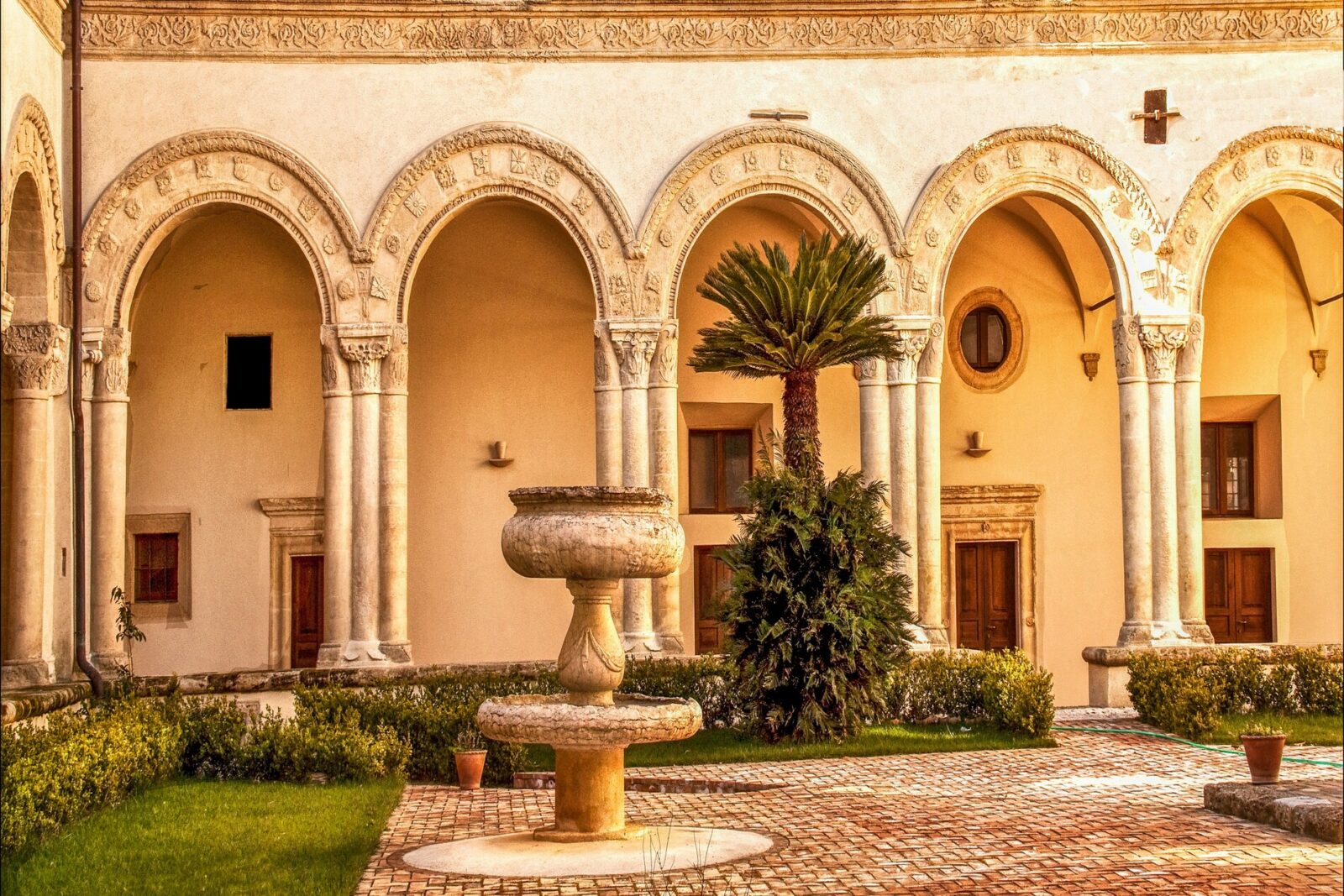
The first thing you notice is the sound of your own breath. It rises and falls in the dim cloister just before sunrise, echoing softly against stone that has held centuries of whispered prayers. A thin line of gold slips over the hills of Umbria, catching the edge of an olive tree and turning it into a silhouette so delicate it feels almost unreal. In that moment, the world narrows to light, breath, and stillness.
The Quiet That Rearranges You
Silence in an Italian monastery isn’t empty. It has texture—like wool warmed by the sun or the cool weight of terracotta beneath bare feet. Days unfold slowly, without the usual tug of notifications or conversation. You begin to hear things you didn’t realize you’d been missing: the rustle of cypress branches, the soft clink of ceramic bowls at breakfast, the distant toll of a bell marking the hours with a kind of gentle authority.
There’s a strange comfort in being surrounded by people who have chosen quiet. The monks move with a calm that feels practiced but not performative. Their presence anchors the space, reminding you that solitude doesn’t have to be lonely. It can be shared, even cherished.
A Rhythm Older Than You
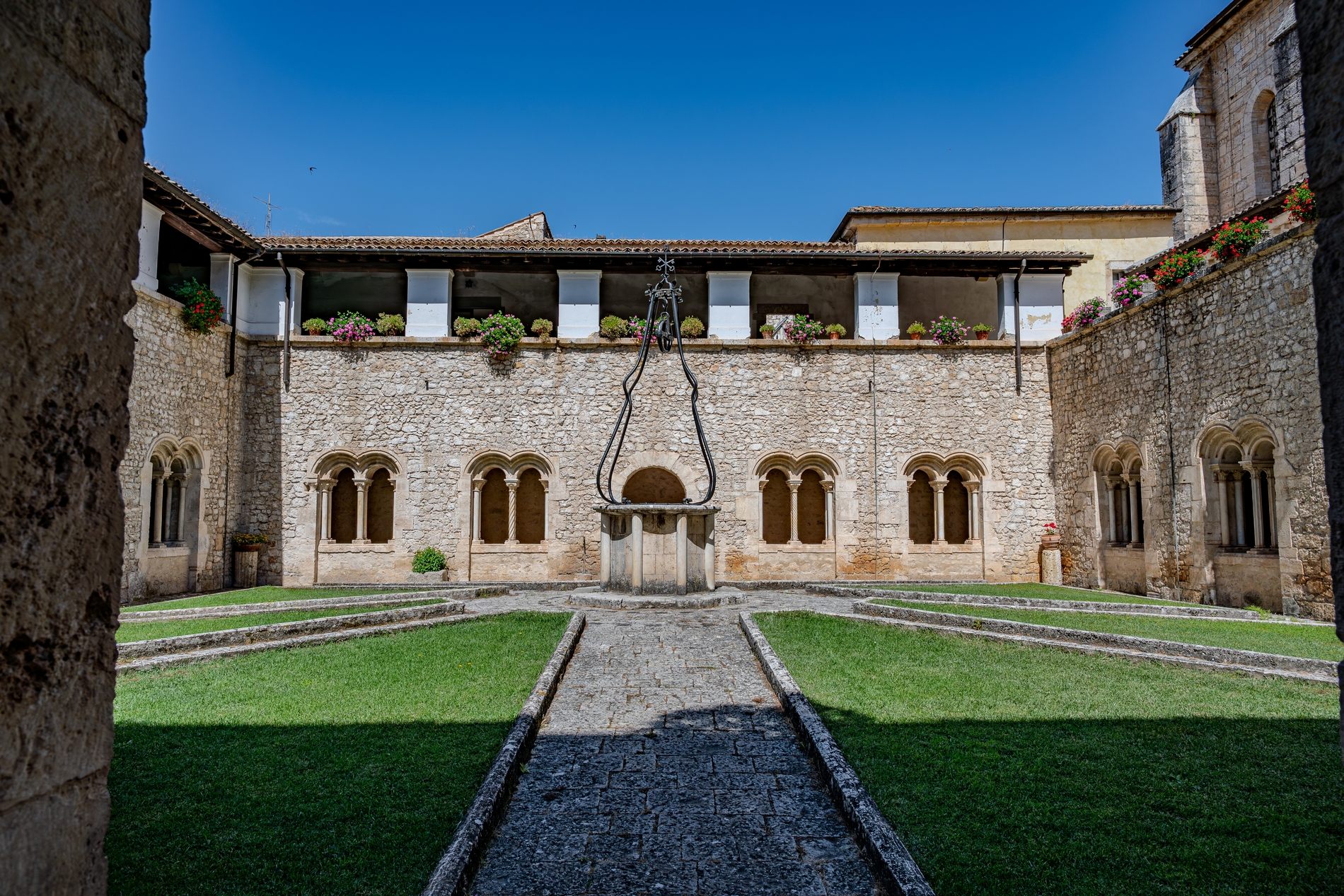
Life inside the monastery follows a cadence shaped by centuries of repetition. Dawn prayers, simple meals, long stretches of contemplative time, and the soft glow of evening vespers. You’re not required to participate in the rituals, but their rhythm seeps into you. Meals are taken in silence, often facing a window that frames the countryside like a painting—rolling fields, stone farmhouses, and the occasional burst of wildflowers.
The food is humble but deeply satisfying: lentil soups, crusty bread, figs so ripe they almost collapse in your hands. Eating without conversation sharpens every flavor. You begin to understand why monks speak of gratitude not as an idea but as a practice.
The Landscape as a Teacher
Step outside the monastery walls and the landscape feels like an extension of the silence. Footpaths wind through olive groves and vineyards, leading to hilltop chapels or abandoned hermitages tucked into the forest. Walking becomes a form of meditation. The air carries the scent of rosemary and earth, and the light—especially in late afternoon—has a softness that makes everything feel suspended in time.
This is where the solitude deepens. Without the structure of the monastery, you’re left with your own thoughts, your own pace. The hills don’t rush you. They invite you to slow down, to notice the way shadows stretch across the path or how the sky shifts from blue to rose to a muted violet.
When to Go, Without Saying It Like a Guidebook
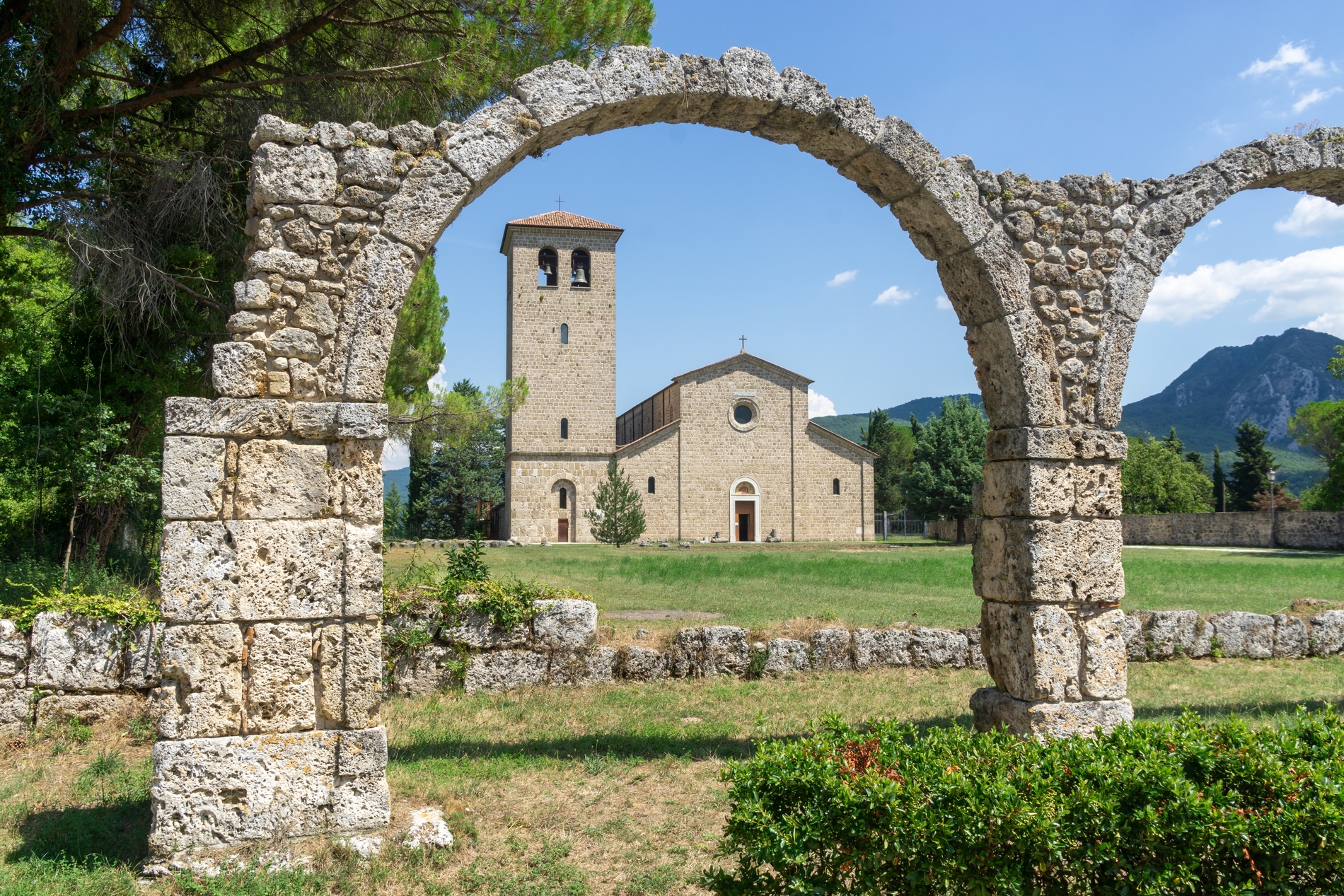
The monastery is beautiful year-round, but there’s something especially moving about the shoulder seasons. Spring brings a quiet bloom, while autumn wraps the hills in warm, earthy tones. Both offer a kind of intimacy—fewer visitors, softer light, and a sense that the world is exhaling.
If you want the deepest solitude, arrive midweek. The energy is calmer, the spaces emptier, and the silence feels more complete. Bring a journal, not because you must write, but because thoughts surface differently when the world stops speaking.
Leaving With More Space Inside
By the end of the week, the silence becomes a companion rather than a challenge. You carry it with you as you pack your bag, as you walk through the cloister one last time, as the monastery recedes in the rearview mirror. It lingers—a quiet reminder that stillness is not a luxury but a form of nourishment.
And long after you’ve returned to the noise of daily life, you’ll find yourself remembering the way the morning light touched the stone, the way your breath sounded in the cloister, and the way a week of silence made the world feel spacious again.