

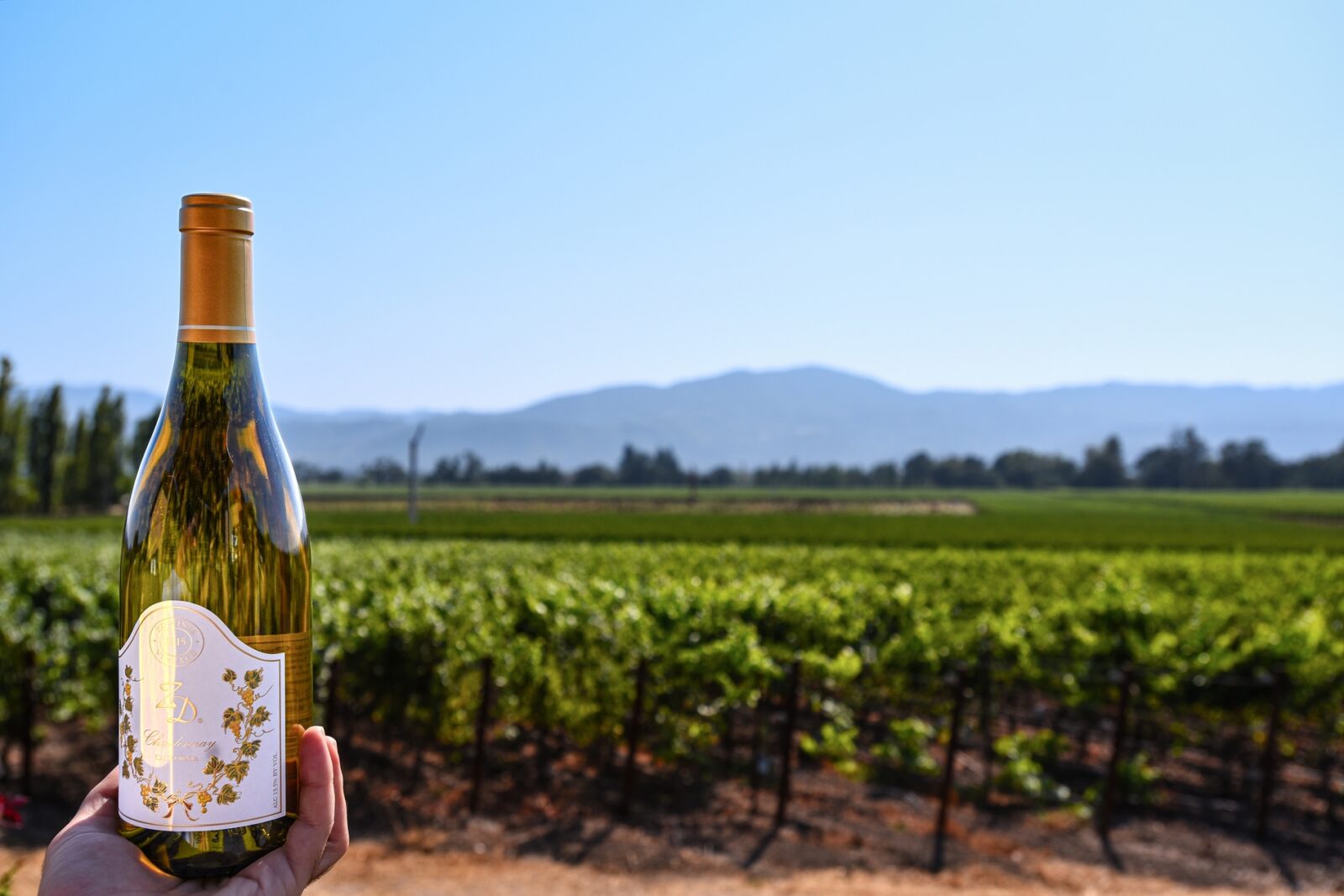
Napa greets you with a softness that feels almost theatrical—morning fog lifting off vineyard rows, the scent of toasted oak drifting from open cellar doors, and the quiet hum of bees moving through lavender hedges. You and your partner pull into a winery perched on a hillside, where a winemaker pours a splash of Sauvignon Blanc that smells like citrus and sun‑warmed stone. The first sip is bright, mineral, alive. A chef nearby pulls a tray of roasted grapes from the oven, their skins blistered and sweet. Napa doesn’t just pair food and wine—it choreographs them.
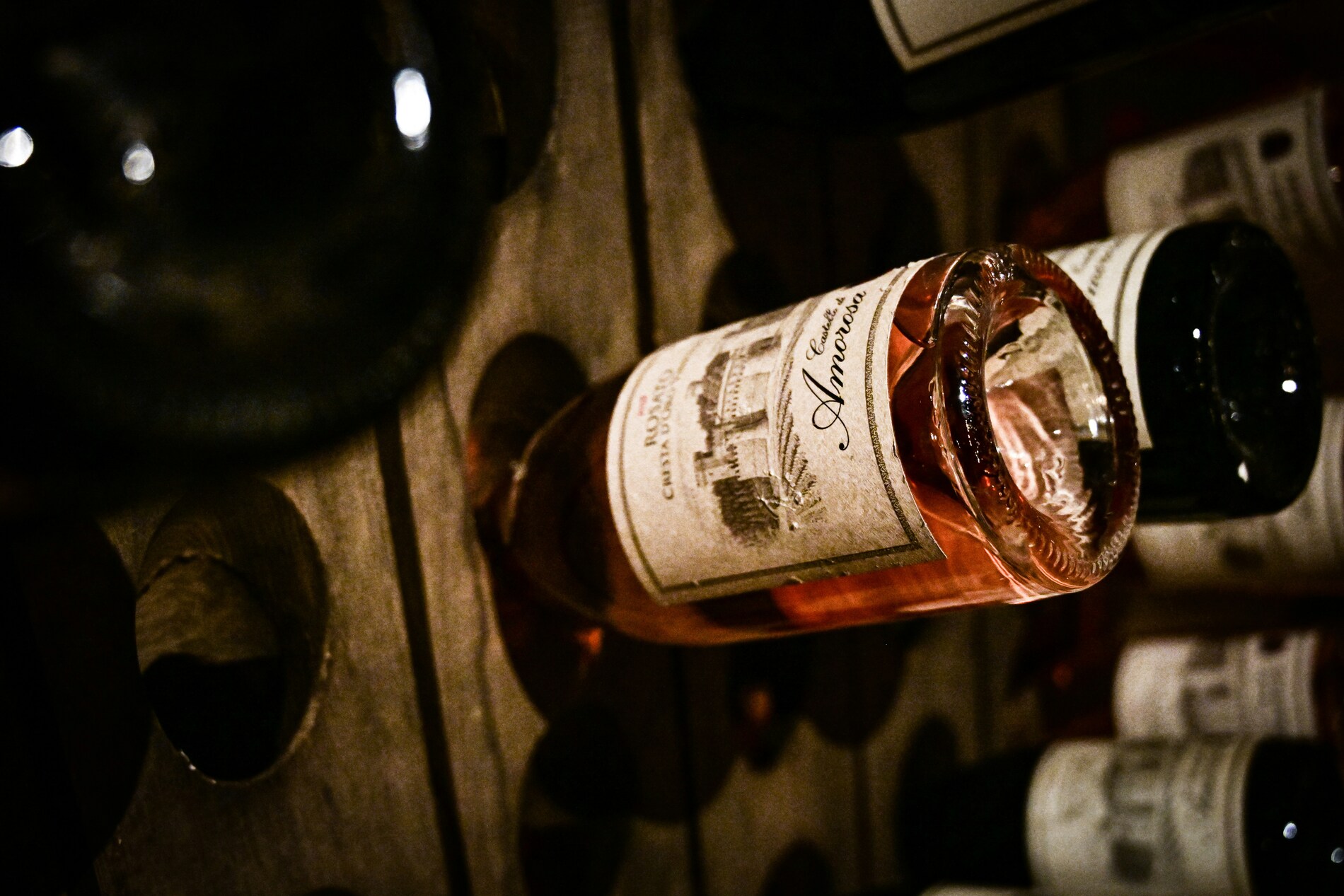
Where Farm‑to‑Table Is a Way of Life
The valley moves with a rhythm that feels both luxurious and grounded. Couples wander between tasting rooms where reclaimed‑wood counters meet floor‑to‑ceiling windows, or settle into outdoor patios shaded by olive trees. The atmosphere is warm, polished, and deeply seasonal. Napa’s culinary identity thrives in this interplay of abundance and restraint—produce picked that morning, cheeses aged just down the road, breads baked with local grains, wines poured steps from where the grapes grew. Romance here is sensory, slow, and shaped by the pleasure of tasting ingredients at their peak.
Inside the Kitchens and Cellars of Napa Valley
Your journey begins with Cabernet Sauvignon, the grape that made Napa a global icon. A winemaker guides you through a tasting: blackcurrant, cedar, cocoa, a whisper of tobacco. You share a glance—this is not just wine; it’s architecture in a glass. Next comes Chardonnay aged in French oak, its texture creamy, its finish long and elegant.
Lunch unfolds at a farm‑driven restaurant where the menu changes daily. You taste heirloom tomatoes drizzled with olive oil pressed on‑site, burrata so fresh it barely holds its shape, and sourdough still warm from the hearth. A plate of wood‑roasted chicken arrives, its skin crisp, its juices mingling with a reduction made from the estate’s own grapes. You share bites, savoring the clarity of flavor that only hyper‑local cooking can deliver.
Later, you wander into a small‑batch winery where natural wines ferment in concrete eggs. The winemaker pours a skin‑contact white that glows amber, its aroma floral and slightly wild. You try a Zinfandel next—jammy, spicy, exuberant. Every sip feels like a conversation with the land.
Dinner becomes a celebration of Napa’s culinary precision. You taste mushroom risotto made with carnaroli rice and local porcini, grilled peaches with honey and thyme, and a chocolate tart infused with Cabernet. The flavors are layered, intentional, and deeply tied to the valley’s terroir.
Letting Napa Set the Pace
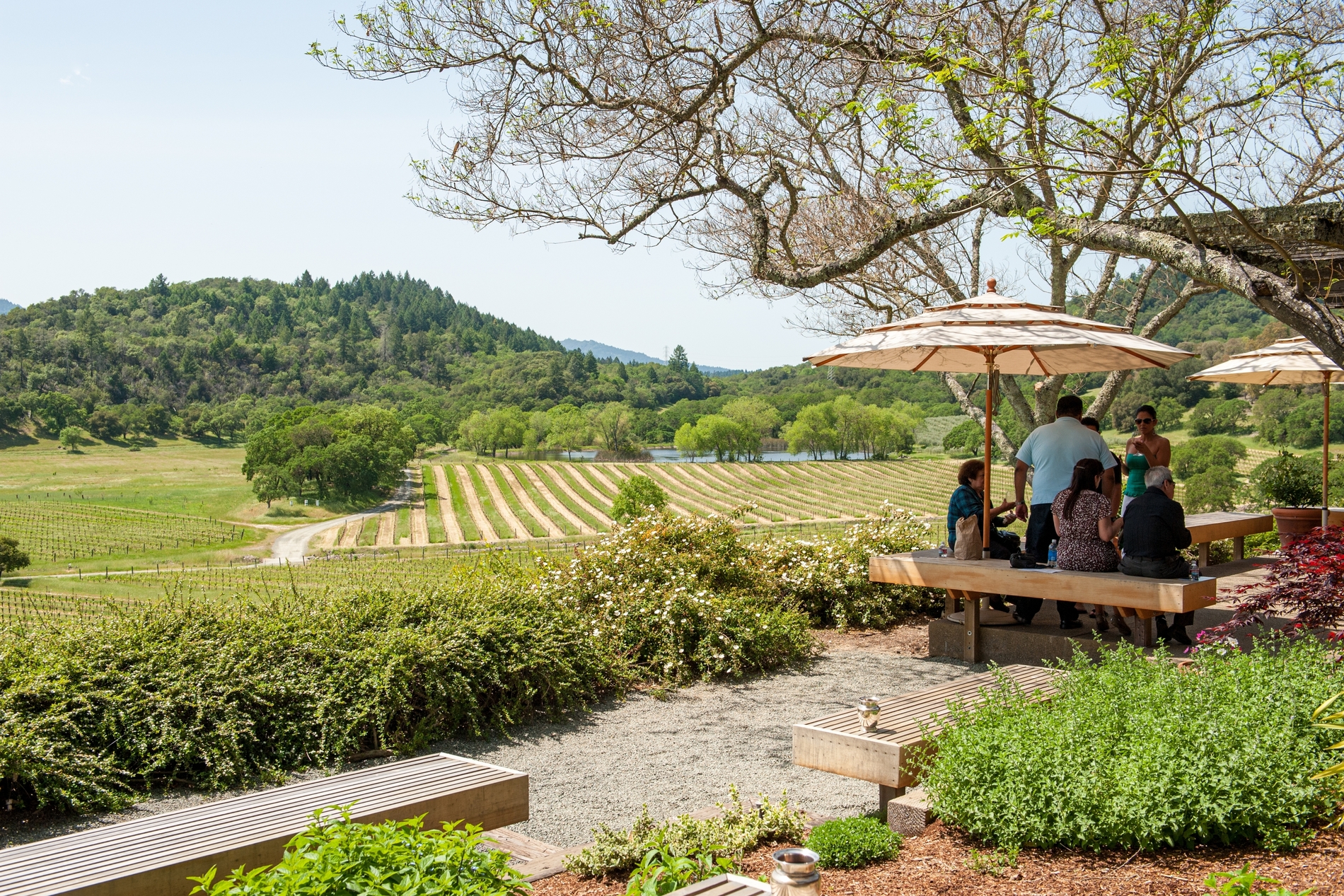
Napa rewards couples who embrace its unhurried rhythm. Mornings begin with pastries from a local bakery and a stroll through vineyards still cool with dew. Midday invites long tastings, shaded terraces, and leisurely lunches that stretch into the afternoon. Evenings belong to candlelit patios where the air smells of rosemary and warm earth. You move from estate to estate not with urgency, but with curiosity, letting each glass guide the next stop. The valley leads with generosity, offering flavors that unfold slowly, like a well‑aged vintage.
What You Carry Home
Couples remember the brightness of their first Sauvignon Blanc, the warmth of a meal eaten under an olive tree, the way a single sip could capture the essence of a valley. They remember the glow of tasting rooms at dusk, the softness of the hills, the intimacy of discovering new flavors together. But the deeper imprint is harmony. Napa teaches lovers that great food and wine aren’t about extravagance—they’re about balance, patience, and the joy of savoring something crafted with care.