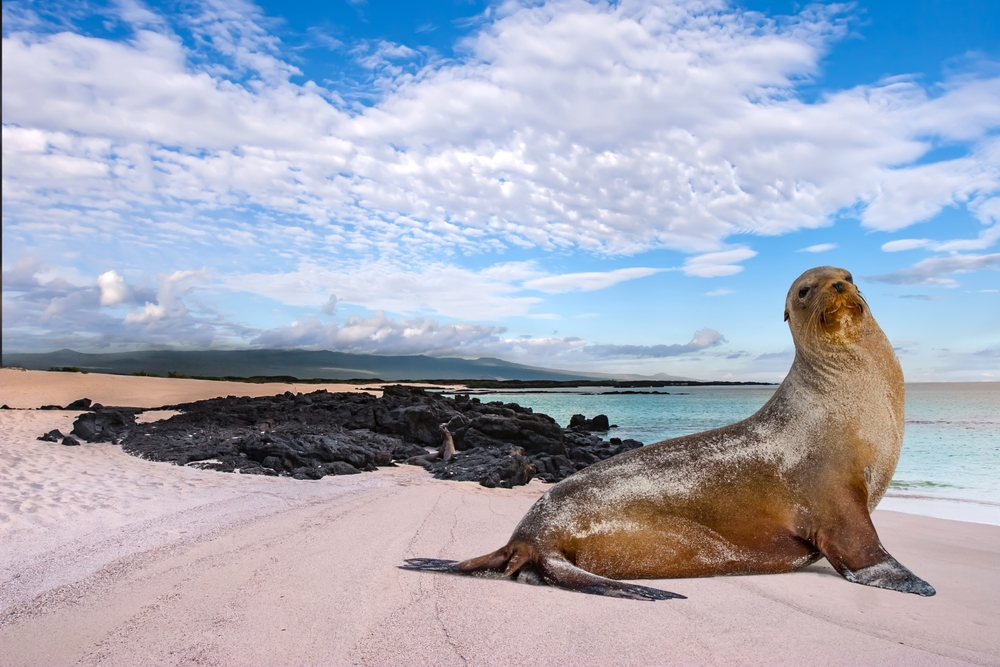

Few places on Earth feel as alive, surprising, and enchanting as the Galápagos Islands. Located in the Pacific Ocean about 1,000 km off the coast of Ecuador, this remarkable archipelago is famous for its fearless wildlife, stunning volcanic landscapes, and the powerful role it played in shaping modern science. But beyond its scientific importance, the Galápagos offers something truly magical: close, unforgettable encounters with animals that seem almost as curious about you as you are about them.
Let’s explore why wildlife experiences in the Galápagos feel so special—and why travelers often say it’s one of the most extraordinary destinations in the world.
A Place Where Animals Aren’t Afraid of People
One of the first things visitors notice in the Galápagos is how comfortable animals are around humans. Unlike many wildlife destinations where animals run away at the slightest movement, many Galápagos creatures simply carry on with their day.
You might walk along a beach and find a group of Galápagos Sea Lion pups playing just a few feet away, or step carefully around a resting Marine Iguana sunbathing on the rocks.
This unique behavior exists largely because the islands evolved without natural land predators. As a result, animals never developed the instinctive fear of humans seen elsewhere.
The effect is magical—you’re not just observing wildlife from afar; you’re sharing their world.
Swimming with Wildlife
The magic doesn’t stop on land. The waters around the islands are just as vibrant.
Snorkelers often find themselves surrounded by playful Galápagos Sea Lion pups darting through the water like underwater acrobats. In the same swim, you might spot graceful Green Sea Turtle gliding peacefully or schools of colorful reef fish shimmering beneath the surface.
On some dives, lucky visitors even encounter the majestic Whale Shark, the largest fish in the ocean.
These underwater meetings feel less like watching wildlife and more like being welcomed into an aquatic neighborhood.
Walking Among Living History
The Galápagos is often called a “living laboratory,” largely thanks to the work of Charles Darwin, whose visit in 1835 helped inspire his groundbreaking theory of evolution.
Today, travelers can see the very animals that influenced his thinking. Giant Galápagos Tortoise roam highland forests, sometimes weighing more than 250 kg and living over 100 years.
Nearby, the famous Darwin’s Finches hop between branches. Though small and easy to overlook, these birds played a huge role in shaping Darwin’s ideas about natural selection.
Seeing these species in their natural environment creates a powerful connection between science, history, and nature.
Birds That Perform Like They’re on Stage
Bird lovers find the Galápagos especially thrilling. The islands host many species that behave in wonderfully dramatic ways.
The bright blue feet of the Blue-footed Booby become the star of a comical mating dance where males lift their feet one at a time to impress potential partners.
Meanwhile, the magnificent Magnificent Frigatebird inflates its bright red throat pouch like a balloon to attract mates.
Watching these displays feels like nature’s version of a live theater performance.
Landscapes That Feel Like Another Planet
Wildlife encounters are even more memorable because of the islands’ dramatic scenery.
Black lava fields, turquoise bays, cactus forests, and white-sand beaches create striking contrasts. Some islands look almost prehistoric, with marine iguanas crawling across volcanic rock while seabirds circle overhead.
Many travelers say certain areas feel like stepping onto another planet—a raw, untamed environment where nature still dominates.
A Delicate Ecosystem Worth Protecting
Despite its beauty, the Galápagos ecosystem is fragile. Strict conservation efforts led by the Galápagos National Park help protect the islands’ unique species and habitats.
Visitors follow guidelines such as staying on marked trails, keeping distance from animals, and traveling with certified guides. These rules ensure that future generations will still experience the same magical encounters.
In fact, the Galápagos is recognized globally as a conservation treasure and was among the first places ever listed as a UNESCO World Heritage Site.
Why the Galápagos Feels Truly Magical?
What makes wildlife encounters in the Galápagos unforgettable isn’t just the number of animals—it’s the intimacy of the experience.
You’re not watching wildlife from behind fences or from a distant safari vehicle. Instead, you’re quietly walking the same trails, snorkeling the same waters, and sharing the same beaches.
For many visitors, the moment they lock eyes with a curious sea lion pup or stand beside a giant tortoise slowly crossing a path is when the magic truly sinks in.
And once you experience it, the Galápagos never quite leaves your memory.