

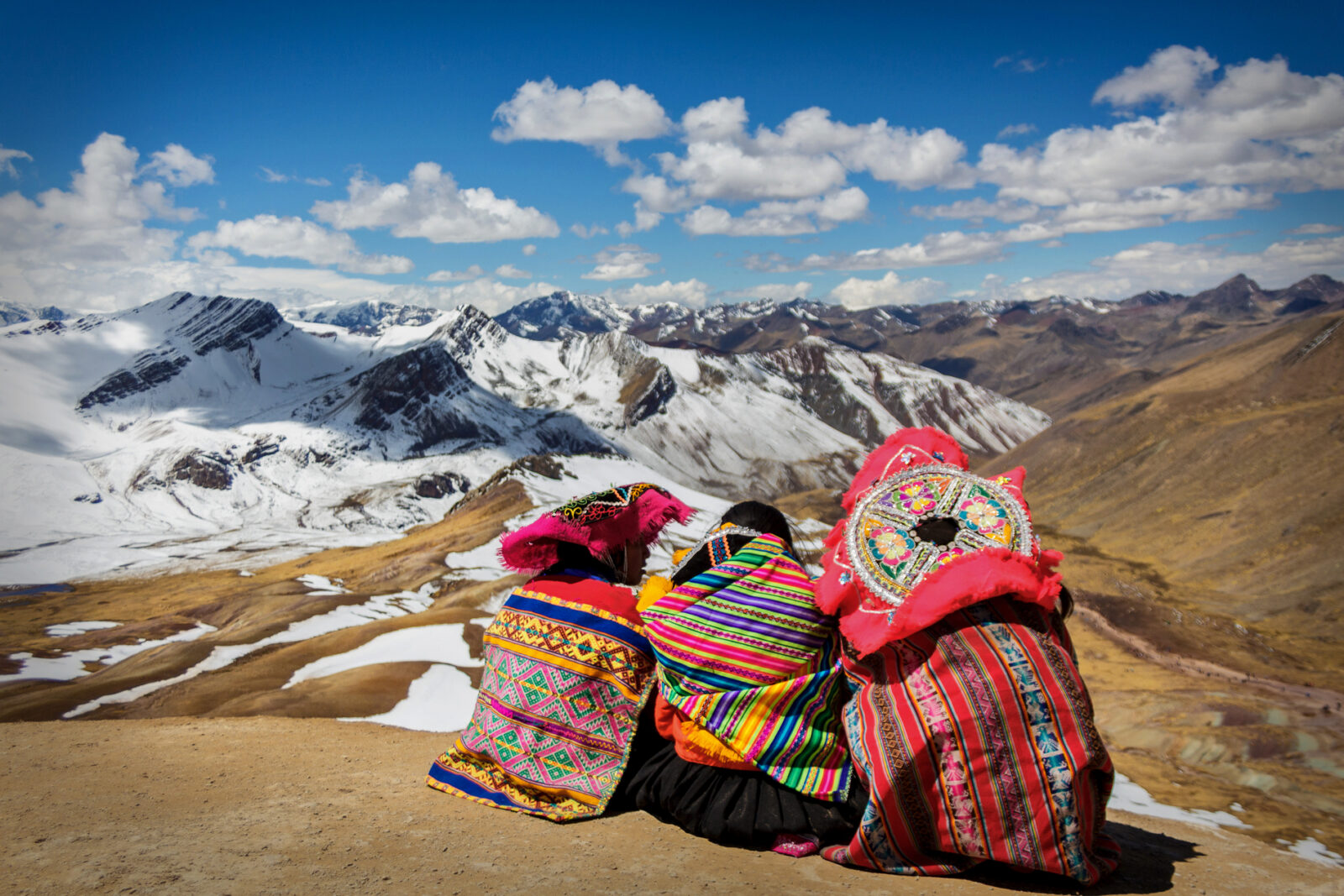
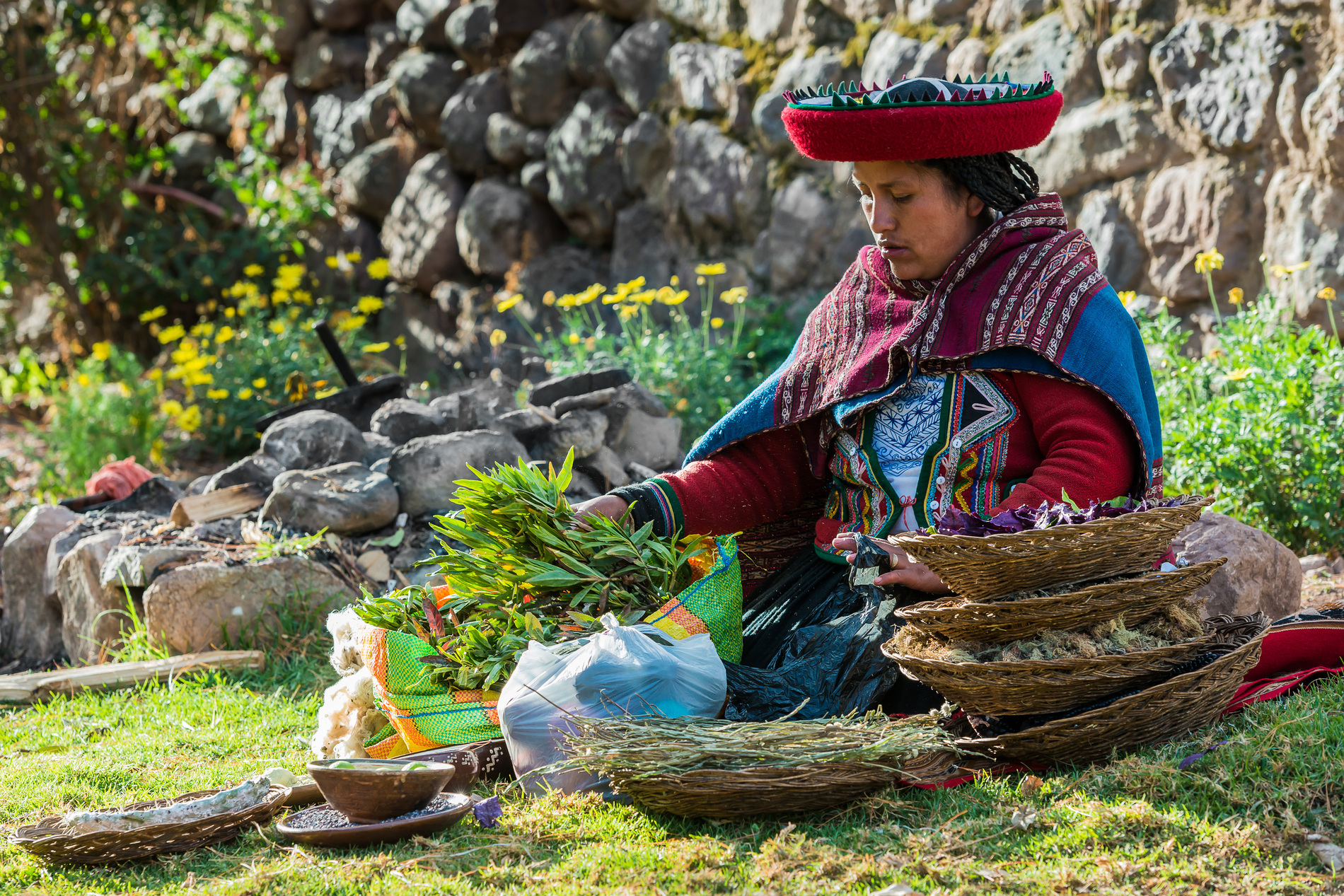
Dawn breaks slowly over the Andean highlands, the first light catching on terraces carved into mountainsides centuries ago. You walk along a narrow path lined with muña and wild chamomile, their scents rising in the cool air like a quiet invocation. A Quechua healer waits beside a small stone altar, bundles of herbs laid out with deliberate care. She crushes a handful of huacatay between her palms, releasing a sharp, mint‑like aroma that cuts through the thin mountain air. As she hands it to you, the valley below fills with birdsong. In that moment, you feel the Andes speaking through plants—ancient, grounded, and deeply alive.
The Andean world moves at a rhythm shaped by altitude, ritual, and the quiet authority of the land. Villages cling to mountainsides, smoke rising from adobe kitchens where herbs simmer in clay pots. Markets overflow with bundles of eucalyptus, coca leaves, and roots pulled from high‑altitude soils. Traditional medicine here isn’t a revival; it’s a continuum. The atmosphere feels both practical and sacred—healers working with the same plants their ancestors used, guided by intuition, lineage, and the belief that wellness begins with balance.
There’s a humility to the landscape, a sense that every plant carries a story.
Where Plants Become Teachers
Andean herbal medicine is rooted in reciprocity—between body and earth, illness and insight, human and mountain. Coca leaves, often misunderstood outside the region, are used to ease altitude sickness, soothe digestion, and support stamina. Muña, a fragrant Andean mint, warms the lungs and calms the stomach. Chachacoma helps the body adapt to thin air. Wira wira softens coughs and clears the chest. Each plant has a purpose, a personality, a place in the ecosystem.
You learn by tasting, smelling, touching. A healer places herbs in your hands, explaining their uses not through chemistry but through metaphor—plants that “open the breath,” “warm the blood,” “quiet the mind.” The knowledge feels embodied, not academic.
The Deep Dive
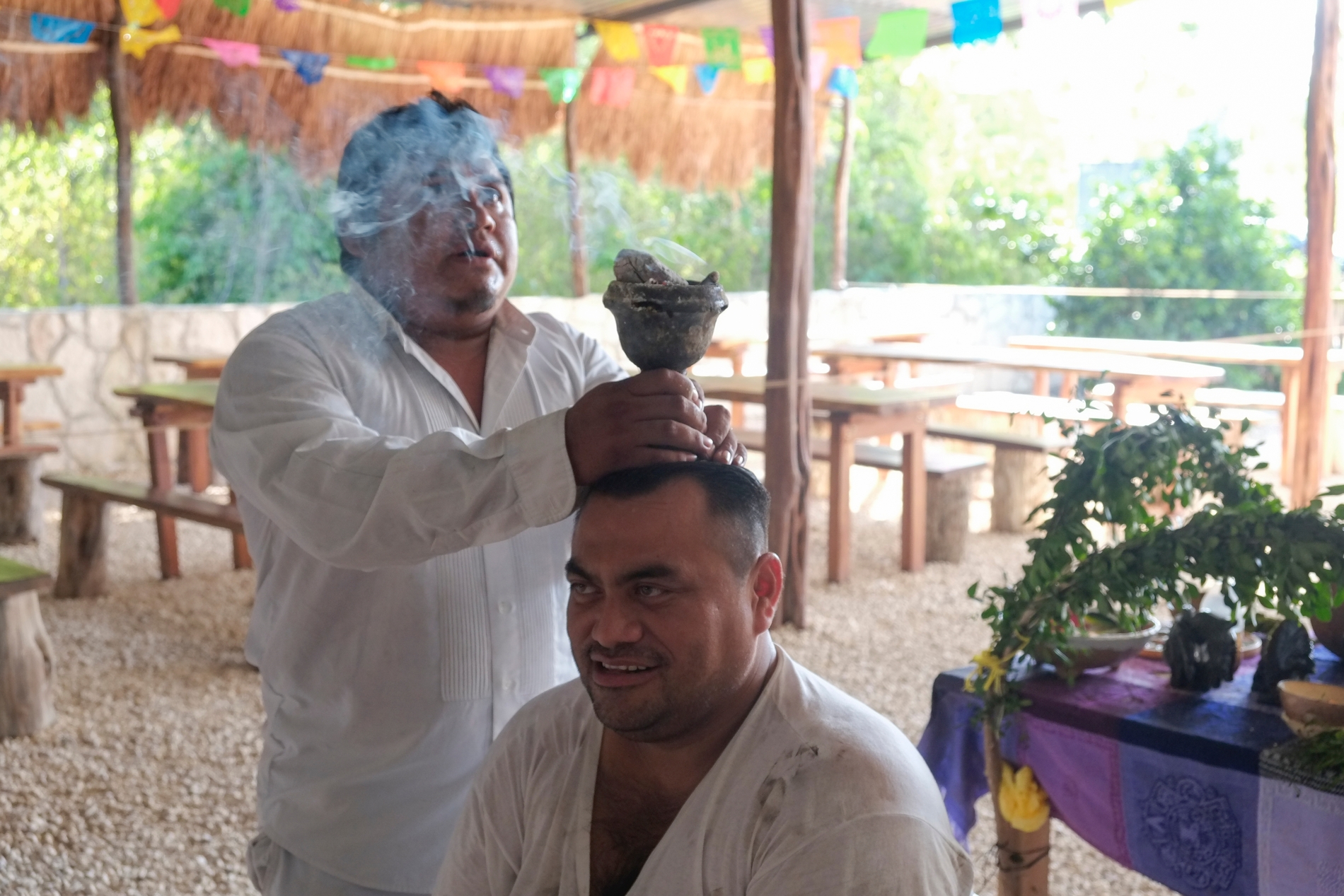
To understand Andean medicine, you step into the spaces where it’s practiced. In Cusco, small apothecaries line the streets, shelves filled with dried leaves, tinctures, and salves. In the Sacred Valley, healers lead ceremonies that blend herbal remedies with energy work, using plants to cleanse, ground, and realign. In remote highland communities, families gather herbs at dawn, offering a few leaves back to the earth in gratitude.
You drink infusions brewed over wood fires—muña for digestion, anís for warmth, manzanilla for calm. You inhale eucalyptus steam in a stone hut, the scent sharp and cleansing. You walk through fields where quinoa flowers sway in the wind, their roots feeding the soil that feeds the people.
Meals become part of the healing: broths infused with herbs, potatoes cooked in earth ovens, teas that taste like the mountains themselves. The body responds quickly—breath deepens, energy steadies, the mind softens.
When the Andes Feel Most Potent
The dry season—from May to September—reveals the Andes at their clearest. Skies are sharp blue, herbs grow fragrant in the sun, and mountain paths are firm underfoot. This is the season when healers gather plants at their peak potency. The rainy season, though softer and more introspective, offers its own magic—mist‑covered valleys, lush growth, and ceremonies held in warm, firelit rooms.
These are the months when the land feels most alive, when the connection between plant and person becomes unmistakable.
What You Carry Home
The Andes stay with you in scents and sensations: the sharpness of eucalyptus, the warmth of muña, the grounding bitterness of coca tea. But the deeper memory is the philosophy behind it all—the belief that healing is relational, that plants are partners rather than tools, that wellness is woven into the land itself.
Andean herbalism teaches that medicine doesn’t always come in bottles. Sometimes it grows on mountainsides, carried by wind, tended by ancestors, waiting for you to listen.