

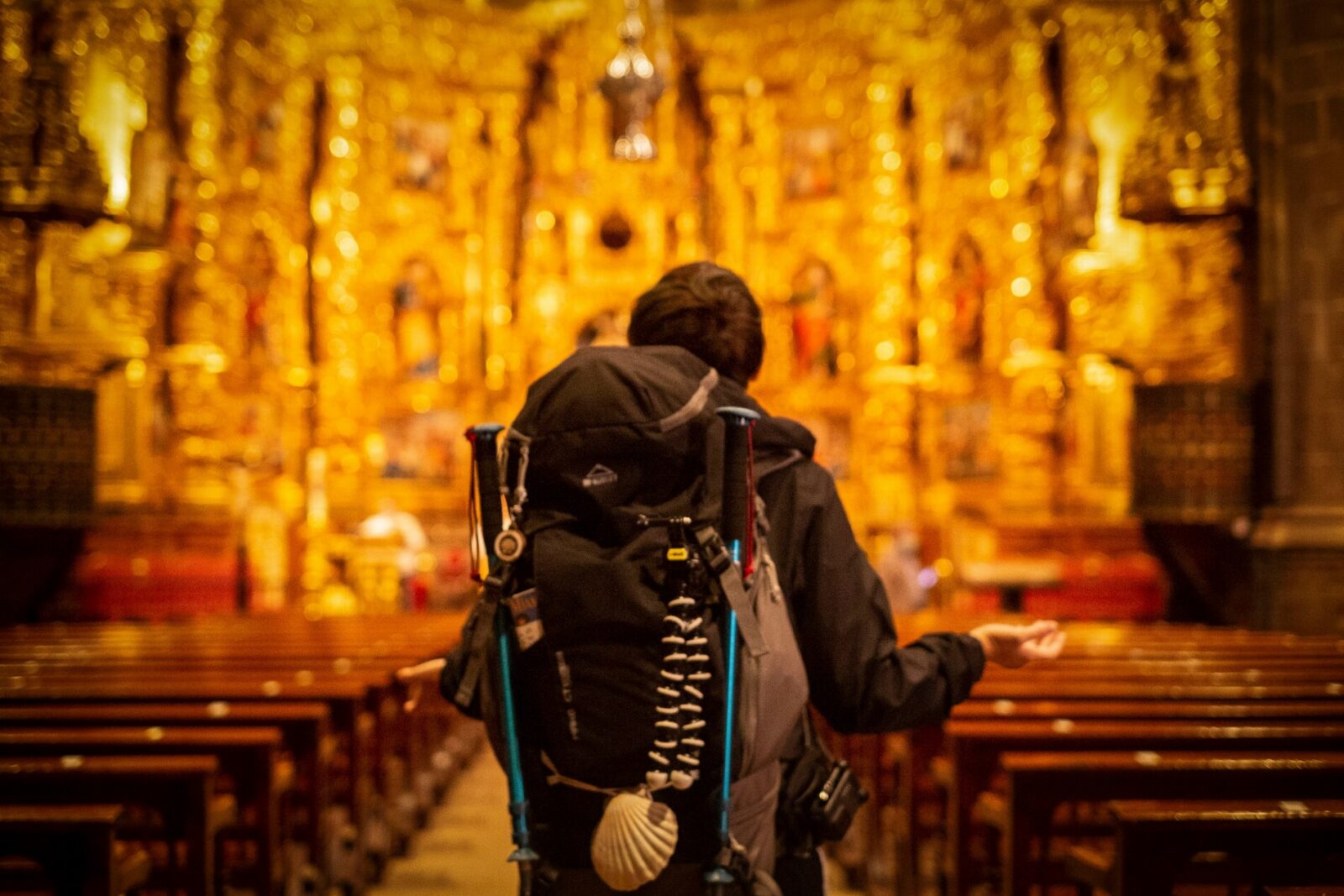
Dawn breaks slowly over the Galician hills, washing the landscape in a muted gold that feels almost sacred. The air is cool enough to sting your lungs on the first inhale, carrying the scent of damp earth and eucalyptus. You tighten the straps of your pack, place one foot on the worn stone path, and begin walking. No chatter. No headphones. Just the steady rhythm of your breath and the soft crunch of gravel beneath your boots. On the Camino de Santiago, silence isn’t an absence—it’s a companion, one that reveals itself mile by mile as the world around you settles into a quieter, more deliberate pace.
The Path as a Moving Meditation
Walking the Camino in silence changes the nature of the journey. Without conversation or distraction, your senses sharpen. You notice the way morning fog clings to the fields, how the light shifts as the sun climbs, how your footsteps echo differently on dirt, stone, and forest floor. The Camino becomes a kind of moving meditation—each step a reminder to stay present, each breath a small act of grounding.
The mind, so used to racing, begins to slow. Thoughts rise and fall like waves, losing their urgency. You start to hear the subtler layers of the landscape: the rustle of wind through chestnut trees, the distant call of church bells, the soft murmur of streams crossing the path. Silence becomes a teacher, guiding you inward as the trail guides you forward.
The Landscape That Holds You
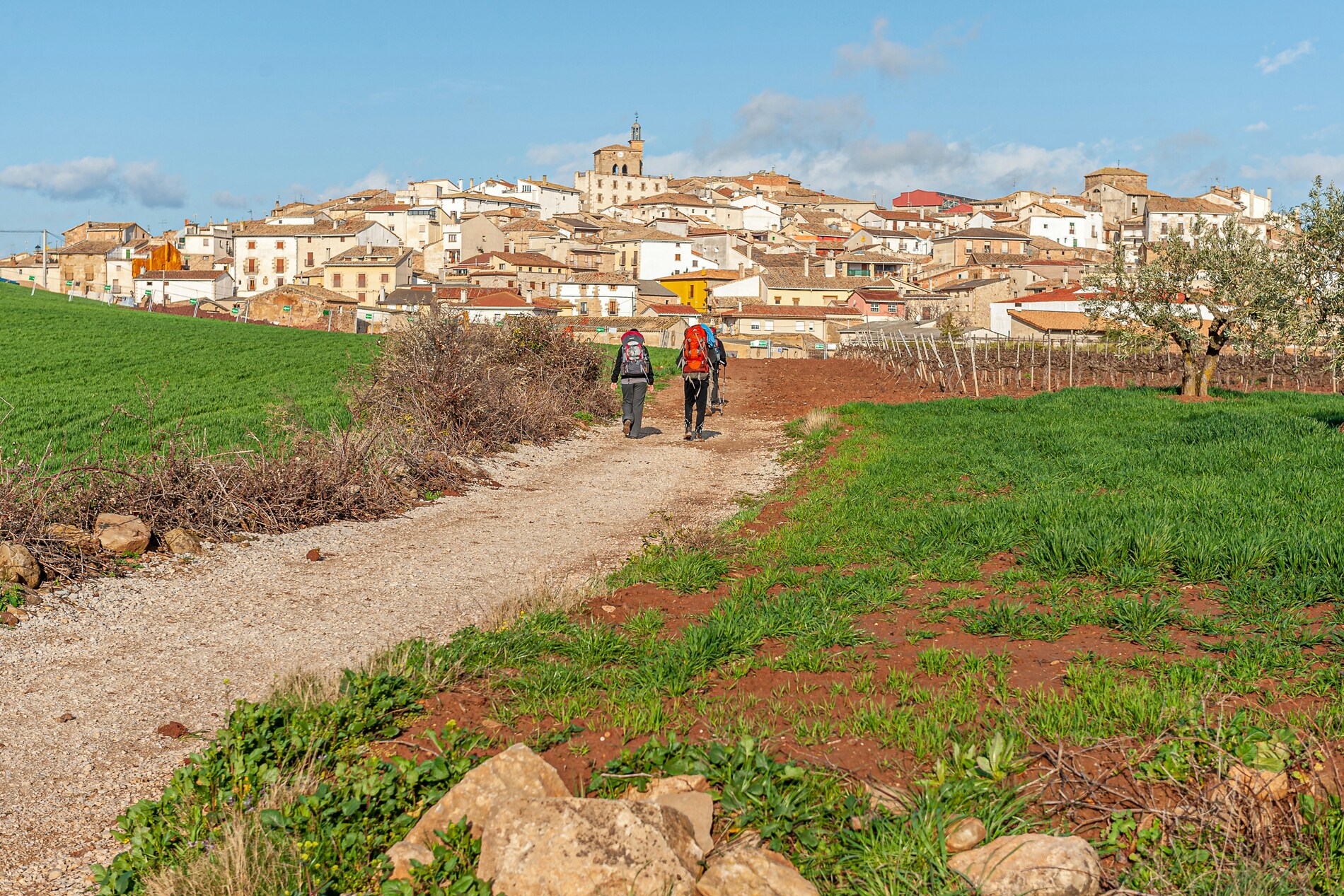
The Camino is not one landscape but many. Wheat fields ripple in the Castilian plains. Vineyards stretch across La Rioja in neat, sun‑soaked rows. Galicia’s forests feel ancient, their moss‑covered stones glowing green after rain. Each region carries its own rhythm, its own emotional texture.
Walking in silence allows these shifts to imprint themselves more deeply. You feel the openness of the meseta in your chest, the density of the forests in your breath, the softness of coastal breezes on your skin. The body becomes a barometer for the land, responding instinctively to its contours and moods.
The Inner Journey Unfolds
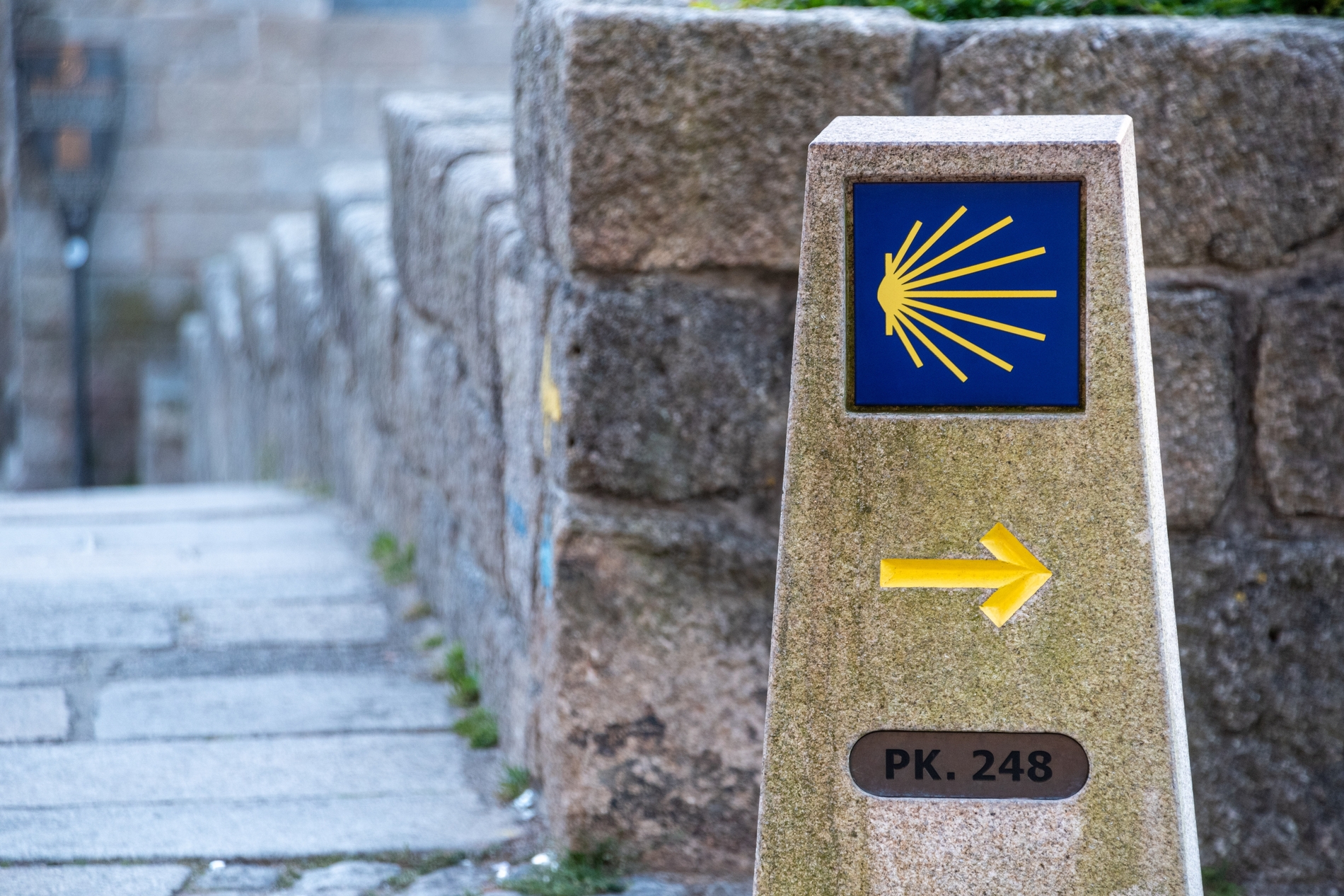
Somewhere between long stretches of solitude and the steady cadence of walking, something inside begins to loosen. Old worries surface, then dissolve. Questions you’ve avoided rise gently, without pressure. The Camino has a way of creating space—mental, emotional, spiritual—simply through repetition and quiet.
You start to understand why pilgrims for centuries have walked this route not just for religious reasons, but for clarity. The silence doesn’t demand answers. It simply makes room for them.
Encounters That Don’t Break the Quiet
Even on a silent hike, the Camino offers moments of connection. A nod from another pilgrim. A shared smile at a water fountain. The quiet companionship of walking near someone for miles without speaking. These interactions feel different—lighter, more intentional. They remind you that silence isn’t isolation; it’s presence.
In the evenings, albergues glow with soft light. You eat simple meals—bread, soup, local wine—often still in contemplative quiet. The body rests. The mind settles. The Camino’s rhythm continues even when you’re no longer on the trail.
Arriving in Santiago
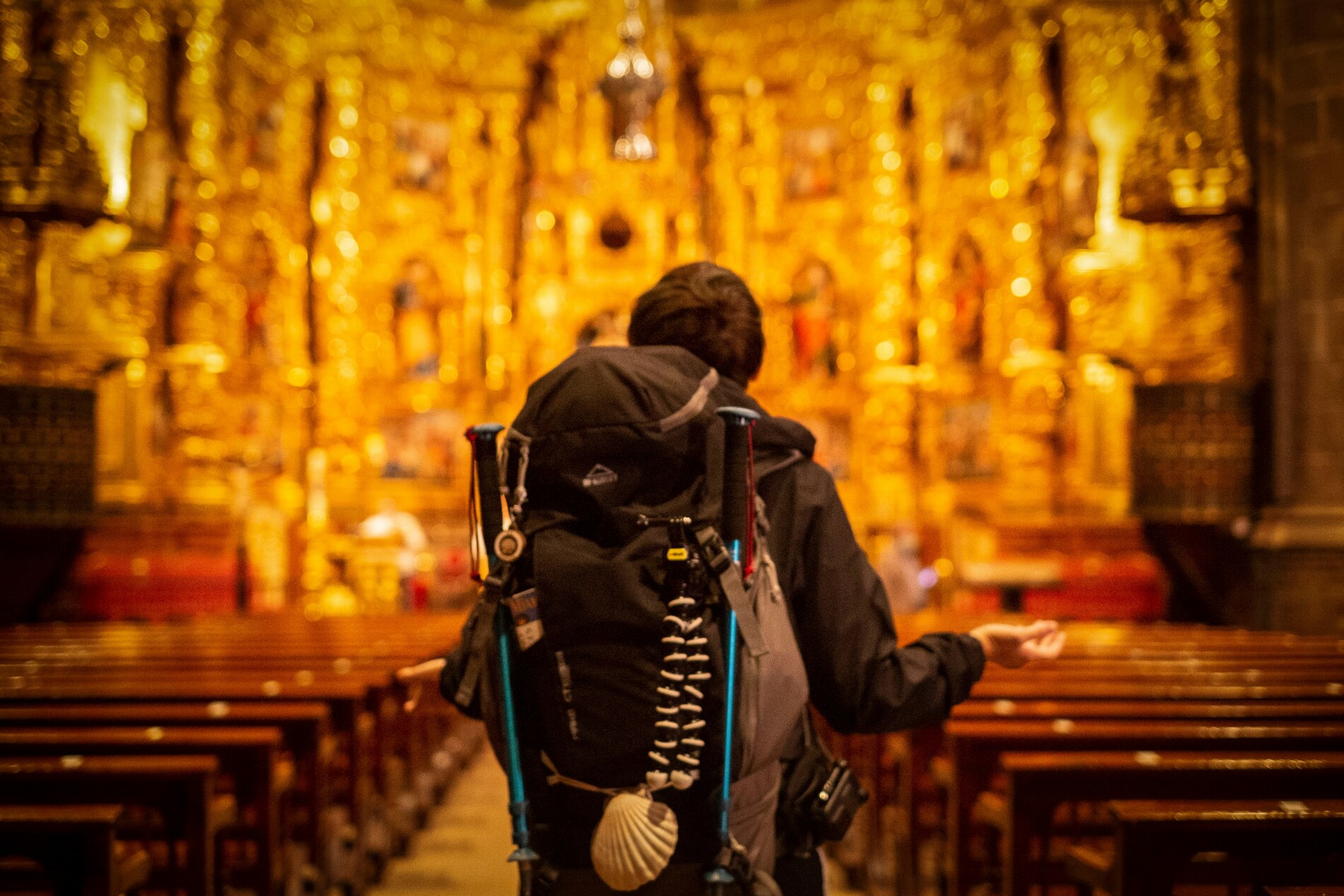
When you finally reach the cathedral in Santiago de Compostela, the moment feels both monumental and understated. The square opens before you, filled with pilgrims arriving from every direction. Some cry. Some laugh. Some simply sit on the stones, letting the weight of the journey settle.
For those who walked in silence, the arrival carries a particular resonance. The noise of the city feels louder, the world more vivid. You realize how deeply the quiet has shaped you—how it has carved out space inside you that you didn’t know you needed.
What El Camino Leaves Within You
A silent walk along the Camino de Santiago is less about reaching a destination and more about learning to inhabit your own inner landscape with gentleness. The trail teaches patience. The silence teaches presence. Together, they create a kind of clarity that lingers long after the journey ends.
You return home with a quieter mind, a steadier breath, and a memory of mornings when the world felt simple: just you, the path, and the soft rhythm of your footsteps carrying you forward.