

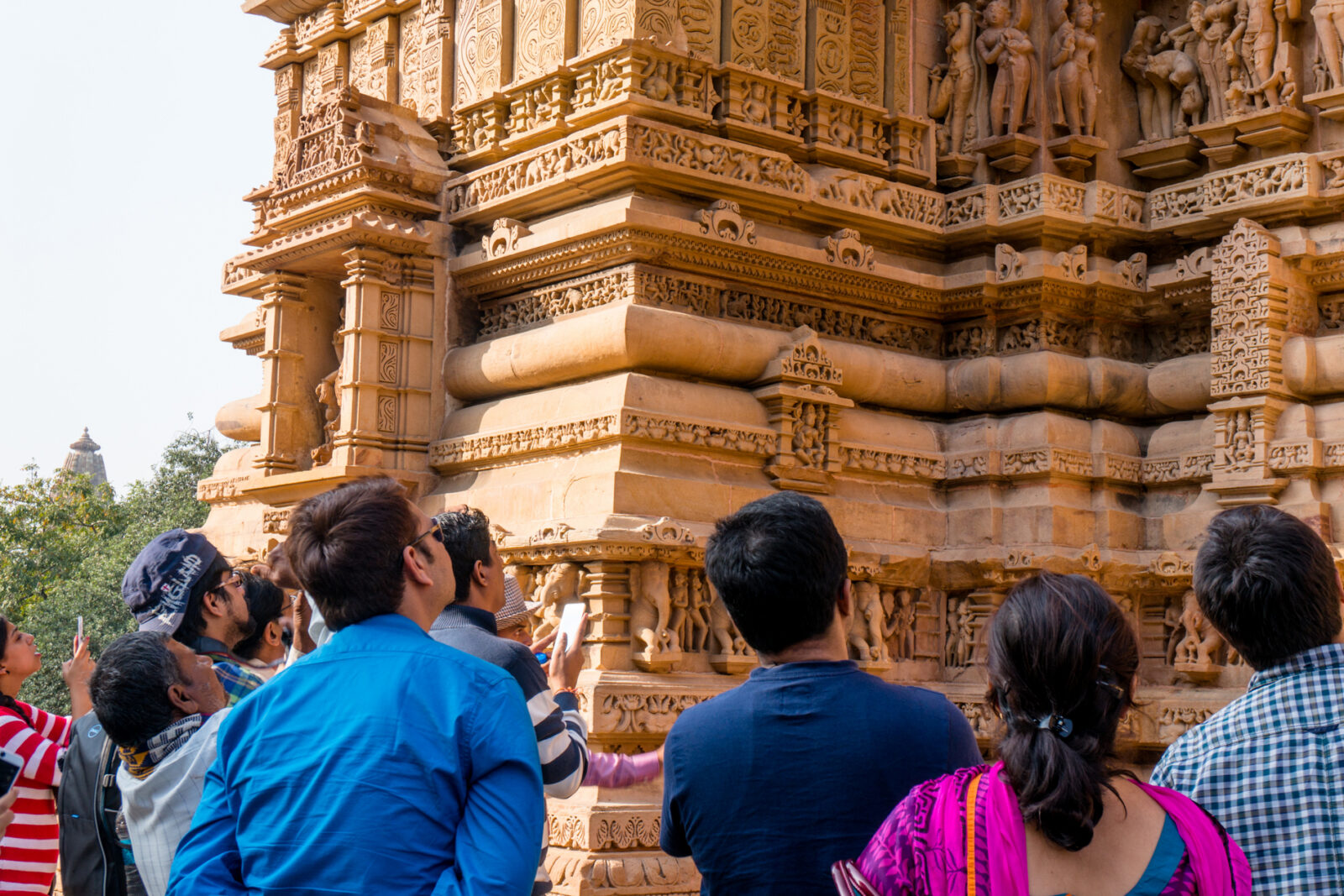
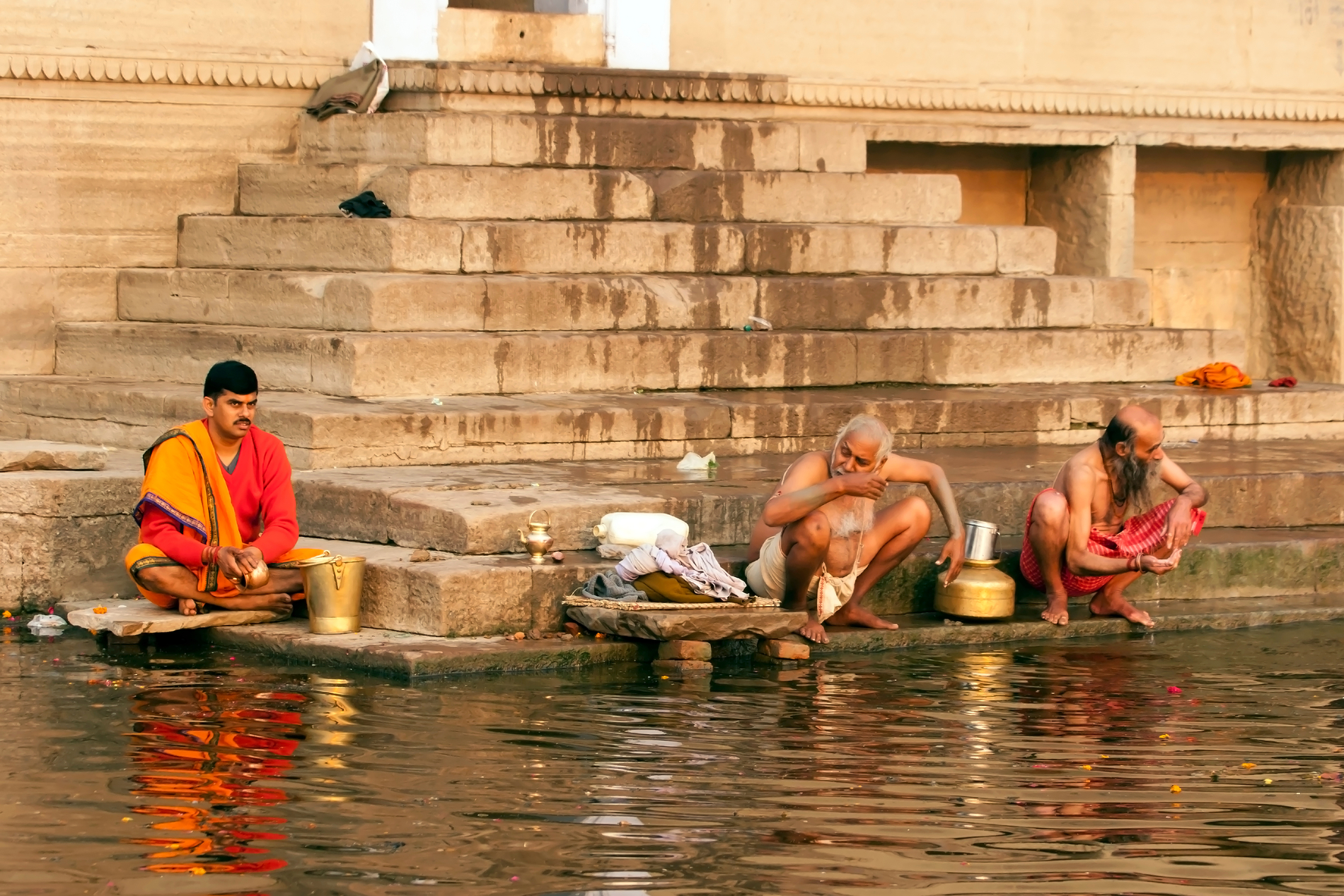
Just before sunrise in Rishikesh, the Ganges moves with a quiet insistence—silver in the early light, cool mist rising from its surface. Bells echo from a nearby ashram, their tones drifting across the river like soft ripples. You sit on the stone steps leading to the water, feeling the warmth of a small clay lamp beside you. A saffron‑robed guide murmurs a blessing, and for a moment the world narrows to breath, sound, and the faint scent of sandalwood. This is where chakra work begins in India: not in theory, but in sensation—heat on the skin, vibration in the chest, the subtle shift that happens when a place invites you to pay attention.
Where Energy and Landscape Intertwine
India’s spiritual hubs are not accidental. They sit in landscapes that feel charged—mountain foothills, desert temples, coastal shrines where the air tastes of salt and incense. Rishikesh, Varanasi, Dharamshala, Pondicherry—each carries its own frequency, shaped by centuries of ritual and the natural elements surrounding it.
Walking through these places, you feel the body respond. Shoulders loosen. Breath deepens. Thoughts slow. The environment becomes part of the practice, nudging the nervous system into a quieter rhythm. Chakra cleansing here isn’t a performance; it’s a conversation between your inner landscape and the world around you.
Rooting Down in Rishikesh
In the foothills of the Himalayas, the root chakra finds its grounding. The earth feels solid beneath your feet, the river steady and cold. Morning yoga sessions unfold on open terraces overlooking the water. The sound of chanting rises from ashrams tucked into the hills. You move slowly, matching breath to movement, feeling the spine lengthen and the mind settle.
There’s a simplicity to life here—barefoot walks, vegetarian meals, long stretches of silence—that helps the body remember what stability feels like. The grounding isn’t metaphorical; it’s physical, immediate, unmistakable.
Opening the Heart in Dharamshala
Higher in the mountains, the air thins and cools. Prayer flags flutter across narrow paths, their colors bright against the mist. Dharamshala carries a softness that invites emotional release. Meditation halls glow with warm light. Tibetan singing bowls vibrate through the chest, loosening whatever has been held too tightly.
You sit on a cushion, eyes closed, listening to the low hum of chanting. The heart chakra responds to this gentleness—the mountain air, the quiet, the sense of being held by a place that understands the weight of human emotion.
Fire and Clarity in Varanasi
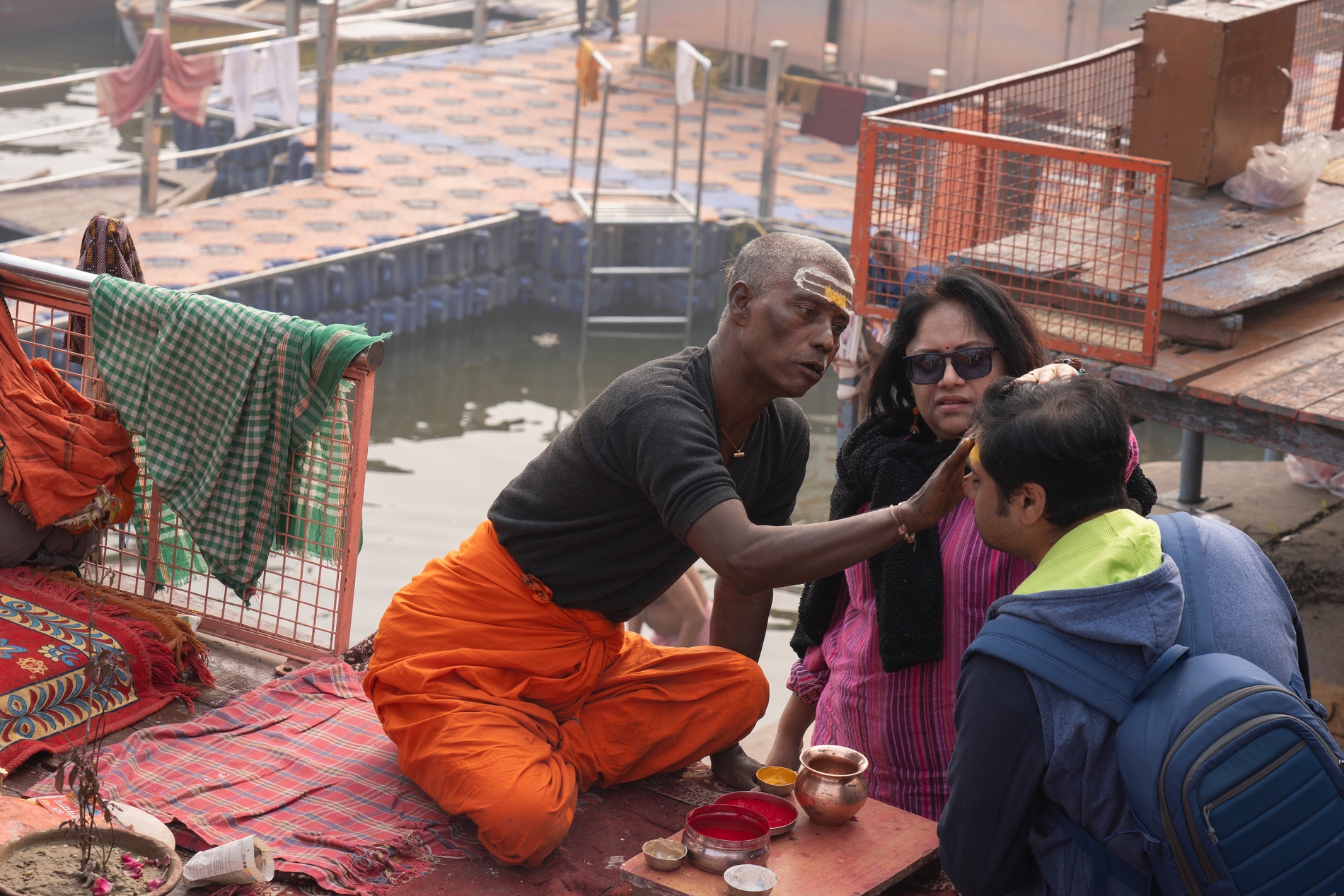
Varanasi is different. The city vibrates with intensity—flame, ritual, sound. The solar plexus chakra, the seat of personal power, wakes up here. You walk along the ghats at dawn, watching priests perform fire ceremonies that illuminate the river in gold. The air is thick with incense and devotion.
It’s a place that asks you to confront yourself. To sit with discomfort. To let the heat of the city burn through old patterns. The clarity that follows feels earned, like a truth rising from deep within.
Flow and Release by the Sea
Far to the south, the coastal towns of Tamil Nadu and Kerala offer a different kind of cleansing. The sacral and throat chakras respond to movement and expression, and the ocean provides both. Waves crash rhythmically against the shore. Ayurvedic practitioners apply warm oils in long, sweeping strokes that coax tension from the body.
You speak more freely here. You breathe more deeply. The sea has a way of pulling emotion to the surface, then carrying it away with the tide.
What You Bring Home
Chakra cleansing in India is not a checklist of rituals. It’s a sensory journey—heat, sound, breath, landscape—woven through places that have held spiritual practice for centuries. You leave with a body that feels lighter, a mind that feels clearer, and an inner map that makes more sense than it did before.
Long after you’ve returned home, you’ll remember the cool stone steps by the Ganges, the mountain air in Dharamshala, the firelit mornings in Varanasi. These places stay with you, not as destinations, but as anchors—reminders of what alignment feels like when the world slows down and the self finally listens.