

The wooden sword feels surprisingly solid in your child’s hands. Sunlight spills across the training yard, warming the sand as a costumed instructor—part historian, part performer—demonstrates a defensive stance straight out of ancient Rome. Kids gather in a semicircle, eyes wide, helmets slightly askew, waiting for their turn to shout “Ave!” and step into the arena. A moment later, they’re sparring with padded weapons, laughing, learning, and—without realizing it—absorbing two thousand years of history through movement and play.
A visit to a Roman gladiator school isn’t a museum tour. It’s a full‑body immersion into a world kids usually encounter only in textbooks or movies. The atmosphere is warm, theatrical, and surprisingly intimate. Instructors speak with the enthusiasm of storytellers, weaving tales of emperors, arenas, and ancient training rituals while children practice footwork in the same dust where gladiators once drilled.
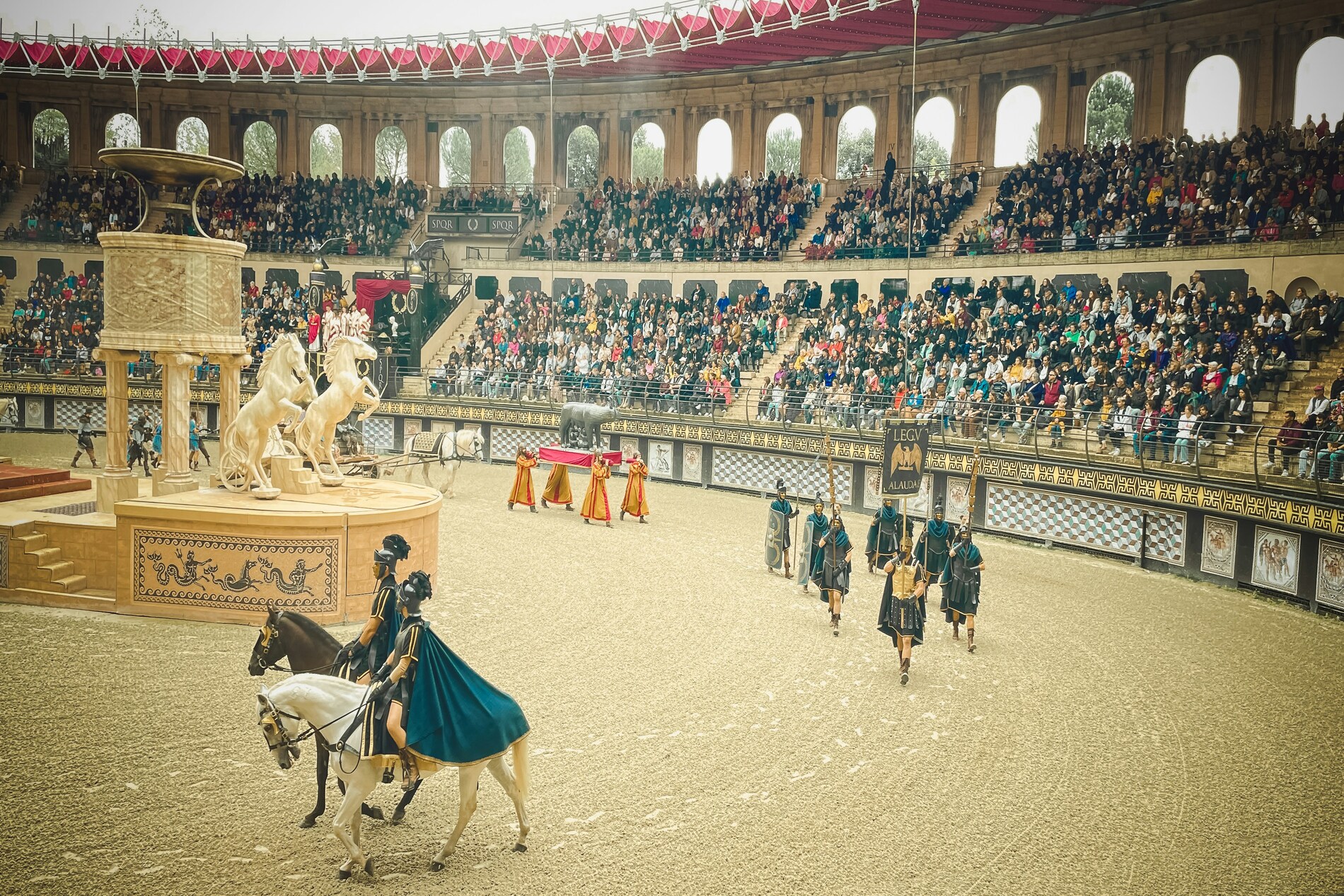
There’s a tactile richness to the experience. Kids try on tunics and leather belts. They learn how shields were held, how helmets limited vision, how teamwork mattered even in an arena built for spectacle. The setting—often just outside Rome’s historic center—feels like a small pocket of time travel, where the past becomes something you can touch, swing, and laugh your way through.
Transforming History into Movement
The magic of the gladiator school lies in how it transforms history into something kinetic. Instead of memorizing dates, kids learn through doing. They march in formation, practice basic combat moves, and discover that gladiators weren’t just fighters—they were athletes with strict diets, training regimens, and codes of honor.
Instructors explain the difference between a retiarius with his net and trident, a secutor with his heavy shield, and a murmillo with his distinctive helmet. Kids handle replicas of each, feeling the weight and imagining what it meant to step into an arena with thousands watching.
The lessons go beyond combat. Children learn about Roman engineering, the structure of the Colosseum, and the daily life of ancient families. They hear stories of real gladiators—some enslaved, some volunteers—who became celebrities of their time. The narrative is honest but age‑appropriate, balancing excitement with context.
And then comes the finale: a mock battle. Parents cheer from the sidelines as kids face off in friendly duels, applying everything they’ve learned. It’s theatrical, safe, and wildly fun—an unforgettable blend of education and play.
Commanding the Morning Sessions
The gladiator school shines in the cooler months, when Rome’s heat softens and outdoor training feels comfortable. Mornings offer the best light and the most focused energy from younger participants. Sessions typically run one to two hours—long enough to immerse, short enough to keep attention sharp.
The key is to let kids lead the pace. Some dive into the physical challenges; others gravitate toward the storytelling. Both approaches work beautifully. Wear comfortable shoes, bring water, and leave room in the day for a slow walk around the nearby Appian Way—another living chapter of Roman history.
What You Carry Home
Kids leave the gladiator school with more than a certificate and a wooden sword. They carry a new relationship with history—one built on movement, imagination, and the thrill of stepping into someone else’s sandals for a morning. Parents remember the laughter, the earnest concentration on their child’s face, the way the past suddenly felt close enough to touch.
The deeper imprint is the connection. Rome becomes more than ruins and marble. It becomes a place where stories breathe, where learning feels like play, and where families share a moment of time travel together.