

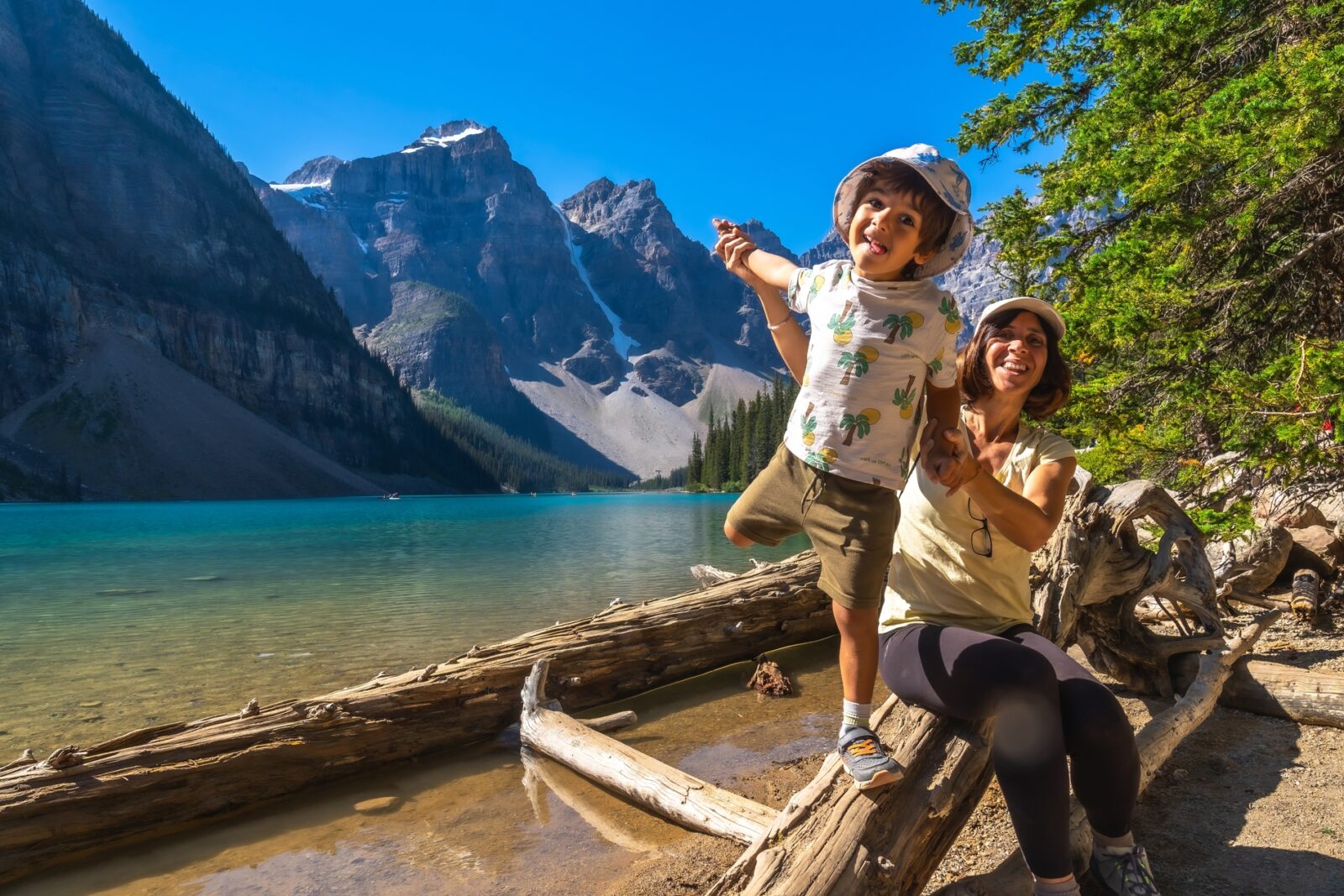
The trail is still cool when your family steps onto it, the morning sun filtering through tall pines in thin, golden beams. Somewhere ahead, a river rushes over smooth stones, its sound steady and reassuring. Your kids race forward, stopping every few steps to point out a chipmunk or a strange‑shaped leaf. You follow at an easier pace, breathing in the scent of damp earth and sun‑warmed bark. This is the quiet magic of America’s national parks—places where families rediscover wonder simply by being outside together.
A Passport to the Wild
The National Park Pass isn’t just a ticket; it’s an invitation. It opens the door to landscapes so varied they feel like different worlds—deserts that glow at sunset, forests that hum with life, mountains that rise like ancient guardians. What makes the pass especially meaningful for families is the freedom it offers. You can explore at your own pace, return to favorite spots, or wander into new ones without worrying about entry fees stacking up.
Each park becomes a chapter in a shared story. Kids begin to recognize the arrowhead logo, spotting it on signs with the excitement usually reserved for theme parks. Parents find themselves reconnecting with the outdoors in a way that feels grounding and restorative.
Adventures for Every Age
National parks are built for families. Trails range from stroller‑friendly boardwalks to more challenging hikes for teens eager to test their legs. In Yosemite, you can walk together to the base of Bridalveil Fall, the mist cooling your skin as the water thunders down. In Zion, the Riverside Walk offers a gentle path along the Virgin River, perfect for little explorers who want to splash at the edges.
Junior Ranger programs turn learning into play. Kids collect booklets at visitor centers, completing activities that teach them about wildlife, geology, and conservation. They earn badges with a sense of pride that feels timeless. Even adults find themselves listening closely during ranger talks, drawn in by stories of volcanic eruptions, migrating herds, and the people who shaped these landscapes.
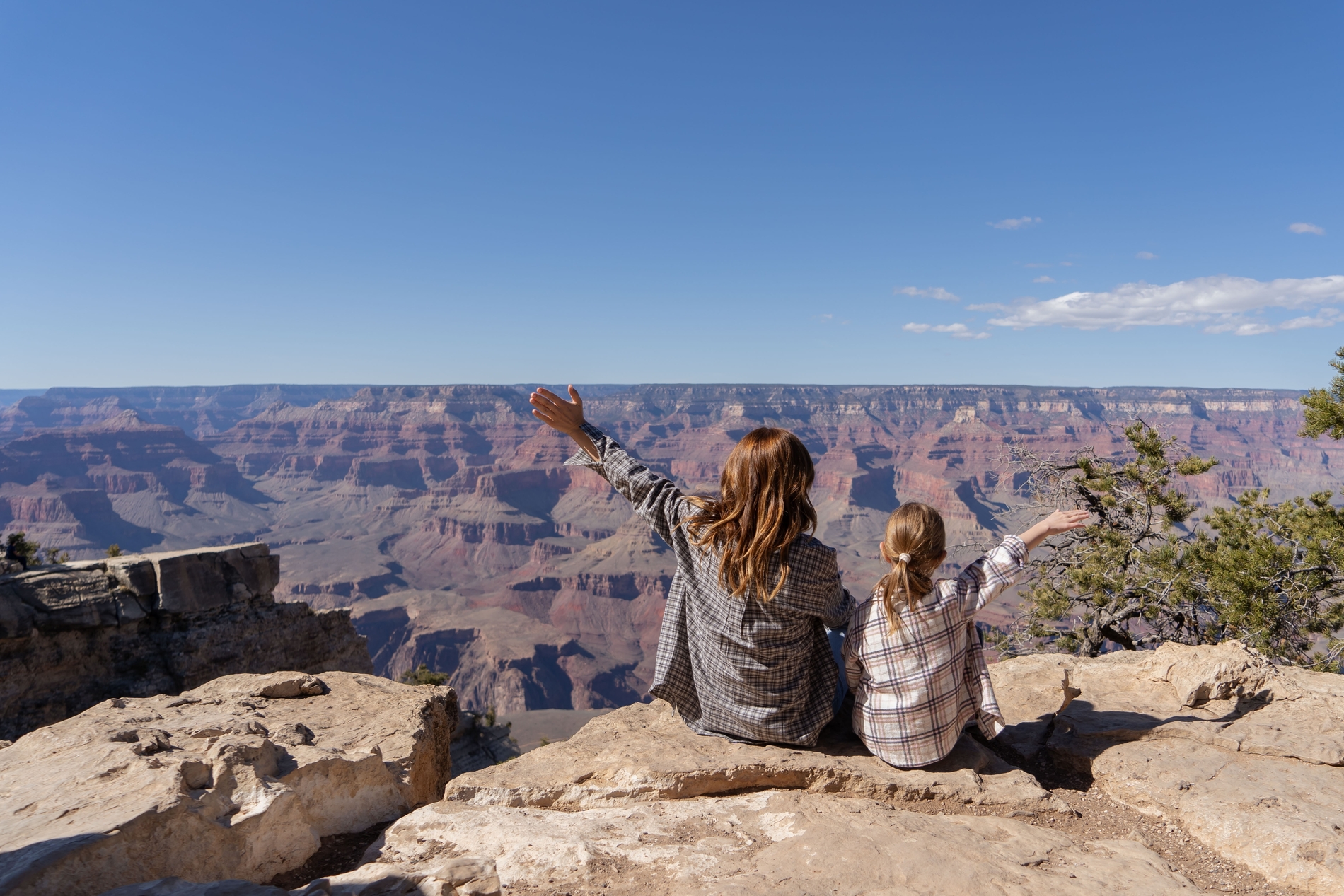
Water lovers find endless joy too. At Acadia, tide pools reveal starfish and tiny crabs. At the Grand Canyon’s North Rim, families gather at overlooks to watch the Colorado River carve its way through stone. In the Everglades, airboat rides skim across sawgrass marshes, the wind whipping through your hair as alligators sun themselves nearby.
The Rhythm of Park Life
Part of the charm of national parks is the way they slow families down. Mornings begin with the sound of birds instead of alarms. Breakfast tastes better when eaten at a picnic table under open sky. Days unfold naturally—maybe a short hike, maybe a scenic drive, maybe an hour spent skipping stones across a lake.
Evenings bring their own kind of magic. Campfires crackle. Marshmallows melt. The sky fills with stars so bright they look close enough to touch. Kids fall asleep quickly, worn out in the best possible way. Parents linger a little longer, listening to the night settle around them.
When the Parks Feel Their Most Alive
Spring and autumn offer mild temperatures and quieter trails, making them ideal for families with young children. Summer brings long days perfect for swimming, stargazing, and ranger‑led programs. Winter transforms certain parks—like Yellowstone or Bryce Canyon—into snowy playgrounds where families can snowshoe, spot wildlife, and experience a different kind of stillness.
What You Carry Home
The memories you make in national parks stay vivid long after the trip ends. You remember the way your child’s face lit up at the sight of a bison. The echo of your footsteps in a canyon. The hush of a forest at dawn. The feeling of being small in a world that is vast, beautiful, and worth protecting.
The National Park Pass isn’t just a guide to America’s natural wonders—it’s a key to shared experiences, to curiosity, to connection. It turns family trips into stories you’ll tell for years, shaped by landscapes that remind you how extraordinary the natural world can be.