

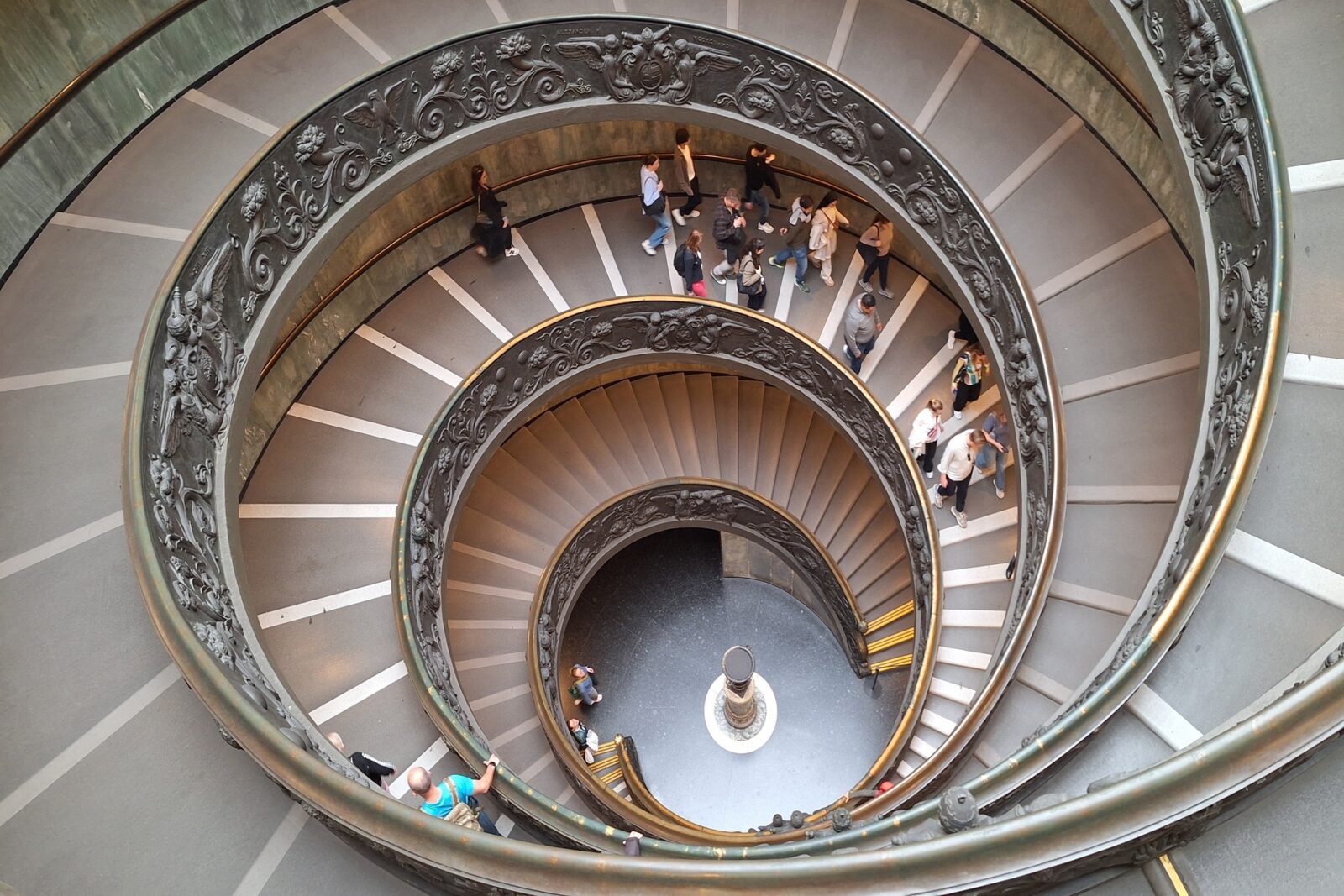
The first thing you notice isn’t the silence—it’s the stillness. A kind of poised quiet that feels curated, intentional, almost reverent. You step through the threshold of the estate and the air shifts: cooler, scented faintly with cedar and varnish, the way old galleries smell just before opening hours. Sunlight pours through clerestory windows, illuminating a Calder mobile suspended above the foyer. A Rothko glows softly on the far wall, its colors deepening as the light moves. A steward hands you a glass of champagne, then disappears with museum‑grade discretion. In this moment—private, hushed, surrounded by masterpieces—you understand the essence of art‑integrated living: not collecting, but inhabiting.
Architecture as Curator
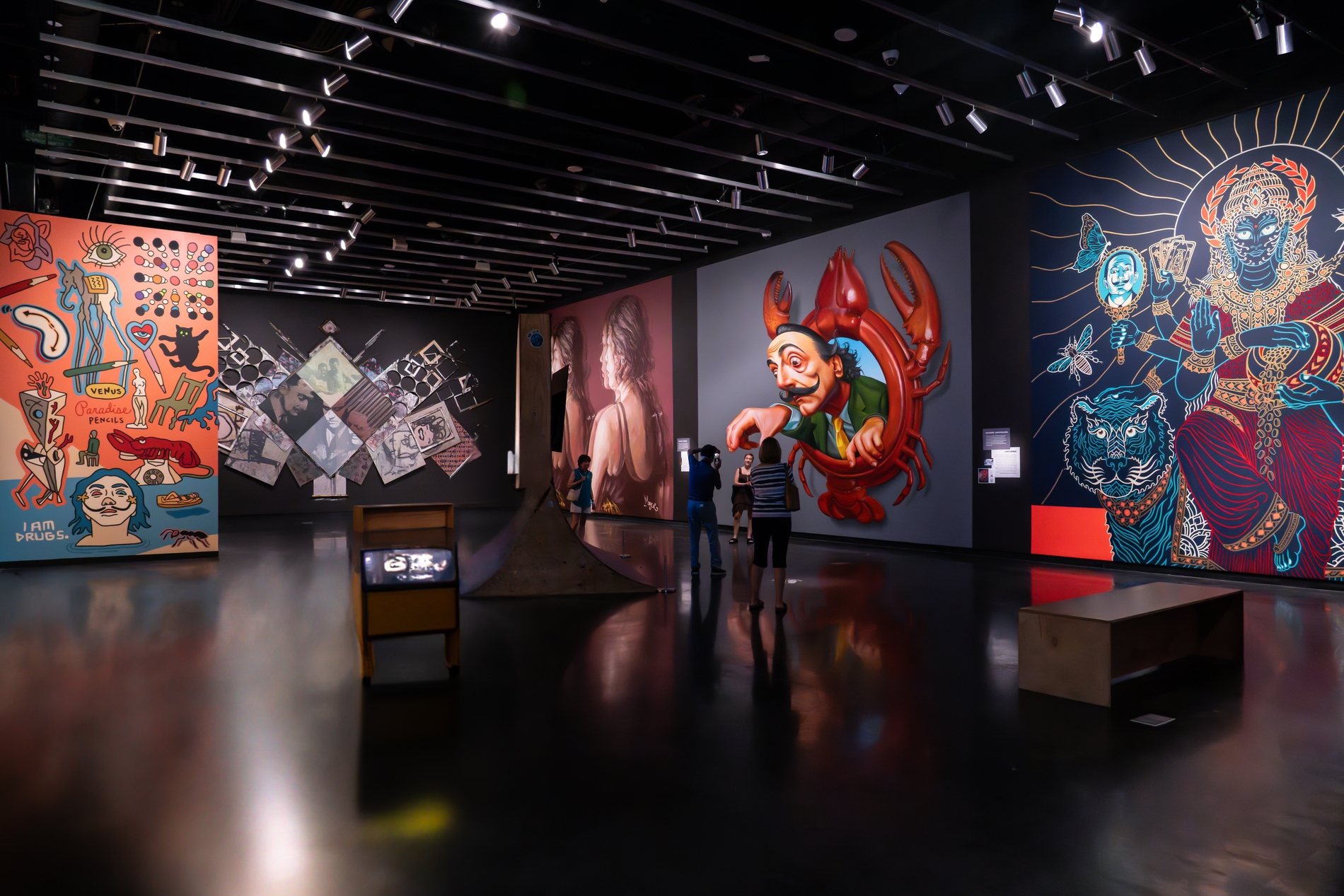
These estates are not homes with art; they are museums with bedrooms. Architects design them with the precision of exhibition halls—floating staircases that frame sculptures, skylights calibrated to protect pigments, climate‑controlled corridors that feel like private wings of the Louvre. Concrete, glass, and stone become neutral canvases, allowing each artwork to command its own space.
Yet the atmosphere is never sterile. Living rooms open onto sculpture gardens. Kitchens overlook installations that shift with the light. Even hallways feel intentional, each turn revealing a new visual dialogue between architecture and art.
The Luxury of Living With Masterpieces
What distinguishes these estates is the intimacy they offer. You don’t view the art—you live alongside it. A Basquiat watches over your morning coffee. A Louise Bourgeois piece anchors the landing of your staircase. A private gallery wing becomes your evening retreat, where you wander barefoot with a glass of wine, the lighting softening as the sun sets.
The experience is immersive, but never overwhelming. Curators—yes, actual curators—often manage the collections, rotating works to maintain harmony between the pieces and the architecture. Conservation teams ensure the environment remains perfect. Luxury here is measured in stewardship.
Suites That Feel Like Private Pavilions
Bedrooms in these estates are designed as sanctuaries within sanctuaries. Walls are often left intentionally bare, allowing the eye to rest after the visual richness of the main galleries. Materials lean toward tactile calm—cashmere throws, linen drapes, stone warmed by radiant floors.
Some suites include private micro‑galleries: a single sculpture on a pedestal, a small triptych illuminated by a hidden track light, a rare photograph displayed behind museum‑grade glass. The effect is deeply personal, almost meditative.
Days That Unfold Like Exhibitions
Life in an art‑integrated estate follows a rhythm shaped by light and mood. Mornings begin with soft illumination across canvases, the house waking slowly as the sun moves. Afternoons invite exploration—private tours led by in‑house art historians, studio visits with local artists, or quiet hours spent sketching in a garden designed by a landscape architect who treats nature as sculpture.
Evenings are their own ritual. Dinner is served beneath a suspended installation, the table set with ceramics crafted by contemporary artisans. Music drifts through hidden speakers. The art becomes a companion rather than a spectacle.
A Season for Every Palette
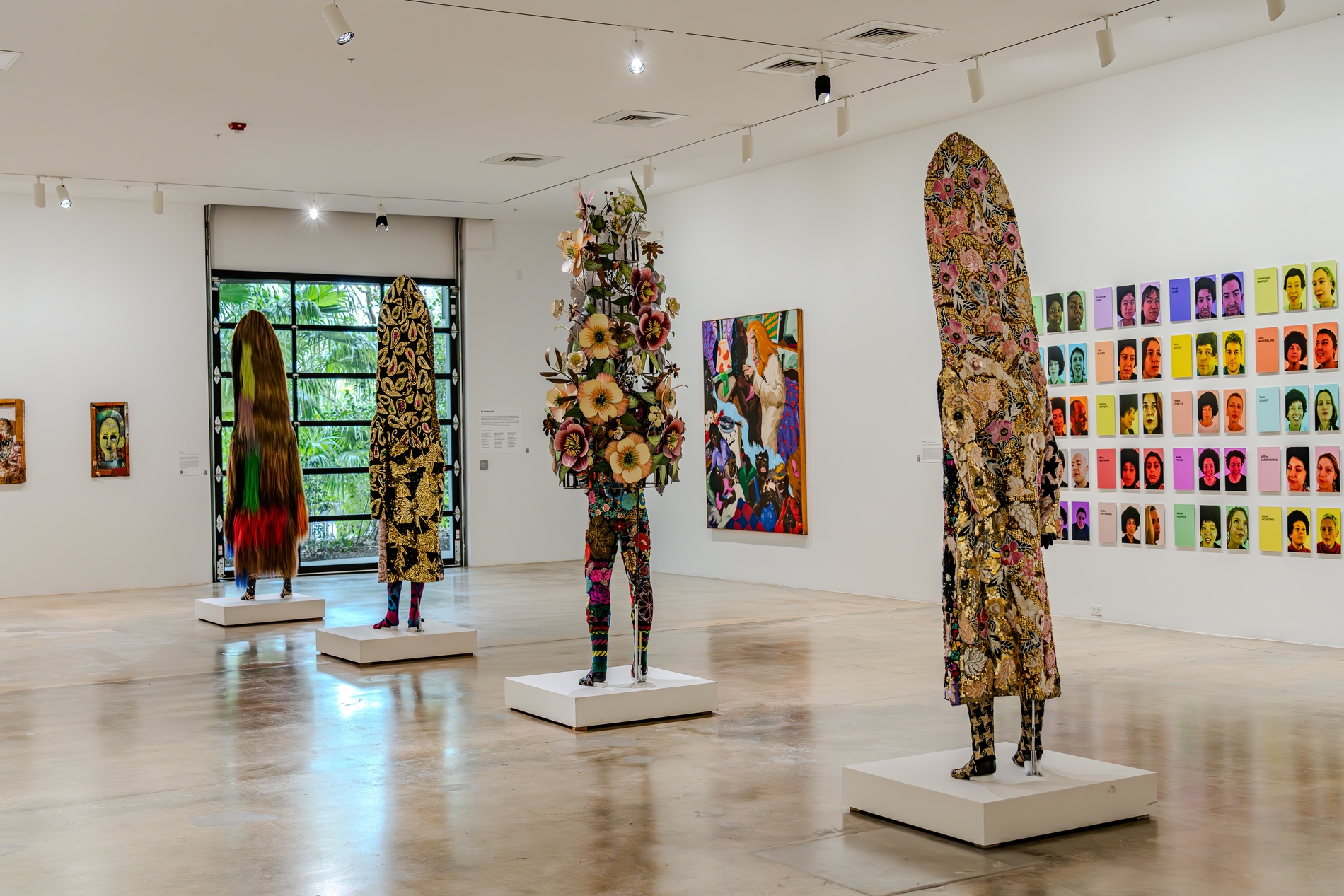
These estates transform with the seasons. Winter sharpens the lines of sculptures in the garden. Spring brings soft, diffused light perfect for viewing pastels. Summer fills the galleries with warmth, deepening the tones of oils and textiles. Autumn casts long shadows that animate the architecture itself.
The art remains constant, but the experience shifts—subtle, atmospheric, endlessly renewing.
What the Collection Leaves Behind
A stay in a private art‑integrated estate lingers long after you’ve left. It’s the memory of walking through a gallery in your robe at dawn. The way a sculpture looked against a storm‑darkened sky. The quiet thrill of living inside a space where every object, every line, every shadow has been chosen with intention.
Luxury here isn’t about possession. It’s about presence—about inhabiting a world where art isn’t displayed, but lived.