

The morning begins with the scent of warm sesame oil drifting through an open courtyard. Outside, the palms sway in a slow, hypnotic rhythm, their shadows stretching across the red‑earth paths of a small Ayurvedic retreat in Kerala. You lie on a wooden table polished smooth by decades of use, listening to the soft murmur of therapists preparing the oils. A copper bowl tilts, and a thin stream of warm liquid flows across your forehead, settling between your brows. The world narrows to sensation—heat, breath, stillness. For a moment, you feel suspended, as if the body has stepped aside to let something older speak.
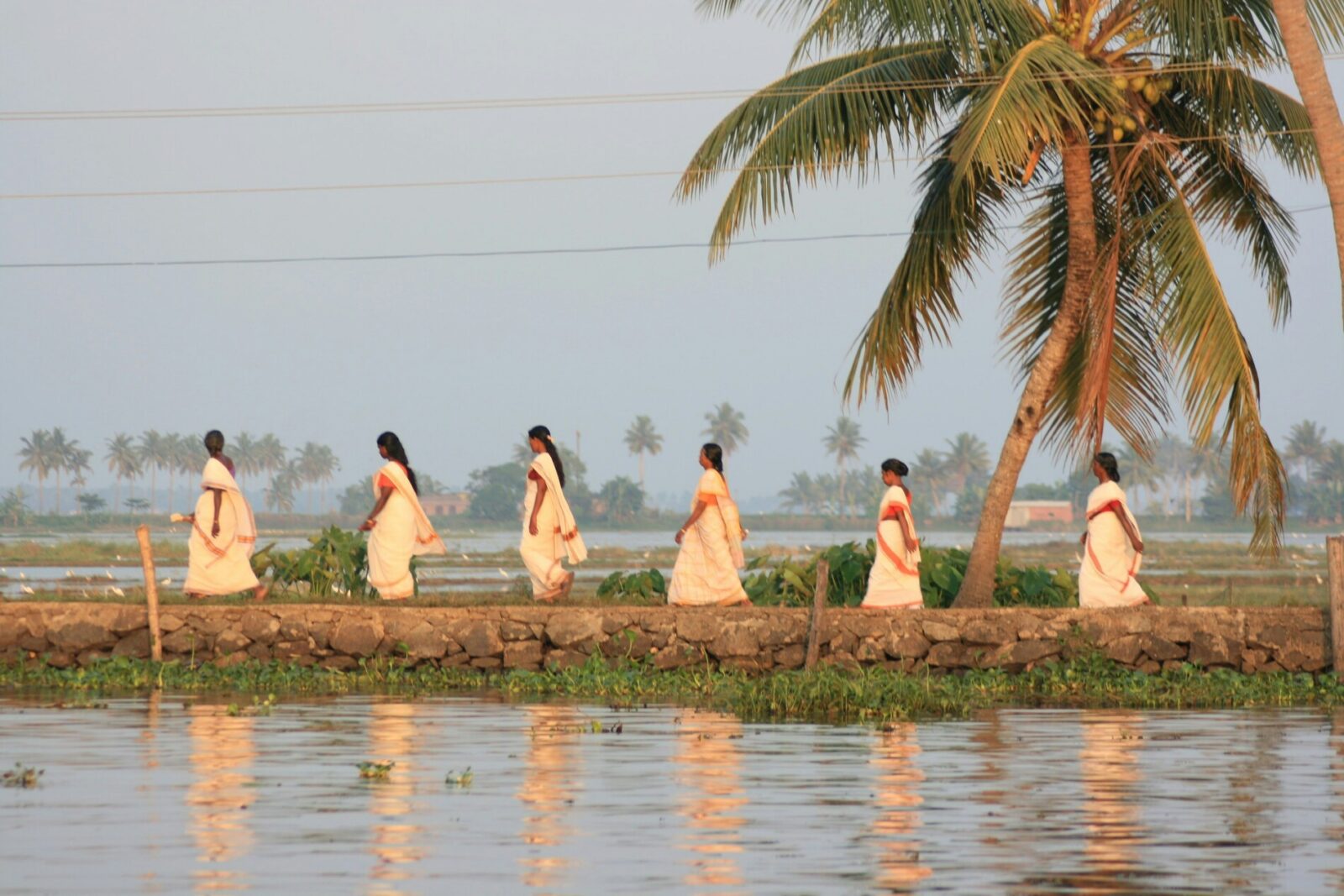
Kerala carries a softness that seeps into you before you realize it. The air is thick with humidity and the scent of cardamom. Backwaters move with the patience of a long exhale. Even the light feels slower here—golden in the mornings, honey‑warm in the afternoons, and velvety by dusk. Ayurveda doesn’t feel like a treatment in this landscape; it feels like the natural language of the place. The rituals, the oils, the herbs—they all seem to rise from the soil itself.
There’s no rush, no pressure to “optimize.” Kerala invites you to surrender to a pace that feels instinctive, almost ancestral.
Where Ritual Becomes Medicine
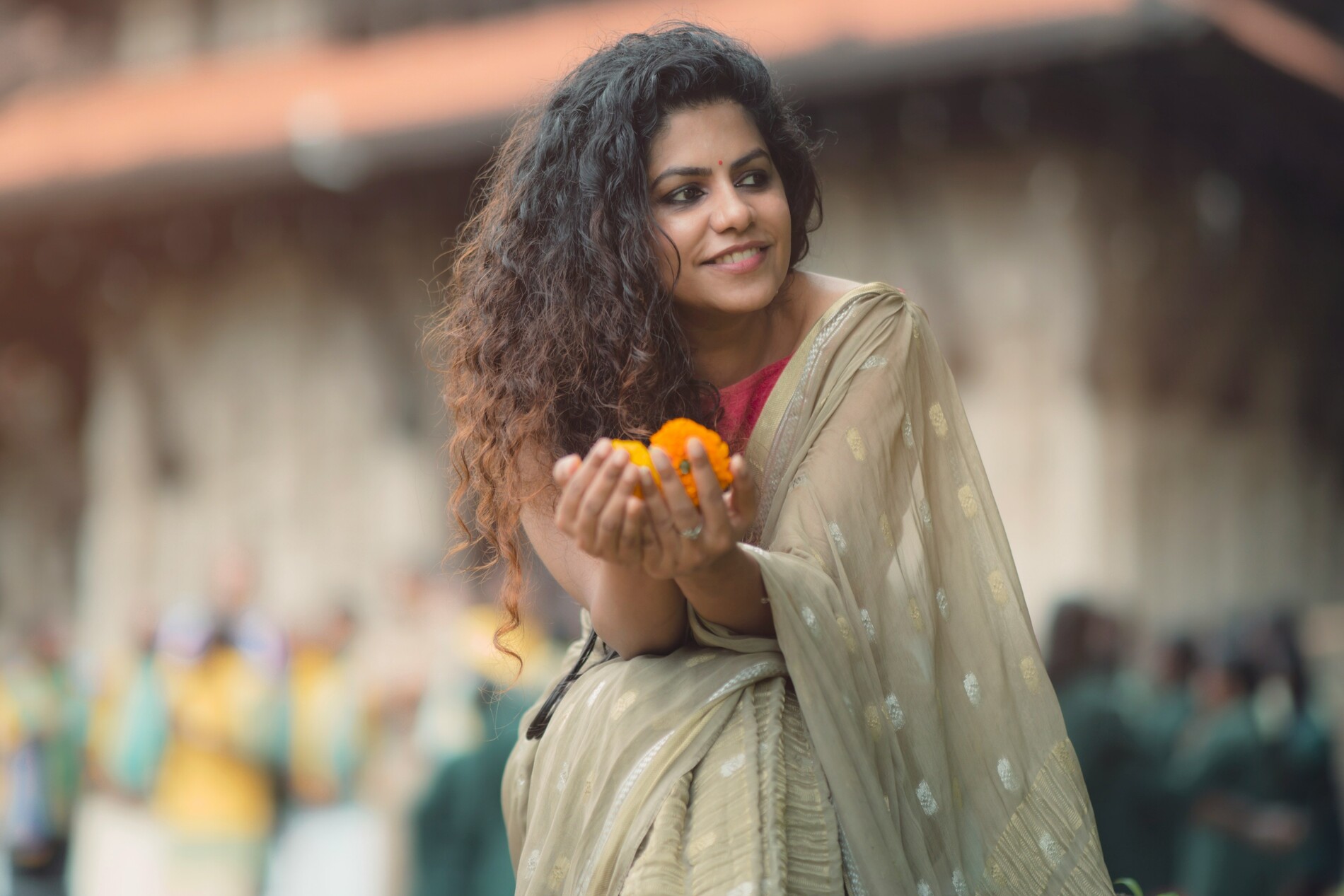
Ayurveda in Kerala is not a performance. It’s a lineage. Therapists move with a quiet confidence, their gestures shaped by years of apprenticeship. Treatments begin with a consultation that feels more like a conversation—about sleep, appetite, mood, the way your body holds stress. Then the rituals unfold: warm oil poured in slow, continuous strokes; herbal compresses releasing heat into tired muscles; steam rising from a wooden chamber infused with leaves gathered that morning.
The body responds quickly. Shoulders drop. Breath deepens. Thoughts loosen. You begin to understand why these practices have endured for thousands of years—they work not by force, but by coaxing the body back into alignment.
The Deep Dive
Kerala’s healing philosophy is rooted in balance. Food is part of the medicine: rice steamed in lotus leaves, vegetables sautéed with mustard seeds, broths scented with ginger and black pepper. Evenings often end with herbal teas that taste earthy and grounding. Days stretch between treatments, rest, and gentle movement—yoga at sunrise, slow walks beneath coconut palms, quiet moments by the water where the only sound is the call of a distant kingfisher.
The landscape amplifies the healing. Monsoon rains wash the world clean, leaving the air cool and fragrant. In the dry season, the sun warms the skin just enough to make the oils sink deeper. Everything feels intentional, even when nothing is planned.
When Kerala Feels Its Most Restorative
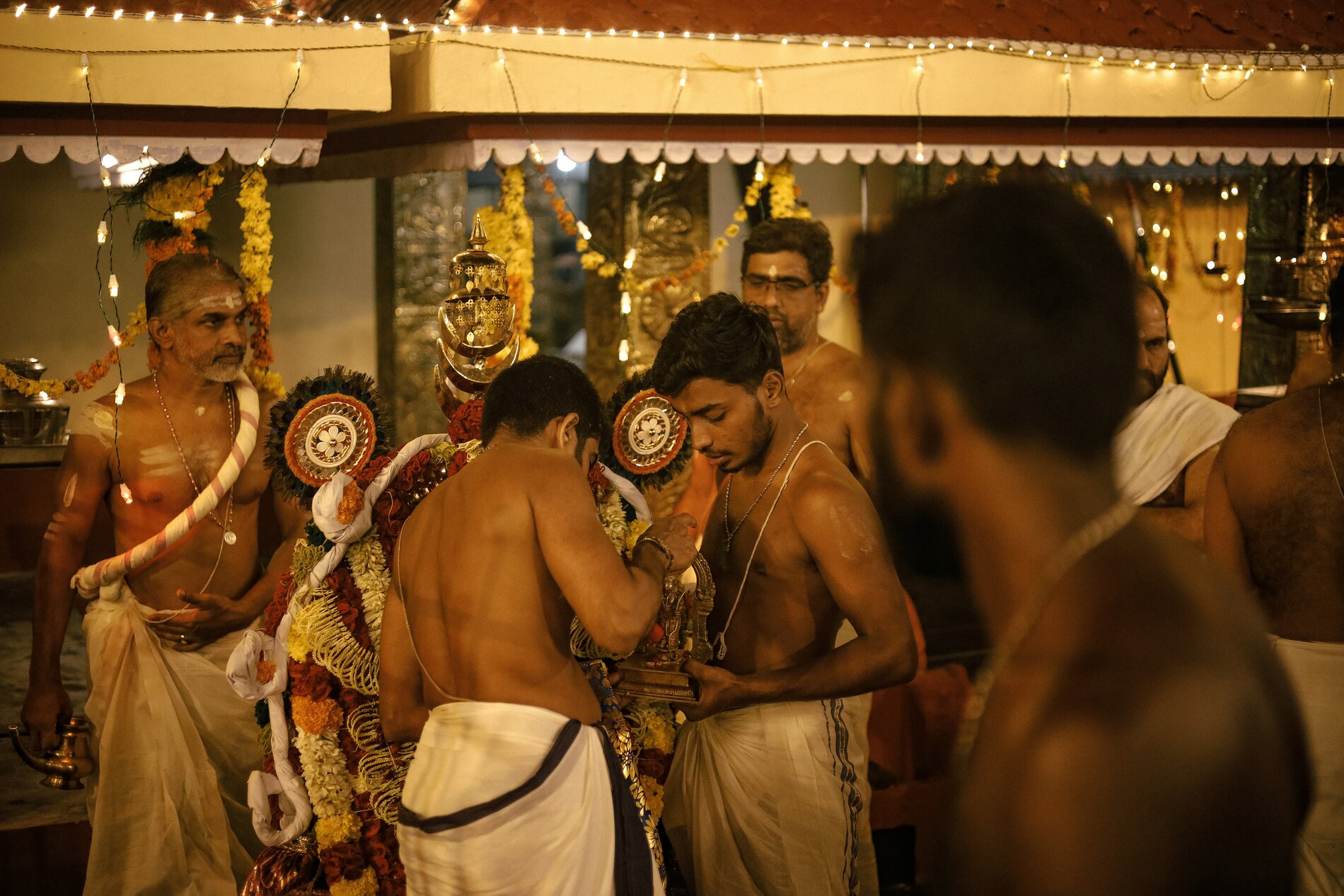
Late autumn through early spring offers the gentlest conditions for a full Ayurvedic immersion. The heat softens, the air clears, and the backwaters shimmer under a milder sun. Monsoon season, though humid, carries its own magic—rain tapping on tiled roofs, the scent of wet earth rising, treatments feeling especially potent as the body naturally slows.
These are the months when Kerala feels like a sanctuary, a place where the world narrows to breath, warmth, and the steady rhythm of healing.
What You Carry Home
Kerala lingers in the body long after you leave. You remember the weight of warm oil on your skin, the quiet of early mornings, the way your breath felt deeper and more deliberate. You return home with a different relationship to your own pace—less frantic, more attuned. The rituals stay with you in small ways: the way you brew tea, the way you stretch before bed, the way you listen to your body with a little more patience.
Ayurveda teaches that healing is not an event. It’s a practice. A way of returning to yourself with gentleness and intention.