

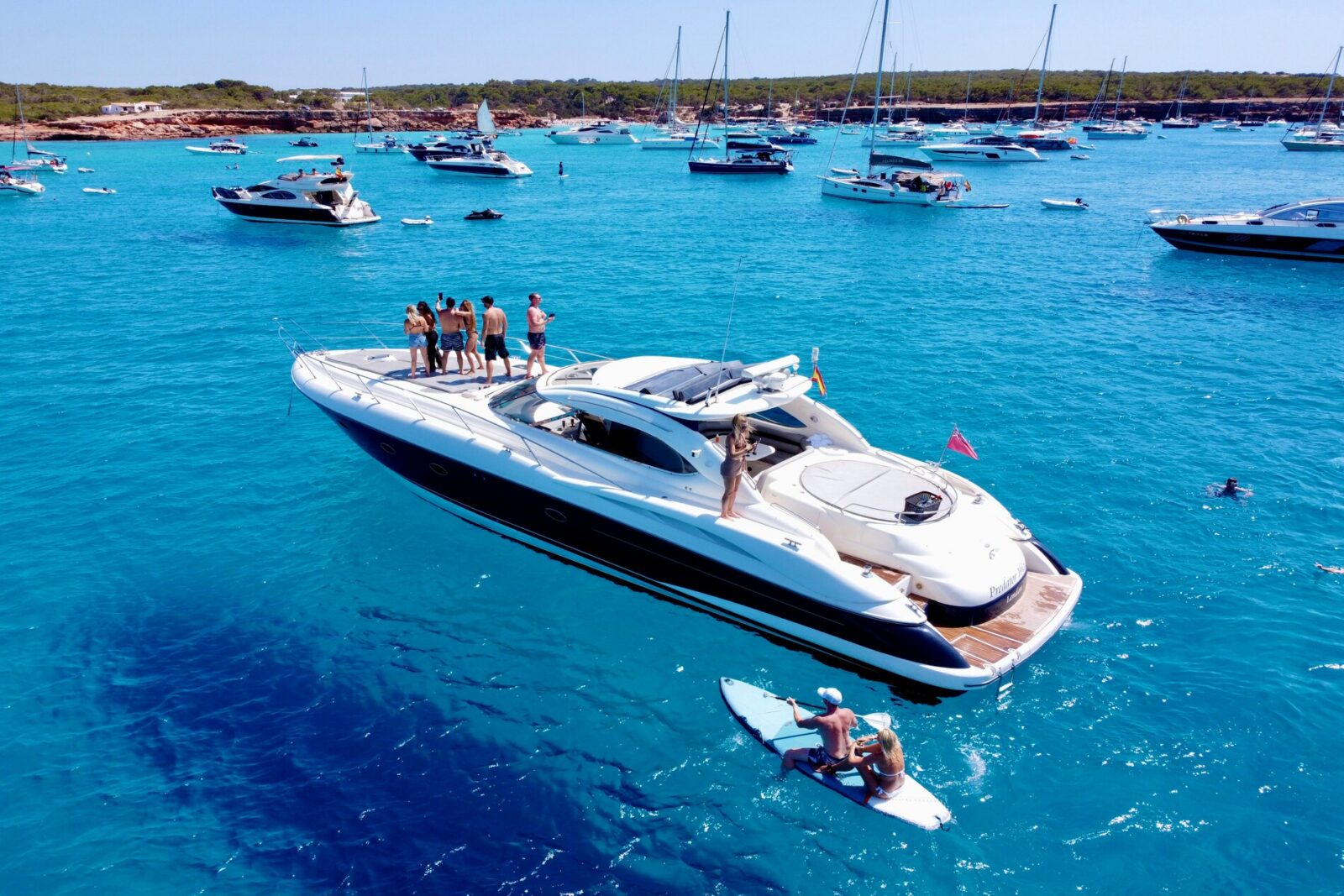
The first thing you feel isn’t the heat; it’s the vibration. It’s a low, rhythmic thump that seems to pull the Mediterranean seawater itself toward the shore. In Ibiza, the party is not an evening event—it is a twenty-four-hour atmospheric condition. As you stand on the powdery white sands of Playa d’en Bossa, the air carries a scent that is quintessentially “White Isle”: a potent mixture of salt-cracked skin, expensive citrus-based cologne, and the faint, earthy aroma of dry pine needles. This is a destination that has spent decades perfecting the art of the collective “letting go,” and the result is a kinetic social rhythm that is as visceral as it is legendary.
The Perpetual Motion of the White Isle
The vibe in Ibiza is one of absolute, unbothered freedom. While the island has certainly leaned into its more polished, luxury-adjacent identity in recent years, the heart of the party remains gloriously raw. People come here to dissolve. On the dancefloors of iconic temples like Pacha or the tech-forward cavern of Hï Ibiza, the hierarchy of the outside world vanishes. You find yourself in a sea of bodies where the main factor is found in the sheer diversity of the crowd—global fashionistas, tech moguls, and lifelong ravers all unified by the same 128-BPM heartbeat.
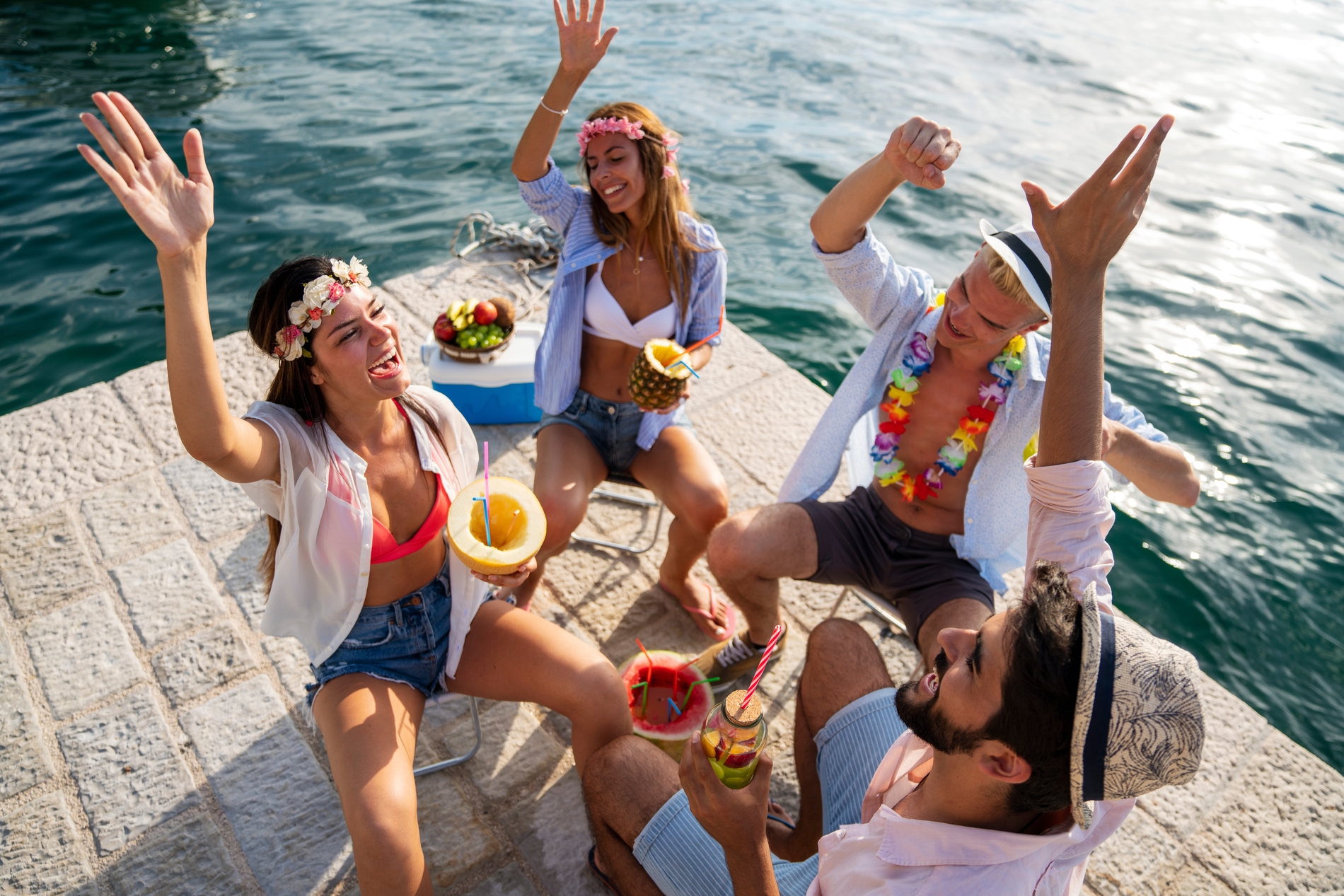
There is a tactile energy to how people enjoy the island. It’s found in the transition from the “day-party” to the “night-ritual.” You start the afternoon barefoot at a beach club like Blue Marlin, with salt still drying on your shoulders and a cold drink sweating in your hand. The energy is languid, almost lazy, until the sun hits the horizon. Then, the social tempo shifts. The music deepens, the volume climbs, and the crowd moves as one from the sand to the speakers. It’s a masterclass in the “slow burn,” a day that melts into a night without any of the awkward pauses found in lesser party destinations.
The Sanctuary of the Superclub
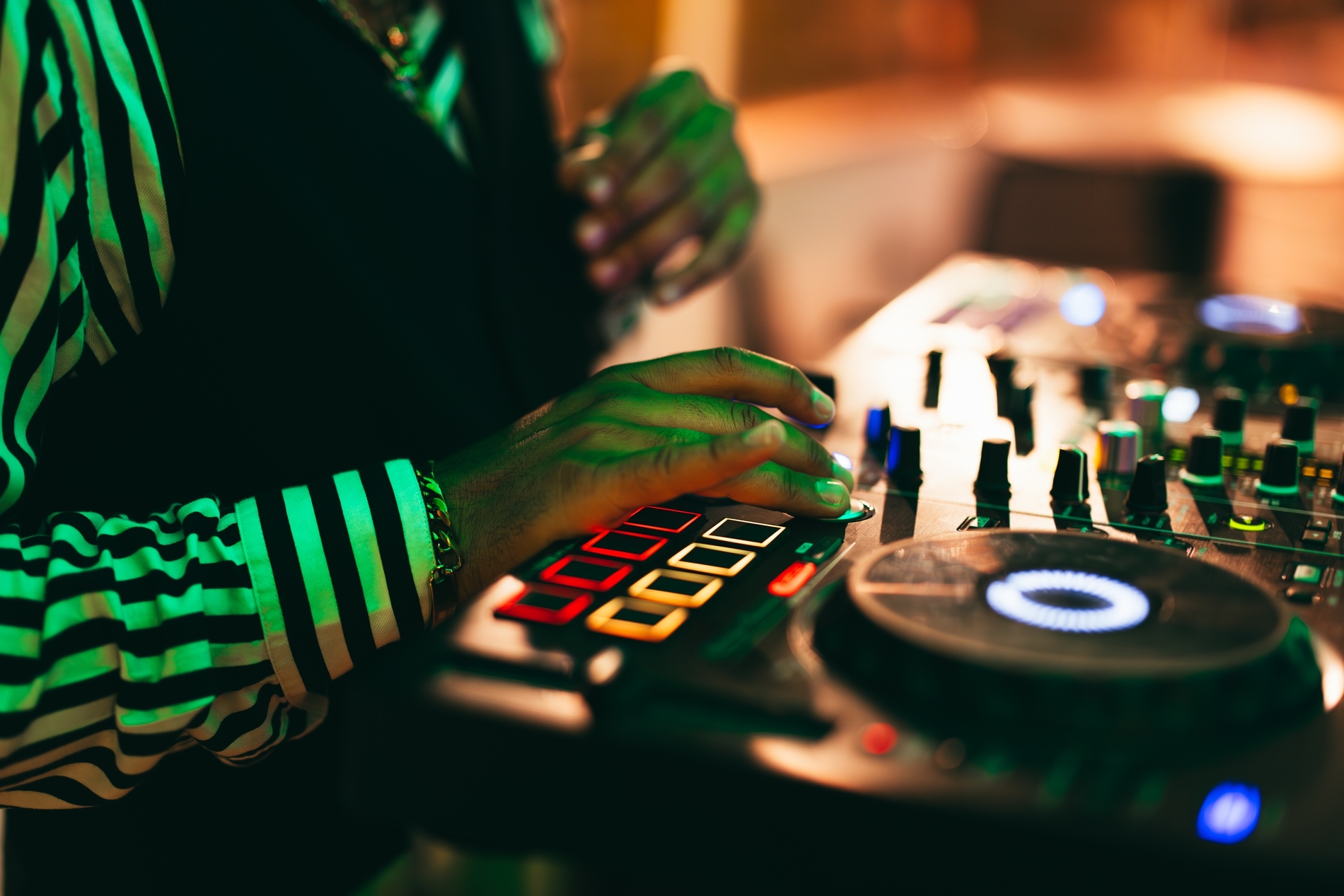
To understand why people return to Ibiza year after year is to understand the emotional cadence of the “Superclub.” These aren’t just bars with dancefloors; they are architectural cathedrals of sound. Inside the “Main Room” of a place like Amnesia, the experience is a sensory assault. When the CO2 cannons fire and the lasers slice through the thick, strobe-lit air, the roar from the crowd is deafening. This is the moment people live for—the “drop”—where the individual disappears and the group becomes a single, pulsing organism.
The enjoyment here is unapologetically hedonistic. People aren’t just “going out”; they are participating in a shared history. You see it in the way veteran clubbers close their eyes during a classic Balearic breakdown, and in the wide-eyed wonder of the first-timers. The flavors of the night are simple yet electric: the cold, sharp bite of a vodka soda, the sweetness of a late-night fruit plate shared in a VIP lounge, or the mineral-heavy chill of a morning water as the sun begins to peek through the club’s skylights. It is a world that celebrates the “marathon” rather than the “sprint,” where the stamina of the reveler is the highest form of social currency.
Timing the High
To truly capture the peak energy of Ibiza, you must embrace the “Closing Party” season in late September and early October. This is when the island’s energy reaches a fever pitch—the DJs play longer sets, the locals come out to play, and the air carries a crisp, electric anticipation of the coming winter.
The secret to a great party journey is to master the “siesta.” The most seasoned visitors know that the best sets often don’t begin until 4:00 AM. To enjoy the island like a native, one must treat the day as a preparation for the night. Spend your afternoons floating in the turquoise waters of Formentera or lounging in a shaded cabana, saving your kinetic energy for when the neon lights flicker to life. In Ibiza, the party is a living thing, and the best way to enjoy it is to stop observing the rhythm and simply become a part of it.