


Just before the sun breaks the horizon, the water looks endless—an unbroken sheet of glass that seems to merge with sky, sea, or valley. You step into the pool and the edge disappears beneath your fingertips. There is no boundary, no frame, no interruption. Only the sensation of floating between worlds. A soft breeze moves across the surface, carrying the scent of salt, pine, or warm stone depending on where you are in the world. In this moment—weightless, suspended, impossibly serene—you understand why the architectural infinity pool has become a symbol of modern luxury. It isn’t just a place to swim. It’s a place to dissolve.
The Illusion of the Edge
Infinity pools are feats of engineering disguised as visual poetry. Their signature vanishing edge creates the illusion that water spills into the landscape—whether that landscape is an ocean, a desert, a rainforest canopy, or a city skyline. The design relies on precise geometry, hidden catch basins, and a choreography of water flow that must remain perfectly smooth. When done well, the pool becomes a lens through which the world appears more vivid, more expansive, more cinematic.
Cliffside Sanctuaries
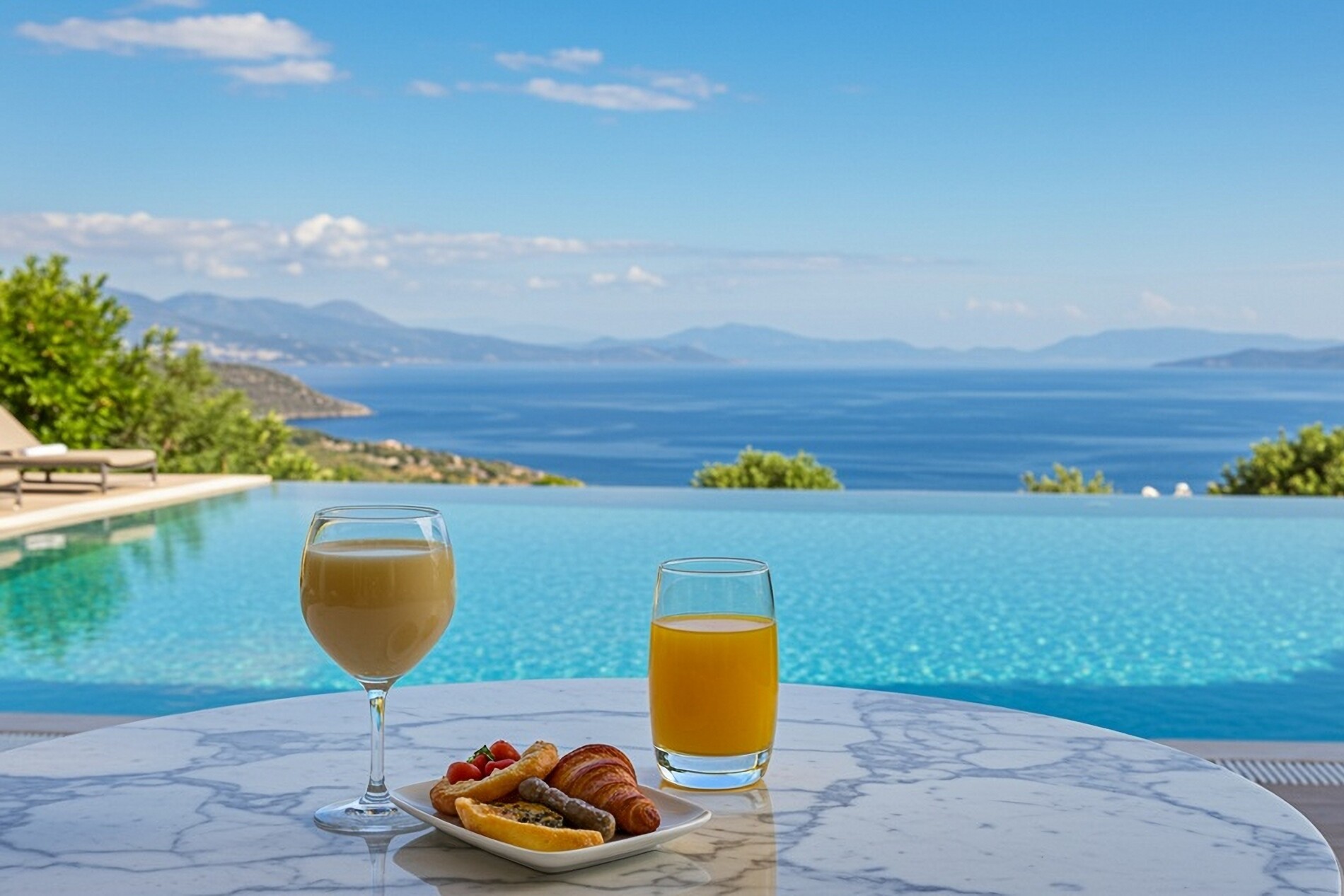
Some of the world’s most striking infinity pools cling to cliffs, offering views that feel almost vertiginous. Perched above coastlines in Santorini, Bali, or the Amalfi Coast, these pools create the sensation of hovering above the sea. The horizon becomes a single, uninterrupted line. The architecture is minimal—white stone, volcanic rock, or weathered wood—allowing the landscape to dominate. Floating here feels like stepping out of time.
Jungle Canopy Immersion
In tropical regions, infinity pools are carved into hillsides or suspended above dense rainforest. The water reflects layers of green, shifting with the light as birds move through the canopy. In Costa Rica, Thailand, and the Amazon, these pools are designed to blend into the environment rather than stand apart from it. The soundscape—cicadas, rustling leaves, distant waterfalls—becomes part of the experience. The edge doesn’t just vanish; it dissolves into nature.
Desert Mirages
In arid landscapes, infinity pools take on a different kind of magic. Surrounded by dunes or rocky plateaus, they create the illusion of an oasis. The water mirrors the sky, turning gold at sunset and deep blue at night. In places like the Arabian Peninsula or the American Southwest, the contrast between heat and cool water heightens the sensory experience. The pool becomes a mirage made real, a shimmering interruption in an otherwise elemental world.
Urban Altitude
High above the city, infinity pools transform skylines into living backdrops. Rooftop pools in Singapore, Dubai, Hong Kong, and New York offer views that feel almost surreal—towers rising like sculptures, lights flickering beneath you, the city’s pulse softened by height and water. These pools are architectural statements, blending engineering ambition with urban glamour. Swimming here feels like floating above the world’s energy rather than within it.
The Private Villa Evolution
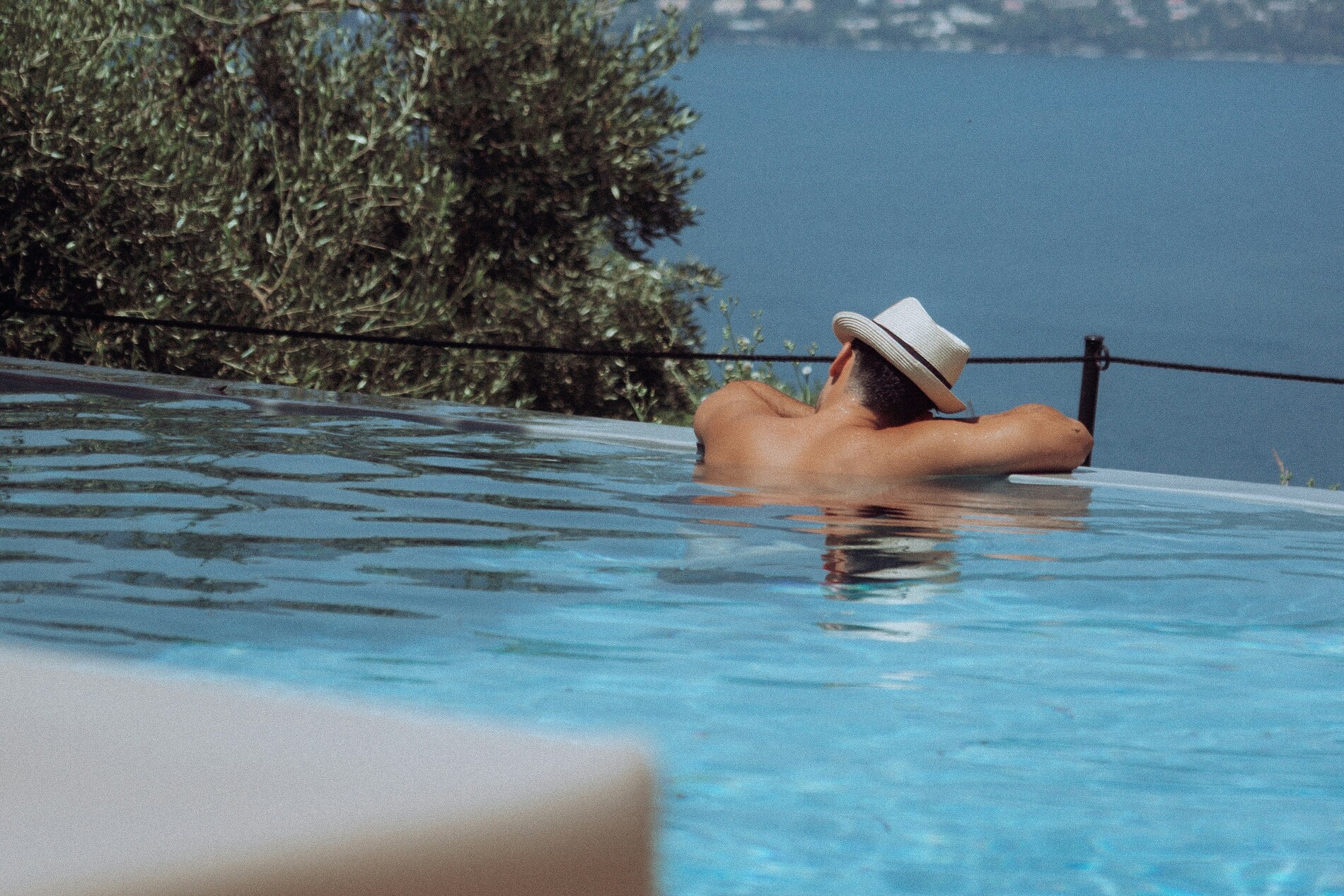
In luxury villas and private estates, infinity pools have become the centerpiece of architectural design. They stretch along terraces, wrap around bedrooms, or appear as narrow ribbons leading toward the horizon. Materials shift from polished stone to raw concrete to shimmering mosaic, each chosen to reflect the surrounding landscape. The pool becomes not just an amenity, but a narrative—an extension of the home’s identity and the owner’s vision.
What the Edge Leaves Behind
An infinity pool lingers in memory long after the water dries from your skin. It’s the sensation of weightlessness at the boundary of land and sky. The way the world looked sharper, quieter, more expansive from the water’s surface. The feeling of being suspended between elements—earth, water, air, light. Luxury here isn’t about extravagance. It’s about perspective. It’s about seeing the world from a place where edges disappear.