

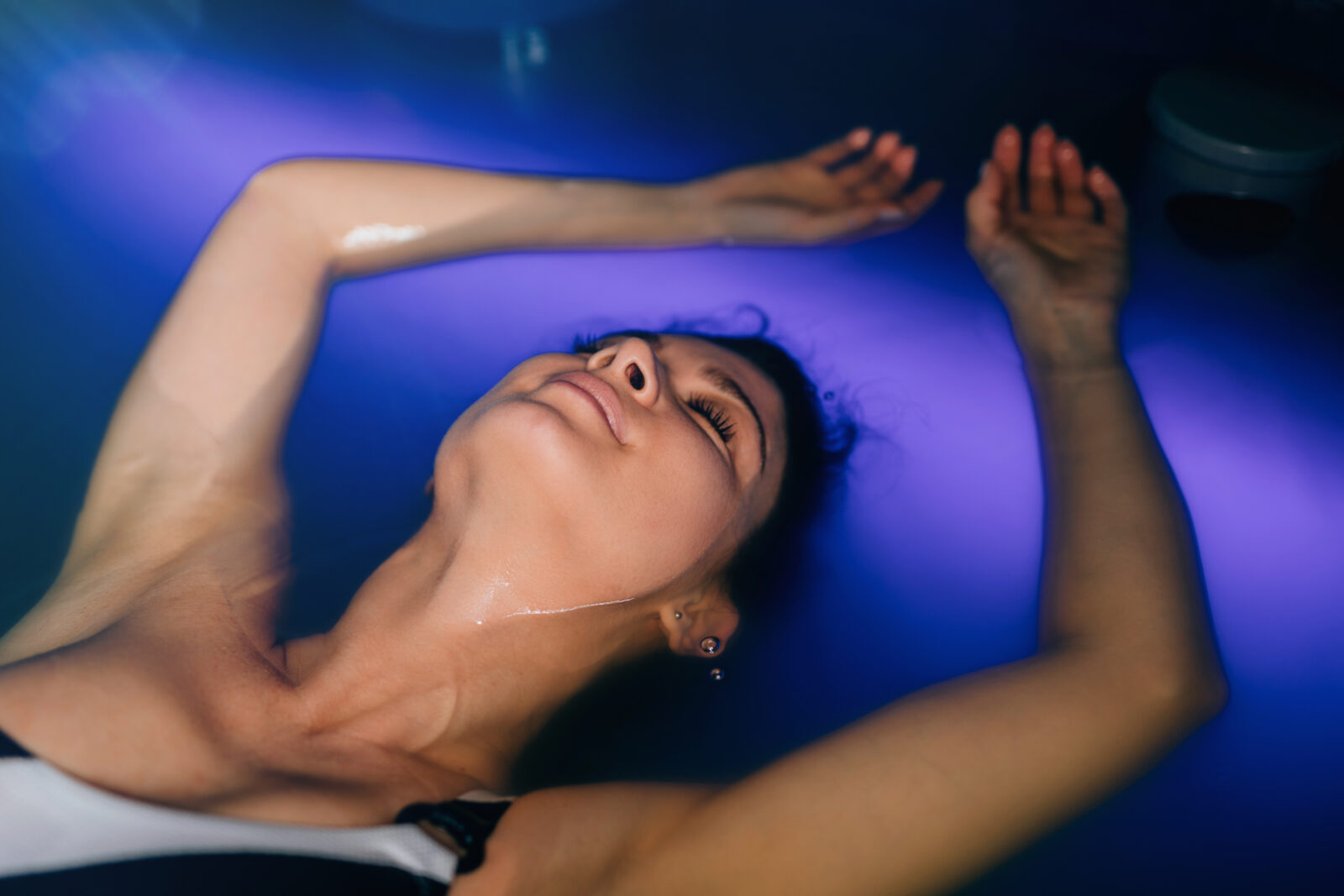
The moment the lid closes, the city disappears. No hum of traffic, no vibration from the subway below, no glow from a screen. Just darkness—thick, velvety, absolute. You lie back in a shallow pool of warm, hyper‑saline water, your body rising effortlessly to the surface. The temperature matches your skin so precisely that after a few breaths, you can’t tell where you end and the water begins. Your heartbeat becomes the only sound, steady and soft, like a distant drum. In the middle of a crowded metropolis, you’ve slipped into a pocket of silence that feels almost otherworldly.
Urban float studios carry a kind of paradoxical calm. Outside, the city pulses—neon lights, hurried footsteps, the constant churn of noise. Inside, everything softens. Hallways are dim, lined with warm wood and muted colors. Staff speak in low tones, as if guarding the threshold between two worlds. The float rooms themselves feel monastic: a tank, a shower, a small bench for your things. Nothing extra. Nothing to distract. The simplicity is intentional. It prepares you for the moment when the world dissolves and you’re left with nothing but your own awareness.
There’s a quiet intimacy to the experience. The tank becomes a cocoon, a place where the nervous system finally exhales.
Where Silence Becomes a Sensation
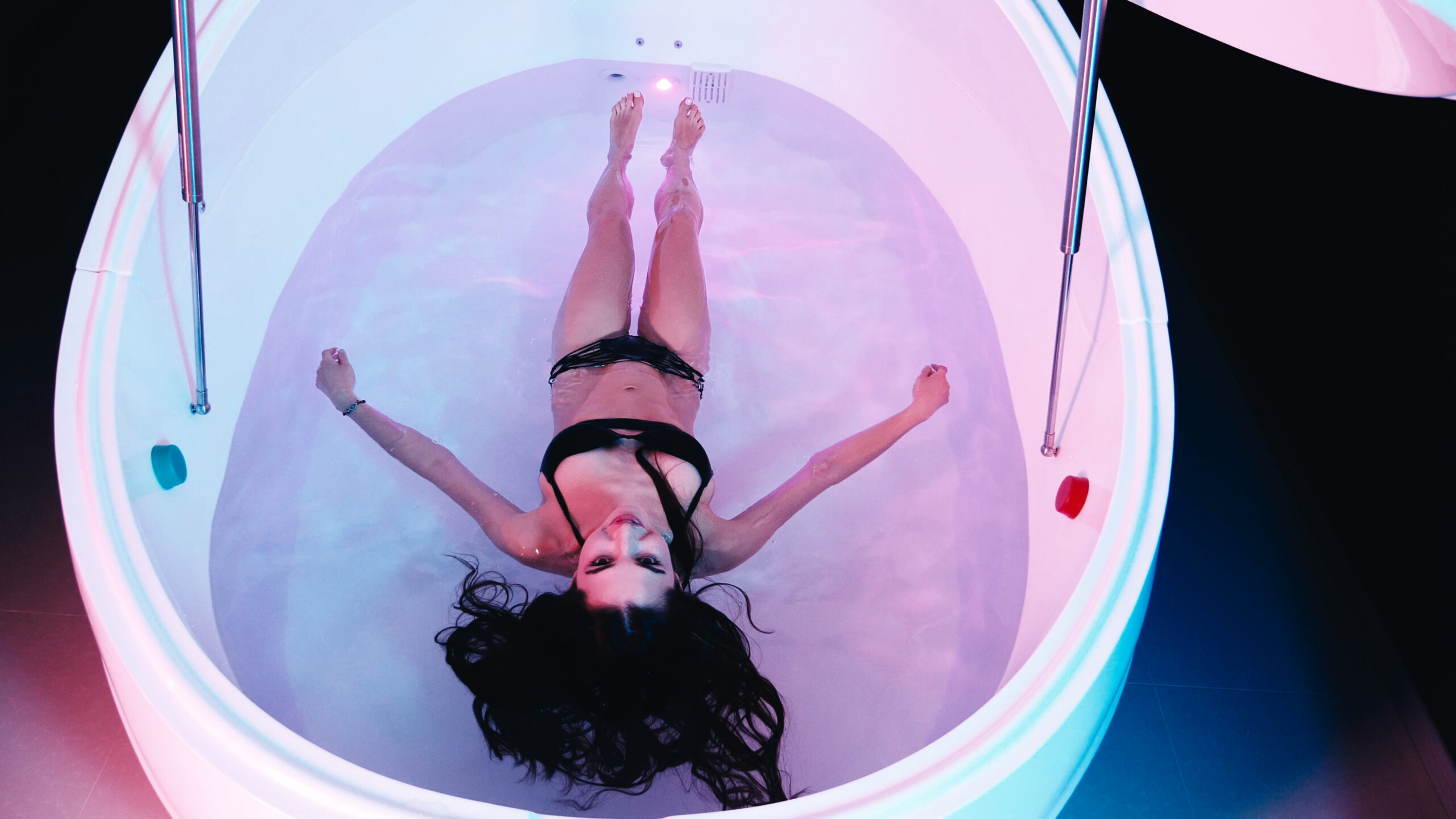
Floating is not about sensory deprivation so much as sensory recalibration. The water—dense with Epsom salt—holds you effortlessly, removing the constant micro‑adjustments your muscles make to keep you upright. The darkness removes visual noise. The silence removes auditory clutter. What remains is a kind of internal spaciousness that feels rare in modern life.
At first, your mind chatters. You think about emails, errands, conversations you should have had. Then the thoughts begin to drift, like leaves on a slow river. Your breath deepens. Your body softens. You start to feel suspended—not just physically, but mentally, as if you’ve stepped into a quieter version of yourself.
The Deep Dive
Urban float centers often pair the tanks with rituals that deepen the experience. A cup of herbal tea before your session. A warm shower that feels like a small ceremony. Soft towels, dim lights, the faint scent of eucalyptus. After the float, you sit in a lounge with other guests, everyone moving slowly, eyes softer, voices lower. It’s as if the city’s pace has been temporarily dialed down.
The effects linger. Colors seem sharper. Sounds feel less intrusive. Your thoughts move with more clarity, less urgency. Some describe it as meditation without effort. Others say it feels like sleep without dreaming. But most agree: the tank reveals a version of yourself that’s harder to access in the noise of daily life.
When Floating Feels Most Transformative
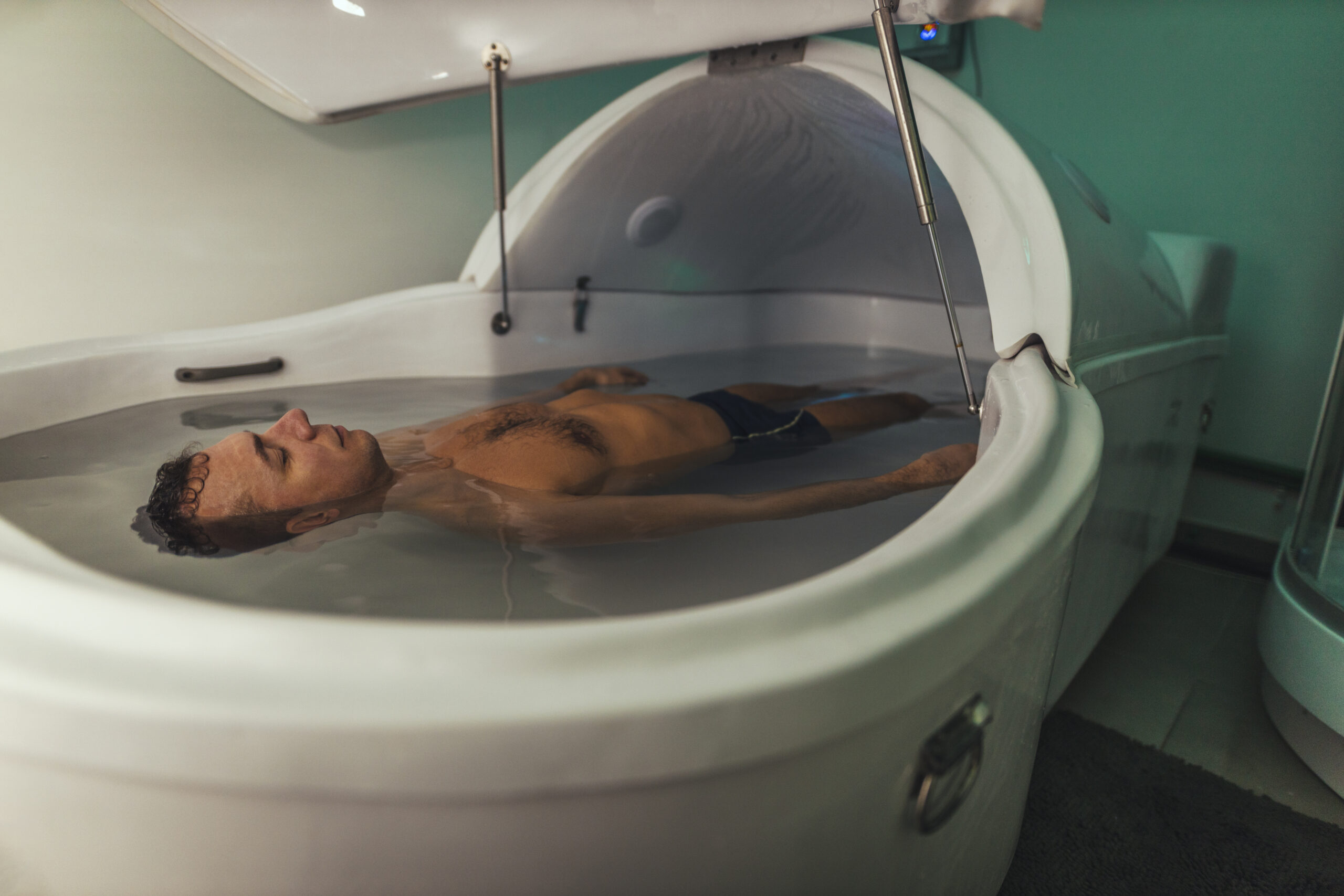
Evenings are the sweet spot. The city is still buzzing, but you’re ready to step out of its current. Floating at night creates a gentle transition between the demands of the day and the softness of rest. Winter amplifies the experience—the contrast between cold air and warm water makes the tank feel even more enveloping. But summer has its own charm: emerging from the float into warm night air feels like waking from a dream.
Urban hubs make the practice accessible. You can step out of a meeting, into a tank, and return to the world recalibrated.
What You Carry Home
The float stays with you. Not as a memory of darkness, but as a sensation—spaciousness in the chest, quiet in the mind, a softness in the way you move through the world. You return home with a nervous system that feels rinsed, a mind that feels less cluttered, and a renewed appreciation for silence.
Floating teaches that stillness isn’t the absence of sensation. It’s the presence of yourself, unfiltered and unhurried.