

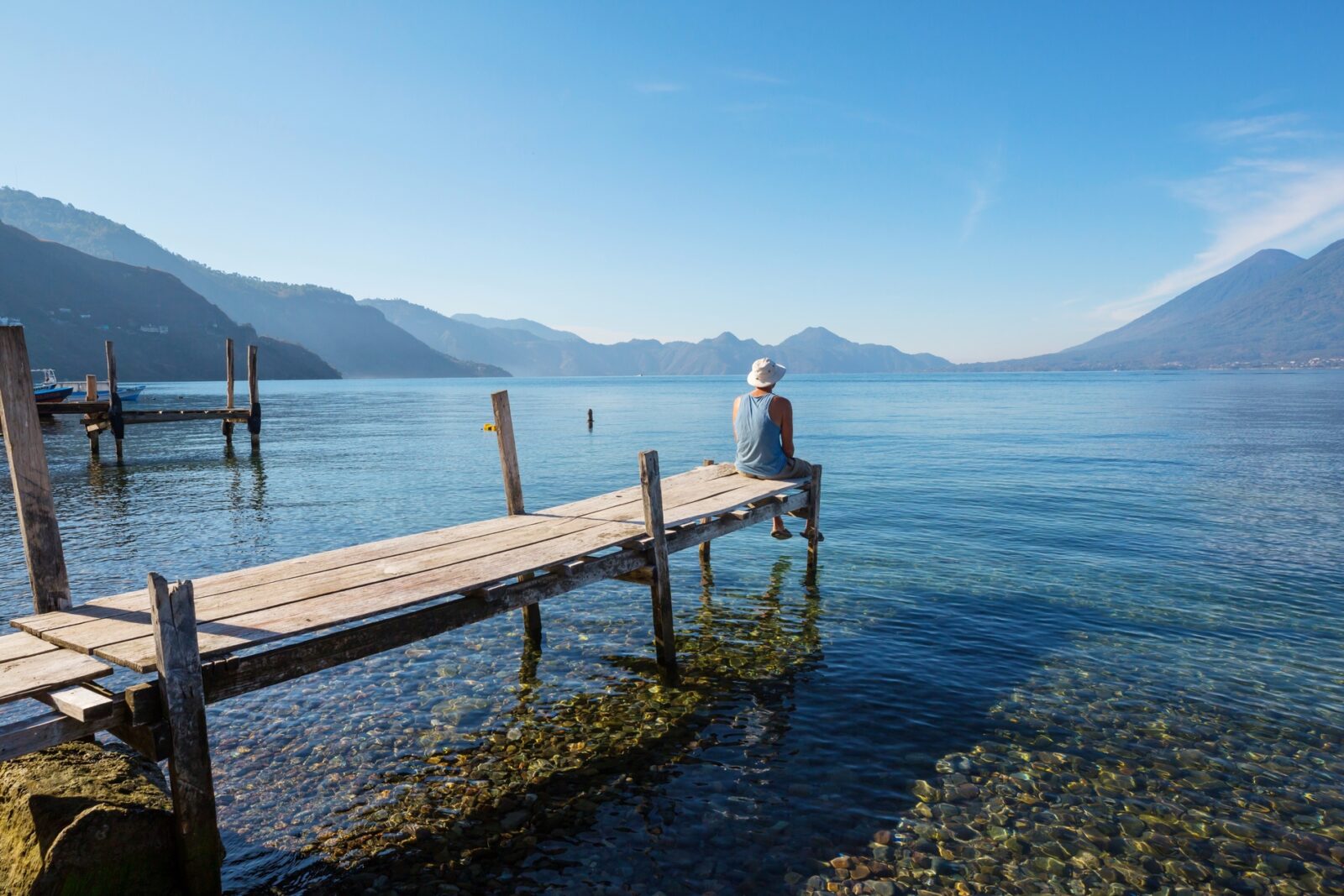
At 5:40 AM on the shores of Lake Atitlán, the air carries a mountain chill that smells faintly of crushed eucalyptus and damp earth. Before the sun clears the serrated ridge of San Pedro volcano, the water sits as a sheet of dark glass, mirroring the pale dawn. The only sound is the rhythmic lap of water against wooden pilings and the distant, muffled hum of a boat engine warming up across the bay.
The Geology of Reflection
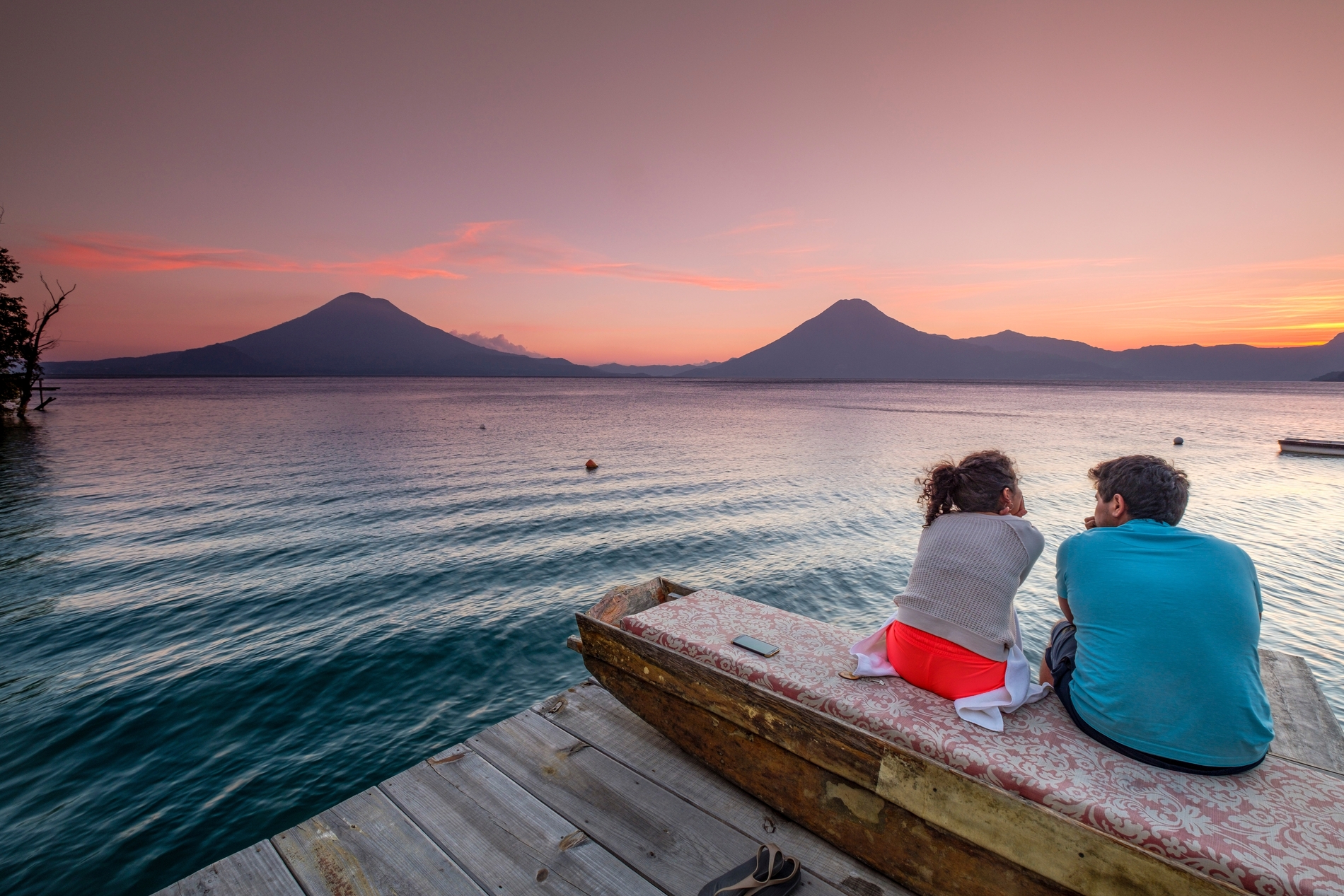
Lake Atitlán rests inside a massive volcanic caldera carved into the Guatemalan highlands thousands of years ago. Ringed by three towering stratovolcanoes—Atitlán, Tolimán, and San Pedro—the basin creates an immediate feeling of physical containment and grounded energy. Wellness sanctuaries tucked along the steep shoreline near San Marcos La Laguna and Tzununá leverage this unique topography to offer genuine seclusion away from standard tourist hubs.
Open-air timber pavilions project directly over the water, where morning meditation occurs alongside drifting mountain mist. Healing practices here draw heavily on indigenous heritage: traditional temazcal sweat lodges, fueled by basalt stones heated over hardwood fires, are infused with wild rosemary, lemongrass, and copal resin. The experience is intimate, visceral, and tied directly to the earth beneath your feet.
Life along the Shoreline
Days on the lake move according to light and weather rather than rigid schedules. Paved highways do not connect these lakeside hamlets; movement relies on wooden lanchas cutting across the open water or narrow footpaths winding through terraced coffee groves and avocado orchards.
The cuisine served in these shoreline retreats reflects the high-altitude soil. Meals prioritize local, unprocessed ingredients grown in micro-farms around the perimeter: warm cacao elixirs sourced from regional smallholders, hand-pressed blue corn tortillas, avocado harvested hours earlier, and papaya finished with fresh lime juice.
Entering the Rhythm
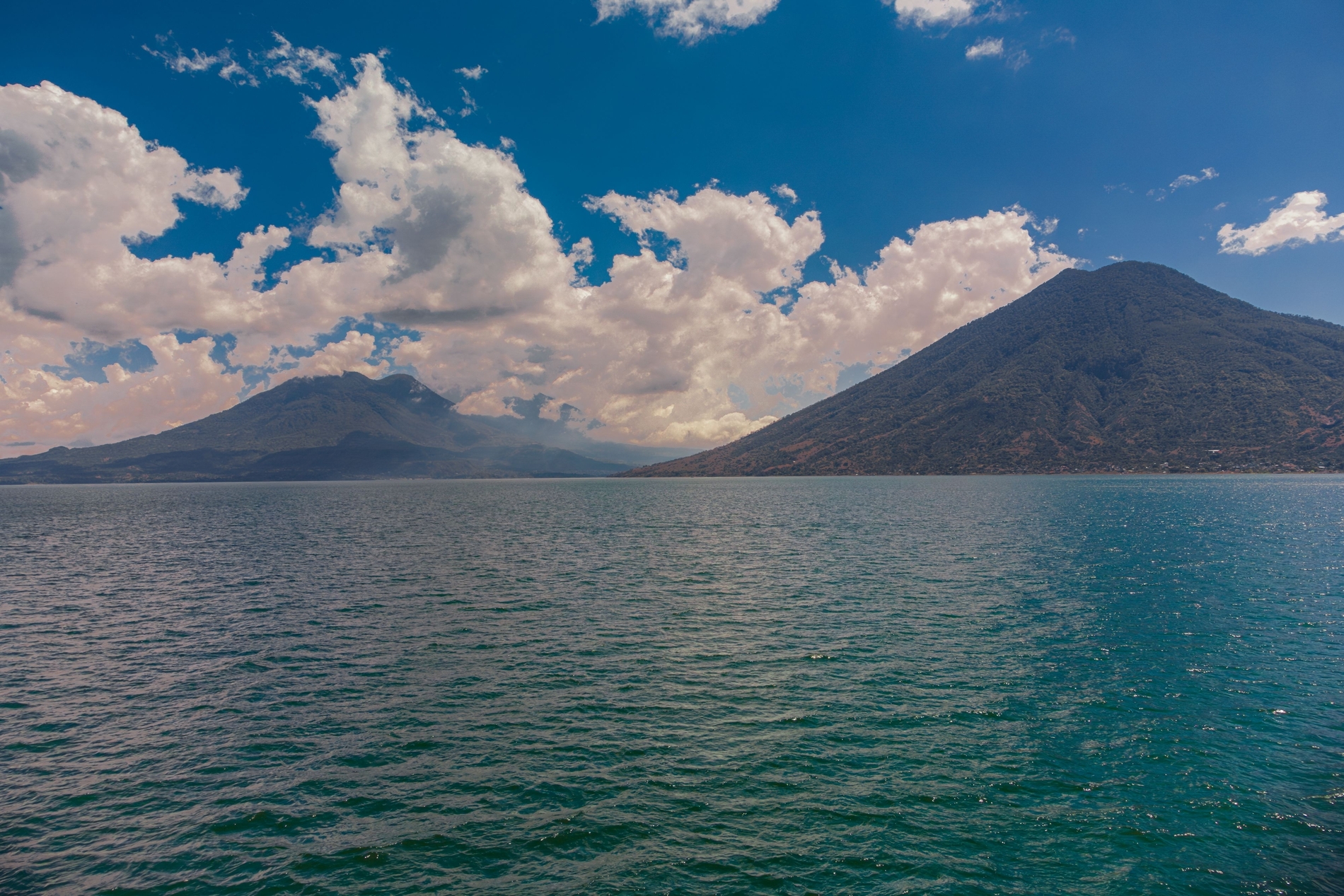
By early afternoon, the Xocomil—a daily thermal wind triggered by warm Pacific air colliding with cool mountain air—sweeps across the caldera, turning the lake into choppy whitecaps. It serves as a natural signal to wrap up outdoor activities, retreat into quiet spaces, and turn inward.
To capture the lake at its clearest, plan a visit during the dry season between November and April. Arriving in late autumn brings vibrant green hillsides and crisp morning skies without torrential downpours. Rather than rushing between villages on hurried day trips, anchor yourself at a single sanctuary for at least five days. The real transformation happens when you stop moving and let the quiet weight of the caldera settle into your pulse.