

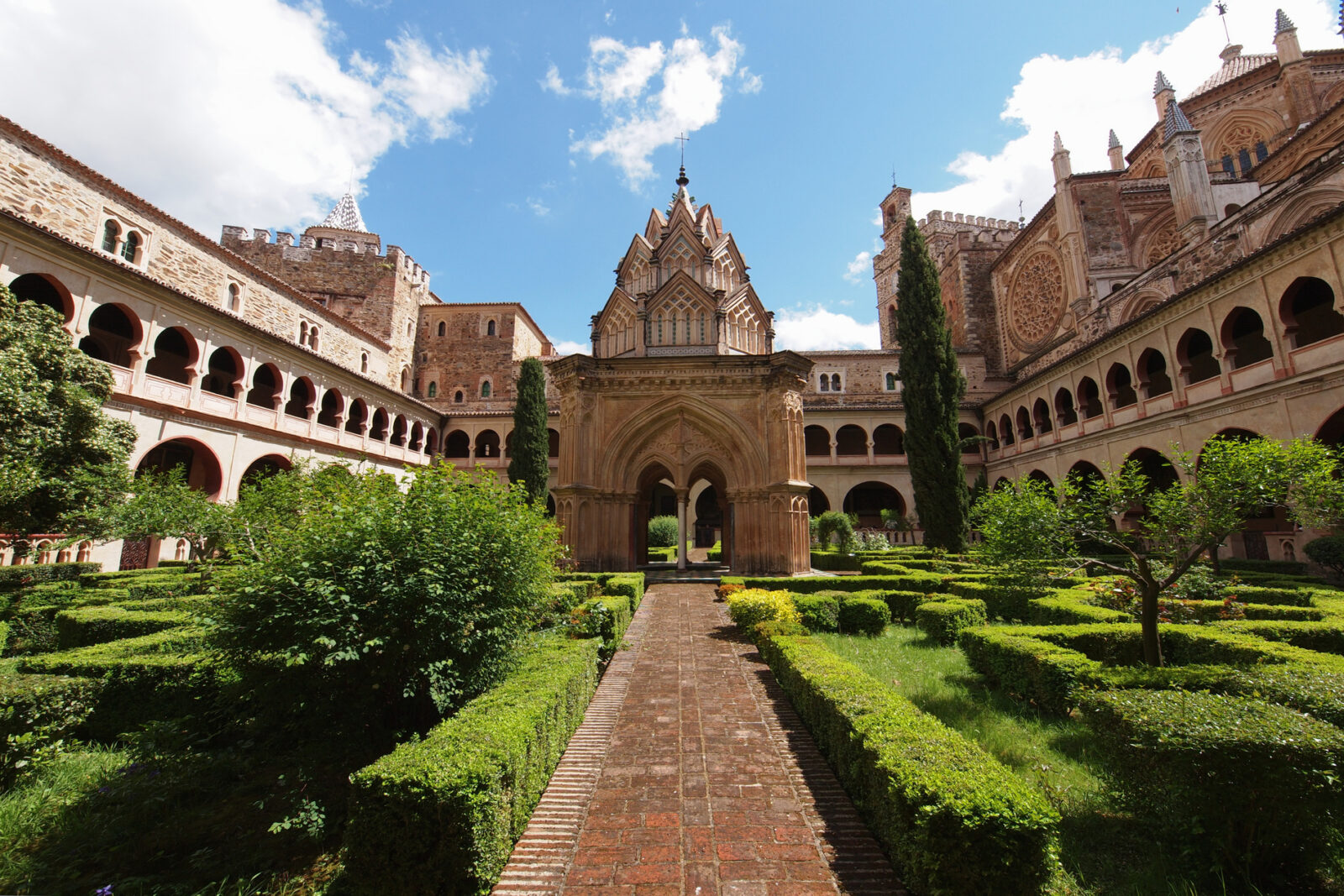
Dawn breaks slowly over the cloister walls, casting long beams of honey‑colored light across ancient stone. You walk through a vaulted corridor still cool from the night, the air scented with beeswax, wild herbs, and something quieter—centuries of contemplation lingering in the architecture. A monk’s chant once echoed here; now, a soft gong signals the beginning of your morning ritual. Outside, mist drifts across terraced gardens where olive trees have stood for generations. Inside, a therapist prepares a treatment using botanicals grown on the grounds. In this moment—serene, grounded, suspended between past and present—you understand why restored monasteries have become the world’s most soulful luxury sanctuaries. They offer not just wellness, but lineage.
Stones That Remember
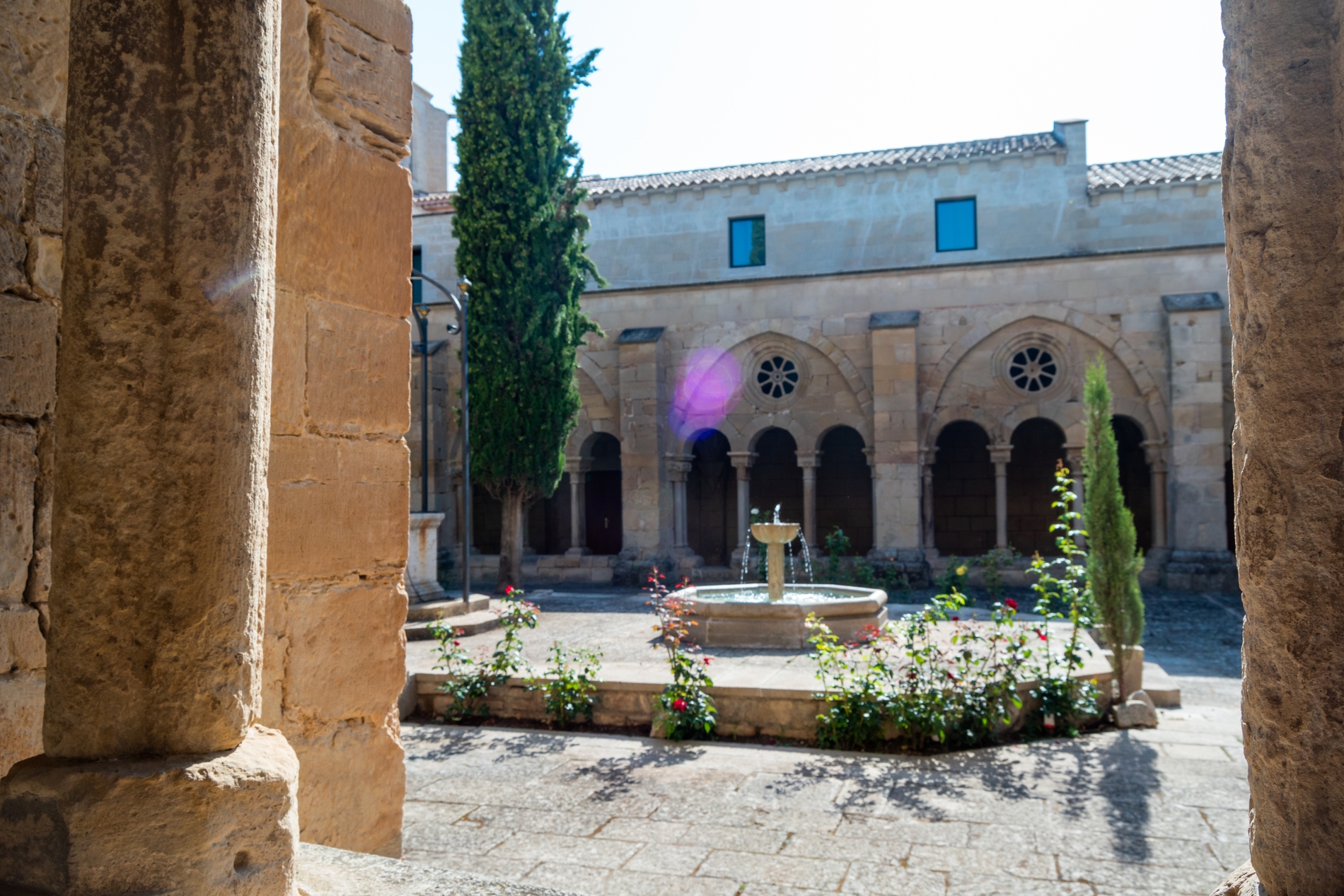
The transformation of monasteries into high‑end retreats begins with reverence. Architects preserve the bones of the structure—cloisters, refectories, bell towers—while introducing contemporary comforts with a feather‑light touch. Thick stone walls hold the day’s coolness. Arched windows frame hillsides that once shaped monastic life. Frescoes, once faded, glow again under careful restoration. The result is a dialogue between eras: medieval austerity softened by modern serenity.
These sanctuaries feel grounded in a way new builds rarely achieve. Every step echoes history. Every room carries the hush of centuries.
Suites That Honor Silence
Guest suites in these monasteries are designed as modern hermitages—spaces that invite rest without excess. Expect linen‑draped beds positioned beneath timber beams, deep soaking tubs carved from local stone, and windows that open onto gardens once tended by monks. Lighting is warm and minimal, encouraging a slower rhythm. Some suites include private meditation alcoves or terraces overlooking vineyards, orchards, or mountain valleys.
The luxury is subtle, sensory, and deeply atmospheric.
Rituals Rooted in Tradition
Wellness programs draw inspiration from monastic routines, blending ancient practices with contemporary science. Morning begins with guided breathwork in a former chapel, where sunlight filters through restored stained glass. Midday brings herbal treatments using plants cultivated in the monastery gardens—lavender, rosemary, chamomile, sage. Evenings might include sound baths beneath vaulted ceilings or contemplative walks along cloister paths.
Meals follow the same philosophy. Chefs reinterpret monastic simplicity into refined cuisine: garden vegetables roasted with olive oil pressed on‑site, broths infused with wild herbs, breads baked in centuries‑old ovens. Dining becomes a ritual of nourishment rather than indulgence.
Days That Move With the Light
Life in a monastery‑turned‑sanctuary follows a natural cadence. Mornings are crisp and quiet, perfect for yoga on a terrace overlooking rolling hills. Afternoons invite exploration—hiking through forested trails once used by monks, visiting nearby villages, or simply reading in a sun‑drenched cloister. As the day cools, the retreat shifts into a softer mood: candles lit in stone corridors, soft music drifting through the air, the scent of incense rising from a restored chapel.
Time stretches. The world slows. You begin to inhabit the rhythm of the place rather than imposing your own.
Evenings Wrapped in Stillness
Night transforms the monastery into something almost cinematic. Lanterns glow along the walkways. The stone absorbs the day’s warmth, releasing it slowly. Stars appear above the bell tower. Guests gather for herbal tea or a final meditation session, then retreat to their suites where silence feels like a luxury in itself.
The atmosphere is not solemn—it’s restorative. A kind of quiet that feels earned.
A Season for Every Spirit
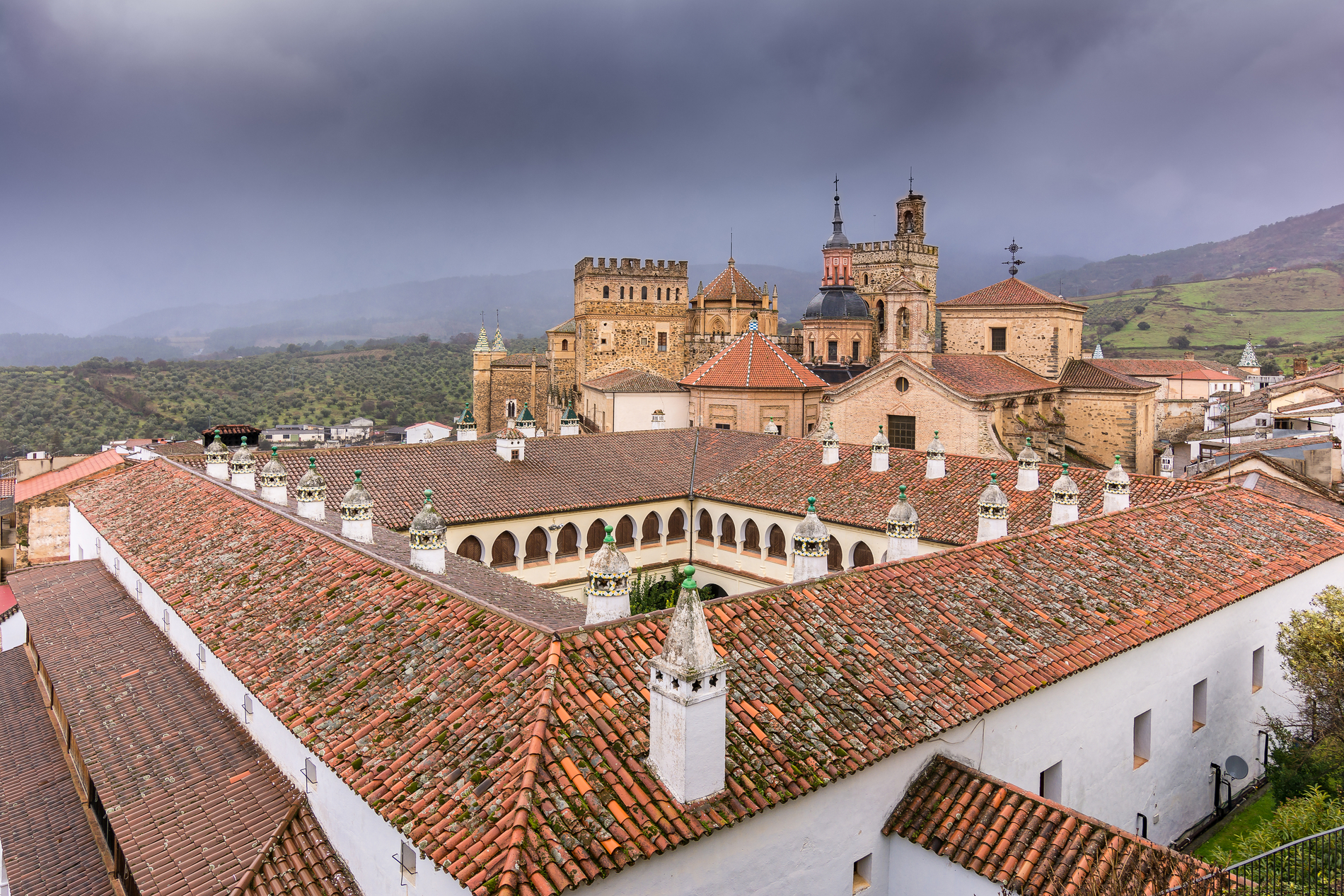
These sanctuaries shift beautifully with the seasons. Spring brings blossoms to cloister gardens. Summer fills the air with the scent of herbs and warm stone. Autumn wraps the landscape in gold and rust, perfect for contemplative walks. Winter invites fireside rituals, warm baths, and the deep stillness that suits ancient walls.
Each season reveals a different facet of the monastery’s soul.
What the Sanctuary Leaves Behind
A stay in a restored monastery lingers long after you’ve returned to daily life. It’s the memory of walking barefoot across cool stone at dawn. The taste of herbal infusions crafted from plants grown steps away. The echo of your breath in a chapel built for contemplation. The feeling of being held by a place shaped by centuries of quiet purpose.
Luxury here isn’t about extravagance. It’s about restoration—of space, of history, of self.