

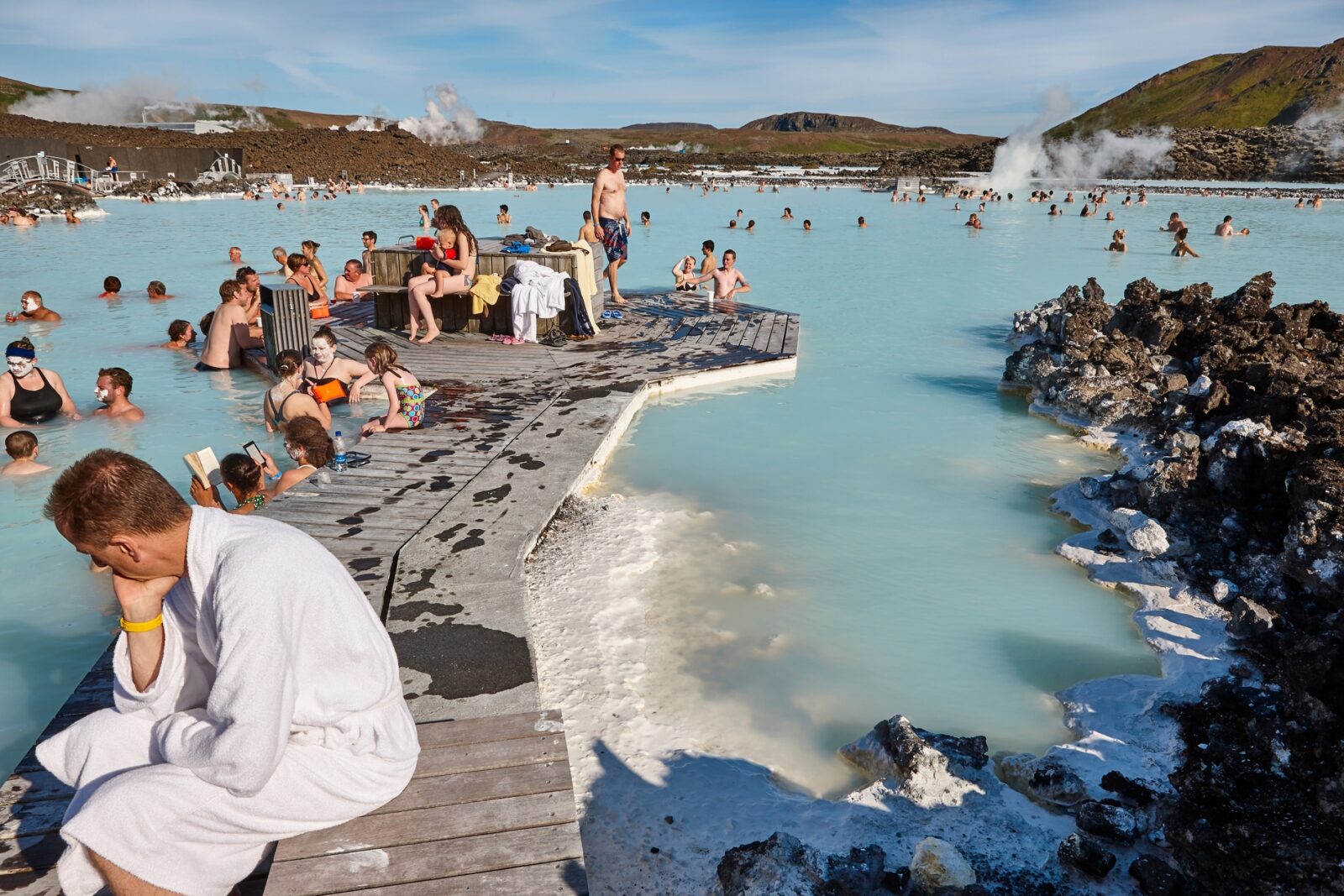
Steam rises in soft, ghostlike curls from the milky‑blue water, drifting into the cold Icelandic air as if the lagoon itself is exhaling. You step into the warmth, the contrast so sharp it feels like a reset button pressed somewhere deep in your spine. Lava fields stretch around you—black, ancient, silent—while the sky hangs low and pale, a winter canvas washed clean. A thin layer of silica settles on your fingertips. The water hums with heat pulled from the earth’s core. For a moment, you forget the world beyond the steam.
The Blue Lagoon is often photographed, often mythologized, but its true power lies in its atmosphere. There’s a stillness here that doesn’t feel curated; it feels geological. The water is warm enough to soften your breath, cool enough to keep you alert. The air carries a faint mineral scent—clean, metallic, grounding. Even with other bathers scattered across the lagoon, the space feels intimate, as if each person is wrapped in their own pocket of silence.
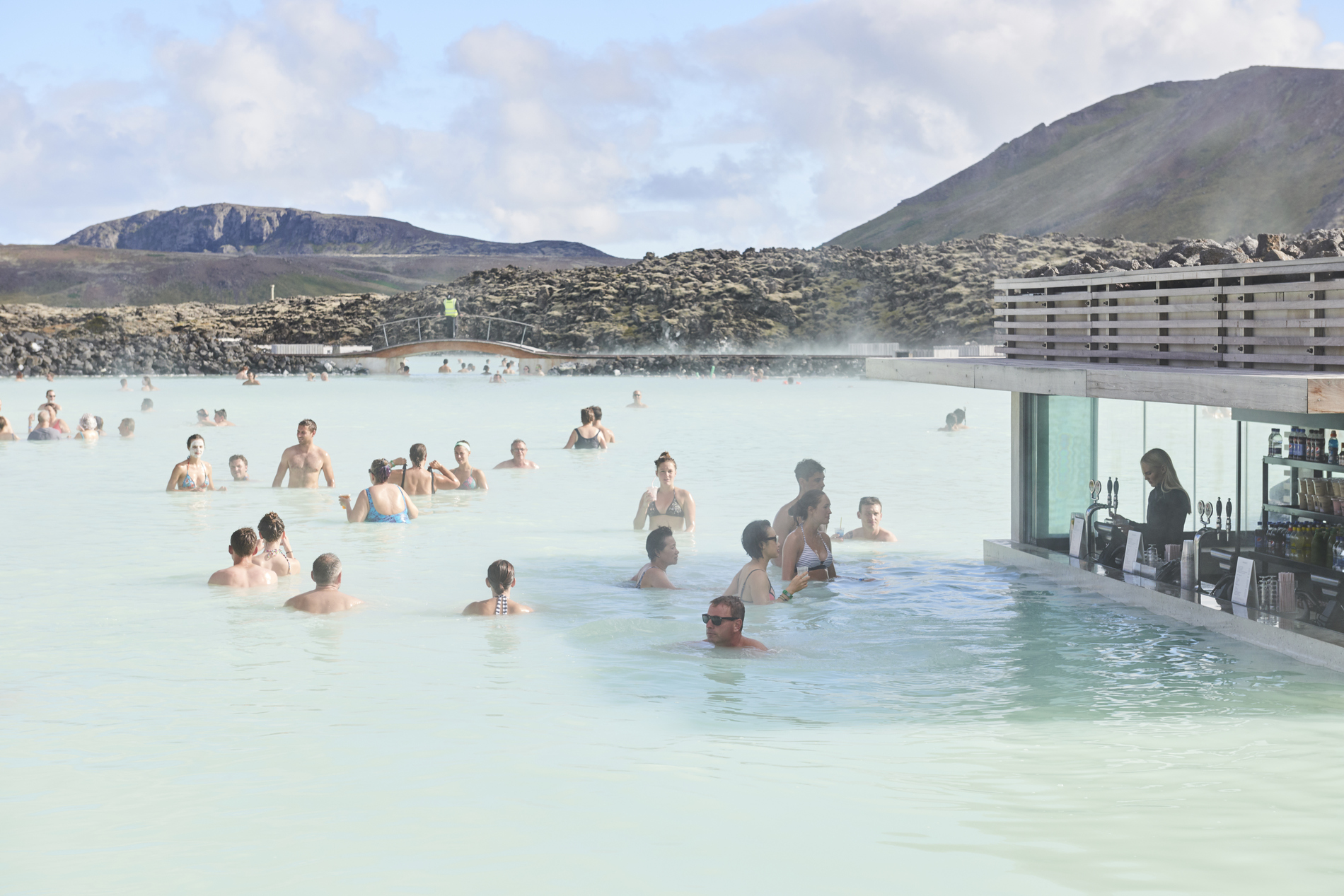
The landscape does most of the talking. Black rock. Blue water. White steam. A palette stripped to essentials, leaving room for the mind to unclench.
Where Earth and Body Meet
Geothermal bathing in Iceland isn’t a trend. It’s a lineage shaped by volcanic soil and long winters. The Blue Lagoon sits at the intersection of nature and engineering, fed by mineral‑rich water that rises from deep beneath the lava fields. Silica, algae, and sulfur create a natural tonic that softens skin and quiets inflammation. But the healing goes beyond chemistry.
You feel it in the way your muscles loosen as you float. In the way the heat settles into your bones. In the way your thoughts slow to match the rhythm of the steam drifting across the surface. The lagoon becomes a kind of mediator between you and the landscape—an invitation to let the earth do the work.
The Deep Dive
The ritual unfolds gradually. You move from warm shallows to hotter pockets, letting your body adjust. A silica mask cools your skin while the water warms everything beneath it. The contrast is subtle but profound. You drift toward the quieter edges of the lagoon, where the rock formations rise like sculptures and the wind carries only the faintest whisper.
Inside the spa, the experience deepens. Warm stone benches. Steam rooms infused with minerals. Cold plunges that sharpen the senses. The architecture mirrors the landscape—minimal, elemental, designed to disappear into the lava fields. You wrap yourself in a robe and step outside again, steam curling around your ankles, the sky shifting from gray to blue to something in between.
When Iceland Feels Its Most Healing
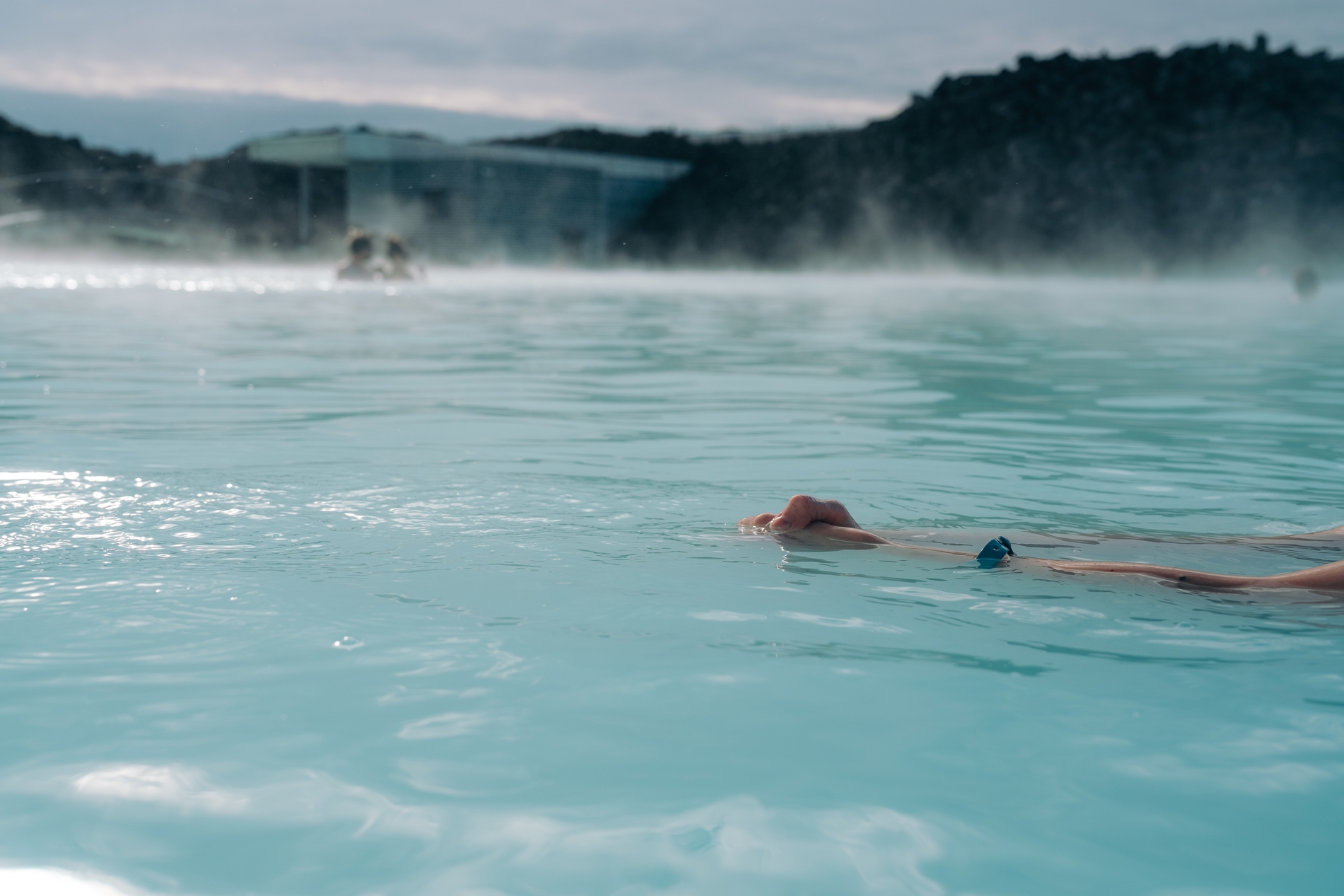
Winter is the season when the Blue Lagoon feels almost otherworldly. Snow settles on the rocks, and the water glows brighter against the darkness. The cold air heightens every sensation, making each step into the lagoon feel like a small act of courage rewarded instantly by warmth. Spring brings softer light and quieter mornings. Autumn wraps the landscape in muted tones that make the steam look even more luminous.
These are the moments when the lagoon feels less like a destination and more like a threshold—between heat and cold, stillness and movement, body and earth.
What You Carry Home
The memory of the Blue Lagoon lingers in the body. You remember the weightlessness, the warmth, the way the steam blurred the edges of the world. You return home with a recalibrated sense of pace, a reminder that healing doesn’t always require effort. Sometimes it requires surrender—to heat, to silence, to the slow, steady pulse of the earth beneath your feet.
Iceland teaches you that wellness can be elemental. A conversation between body and landscape. A moment of warmth in a world of cold.