

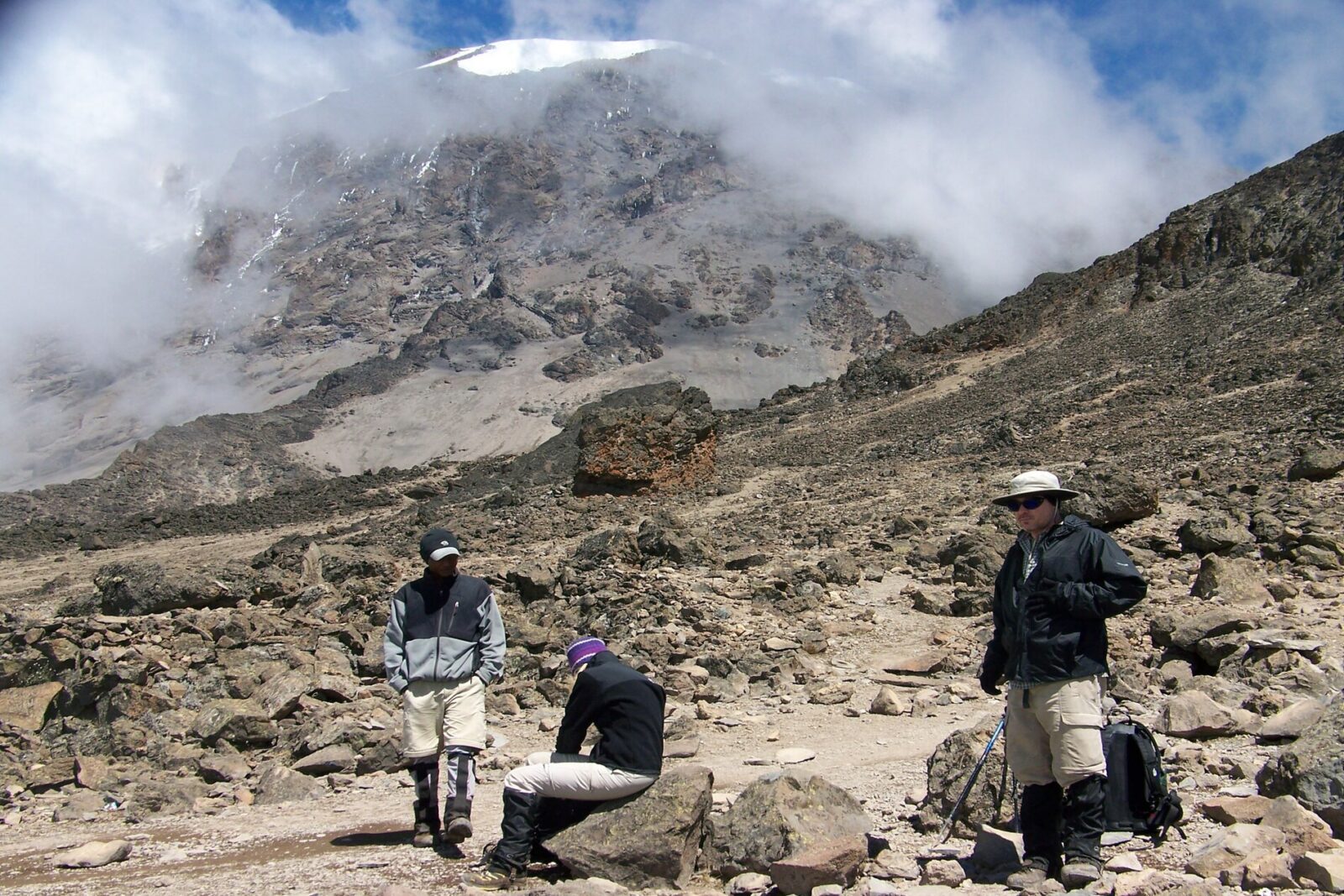
The first light over Kilimanjaro feels like a quiet revelation. You stand at the edge of camp, breath rising in thin, crystalline air, watching the sun ignite the glaciers in shades of rose and gold. Below you, clouds swirl like a restless sea. Above you, the summit looms—white, silent, impossibly close and impossibly far. Your boots crunch over volcanic gravel as you begin the day’s ascent, each step deliberate, each inhale a negotiation with altitude. The mountain doesn’t roar. It whispers. And you follow.
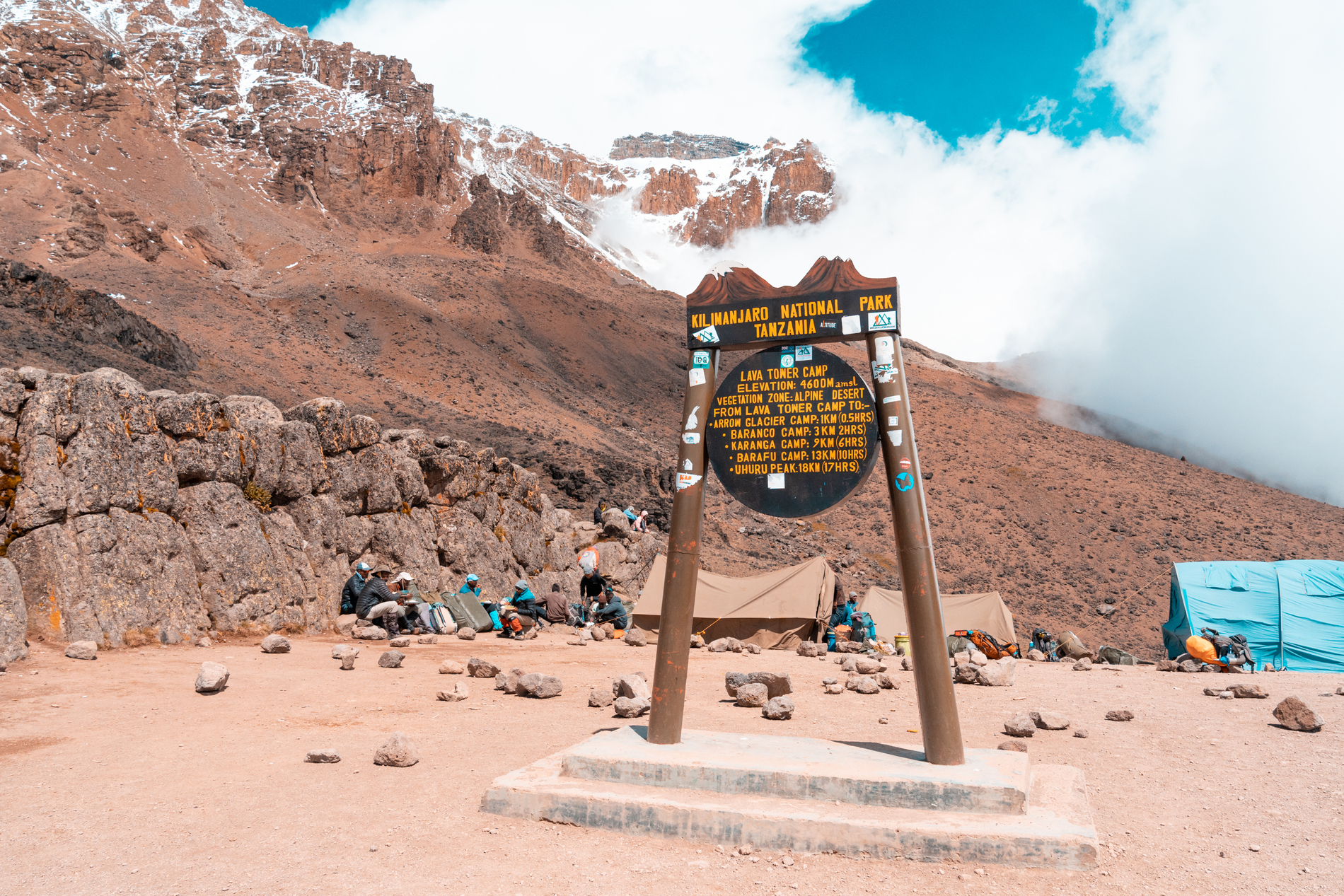
Kilimanjaro is not a technical climb. It’s a psychological one. The landscape shifts in dramatic, almost theatrical layers—lush rainforest giving way to heather moorlands, then alpine desert, then a stark, lunar world of ice and ash. Camps feel like small outposts on the edge of the sky: tents glowing in the cold, trekkers wrapped in down jackets, guides moving with the calm confidence of people who know the mountain’s moods.
There’s camaraderie in the thin air. A shared rhythm. A sense that everyone is learning the same lesson: slow is strong.
Where Altitude Becomes the Adventure
Kilimanjaro’s ascent is a study in pacing, patience, and physiology. The mountain’s five ecological zones unfold like chapters:
- Rainforest belt — humid, lush, alive with colobus monkeys.
- Heather and moorland — giant groundsels rising like alien sculptures.
- Alpine desert — stark, wind‑carved, sun‑bleached.
- Arctic summit zone — glaciers glowing under equatorial stars.
Altitude becomes the great equalizer. You learn to walk “pole pole”—slowly, steadily, letting your body adapt. Hydration becomes ritual. Breath becomes mantra. Every step is a negotiation with gravity and oxygen.
The Deep Dive
A day on Kilimanjaro unfolds with a rhythm shaped by elevation. Mornings begin with warm porridge and ginger tea. You shoulder your pack and fall into a slow, meditative pace. The trail winds past volcanic boulders, through valleys carved by ancient glaciers, across ridges where the wind sings in high, thin notes.
By afternoon, clouds roll in, wrapping the mountain in shifting veils. You reach camp tired but exhilarated. Guides check oxygen levels, offer hot soup, share stories of past summits. As night falls, temperatures plummet. Stars sharpen into icy pinpoints. You crawl into your sleeping bag, listening to the wind brush against the tent like a restless animal.
Summit night is its own world. You wake at midnight, step into the cold, and begin the slow, silent march toward Uhuru Peak. Headlamps form a glowing serpent up the slope. The air is thin, the cold biting, the climb relentless. But when the horizon brightens and the glaciers catch fire with dawn, the exhaustion dissolves into awe.
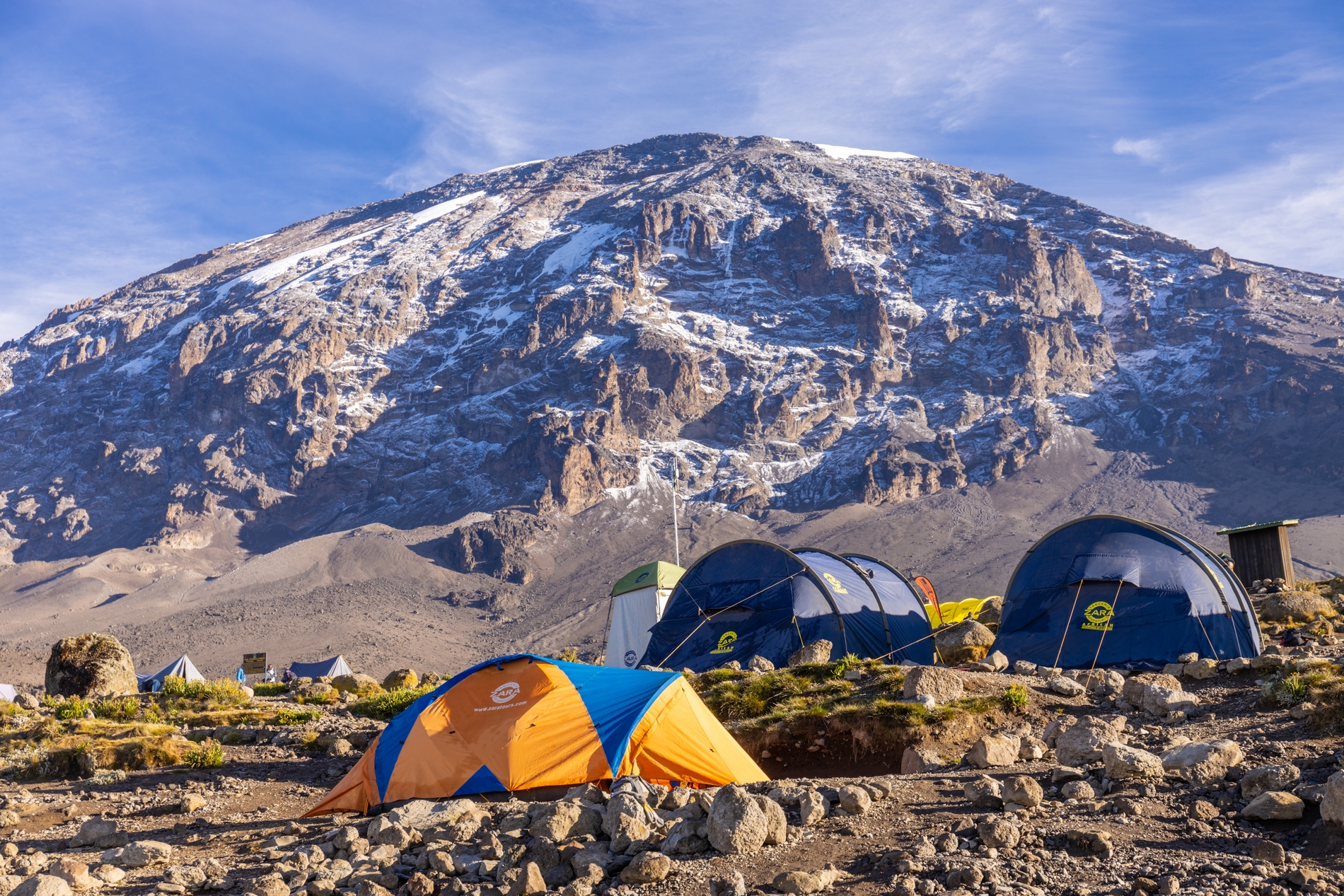
When Kilimanjaro Feels Most Alive
The mountain reveals different moods across the year:
- January–March — clear skies, crisp mornings, dramatic summit views.
- June–October — dry trails, stable weather, golden light across the moorlands.
- Late December — snow‑dusted summit routes and quieter camps.
Each season offers its own version of the climb—equally demanding, equally unforgettable.
What You Carry Home
Kilimanjaro stays with you in breath and memory: the thin air of summit night, the warmth of tea at dawn, the slow rhythm that carried you upward. But the deeper imprint is the lesson the mountain teaches—endurance isn’t force. It’s patience. Presence. A willingness to move slowly toward something immense.
Adventure here isn’t conquest. It’s ascent—of altitude, of mindset, of self.