

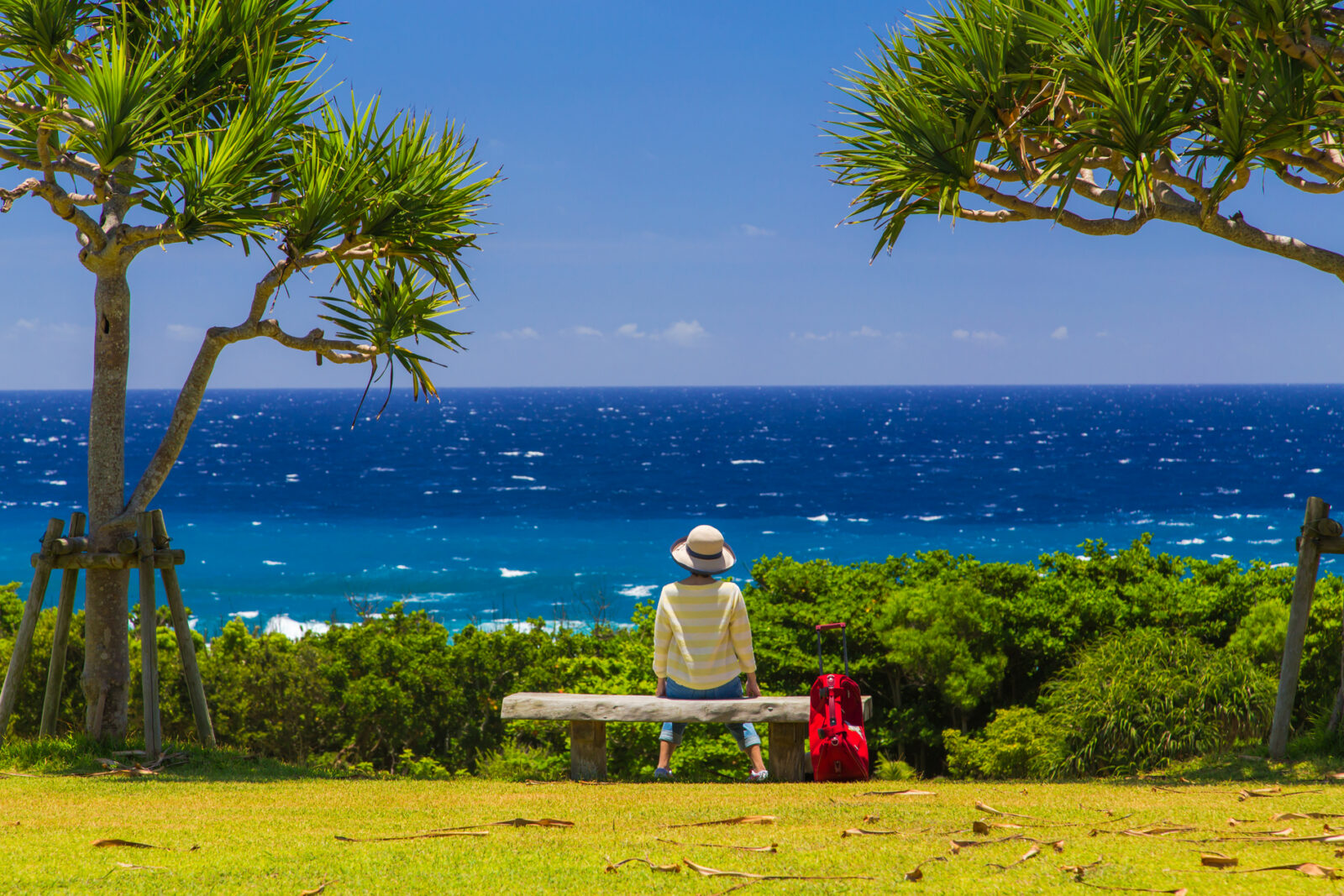
Dawn arrives gently in Ikaria. The Aegean light spills over stone terraces and wild thyme, soft enough to make the island feel half‑dreamed. An elderly man—lean, steady, unhurried—walks past carrying figs he picked before sunrise. Thousands of miles away, in Okinawa, the morning sun filters through tiled rooftops as an old woman tends her garden, humming while she harvests bitter melon. Her movements are slow but sure, shaped by decades of repetition. In both places, age doesn’t seem to press down. It simply exists, woven into the rhythm of the day.
Ikaria and Okinawa share an atmosphere that dissolves urgency. Life unfolds at a pace that feels almost forgotten—measured, grounded, deeply human. Meals stretch into conversations. Neighbors stop by without warning. The air tastes clean: salted and herbal in Ikaria, floral and warm in Okinawa. There’s no curated wellness aesthetic, no pressure to optimize or perform. Instead, well‑being is embedded in the landscape, the food, the rituals, the relationships. These islands don’t preach longevity. They live it.
Where Time Moves Differently
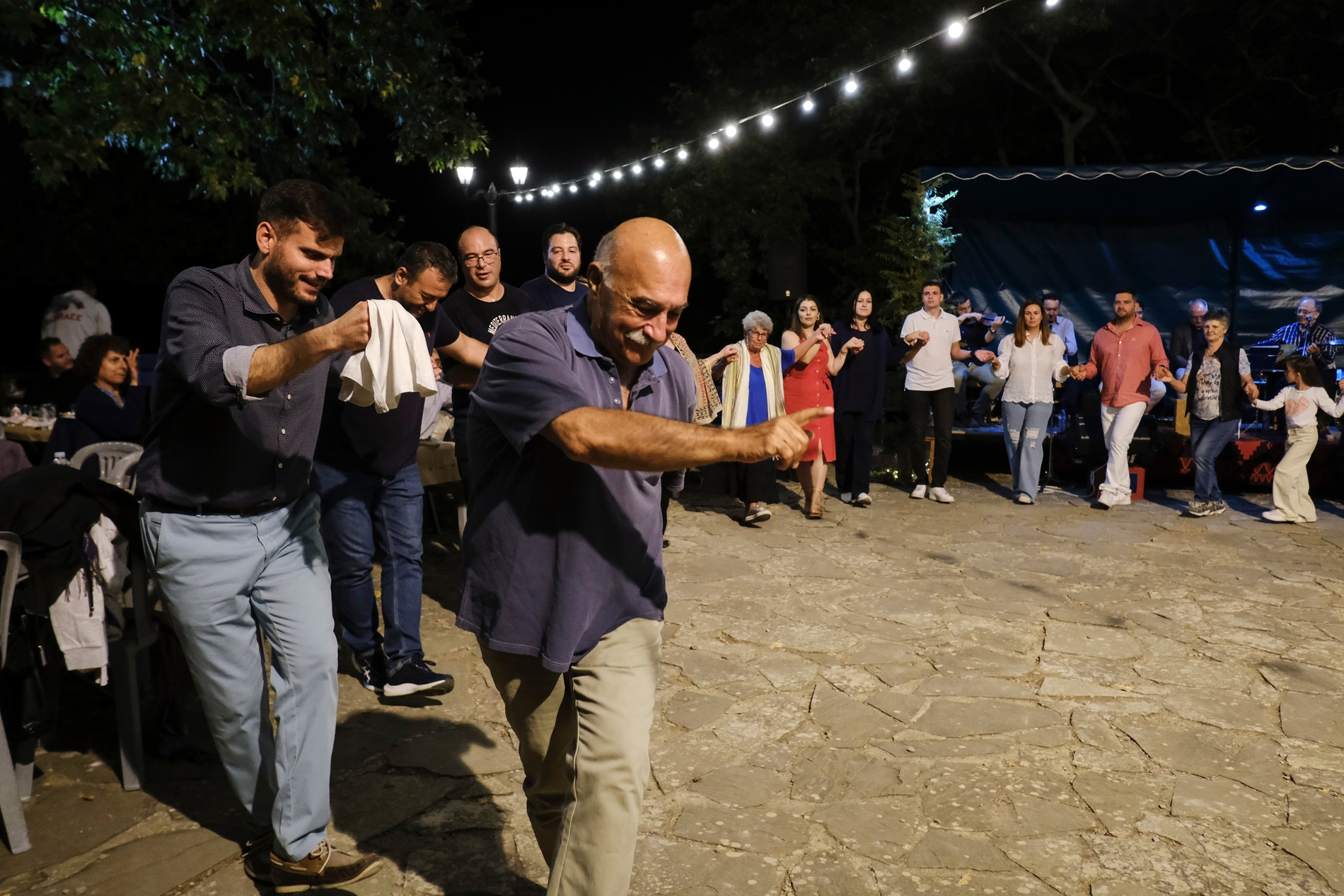
In Ikaria, the day is shaped by the sun and the sea. People walk everywhere—up steep hills, along goat paths, through villages where doors remain open. The island’s terraces, carved by hand generations ago, hold vines, herbs, and stories. Meals are simple but deeply satisfying: beans simmered with sage, vegetables pulled from backyard gardens, bread baked in wood‑fired ovens. Wine flows easily, but never hurriedly. Evenings stretch late, not because of nightlife, but because community is the island’s true heartbeat.
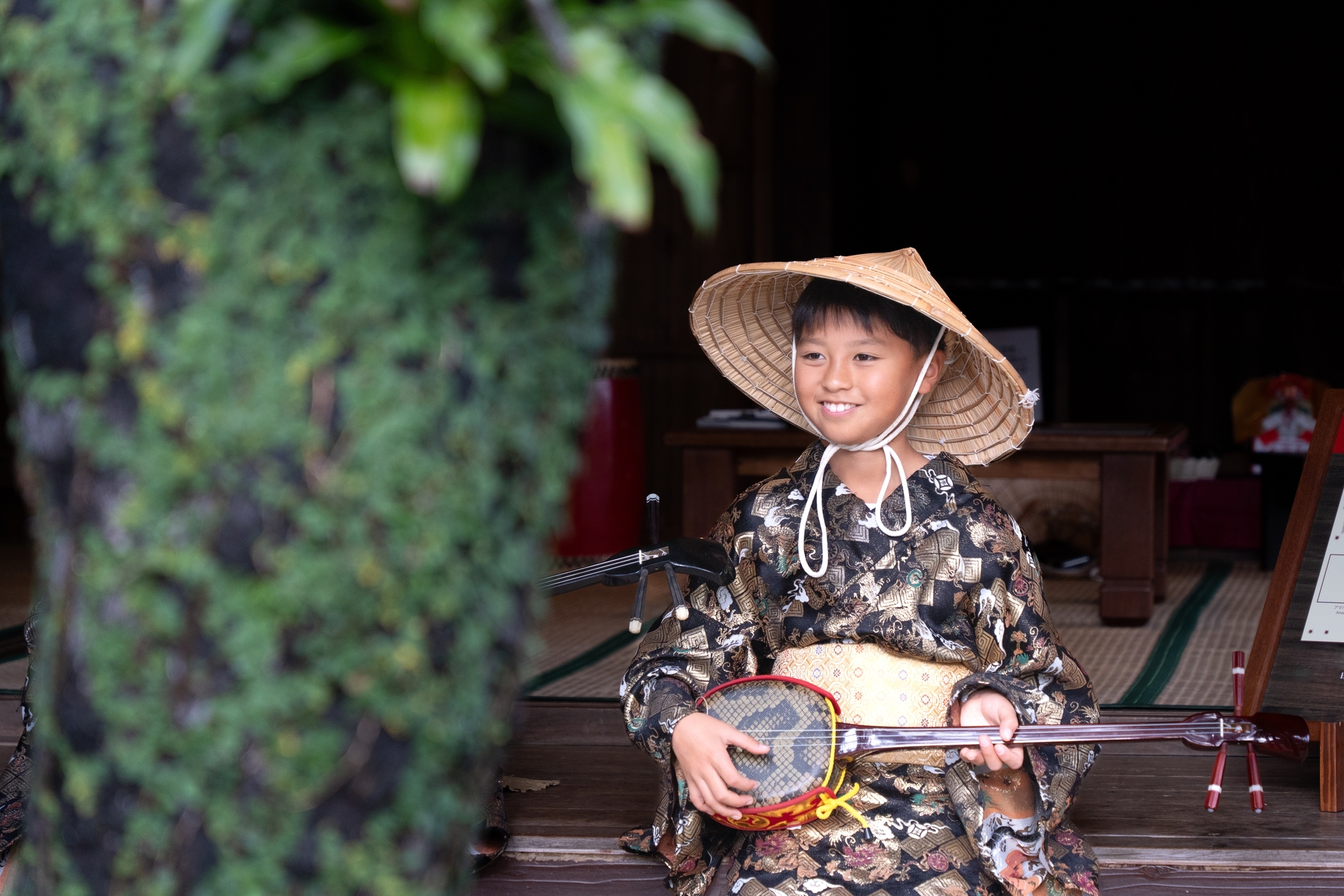
Okinawa’s rhythm is gentler but equally intentional. Here, longevity is anchored in ikigai—a sense of purpose that carries people through the decades. Meals are light and colorful: sweet potatoes, seaweed, tofu, goya, small portions of fish. Elders gather in moai, lifelong social circles that function as emotional and practical support systems. Movement is constant but never forced—gardening, walking, stretching, dancing. Wellness isn’t a goal; it’s a natural consequence of connection.
The Quiet Lessons of Two Islands
Both places offer a kind of recalibration. Ikaria teaches you to slow down without apology. The island invites you to match its pace, to let conversations linger, to let silence settle comfortably between sentences. Okinawa teaches you to live with intention, to find meaning in small rituals, to treat purpose as nourishment. Neither island feels like a retreat. They feel like reminders—of how the body thrives when life is lived in alignment with land, community, and time.
When the Islands Feel Their Most Alive
Ikaria is at its most tender in late spring and early autumn, when the hills glow green or gold and the air carries the scent of herbs warmed by the sun. Mornings are cool enough for a shawl; afternoons warm enough for a swim in water clear as glass. Okinawa reveals its gentlest self at sunrise, when fishermen push their boats into the sea and the villages wake slowly. The light is soft, the air warm, the world unhurried.
What You Carry Home
The memory of these places lingers long after you’ve left. Ikaria stays with you as the feeling of walking uphill with no rush, the taste of wine shared at a wooden table, the sound of laughter drifting through open windows. Okinawa remains in the quiet discipline of its rituals, the softness of its mornings, the warmth of its people. Both islands offer a blueprint for longevity that has nothing to do with trends and everything to do with presence.
In the end, the secret of these Blue Zones is disarmingly simple: live close to the land, close to your people, and close to yourself. The rest unfolds naturally.