

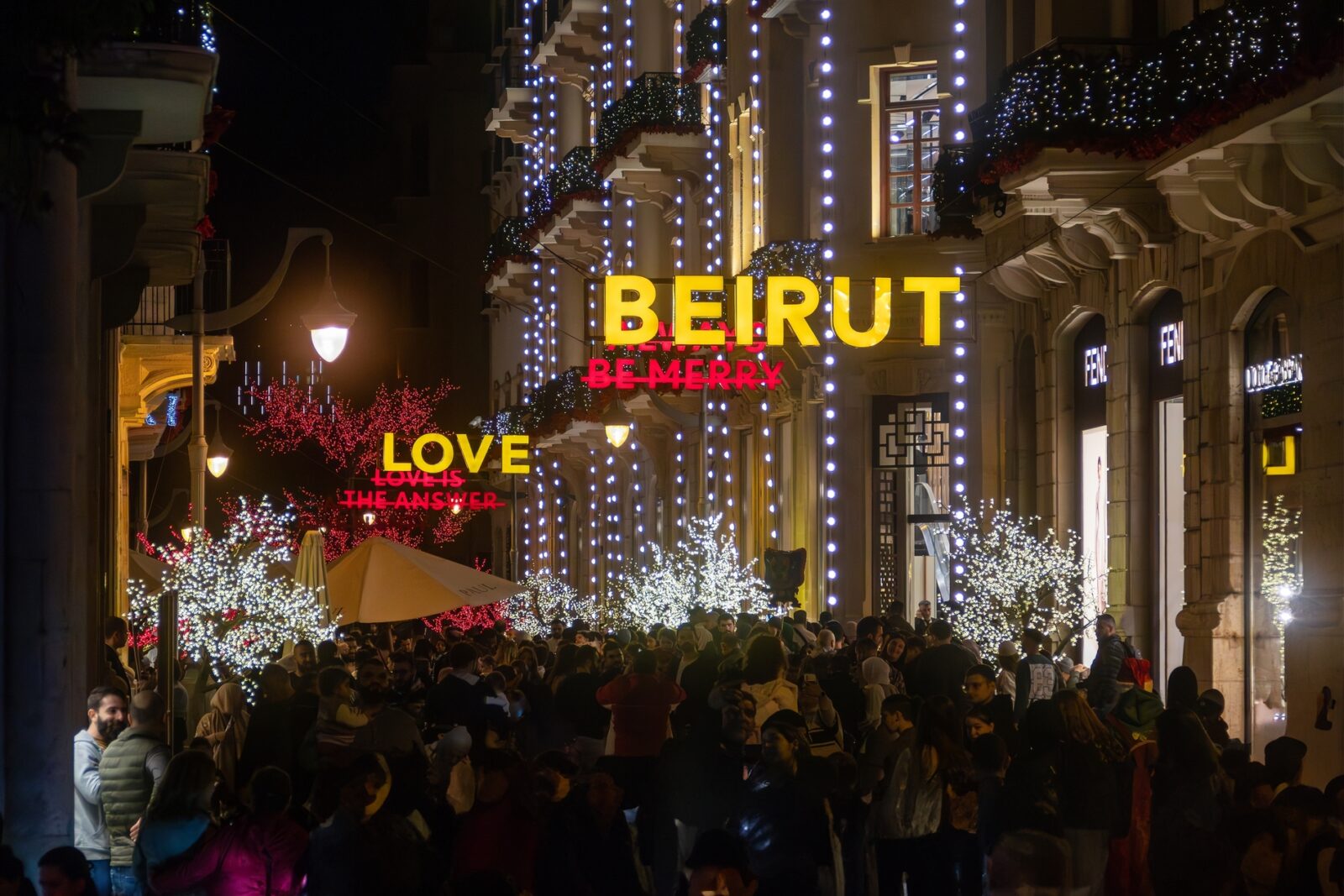
Night falls over Beirut with a kind of defiant beauty. The Mediterranean breeze drifts through palm‑lined boulevards, the call to prayer fades into the hum of traffic, and the city’s lights flicker on like a collective heartbeat. You follow a narrow staircase in Gemmayzeh, past murals painted after the blast, past bars rebuilt from rubble, past people who refuse to let the night go quiet. A door opens. Inside, the room glows amber—whiskey bottles catching the light, a DJ blending Arabic percussion with deep house, dancers moving with a joy that feels both fragile and fierce. In this moment—charged, hopeful, impossibly alive—you understand why Beirut’s nightlife is more than entertainment. It’s resilience set to rhythm.
The City That Parties Against the Odds
Beirut’s nightlife has survived war, crisis, blackout, and heartbreak. And yet, every night, the city rises. Bars reopen. DJs return. Crowds gather. The energy is not escapism—it’s insistence. A declaration that life continues, loudly and beautifully, no matter what.
This is a city where nightlife is a form of resistance.
Gemmayzeh and Mar Mikhael: The Beating Heart
These two neighborhoods form Beirut’s nocturnal spine.
- Gemmayzeh is intimate: narrow streets, candlelit bars, jazz lounges, and cocktail dens tucked behind French‑mandate facades.
- Mar Mikhael is kinetic: graffiti‑covered walls, neon‑lit terraces, and bars that spill into the street with a kind of joyful chaos.
The vibe shifts block by block—sophisticated, gritty, glamorous, improvised. Beirut contains multitudes.
Rooftops With Mediterranean Attitude
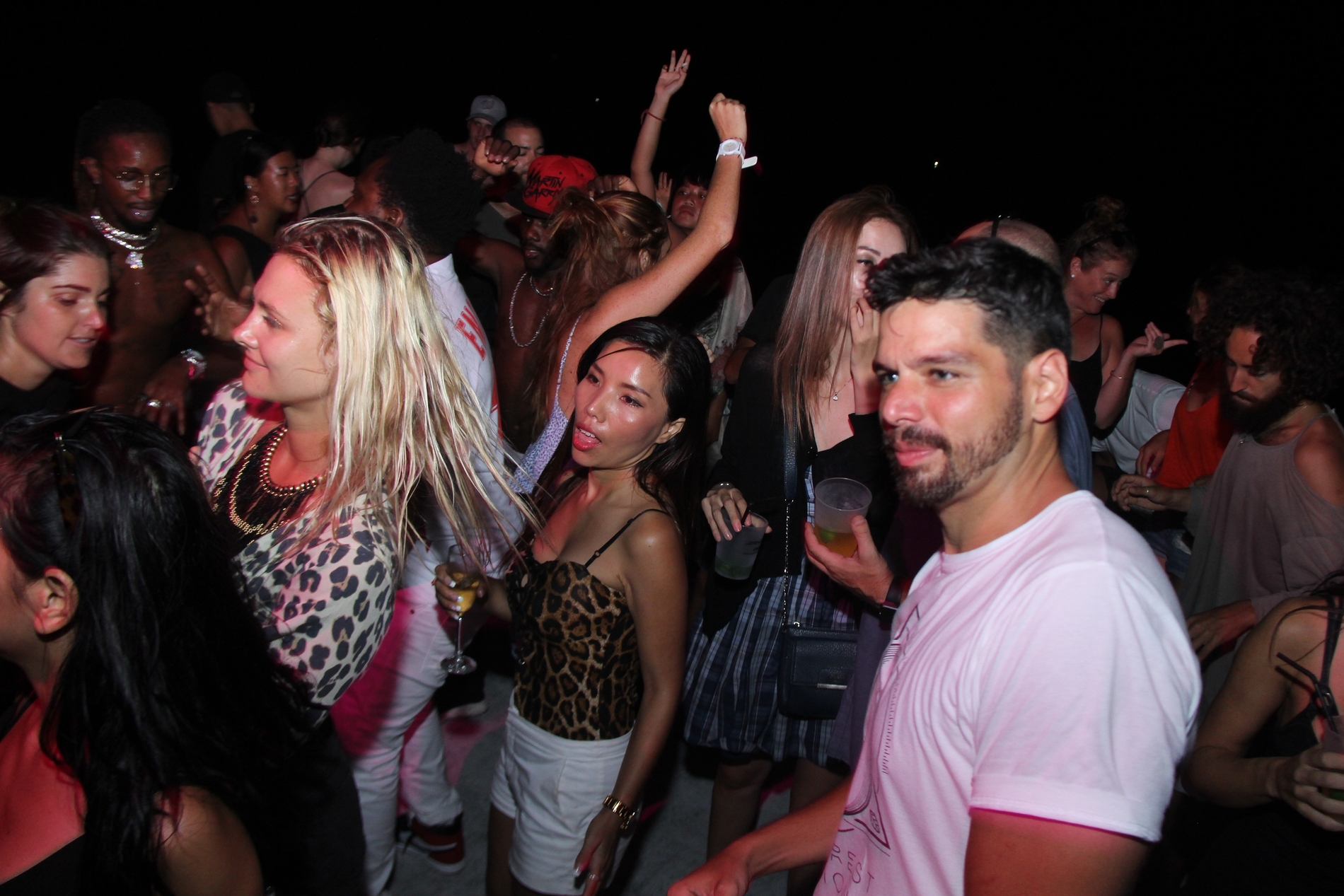
Beirut’s rooftops are legendary—open‑air lounges perched above the sea, infinity pools glowing turquoise, terraces where the skyline becomes part of the décor. Cocktails arrive infused with rosewater, citrus, and Levantine herbs. The breeze cools. The music deepens. The city glitters.
Rooftop nights here feel like dancing on the edge of a warm horizon.
The Sound of Beirut After Dark
Music in Beirut is a fusion of worlds:
- Arabic percussion layered over techno.
- Levantine melodies woven into deep house.
- Live oud solos drifting into electronic sets.
- DJs who treat the booth like a cultural bridge.
The sound is warm, emotional, and unmistakably Lebanese—modern but rooted, global but intimate.
Cocktails With Levantine Soul
Drinks here are crafted with flair and memory:
- Arak spritzes with mint and citrus.
- Pomegranate‑infused gin cocktails.
- Whiskey sours with orange blossom.
- Frozen drinks crowned with pistachio dust.
Every bar has its signature, and every signature tastes like a story.
A Crowd That Refuses to Dim
The Beirut crowd is a mosaic: artists, students, entrepreneurs, diaspora returnees, journalists, musicians, dreamers. Fashion is eclectic—streetwear meets couture, linen meets sequins, vintage meets avant‑garde. Conversations drift between Arabic, French, English, and Armenian. Everyone is here for the same reason: to feel alive, together.
The After‑Hours Drift
When the bars close, the city doesn’t sleep. People gather on the Corniche, feet dangling above the sea. Others slip into late‑night bakeries for manousheh and strong coffee. Someone plays Fairuz from a portable speaker. Someone else pours arak into paper cups. The night softens, but the pulse remains. Beirut’s after‑hours are as iconic as its clubs.
Dawn Over the Mediterranean
Eventually, the sky begins to lighten. Fishermen cast their lines. The sea turns silver. Rooftops empty into quiet streets. You walk home with the scent of jasmine in the air, the echo of drums in your chest, and the unmistakable feeling that you’ve witnessed a city dancing its way back to itself.
What the Beat Leaves Behind
A Beirut night lingers long after you’ve left the city. It’s the memory of dancing in a room rebuilt from heartbreak. The glow of lanterns on old stone. The feeling of being part of a collective exhale—a celebration of survival, beauty, and unbreakable spirit.
Beirut doesn’t rise to the occasion. It creates the occasion.