

A simple guide to preparing for one of the world’s most unforgettable hikes
The first time you see Machu Picchu after days of hiking through the Andes, it almost does not feel real. The ancient stone city appears through the morning mist, surrounded by green mountains and deep valleys. Most hikers stop walking for a moment and simply stare. After all the steep paths, early mornings, and long miles, you finally understand why so many people dream about this trek.
The Inca Trail is not just a hike. It is a journey through history, mountains, and breathtaking landscapes that lead to one of the most famous archaeological sites in the world.
What the Inca Trail Is Really Like
The Inca Trail is a famous trekking route in Peru that leads to Machu Picchu. The classic trek usually takes four days and covers about 26 miles through the Andes Mountains. Along the way, hikers pass ancient ruins, cloud forests, and stone paths built by the Inca civilization hundreds of years ago.
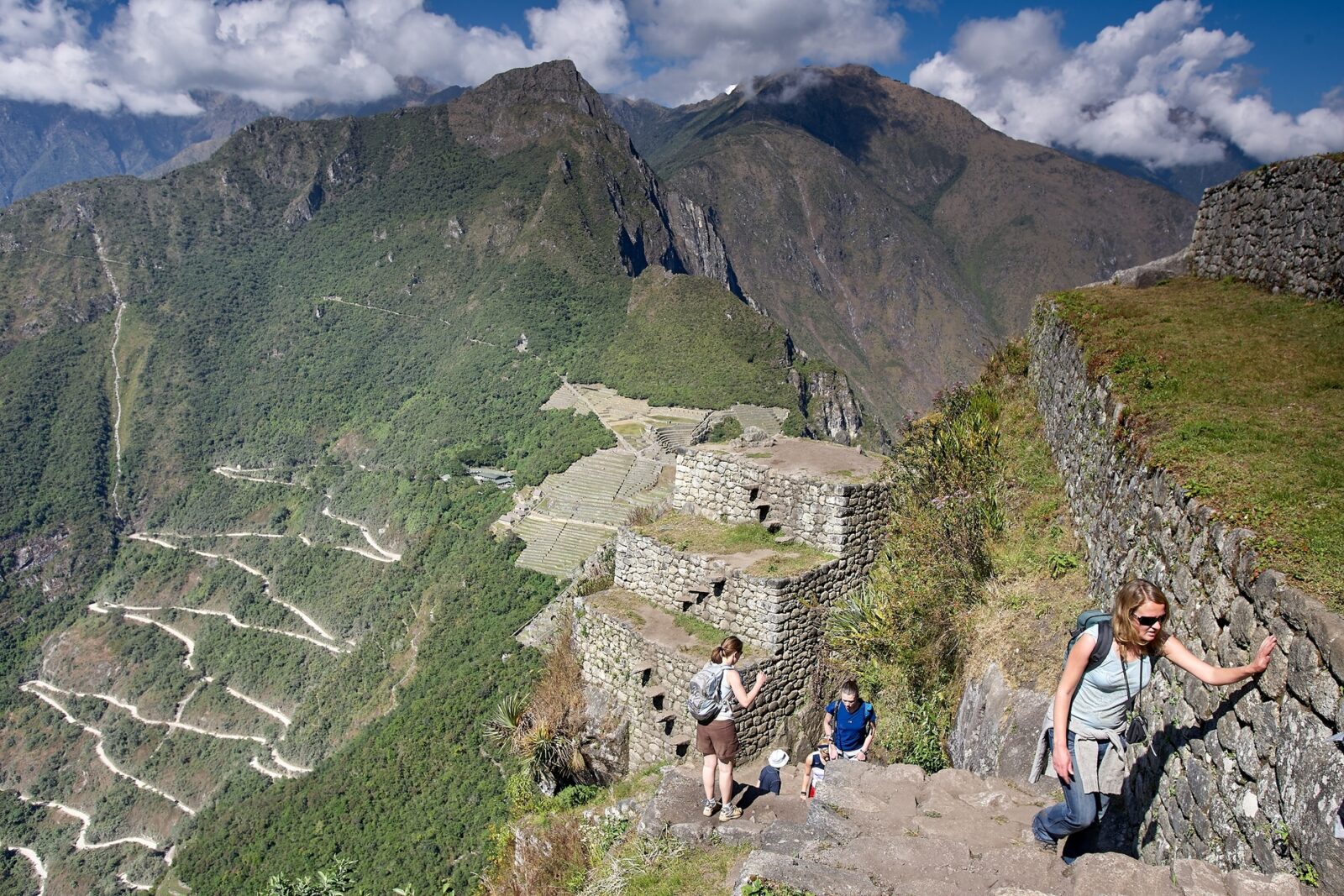
It is not an easy walk. Some parts of the trail climb steep mountain passes and include long staircases made of uneven stones. But the scenery and history make every step worth it.
Booking the Trek in Advance
One thing many Americans do not realize is that the Inca Trail has strict visitor limits. Only a certain number of hikers are allowed on the trail each day to protect the environment and the historical sites.
Because of this, permits often sell out months ahead of time, especially during the popular travel season from May through September. Most hikers book through licensed tour companies that handle permits, guides, food, and camping equipment.
Planning early is one of the most important steps for making this trip happen.
Preparing for the Altitude
Altitude is one of the biggest challenges for first time trekkers. The trail reaches high elevations, with the highest point known as Dead Woman’s Pass at over 13,000 feet.
Many travelers spend a couple of days in Cusco before starting the trek so their bodies can adjust to the thinner air. Drinking plenty of water, taking things slowly, and listening to your body can make a big difference.
The first day might feel easy, but the higher sections of the trail can test your stamina.
What to Pack for the Journey
Packing wisely can make your trek much more comfortable. Most tour companies provide tents, meals, and support staff, but hikers still need to bring personal gear.
Good hiking shoes are essential because the stone paths can be uneven and slippery. Lightweight clothing layers work best since mountain weather can change quickly. A rain jacket, sunscreen, a reusable water bottle, and a small daypack are also important.
It is tempting to bring too many items, but keeping your pack light will make the hike much easier.
The Trail Experience
Each day on the Inca Trail feels a little different. One morning you might be hiking through misty forests filled with birds and orchids. Later in the day you could be climbing stone steps with views stretching across the Andes.
Guides often stop at hidden ruins along the trail and share stories about how the Inca people once used these paths. These moments turn the trek into something more meaningful than just reaching a destination.
The Final Morning
On the last day, hikers wake up before sunrise and make their way toward the famous Sun Gate. When the clouds begin to lift, Machu Picchu slowly appears in the distance.
That first view is something many hikers never forget. After days on the trail, seeing the ancient city spread across the mountain feels like a reward for every step of the journey.
The Inca Trail is challenging, but it is also inspiring. For many Americans, it becomes more than a vacation. It becomes a personal adventure that stays in their memory long after they return home.