

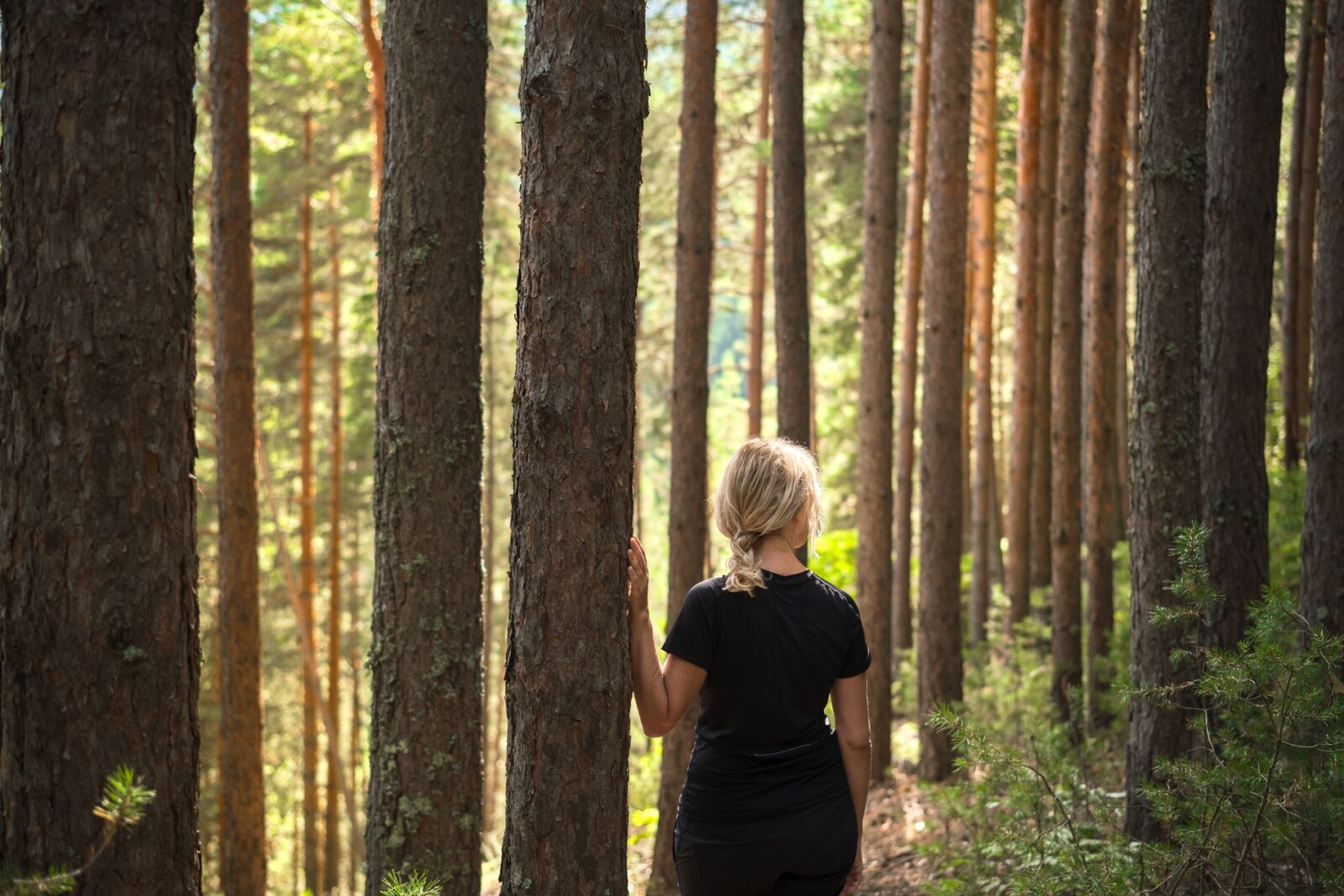
The forest greets you before you even step inside. A cool breath of cedar drifts across the path, carrying the faint sweetness of moss warmed by morning light. Sunbeams filter through the canopy in thin, shifting ribbons, illuminating particles of dust that float like slow‑moving fireflies. You take a few steps deeper, and the world changes. The air thickens with quiet. Leaves rustle overhead with the softness of a whispered conversation. Your shoulders drop without you telling them to. For the first time in days—maybe weeks—you feel your mind unclench.
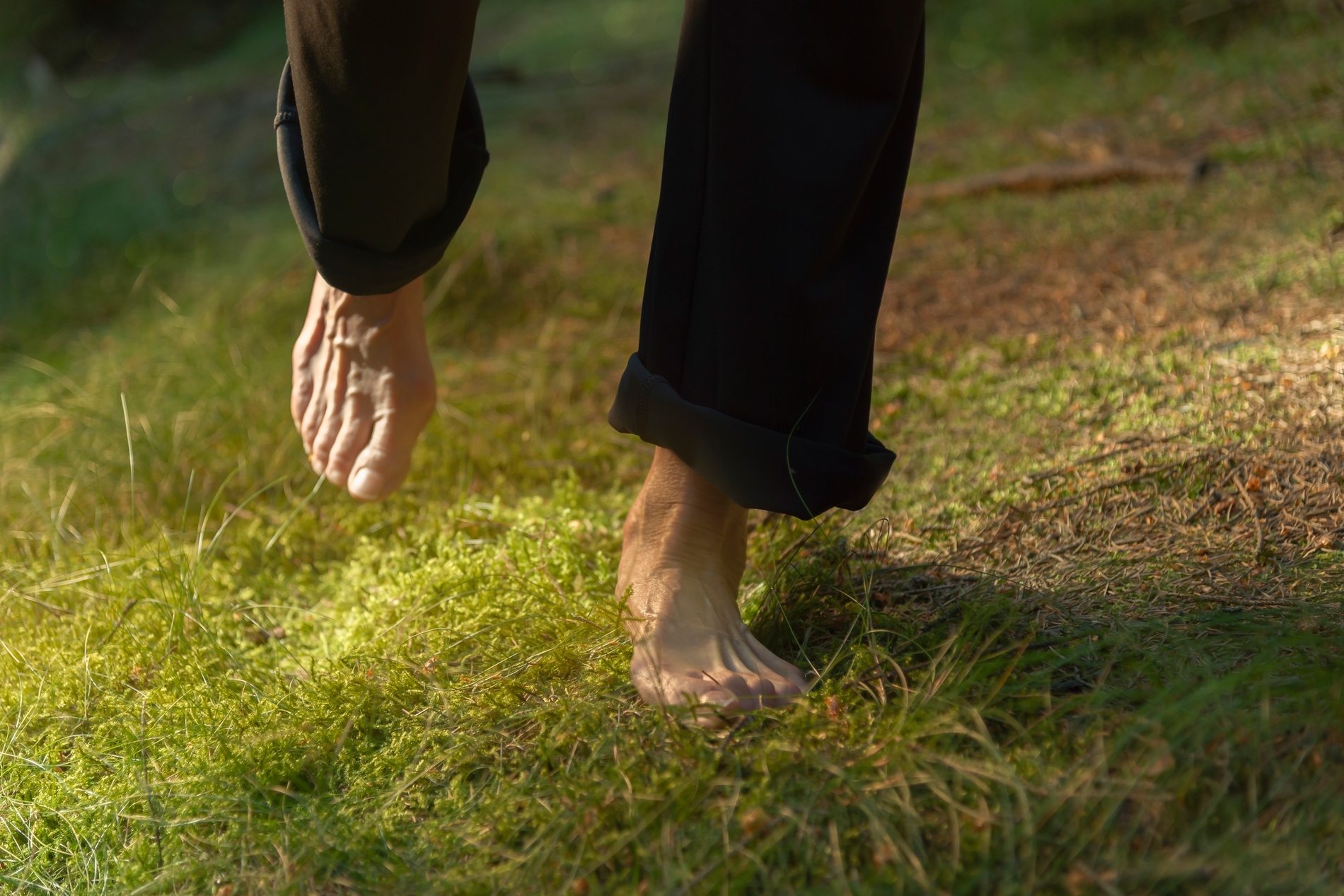
Shinrin‑yoku, or forest bathing, isn’t about hiking or reaching a viewpoint. It’s about letting the forest work on you the way a warm bath does—gently, steadily, without effort. There’s no agenda, no pace to keep, no destination to reach. You move slowly, almost instinctively, noticing the texture of bark beneath your fingertips, the way the light shifts as clouds pass, the layered scent of earth, pine, and damp leaves. The forest becomes a kind of companion—steady, patient, unhurried.
There’s a quiet intimacy to the experience. You’re not escaping the world; you’re reentering it through a softer door.
Where Nature Becomes Medicine
Japan’s forests have long been considered sacred, but the practice of shinrin‑yoku emerged in the 1980s as a response to rising stress levels. Scientists began studying what people had always felt intuitively: time in the forest changes the body. Heart rates slow. Cortisol drops. Breathing deepens. The immune system strengthens, boosted by phytoncides—natural compounds released by trees that act like invisible tonics.
But the science only explains part of it. The rest is emotional. Forests offer a kind of presence that modern life rarely does. They don’t demand attention; they invite it. They don’t rush; they wait. You begin to match their rhythm without realizing it.
The Deep Dive
A true forest bath unfolds gradually. You walk without urgency, letting your senses lead. The sound of a distant stream draws you off the main path. A patch of sunlight warms a fallen log, inviting you to sit. You close your eyes and hear layers of sound you hadn’t noticed before: the low hum of insects, the soft crackle of leaves under a bird’s feet, the wind shifting through branches like a slow exhale.
There’s a moment—always a quiet one—when your mind stops narrating and starts listening. That’s the heart of shinrin‑yoku. Not mindfulness as a technique, but awareness as a natural consequence of being somewhere that asks nothing of you.
When you finally leave the forest, you feel different. Not transformed, exactly—just more aligned, as if something inside you has been gently recalibrated.
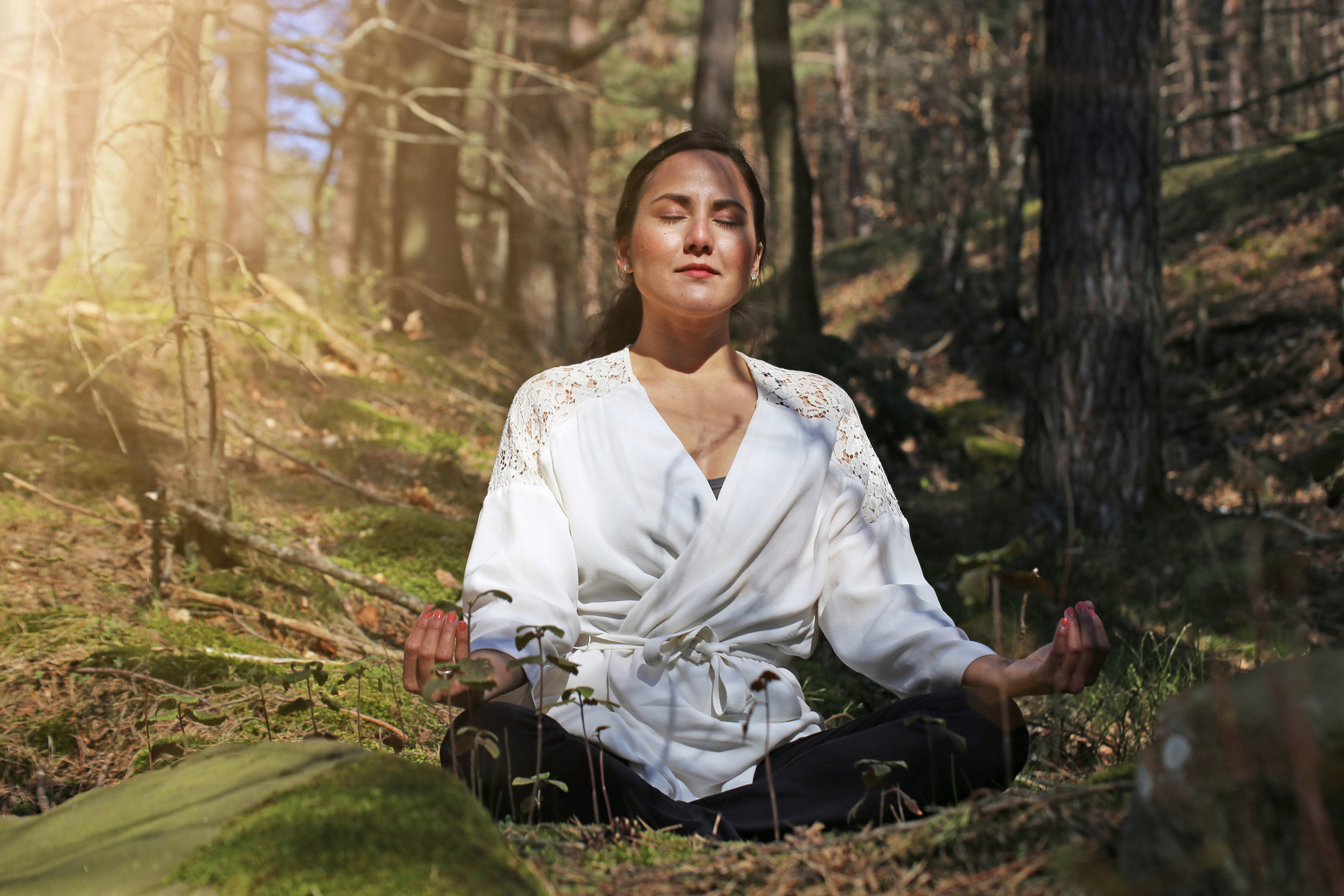
When the Forest Feels Most Alive
Forest bathing works in any season, but each one offers its own kind of medicine. Spring carries the scent of new growth and the softness of fresh leaves. Summer wraps the forest in warmth and birdsong. Autumn paints the canopy in gold and rust, the air crisp enough to sharpen the senses. Winter, though quieter, offers a stark beauty—bare branches, cold air, the crunch of frost underfoot—that heightens every breath.
The forest doesn’t need perfect conditions to do its work. It simply needs your presence.
What You Carry Home
Shinrin‑yoku lingers long after you’ve left the woods. You remember the coolness of shade on your skin, the rhythm of your breath syncing with the wind, the way your thoughts softened into something more spacious. You return home with a quieter mind, a steadier pulse, and a renewed sense of connection—to the world, to your body, to the parts of yourself that thrive in stillness.
Forest bathing teaches that wellness isn’t always about doing. Sometimes it’s about allowing—allowing the world to meet you where you are, allowing your senses to wake up, allowing yourself to be held by something older and wiser than any routine.