

The first sound you notice is the wind. It moves through the pines above the Dochula Pass with a low, steady hum, carrying the faint flutter of prayer flags stretched across the ridge. Below, the Himalayas rise in pale morning light—peaks so sharp they look carved from ice. Your phone is buried deep in your pack, switched off, irrelevant. For the first time in a long while, your attention feels whole. A monk in crimson robes walks past you, hands folded, gaze soft. He nods, as if recognizing the quiet settling inside you.
Bhutan has a way of stripping life back to its essentials. The country’s rhythm is slow but intentional, shaped by mountains, monasteries, and a cultural instinct to protect what matters. Silence isn’t an absence here; it’s a presence—felt in the stillness of forest paths, in the echo of temple bells, in the way people speak with purpose rather than speed. The digital world feels distant, almost fictional. What remains is texture: the warmth of butter tea between your palms, the scent of juniper smoke drifting from a hillside shrine, the soft crunch of gravel beneath your boots.
This is a place where your nervous system recalibrates without asking permission.
Where Stillness Becomes a Teacher
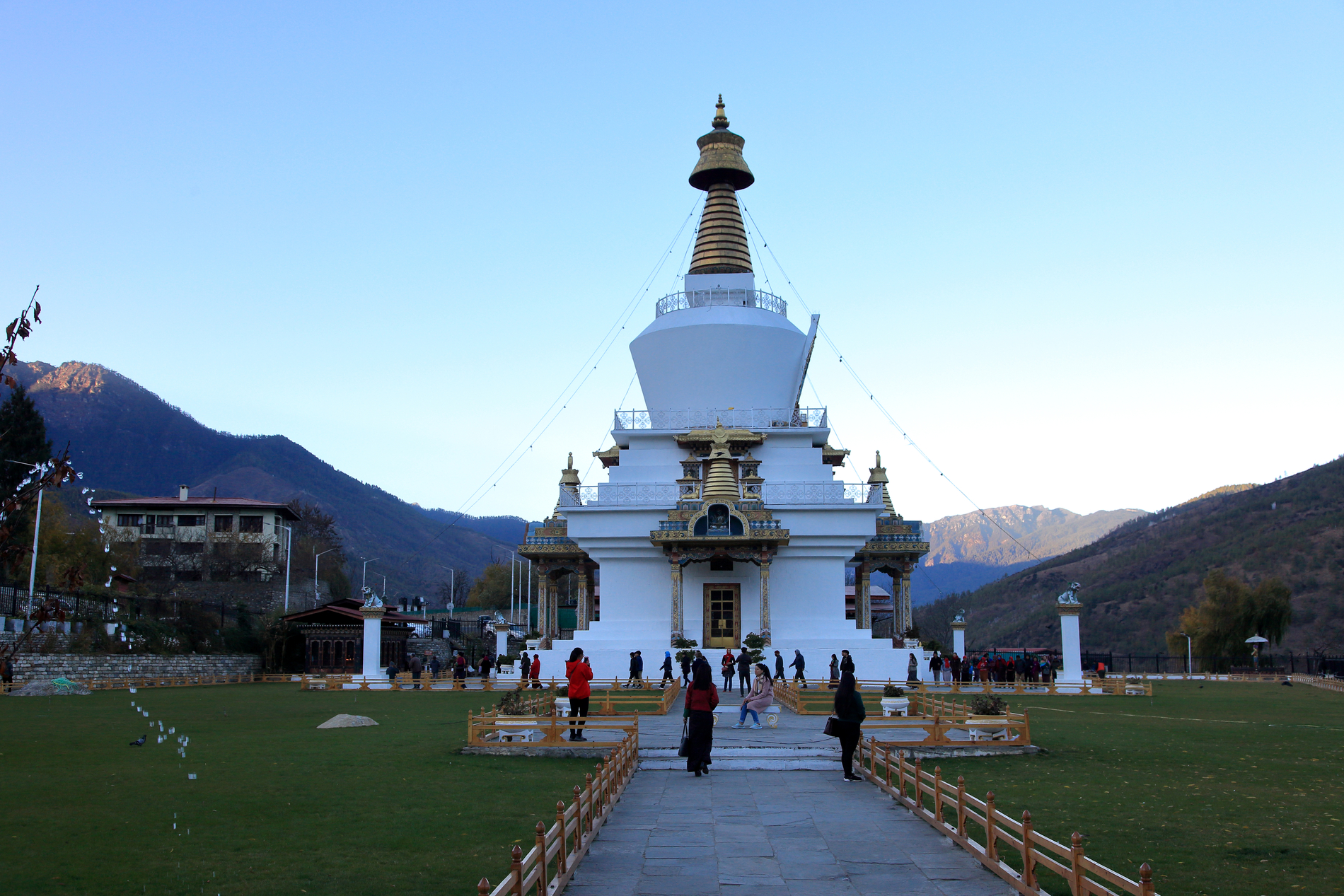
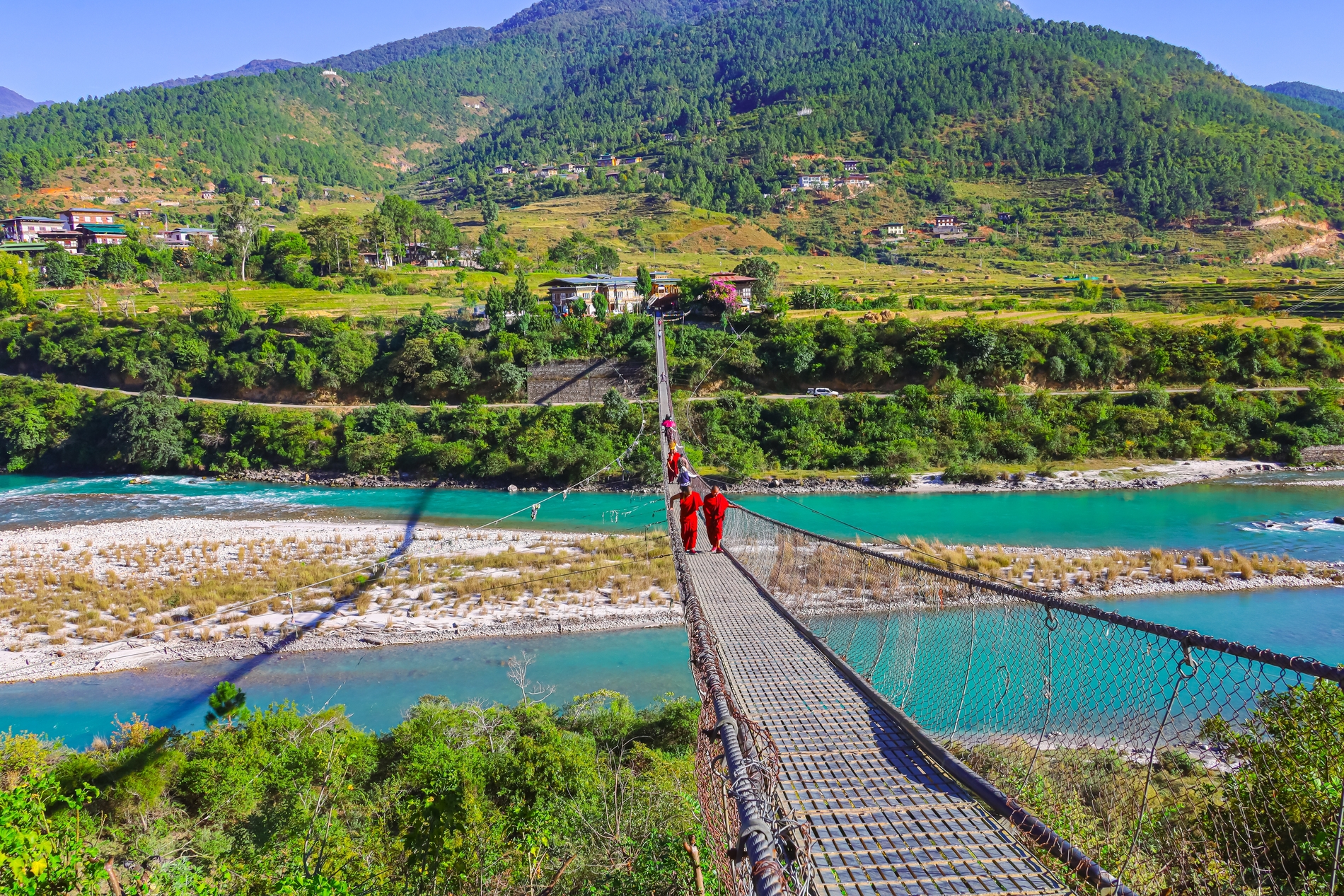
In Bhutan, the art of the digital detox isn’t a trend. It’s a natural extension of how people live. Days begin with light—soft, cool, unhurried. Villagers sweep their doorsteps. Monks chant in temples that have stood for centuries. Travelers move through landscapes that demand presence: terraced fields glowing green after rain, suspension bridges draped in prayer flags, mountain passes where clouds drift low enough to touch.
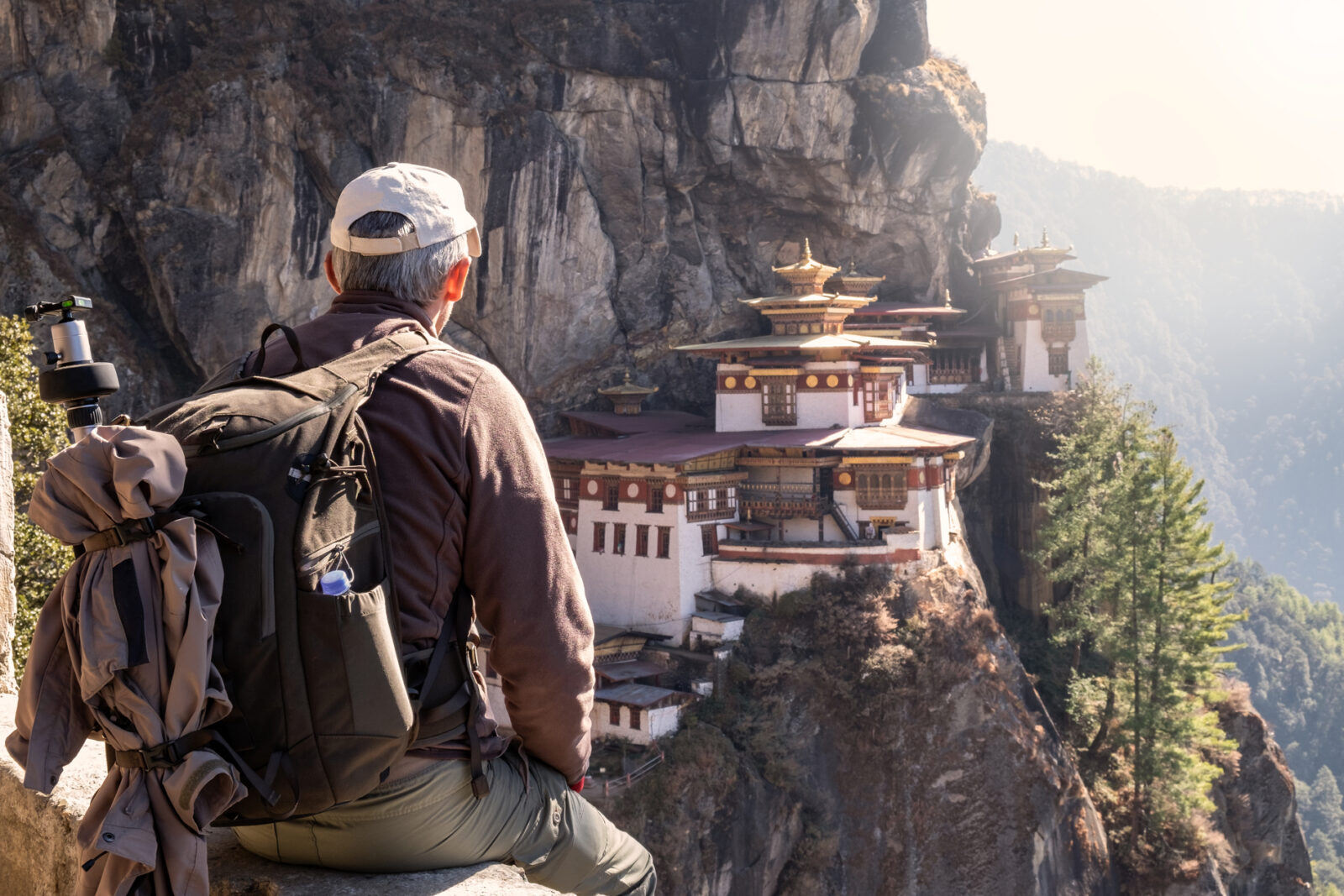
You start to notice the small things again. The way the air thins as you climb toward a monastery perched on a cliff. The rhythm of your breath syncing with the trail. The quiet pride of a farmer offering you a handful of roasted red rice. Without screens, your senses sharpen. Colors feel richer. Conversations deepen. Time stretches.
The Deep Dive
A digital detox in Bhutan isn’t about deprivation. It’s about returning to a more elemental way of being. In the courtyards of ancient dzongs, you feel the weight of history in the stone beneath your feet. In remote valleys, you hear rivers before you see them—cold, fast, alive. Evenings unfold slowly: a simple meal, a warm fire, the distant bark of a dog, the sky thick with stars.
The country’s philosophy of Gross National Happiness isn’t a slogan; it’s a lived framework that prioritizes balance over productivity. You feel it in the way people greet you—with curiosity, not haste. You feel it in the landscapes that remain untouched because they are considered sacred. You feel it in the silence that follows you everywhere, not empty but resonant.
When Bhutan Feels Its Most Transformative
Spring and autumn reveal Bhutan at its gentlest. In spring, rhododendrons bloom in bursts of red and pink along the mountain trails. In autumn, the air turns crisp and clear, perfect for long walks through terraced fields and forested ridges. These are seasons when the country feels both intimate and expansive, when the light softens just enough to make the world seem newly washed.
What You Carry Home
The memory of Bhutan lingers in sensations rather than snapshots. The warmth of a wooden prayer wheel beneath your palm. The hush inside a temple lit only by butter lamps. The feeling of your mind settling into a quieter register. You return home with a different relationship to silence—less wary, more welcoming. The digital world resumes, but it no longer owns your attention.