

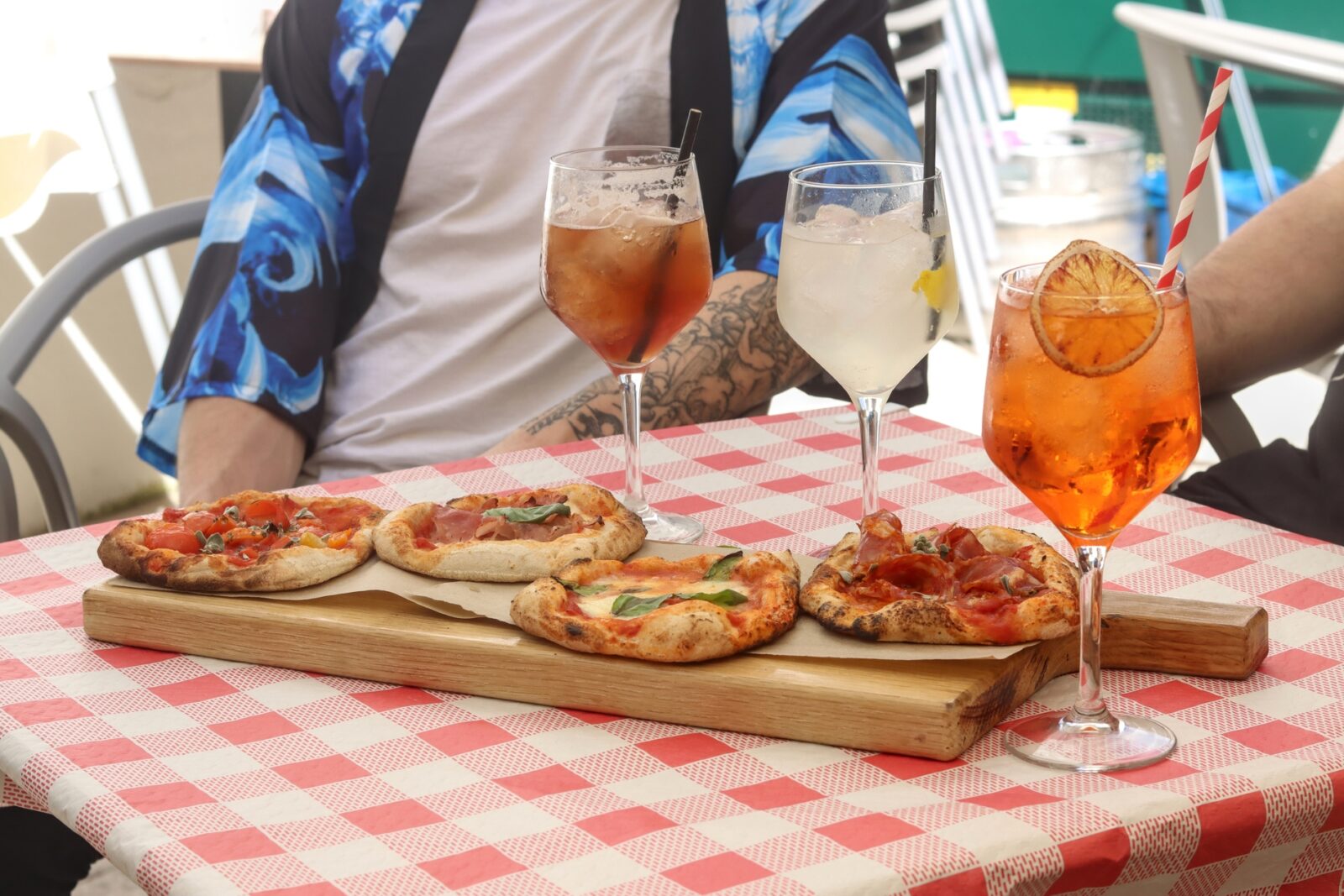
Golden hour in Milan doesn’t simply arrive—it unfurls. The city’s marble façades soften under the fading sun, trams glide past with a metallic sigh, and the air fills with the unmistakable perfume of citrus, vermouth, and possibility. You cross a cobblestone piazza toward a bar glowing with amber light, where impeccably dressed locals gather at small round tables. A bartender in a crisp white jacket stirs a Negroni with the precision of a jeweler. Platters of olives, focaccia, and Parmigiano drift through the room like edible invitations. In this moment—elegant, unhurried, impossibly Milanese—you understand that the aperitivo is not a drink. It’s a ritual.
The City That Invented the Evening
Milan’s aperitivo culture is woven into the city’s identity. It began as a simple pre‑dinner drink meant to awaken the appetite, but over time it evolved into a social ceremony—an hour where work dissolves, conversation flows, and the city’s creative pulse becomes visible. From Brera’s bohemian corners to Porta Venezia’s fashion‑forward terraces, the aperitivo is the thread that ties Milan’s neighborhoods together.
It’s not about indulgence. It’s about intention.
Where Style Meets Spirit
Milanese bars are temples of design. Some are sleek and modern, all glass and steel, reflecting the city’s contemporary edge. Others are intimate, dimly lit spaces with marble counters and vintage posters. Whether you’re perched at a rooftop overlooking the Duomo or tucked into a hidden courtyard, the atmosphere is always curated with the same precision as a runway show.
Every detail matters—the lighting, the music, the glassware, the posture of the bartender.
The Cocktail as Craft
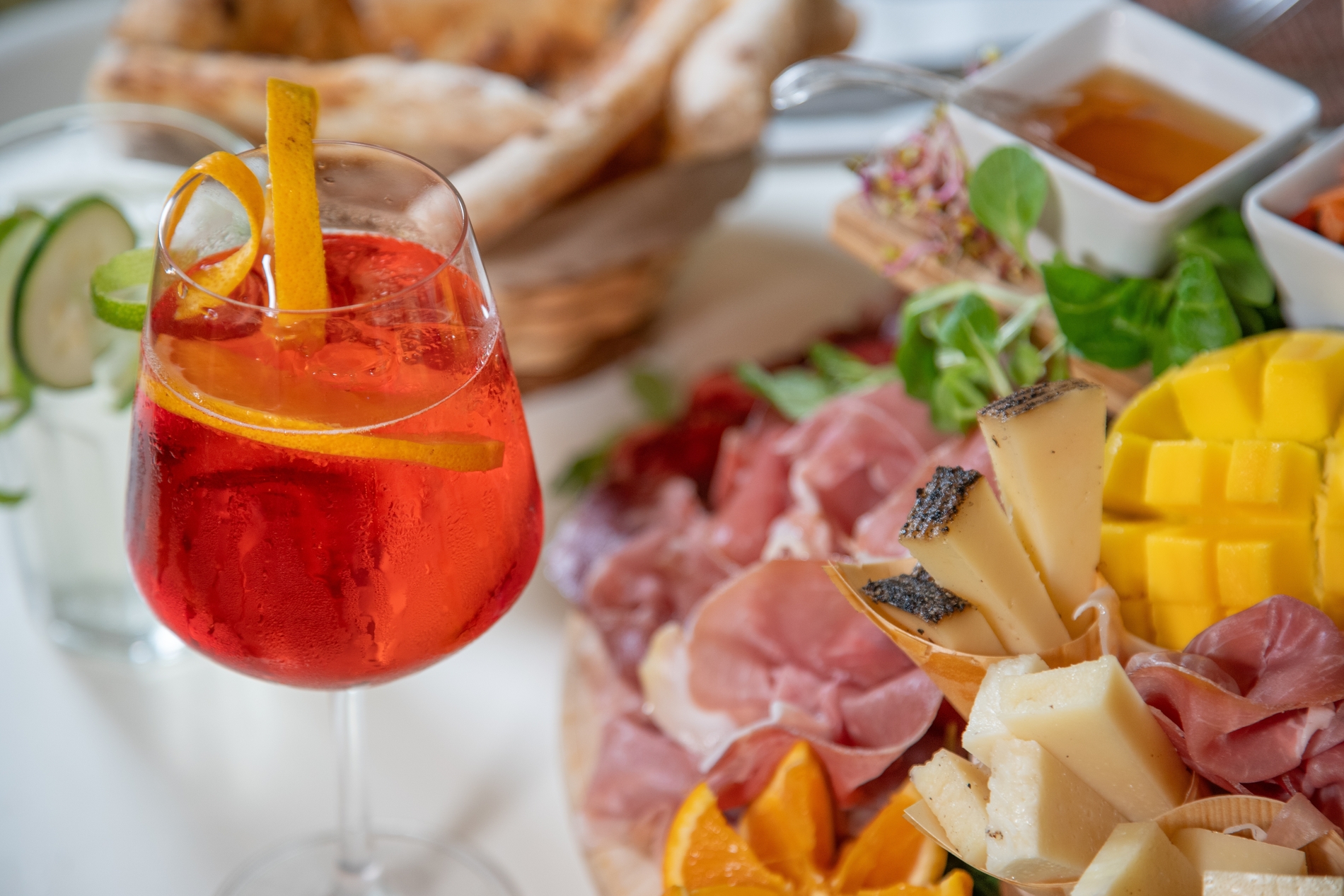
The aperitivo menu is a masterclass in balance. The Negroni arrives ruby‑red and perfectly bitter. The Spritz glows sunset orange, effervescent and bright. The Americano offers a gentler, more aromatic embrace. And then there are the modern interpretations—bergamot‑infused vermouths, saffron‑kissed gins, and cocktails garnished with rosemary smoked tableside.
Milan doesn’t follow trends. It refines them.
The Art of the Spread
Aperitivo is never just a drink. It’s a table. Bowls of olives glisten under warm lights. Crostini arrive topped with burrata, anchovies, or truffle cream. Thin slices of salumi curl beside wedges of aged cheese. Sometimes the offerings are simple; sometimes they resemble miniature feasts.
But the intention is always the same: to slow the evening, to savor, to socialize.
A Crowd That Defines Chic
The Milanese crowd is a study in effortless elegance. Designers, editors, architects, students, and travelers gather with the same quiet confidence. Linen suits, silk blouses, sculptural jewelry, and perfectly tailored jackets move through the room like a living mood board. Conversations drift between Italian, English, and French, punctuated by laughter and the soft clink of glasses.
In Milan, the aperitivo is where the city’s style becomes human.
When Aperitivo Becomes Night
As the sky deepens, the energy shifts. Bars dim their lights. Music warms into deeper rhythms. Some guests drift toward dinner reservations; others stay, letting the aperitivo stretch into a full evening of cocktails and conversation. A few wander to late‑night lounges where DJs spin minimal house beneath sculptural lighting.
Milan doesn’t rush. It transitions.
Dawn Over the Navigli
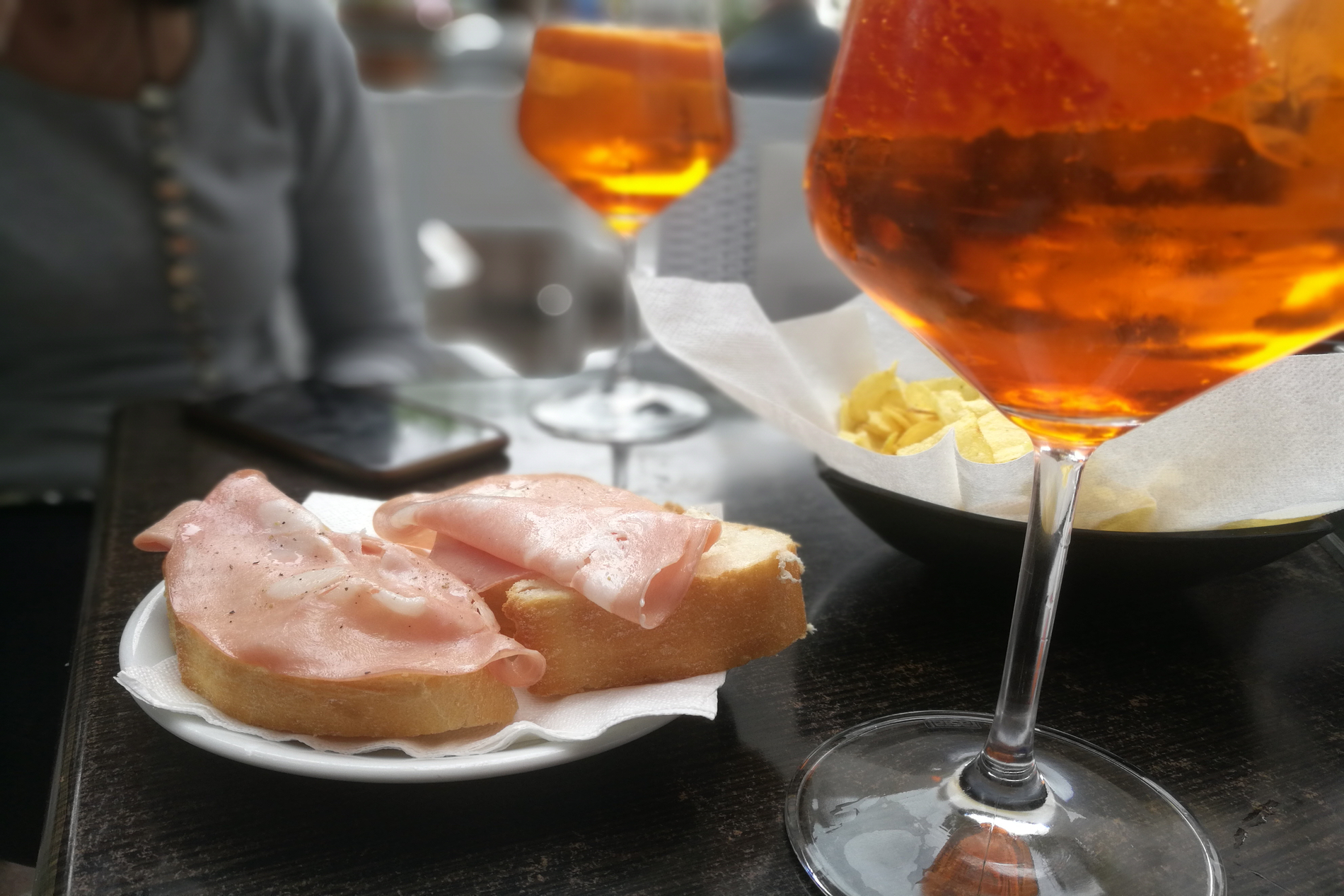
Eventually, the night softens. The canals reflect the first hints of morning. Street sweepers hum. A lone cyclist glides past. You walk home with the taste of bittersweet vermouth lingering on your tongue and the unmistakable feeling that you’ve participated in something quintessentially Milanese—an art form disguised as an hour.
Milan doesn’t just serve aperitivo. It elevates it.
What the Ritual Leaves Behind
A Milanese aperitivo lingers long after you’ve left the city. It’s the memory of a perfectly stirred drink. The glow of amber light on marble. The hum of conversation rising like a soft chorus. The feeling of being suspended between day and night, appetite and indulgence, elegance and ease.
Milan doesn’t rise to the occasion. It defines it.