

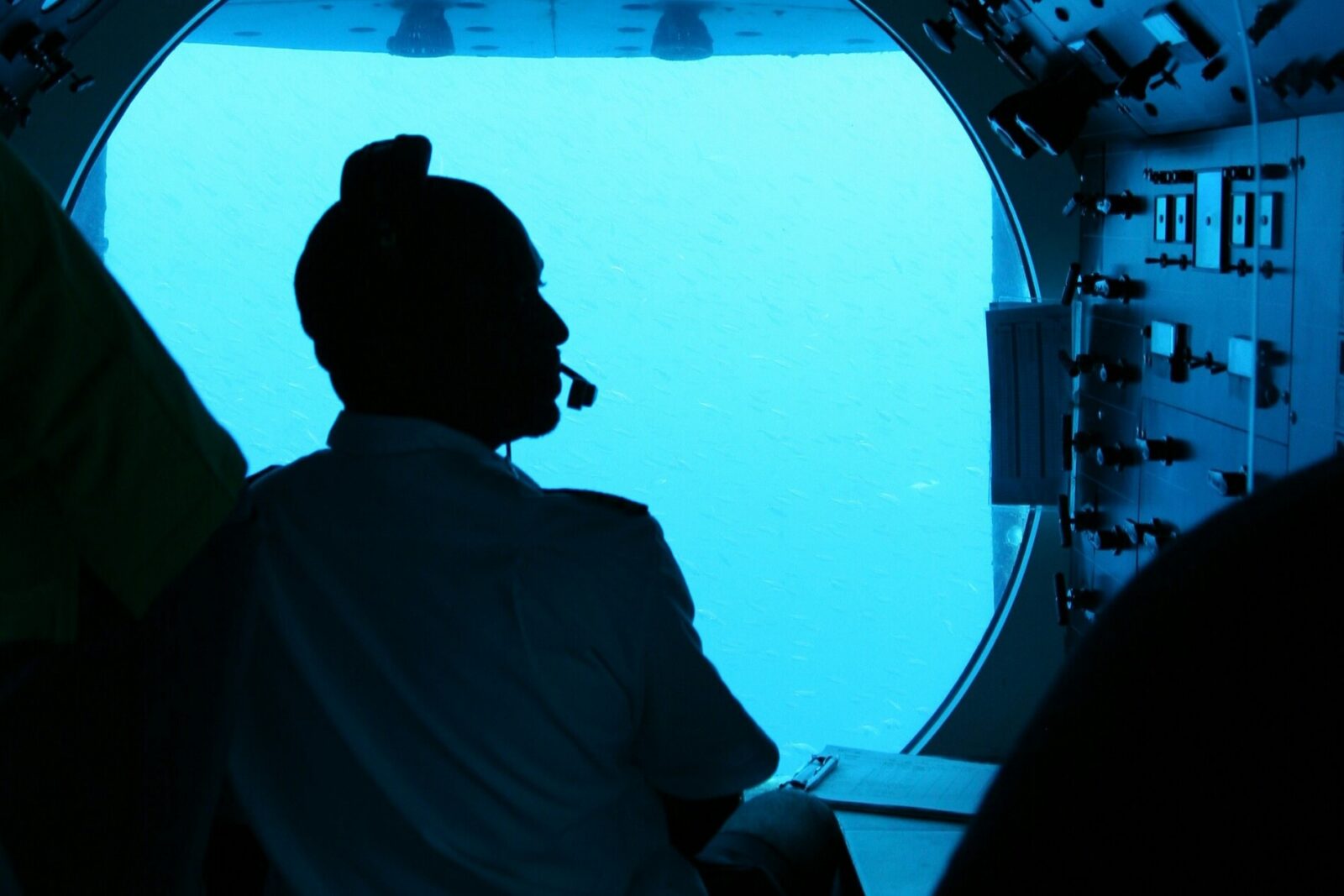
There is a moment—just before the descent—when the ocean feels like a threshold. The surface ripples softly, the sky hangs low and pale, and the submersible waits like a glass‑blown seedpod resting on the water. You step inside, the hatch seals with a muted click, and the world shifts. The air becomes still. The lights dim to a soft aquatic blue. Outside, the ocean stretches in every direction, calm and inscrutable. Inside, the pilot begins the countdown, fingers gliding over controls that hum with quiet precision.
Then the vessel tilts, sinks, and the surface dissolves above you. Light fractures. Color fades. Pressure deepens. And you realize you’re entering a realm few humans have ever seen, an ancient world that has existed in silence for millions of years.
Private submersible tourism isn’t just a new frontier of adventure. It’s a new way of listening to the planet.
A Frontier Built for Curiosity
Deep‑sea expeditions don’t feel like laboratories. They feel like sanctuaries suspended in water—spaces where technology softens rather than overwhelms. The cabin is warm, quiet, almost meditative. You hear the gentle whir of thrusters, the soft ping of sonar, the pilot’s calm voice describing the descent.
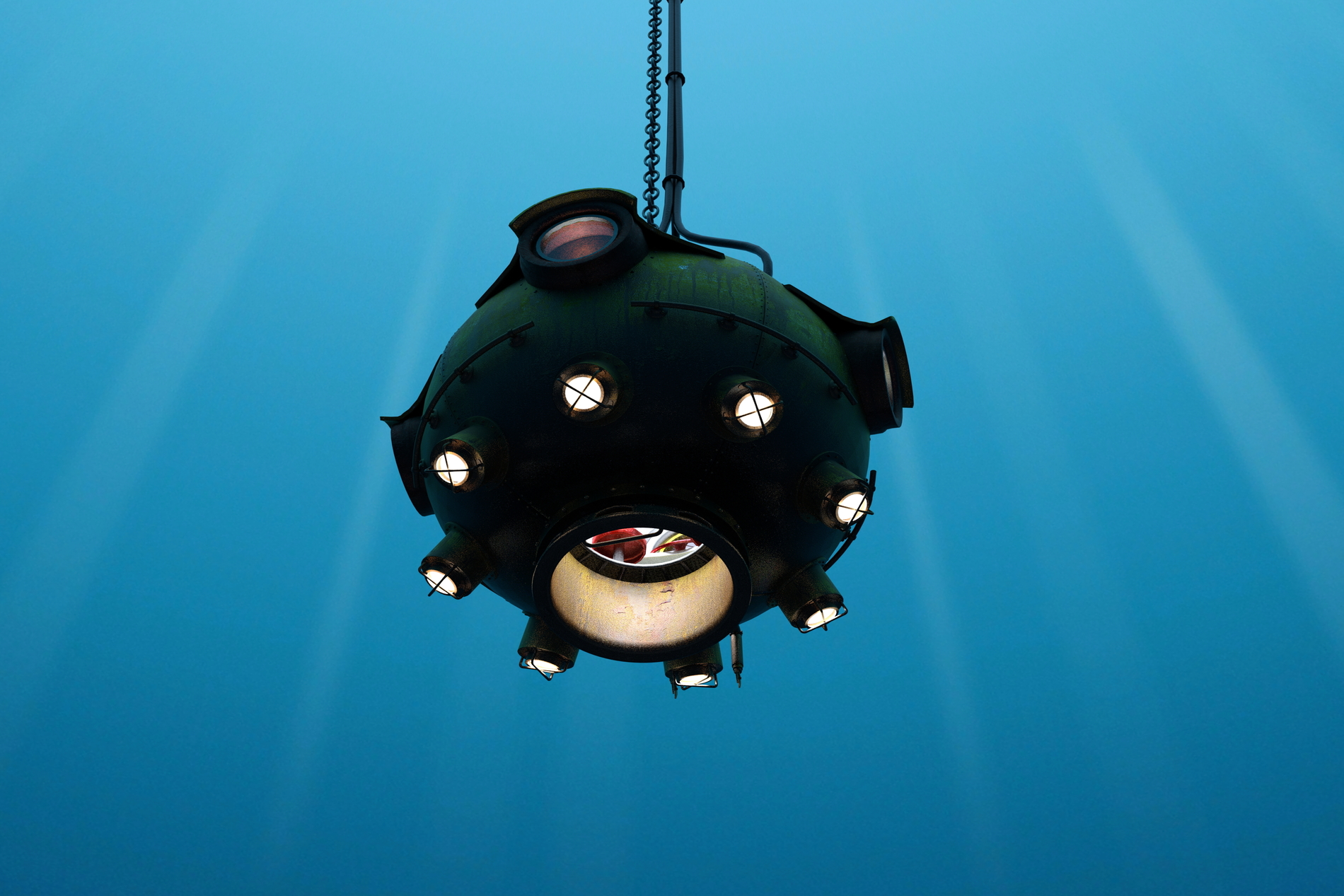
The design language leans toward comfort: curved acrylic windows offering panoramic views, cushioned seats, ambient lighting that mimics twilight. The tech is present, but it integrates seamlessly—oxygen levels displayed in a soft glow, navigation screens dimmed to preserve your night vision.
There’s a sense of stepping into a future where exploration isn’t conquest but communion.
Where Innovation Meets Awe
A deep‑sea dive begins with data—depth profiles, current patterns, sonar maps—but the real experience unfolds beyond the screens.
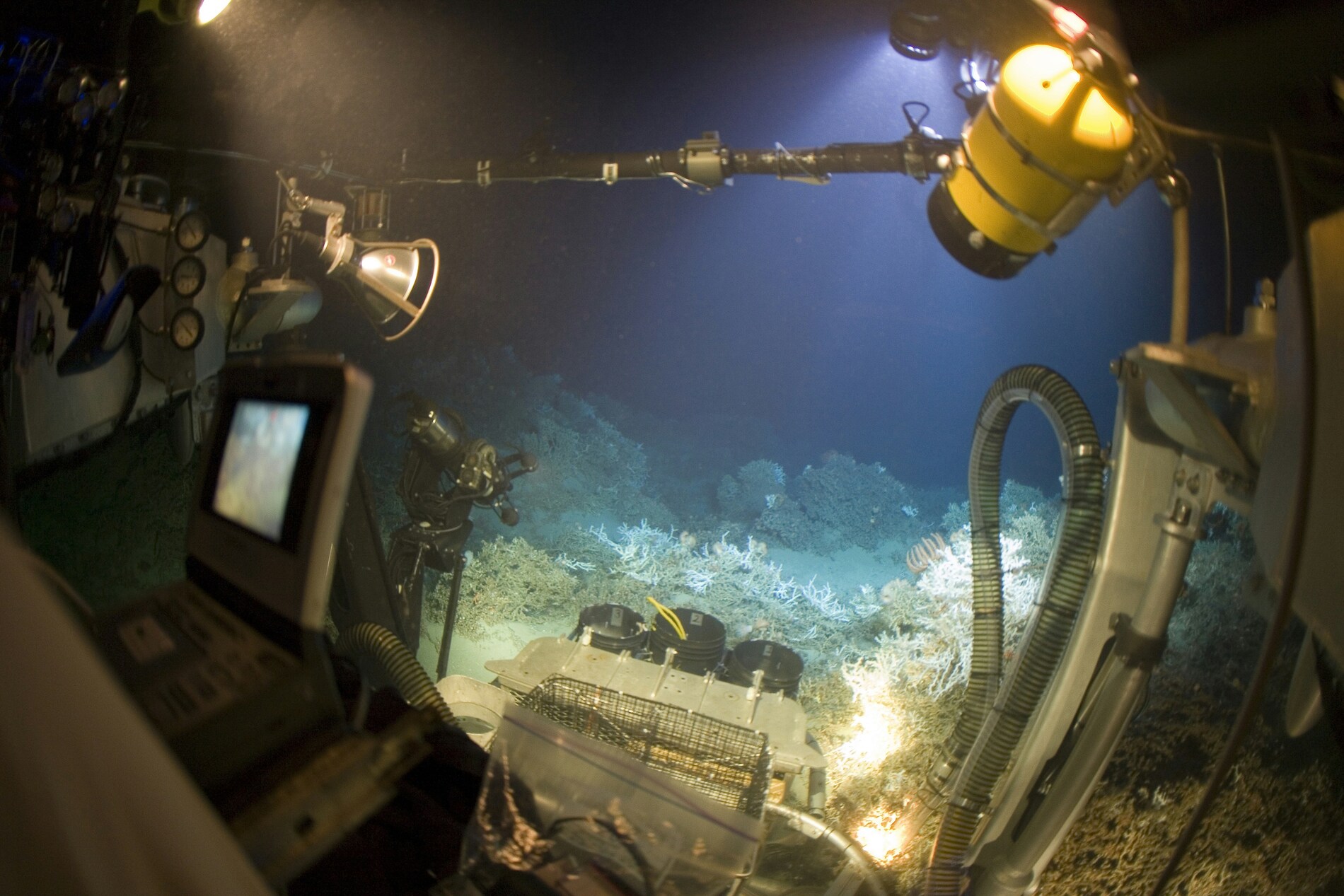
Bioluminescent creatures drift past like living constellations. A barrel‑eye fish hovers in the dark, its transparent head glowing faintly. A giant isopod scuttles across the seafloor. Coral gardens bloom in neon colors where geothermal vents warm the water. And then, slowly, the silhouette of a shipwreck emerges—silent, skeletal, draped in centuries of marine life.
The technology enhances the experience, but the awe comes from the contrast—precision paired with mystery.
The Deep Dive
What sets private submersible tourism apart is the way it blends engineering with emotion. The pilot might point out a rare species illuminated by the vessel’s soft lights, but the moment itself feels deeply human—your breath catching, your pulse slowing, your mind expanding to hold the scale of what you’re seeing.
The dive unfolds with a rhythm that feels both structured and spacious. You descend slowly, pausing at layers of the ocean few humans have ever witnessed. You glide along underwater cliffs taller than skyscrapers. You hover above hydrothermal vents that pulse with heat and life. You watch the seafloor rise and fall like a landscape sculpted by time.
Between dives, you sit on deck with a cup of hot tea, watching the ocean shift from silver to blue to black. You realize you’re not here to “discover.” You’re here to witness—to let the deep sea reveal itself on its own terms.
When the Ocean Feels Most Revealing
Deep‑sea expeditions shine in the calmer seasons—late spring and early autumn—when the water is steady and visibility improves.
- Mornings offer the smoothest descents.
- Afternoons bring shifting currents that make the journey feel more dynamic.
- Evenings belong to the surface—sunset reflecting off the waves, the vessel rocking gently, the mind settling into quiet awe.
These are the months when the contrast between surface and depth feels most dramatic, when the ocean is primed to reveal its hidden architecture.
What You Carry Home
The dive stays with you in subtle ways. You notice the quiet more. You breathe deeper. You move with a little more reverence. The data you leave with—depth logs, species notes, sonar maps—is fascinating, but the real transformation is experiential: the memory of bioluminescence drifting past your window, the hum of the submersible at 1,000 meters, the quiet clarity that settled in your chest as the deep sea opened around you.
Deep‑sea exploration teaches that adventure isn’t a battle against the unknown. It’s a dialogue—a way of listening to the planet with both technology and wonder.