

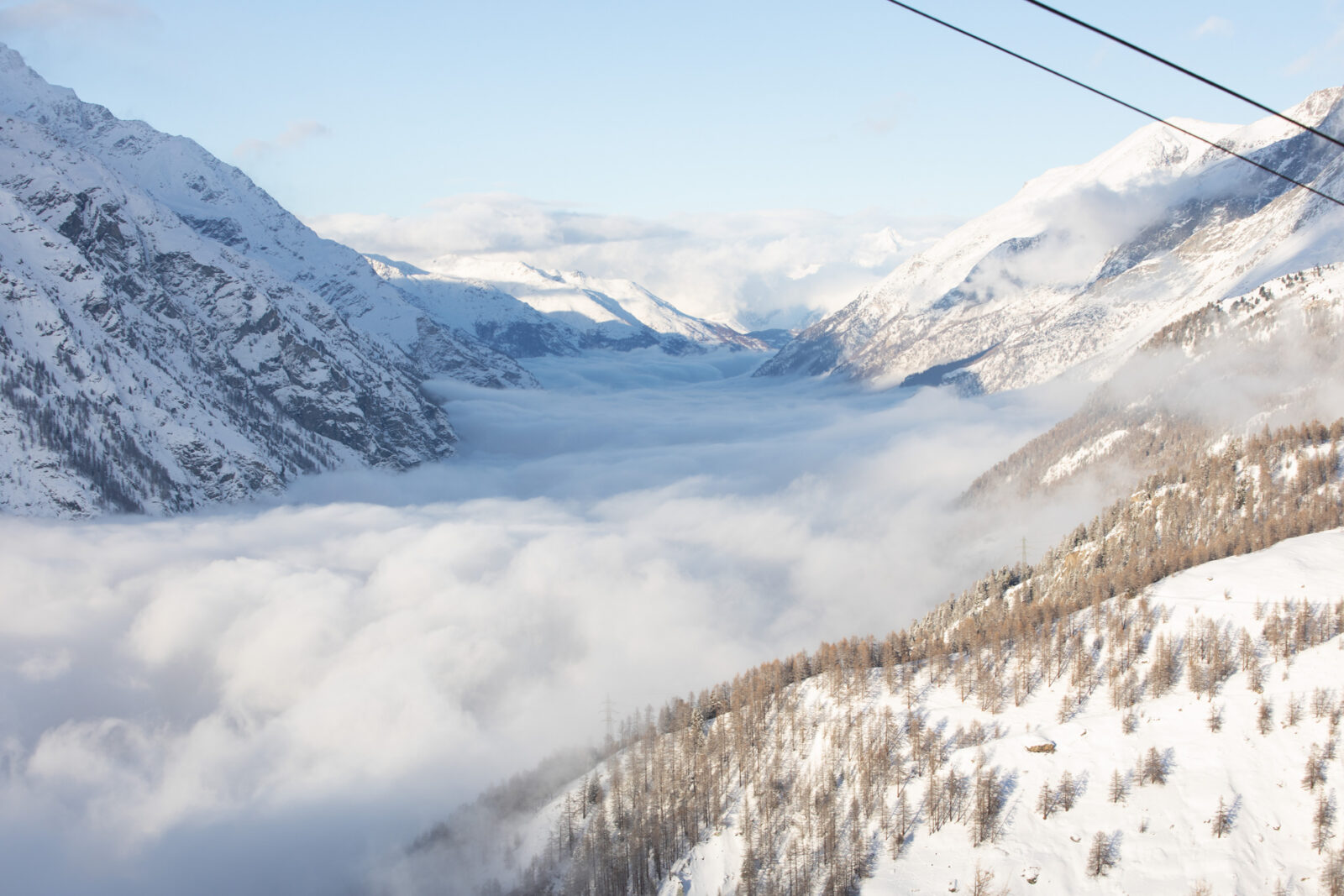
The first thing you notice is the weight of the silence. Not emptiness—silence. A kind of grounded stillness that settles over the mountains just after sunrise. You stand on the terrace of a concrete‑clad suite, coffee warming your hands, watching the Alps emerge from a veil of morning mist. The structure behind you is stark, monolithic, unapologetically geometric. Yet the moment the light hits its raw surfaces, the building softens, revealing textures that echo the cliffs around it. A chamois moves across a distant ridge. The air tastes of pine and cold stone. In this suspended moment, you understand the paradox at the heart of Brutalist luxury: a retreat that feels both sheltering and exposed, intimate and immense.
Where Concrete Learns to Breathe
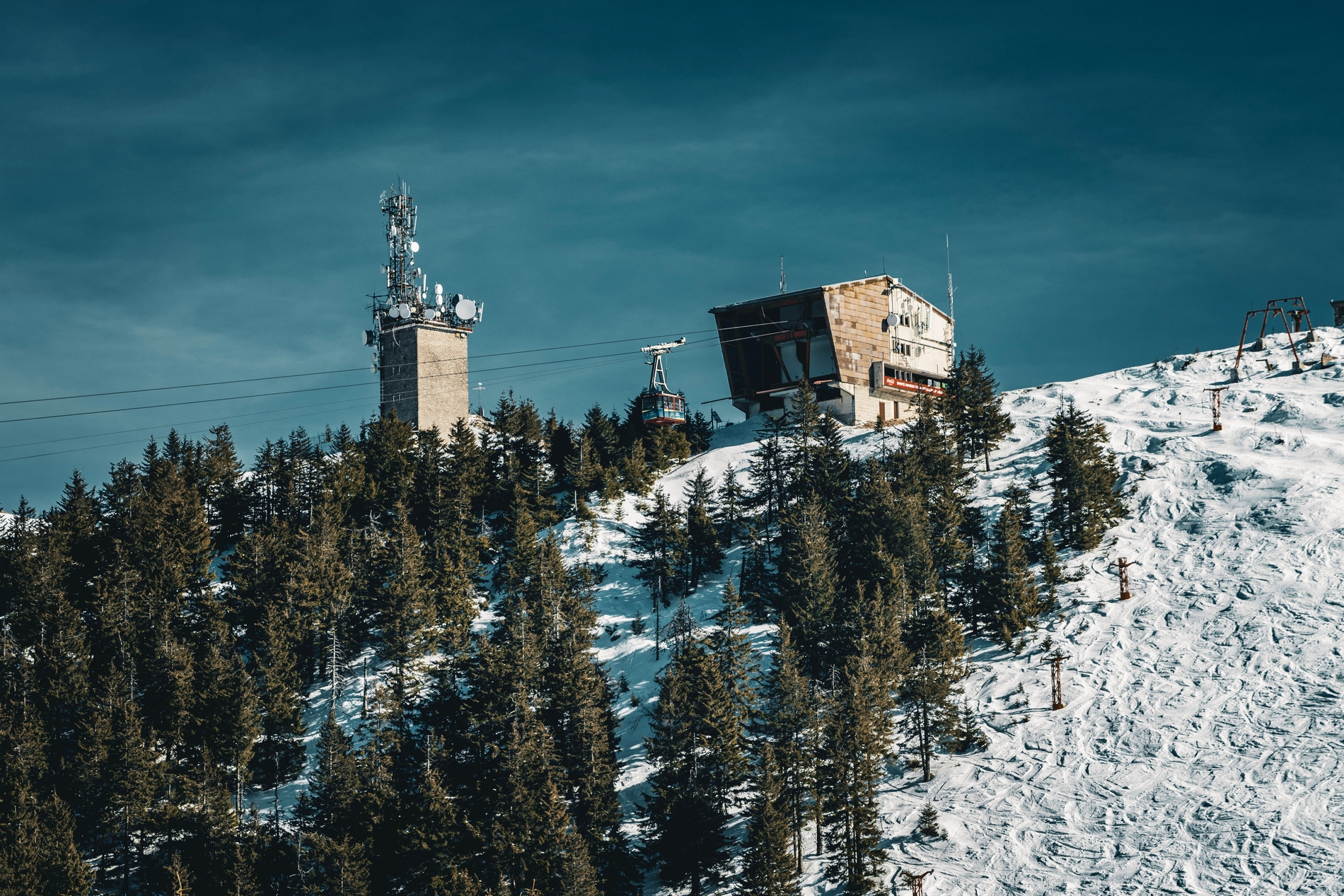
Brutalist retreats in the Swiss Alps are not exercises in nostalgia—they are contemporary sanctuaries shaped by restraint. Their exteriors rise from the landscape like sculpted rock, all sharp angles and deliberate mass. But step inside and the mood shifts. Sunlight pours through floor‑to‑ceiling windows, warming the cool grey surfaces. Concrete becomes a canvas for shadow, texture, and quiet drama.
The interiors are minimalist without feeling austere. Wool throws draped over low‑slung furniture. Pale oak accents that soften the edges. Fireplaces carved directly into the walls, flames flickering against raw material. The architecture doesn’t try to compete with the Alps. It frames them.
The Luxury of Precision
What makes these retreats extraordinary is the meticulous attention to detail. Every line is intentional. Every material is chosen for longevity, tactility, and harmony with the environment. Heated stone floors keep the chill at bay. Acoustic engineering ensures that even the fiercest mountain winds become a soft murmur. Lighting is subtle, designed to mimic the shifting tones of alpine daylight.
Suites often include private spas carved into the structure itself—steam rooms lined with slate, plunge pools that open to panoramic views, saunas that glow amber against the concrete. The contrast between elemental architecture and sensory indulgence creates a kind of grounded luxury that feels deeply Swiss.
Days Defined by the Landscape
Life in a Brutalist alpine retreat follows the rhythm of the mountains. Mornings invite exploration: hiking along ridgelines, skiing through powdery silence, or simply walking through forests where the scent of resin hangs in the air. The architecture becomes a home base, a place to return to with flushed cheeks and tired legs.
Afternoons unfold slowly. You might sink into a warm pool as snow begins to fall, each flake dissolving on the surface. Or curl up by the fire with a glass of crisp Fendant, watching clouds drift across jagged peaks. The retreat encourages stillness without demanding it.
Evenings That Glow Against the Cold
As night settles, the building transforms. Soft lighting warms the concrete, turning it into something almost velvety. Dinner is served in intimate dining rooms where the cuisine reflects alpine heritage—mountain herbs, aged cheeses, freshwater fish, slow‑braised meats. The flavors are bold yet refined, shaped by altitude and tradition.
Afterward, you step outside to a sky thick with stars. The cold bites, but the silence feels protective. The retreat glows behind you, a beacon of warmth carved into the mountainside.
A Season for Every Mood
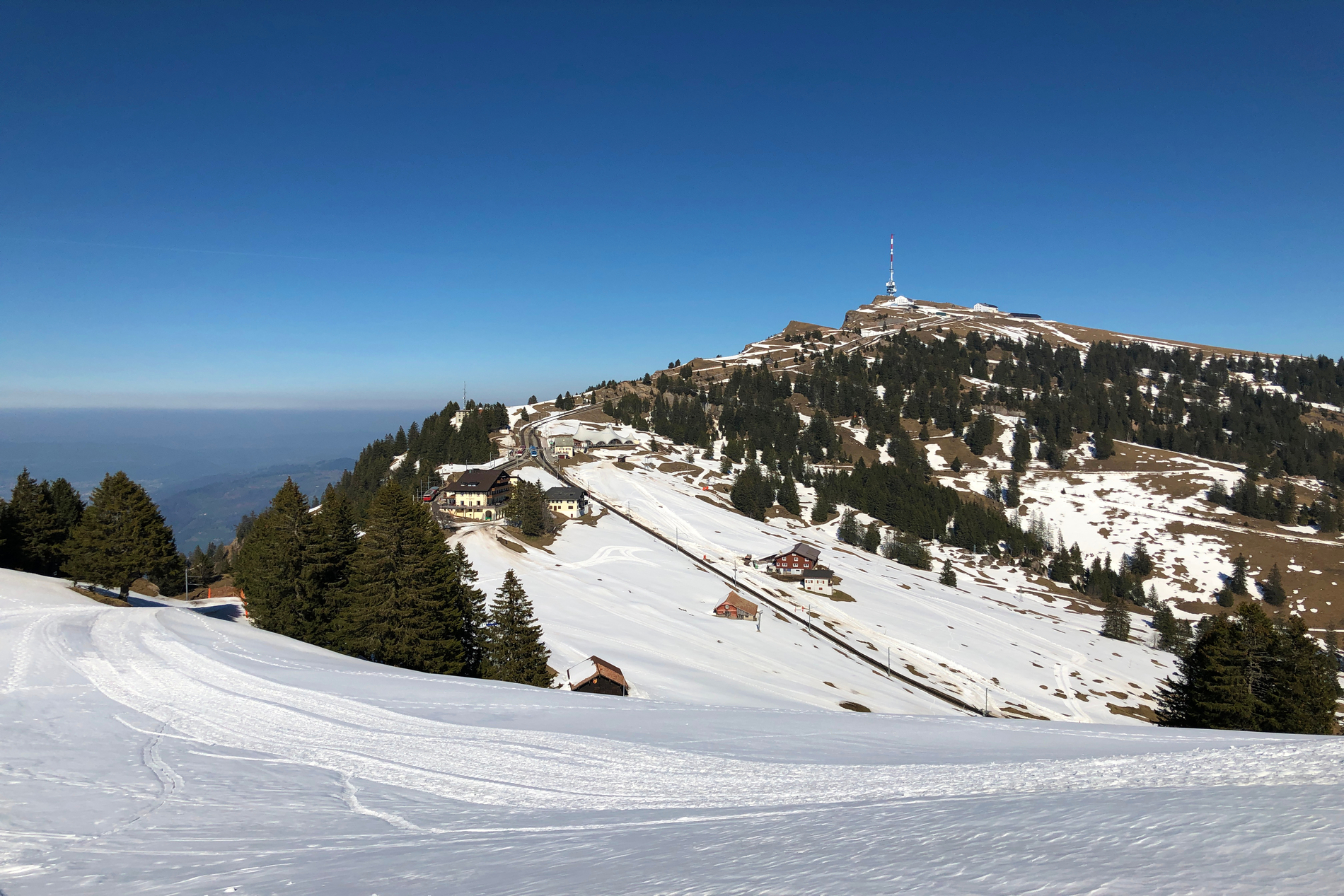
Brutalist retreats thrive in every season. Winter sharpens their edges, snow outlining every angle. Spring brings meltwater streams and soft green valleys. Summer fills the mountains with wildflowers and long, golden evenings. Autumn wraps the landscape in copper and smoke. The architecture adapts, always offering a sense of refuge.
What the Mountains Leave Behind
A stay in a Brutalist luxury retreat lingers long after you’ve descended from the Alps. It’s the memory of concrete warmed by sunlight. The echo of your footsteps in a space designed for contemplation. The way the mountains felt impossibly close, as if the building itself were an extension of the terrain.
Luxury here isn’t ornate. It’s elemental—rooted in form, light, and the quiet power of place.