

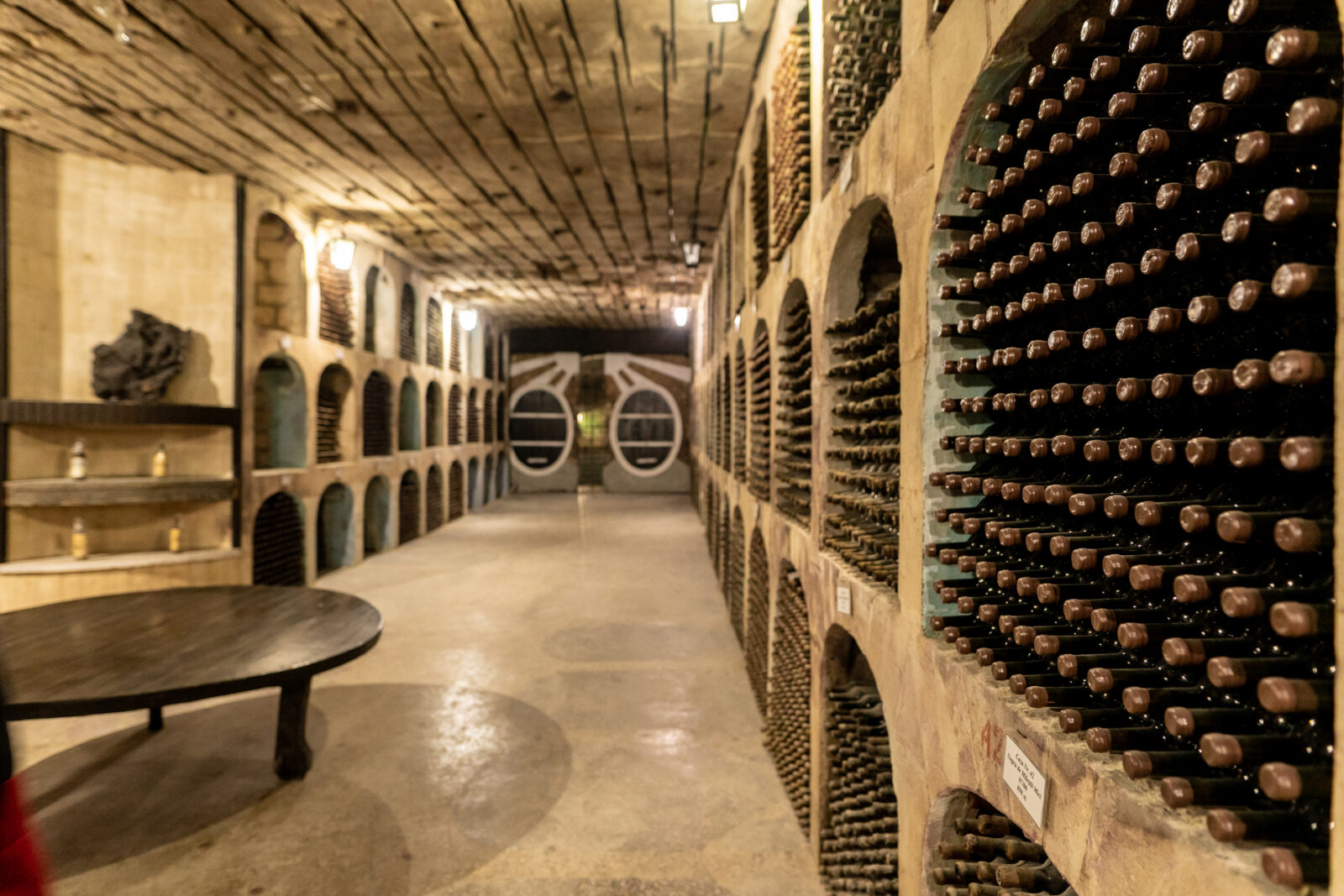
The morning mist hangs low over the vineyard, clinging to the vines like a final whisper of night. You walk between rows of old‑growth grapes, their leaves still beaded with dew, the air carrying a faint sweetness—crushed fruit, damp earth, a hint of oak drifting from a distant cellar. A winemaker appears at the edge of the slope, lifting a hand in greeting before disappearing into a stone archway carved centuries ago. Beyond it lies a vaulted cellar lit by amber lamps, barrels stacked like sleeping giants. In this quiet moment, surrounded by history and harvest, you feel the pull of Europe’s most exclusive wine estates: places where time slows, craftsmanship deepens, and luxury is measured not in extravagance but in patience.
Where Heritage Shapes Every Detail
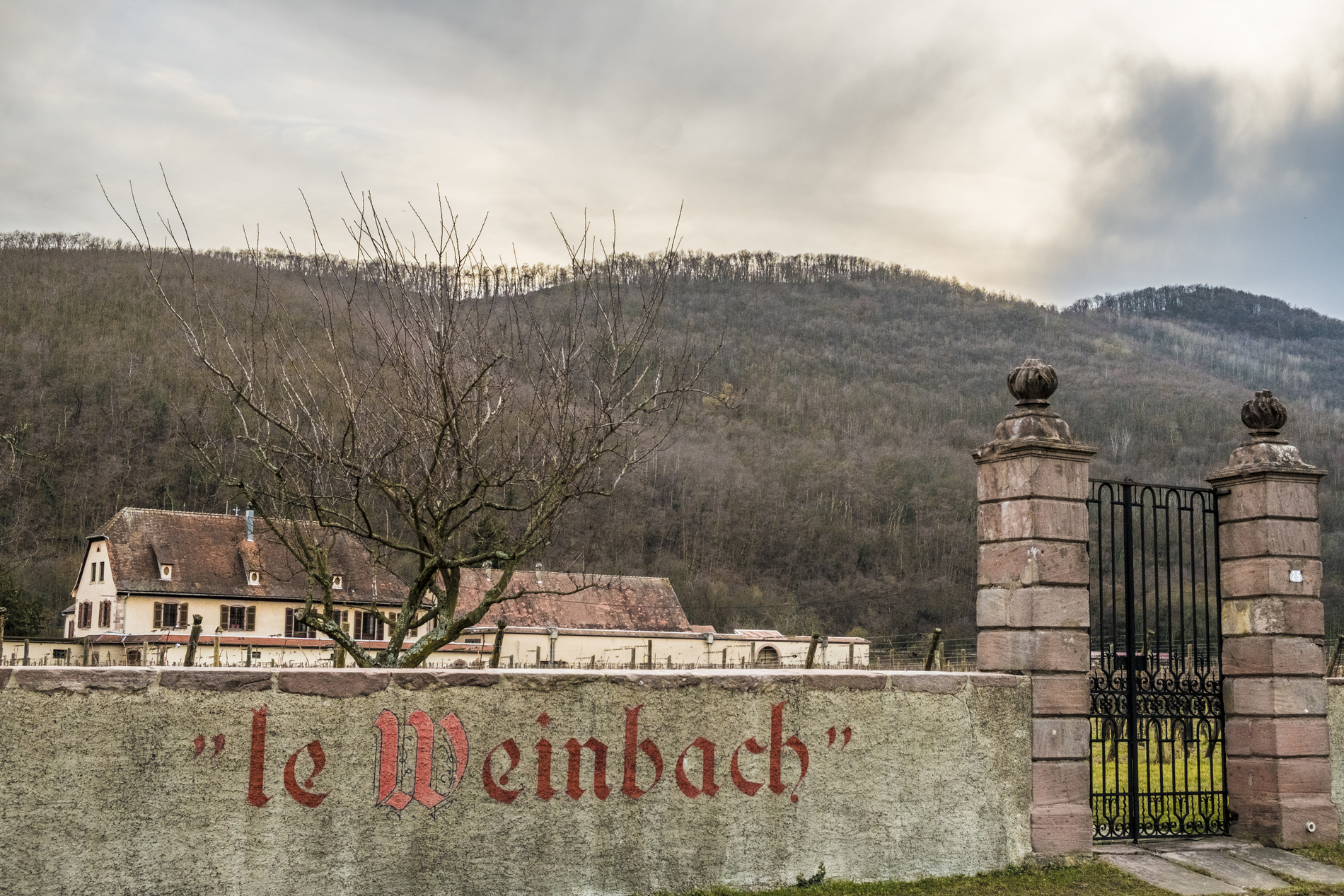
Europe’s great wine estates are less destinations than living legacies. Many have stood for generations—family‑run châteaux in Bordeaux, hillside estates in Tuscany, river‑kissed vineyards in the Douro Valley. Their architecture reflects centuries of refinement: limestone facades warmed by the sun, terracotta roofs weathered to soft ochre, courtyards shaded by ancient olive trees.
Inside, the atmosphere shifts. Cellars stretch beneath the earth in cool, echoing tunnels. Barrels line the walls in perfect symmetry, each one holding a vintage that will not be rushed. The air is thick with the scent of oak and fermenting grapes, a sensory reminder that luxury here is rooted in craft, not spectacle.
The Art of Tasting in Place
Tasting wine at its source is an experience that can’t be replicated elsewhere. The glass in your hand carries the landscape—its soil, its climate, its history. A Bordeaux blend reveals the quiet power of gravelly terroir. A Tuscan Sangiovese tastes of sun‑baked hills and wild herbs. A Portuguese Touriga Nacional carries the depth of schist terraces carved by hand.
Estate tastings unfold slowly. You sit at a long wooden table or on a terrace overlooking the vines, guided by a winemaker who speaks not in rehearsed notes but in stories—of harvests that nearly failed, of barrels chosen for their grain, of vines that survived storms and droughts. The experience feels intimate, almost confessional.
Suites That Honor the Land
Many estates now offer private suites or villas, but the best ones resist excess. Rooms are designed with a sense of place—stone walls that stay cool in summer, linen drapes that move with the breeze, windows that frame the vineyard as if it were a painting. Some suites open directly onto the vines, allowing you to step outside barefoot at dawn, the earth still cool beneath your feet.
Evenings often end with a private dinner in a candlelit cellar or beneath a pergola draped in wisteria. The food is seasonal, local, and deeply tied to the estate’s identity: truffle‑rich pastas in Piedmont, grilled lamb in Rioja, fresh river fish in the Wachau Valley. Each course arrives with a pairing that feels less like a suggestion and more like a revelation.
Seasons That Shape the Experience
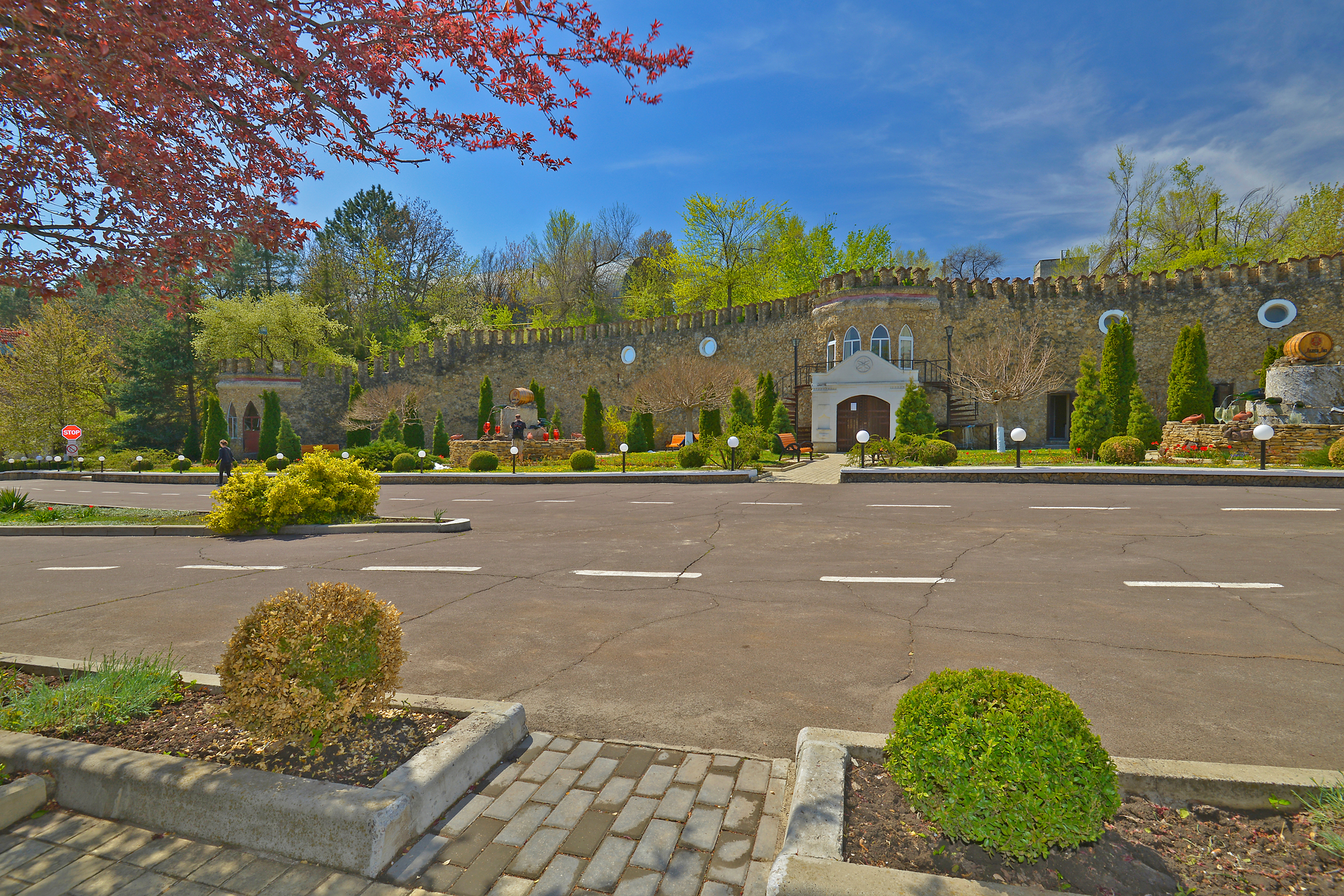
The estates shift with the calendar. Spring brings tender green shoots and quiet cellars. Summer fills the vineyards with heat and movement. Autumn is the most dramatic—harvest season, when the air vibrates with urgency and the landscape glows in gold and rust. Winter is contemplative, ideal for long cellar tastings and fireside evenings. There’s no wrong moment to arrive; each season offers its own rhythm.
What the Journey Leaves Behind
Traveling through Europe’s most exclusive wine estates isn’t about collecting bottles. It’s about understanding the slow, deliberate artistry behind each one. It’s the feel of limestone beneath your hand, the echo of footsteps in a centuries‑old cellar, the taste of a vintage that tells a story only the land could write.
Long after you’ve left, you’ll remember the quiet elegance of these places—the way the vines moved in the wind, the warmth of a barrel room, the sense that time itself had stretched to let you linger. The Vintage Vault isn’t just a journey. It’s an invitation to savor the world at its most patient, its most grounded, its most beautifully alive.