

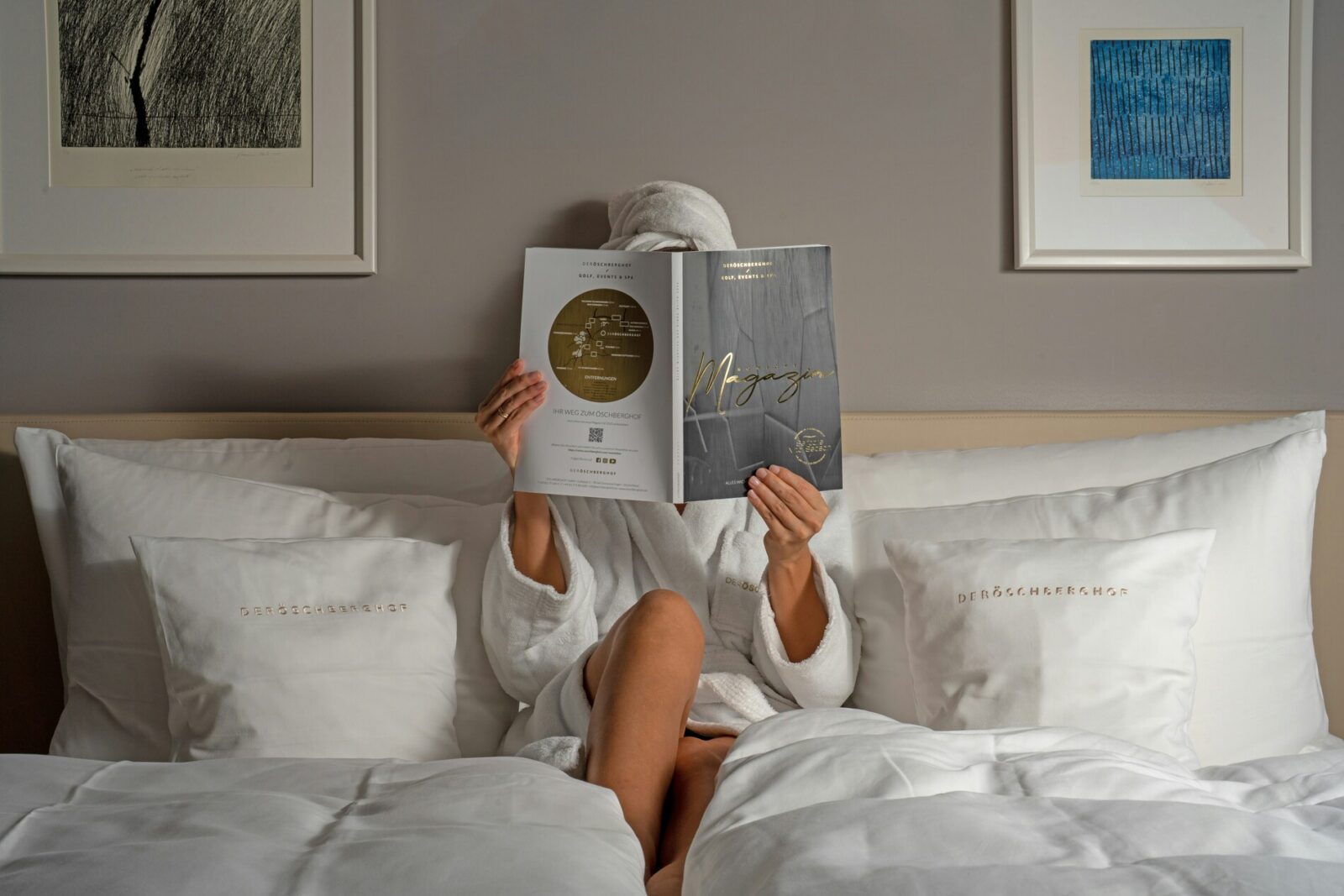
Night falls differently inside a true sleep sanctuary. You step into your room and the world softens—lights dim automatically to a warm amber, the air cools to the ideal sleep temperature, and a faint scent of lavender drifts from a ceramic diffuser. Outside, the city hums, but in here, the atmosphere feels cocooned, calibrated, almost womb‑like. You slip between crisp, weighty sheets, the mattress contouring to your spine with engineered precision. A sleep‑tracking device glows softly on the nightstand. As you exhale, the room responds—lights fading, soundscapes shifting, the environment aligning itself to your breath. This isn’t just a hotel stay. It’s a recalibration.
Sleep‑focused hotels feel like sanctuaries built for the modern nervous system. The design language is minimal but warm—natural woods, soft textiles, blackout curtains that seal out even the faintest glow. Hallways are hushed, carpets thick, doors weighted to close silently. Staff speak in low tones after dusk. Even the elevators move more quietly. The atmosphere signals one thing: rest is not an afterthought here. It’s the point.
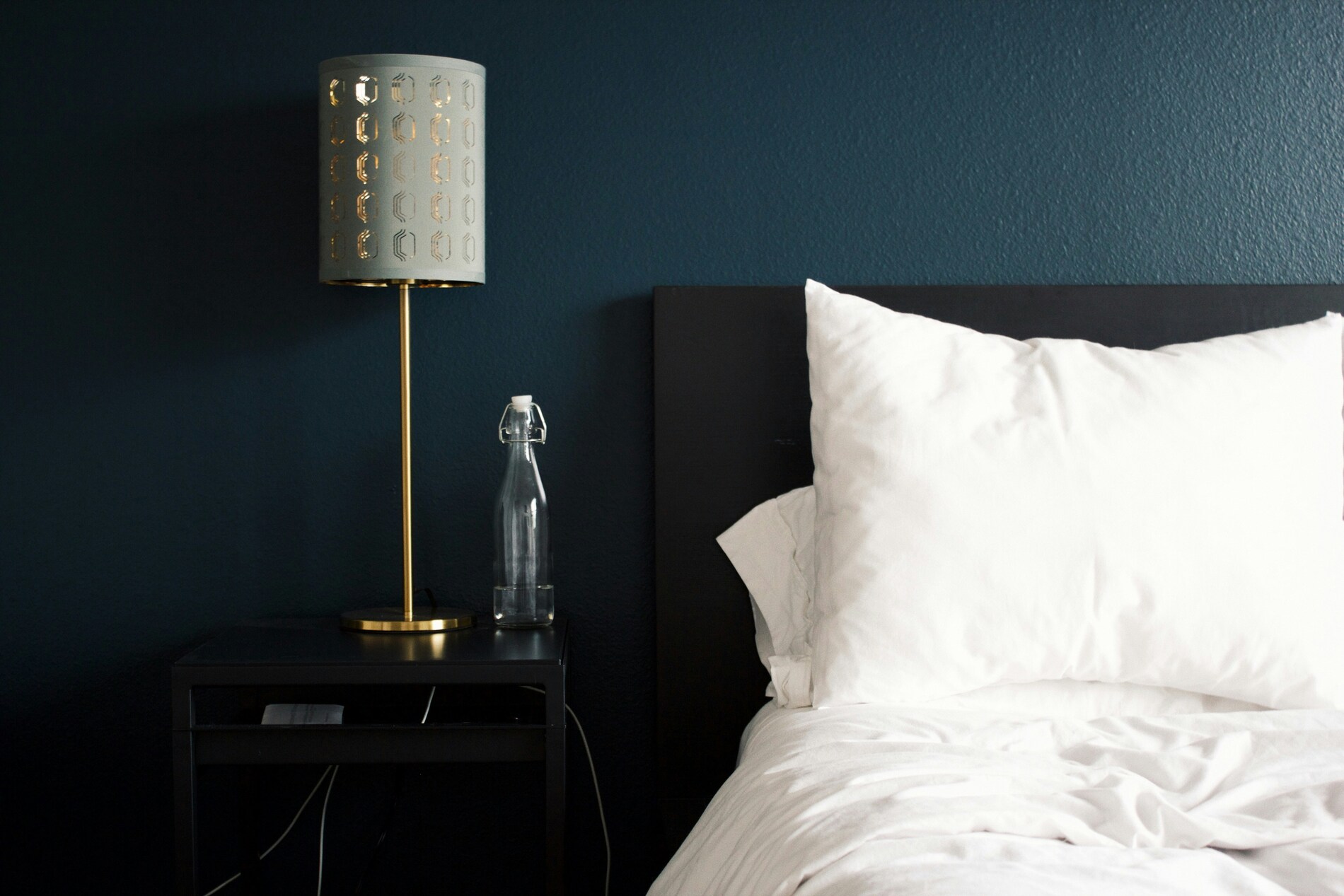
There’s a tenderness to the experience, a sense that the space is holding you rather than the other way around.
Where Design Becomes Deep Rest
Sleep hotels blend neuroscience with hospitality. Rooms are engineered around circadian rhythms:
- Amber lighting that mimics sunset
- Temperature control systems that cool the room to the optimal 18–19°C
- Soundscapes tuned to frequencies that calm the vagus nerve
- Mattresses designed with multi‑zone support
- Weighted blankets that settle the nervous system
Some hotels offer sleep concierges who tailor your environment—pillow density, humidity, aromatherapy blends. Others provide guided wind‑down rituals: herbal teas, breathwork sessions, warm foot baths that signal the body to release tension.
The result is a room that feels less like accommodation and more like a finely tuned instrument.
The Deep Dive
A night in a sleep sanctuary unfolds like a ritual. You begin with a warm shower infused with eucalyptus steam. The room’s lighting shifts to a soft dusk tone. A sleep coach might guide you through a short meditation or offer a personalized routine based on your chronotype. You slip into bed, the sheets cool and smooth, the mattress absorbing the day’s last traces of tension.
As you drift, the room adapts. Temperature lowers slightly. White noise adjusts to mask urban hum. If you wake in the night, motion sensors trigger a faint, non‑disruptive glow to guide you to the bathroom without jolting your circadian rhythm.
Morning arrives gently. Instead of an alarm, soft light brightens gradually, mimicking sunrise. Curtains open automatically. A warm beverage—ginger tea, barley coffee—waits outside your door. You wake not groggy, but restored.
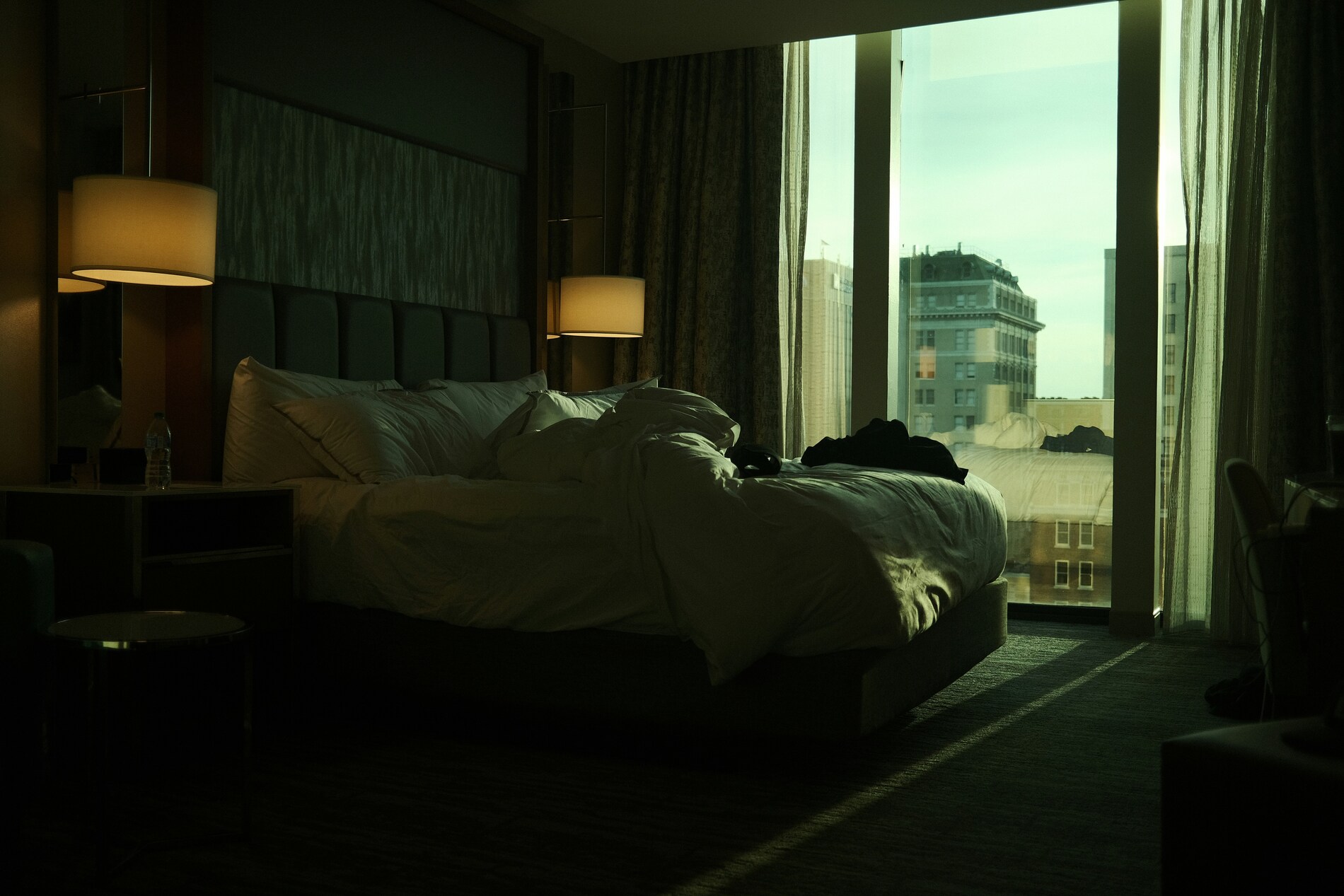
When Sleep Hotels Feel Most Transformative
Winter is the season when sleep sanctuaries shine. Long nights, cold air, and the body’s natural inclination toward hibernation make deep rest feel instinctive. But spring and autumn offer their own sweetness—cool evenings, quiet mornings, and a sense of recalibration after seasonal transitions.
Urban hubs like London, New York, and Singapore offer the most dramatic contrast: stepping from sensory overload into engineered serenity.
What You Carry Home
The memory of a sleep sanctuary lingers in the body. You remember the weight of the blanket, the softness of the lighting, the way your breath deepened without effort. You return home with a new understanding of rest—not as a passive state, but as a practice shaped by environment, ritual, and intention.
Sleep hotels teach that restoration isn’t a luxury. It’s architecture. Atmosphere. A deliberate design of stillness.