

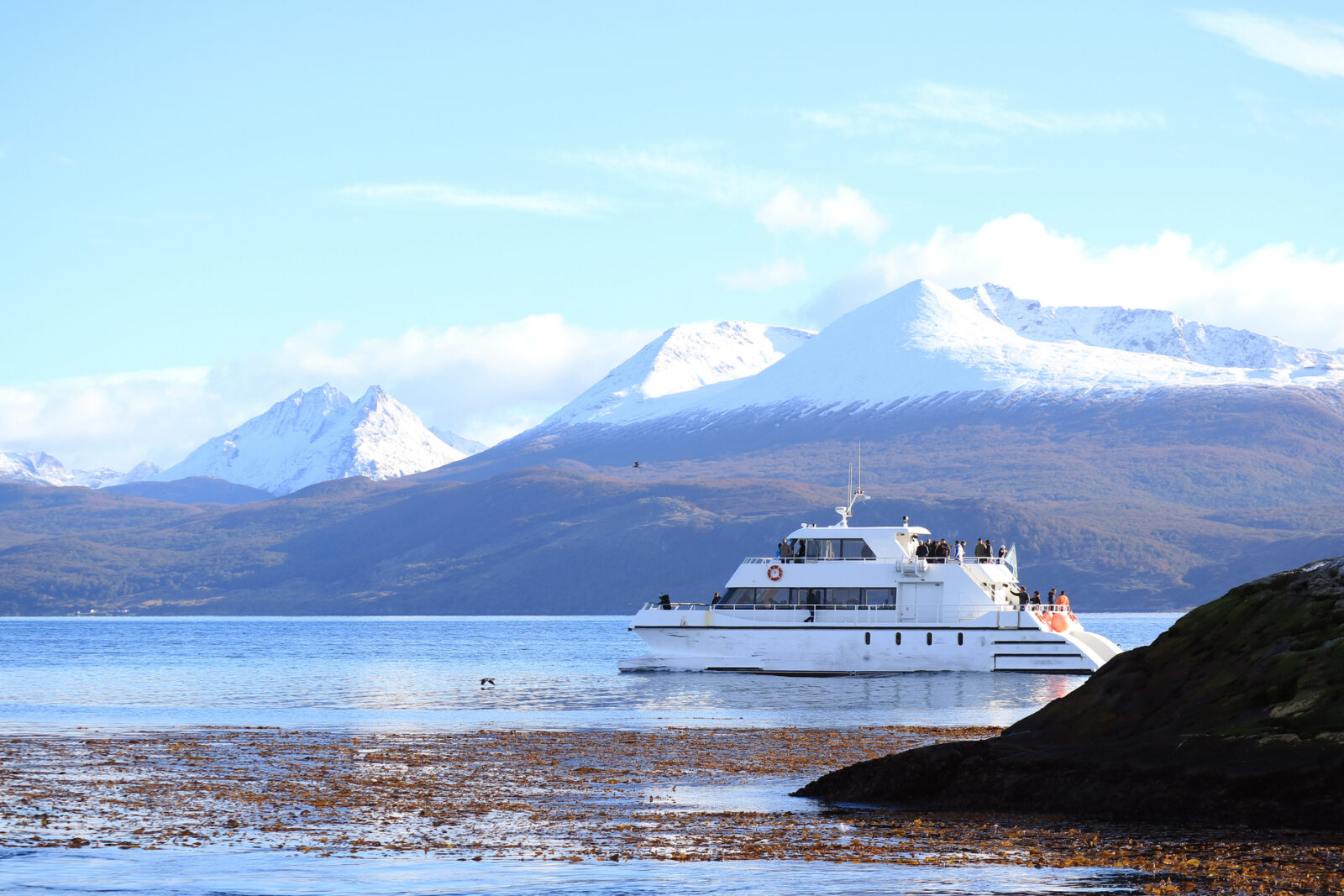
Just before sunrise, the fjords of southern Patagonia feel suspended between water and sky. A thin mist drifts across the surface, softening the jagged silhouettes of granite peaks that rise straight from the ocean. The air is cold enough to bite, carrying the scent of salt and ancient ice. Then the light shifts—barely—and the fjord brightens in a wash of silver and pale gold. Waterfalls appear like threads of light on the cliffs. A glacier glows faintly in the distance. You stand on the deck of a small boat, breath fogging the air, watching the landscape reveal itself with slow, deliberate grace. It feels like witnessing the world in its first morning.
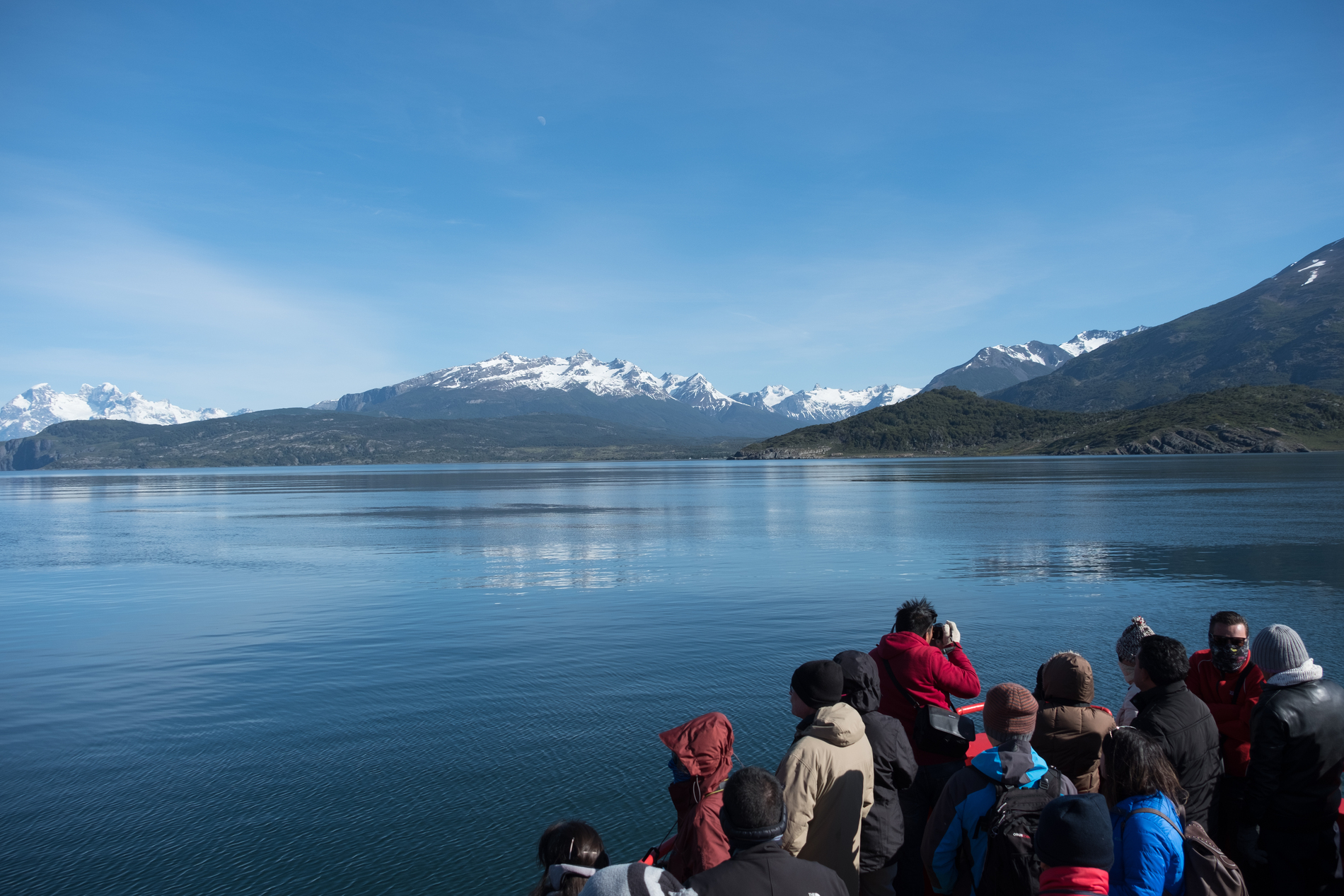
A Wilderness Built for Awe
Patagonia doesn’t soften its edges. It leans into its wildness with a kind of fierce elegance—mountains carved by storms, forests dripping with moss, channels so deep and narrow they feel like secret passages. The rhythm here is shaped by wind and tide, by the moods of the Pacific, by the slow retreat of ancient ice.
Moving through the fjords, you feel it immediately: the rumble of distant avalanches, the echo of waves against stone, the way the sky changes color every few minutes. The adventure isn’t theatrical. It’s geological, glacial, oceanic.
The landscape doesn’t perform. It commands.
The Fjords and Their Spell
The Patagonian fjords unfold like a series of revelations. The Seno Última Esperanza stretches between towering cliffs, its waters mirror‑still at dawn. The Kawésqar National Park holds labyrinths of channels where dolphins glide alongside your boat. The Amalia Glacier calves into turquoise water with a sound like thunder.
Approaching these places feels both cinematic and intimate. The cliffs rise so steeply they seem to scrape the sky. The water is dark, cold, impossibly clear. Seabirds wheel overhead. Sea lions bask on rocky outcrops. Everything feels ancient, untouched, immense.
It’s a landscape that doesn’t just surround you—it engulfs you.
Adventure in the Details
Patagonia’s magic lies in its contrasts. A lone condor circling above a cliff. The scent of wet earth after a sudden rain. The soft roar of a waterfall hidden behind a curtain of mist. The way the wind shifts direction without warning.
A day in the fjords becomes a ritual. You navigate narrow channels where the mountains close in like cathedral walls. You step onto a rocky shore to hike through forests of lenga and coigüe, the ground soft with moss. You taste glacial ice pulled straight from the water. You watch a storm roll in from the Pacific, the sky turning charcoal, the fjord darkening to ink.
Evenings soften everything. The wind calms. The clouds lift. The water turns glassy. You sit wrapped in a blanket on deck, watching the last light catch the peaks in shades of rose and copper.
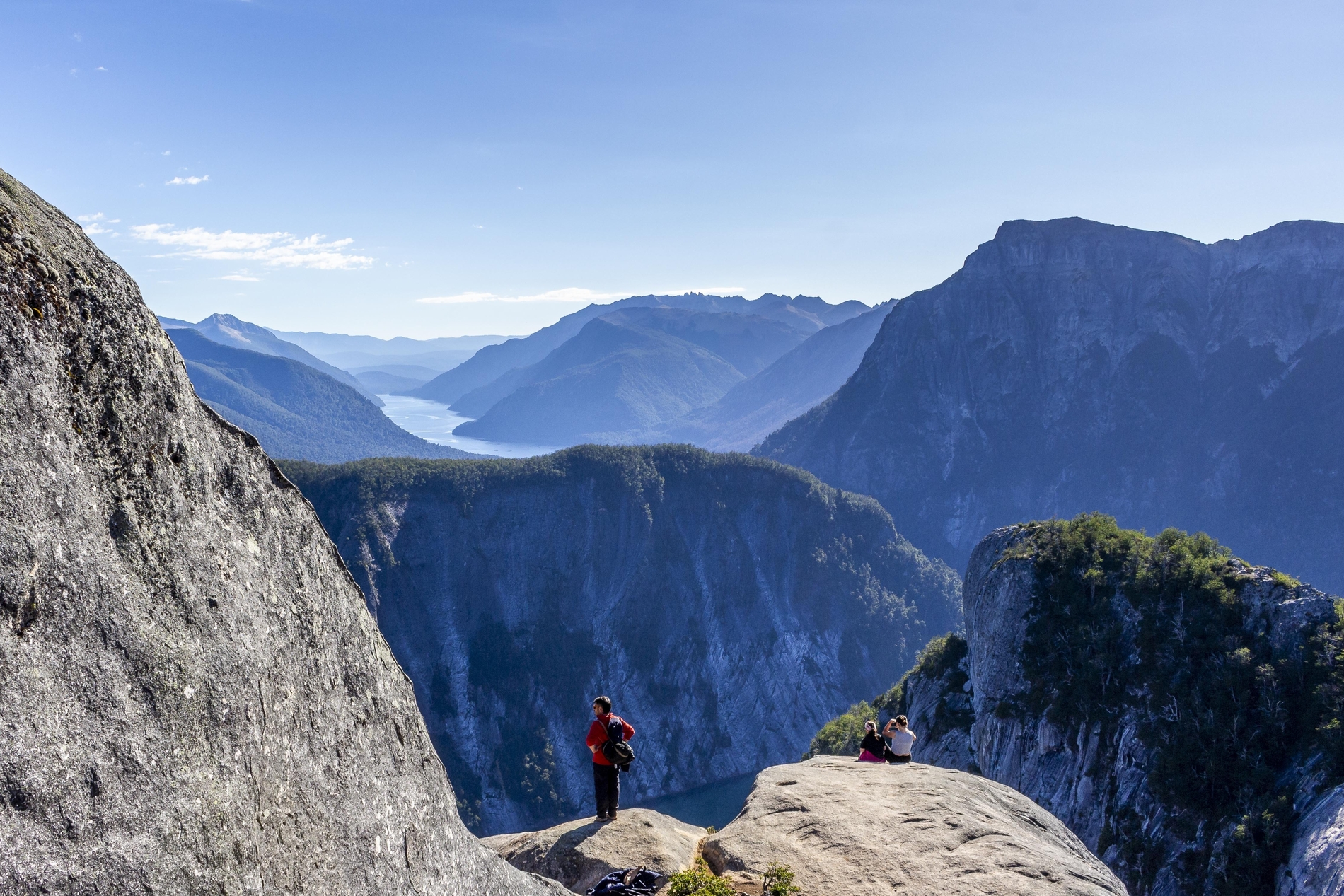
When Patagonia Feels Most Alive
The fjords are mesmerizing year‑round, but there’s something especially powerful about the shoulder seasons—late spring and early autumn—when the air is crisp and the light feels almost metallic. Early mornings invite quiet navigation through still waters. Late afternoons are perfect for glacier viewing. Evenings belong to the anchorages—boats rocking gently, mountains glowing, silence settling like a second skin.
What You Carry Home
Patagonia stays with you in fragments: the echo of ice breaking from a glacier, the silver sheen of a fjord at dawn, the feeling of being dwarfed by cliffs older than memory. But the deeper imprint is the sense of scale—of standing in a place where the world feels raw, immense, and profoundly alive.
Long after you’ve left, you’ll remember the moment the mist lifted and the fjord revealed itself, and you realized that some places don’t just host adventure—they redefine it.