

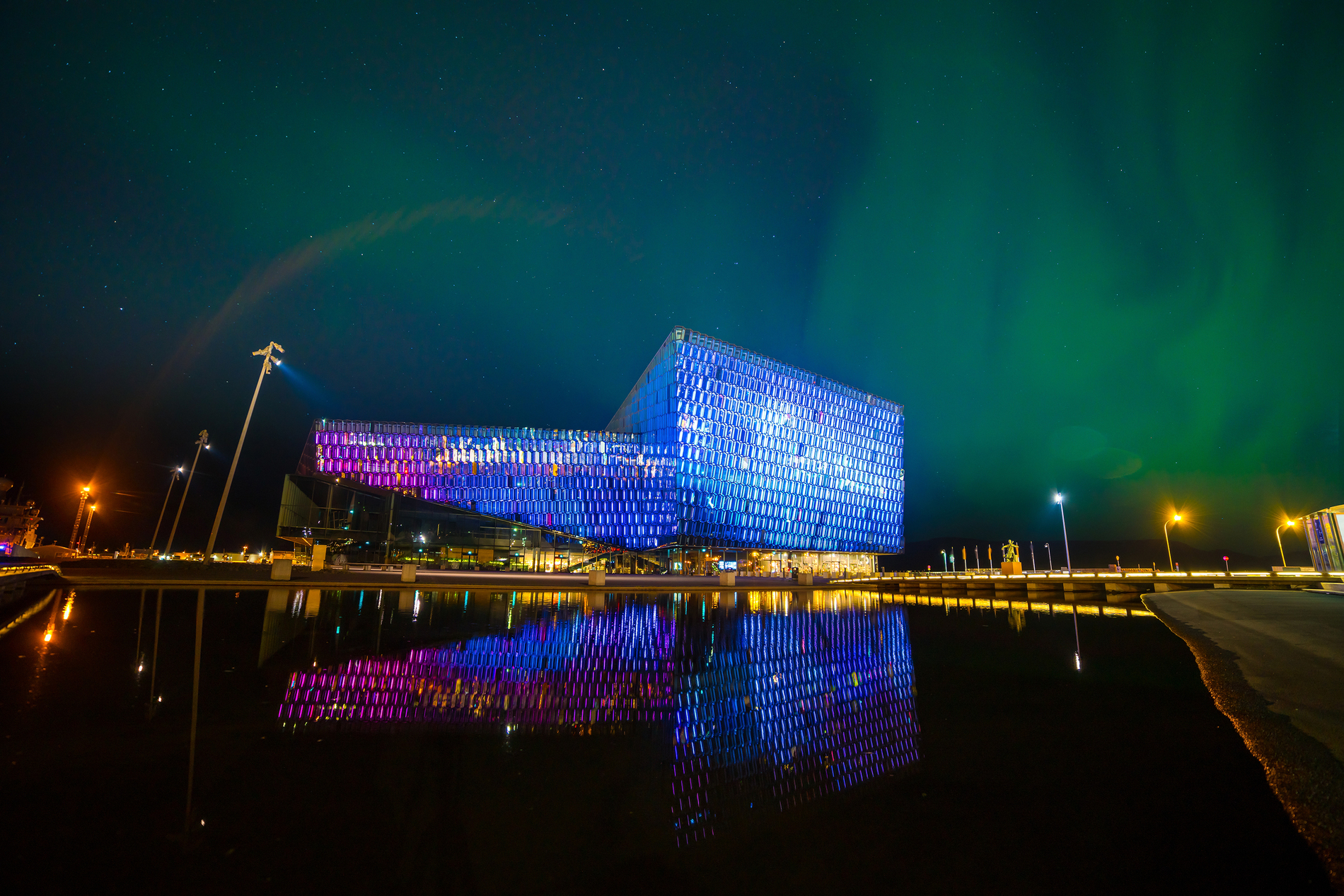
Reykjavík doesn’t slip into night—it plunges. One moment the sky is a deep cobalt blue, and the next it’s ink‑black, the kind of darkness that feels ancient and absolute. Then, without warning, a streak of green unfurls above the harbor. It ripples, bends, and stretches across the sky like a living ribbon. People on Laugavegur pause mid‑stride, breath hanging in the cold air, faces tilted upward. The aurora has arrived. And just as quickly, the city exhales. Music spills from basement bars. Doors swing open. Warm light pours onto icy sidewalks. Reykjavík’s longest night isn’t a retreat from the cold—it’s an invitation to step into a party culture shaped by darkness, myth, and the wild beauty of the Arctic sky.
A City That Thrives After Dark
Reykjavík’s nightlife has a pulse that feels different from any other capital. It’s not loud or chaotic at first glance; it’s intimate, warm, and deeply communal. The cold outside sharpens everything—the sound of laughter, the glow of windows, the rhythm of boots on snow. Inside, the atmosphere shifts. Bars are cozy, candlelit, and packed with people who seem to know how to make the most of a long winter night.
There’s no rush. Icelanders linger over drinks, talk in low voices, and let the night build slowly. The city’s compact size means you can drift from one venue to the next without losing the thread of the evening. Each doorway feels like a portal: from a dim jazz bar to a neon‑lit club to a loft where a DJ spins ambient techno under strings of warm lights.
The Aurora as a Party Guest
The northern lights aren’t a backdrop—they’re part of the experience. When the aurora appears, the entire city shifts. Music pauses. Conversations stop. People spill into the streets, craning their necks toward the sky. The lights move like smoke, like silk, like something alive. Greens, purples, and whites ripple across the darkness, illuminating rooftops and reflecting off the snow.
Then, just as suddenly, the lights fade. The crowd drifts back inside, cheeks flushed from the cold, energy heightened. The party resumes with a new intensity, as if everyone has been reminded of the magic hanging just above them.
Heat, Bass, and the Icelandic Way
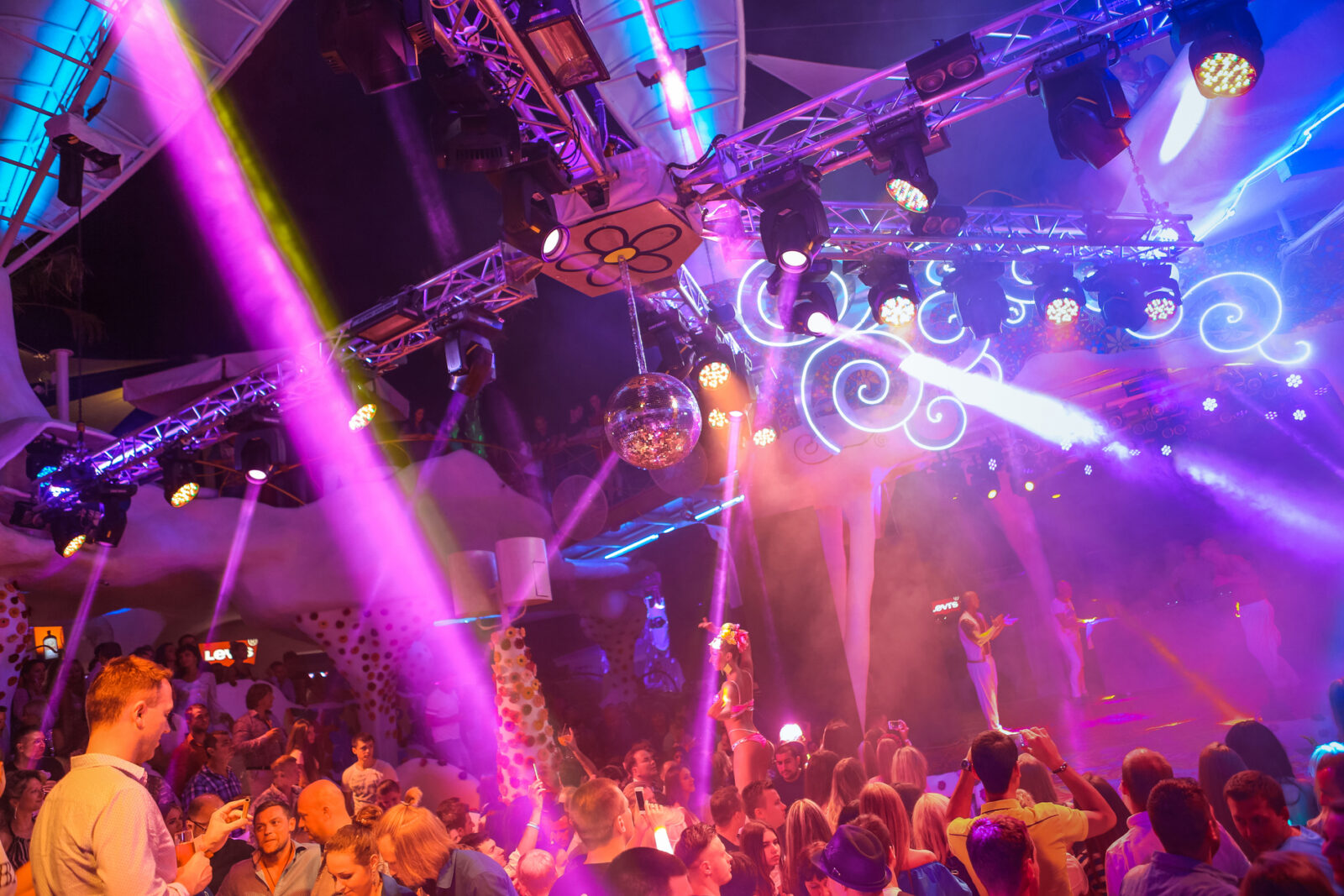
Reykjavík’s party culture is built on contrast. Outside: freezing air, quiet streets, the vast Arctic night. Inside: heat, movement, and music that seems to vibrate through the wooden floors. DJs lean into deep house, techno, and experimental beats that match the city’s minimalist aesthetic. People dance close, shedding layers of wool and down, creating a warmth that feels almost primal.
The drinks are strong, the conversations easy, and the vibe unmistakably Icelandic—unpretentious, creative, and a little wild around the edges. You might find yourself talking to a fisherman, a filmmaker, a poet, and a software engineer all in the same hour. Reykjavík’s nightlife doesn’t segregate; it blends.
When Night Refuses to End
By the time the bars close, the sky is still dark. The aurora might return, or it might not. The cold bites harder now, but no one seems to mind. People gather at hot dog stands, laughing through clouds of steam. Others wander toward the waterfront, where the lights of Harpa shimmer like a geometric lantern against the night.
There’s a softness to these late hours—a sense that time has loosened its grip. Reykjavík’s longest night stretches on, unhurried, generous, full of possibility.
What the Night Leaves Behind
Partying in Reykjavík under the aurora isn’t about excess. It’s about atmosphere—darkness that feels alive, light that moves across the sky like a secret, and a city that knows how to turn winter into celebration. It’s the warmth of a crowded bar after stepping in from the cold, the bass echoing through old timber, the sudden hush when the northern lights appear.
Long after you’ve left, you’ll remember the glow of the aurora above the rooftops, the heat of the dance floor, and the way Reykjavík made the longest night feel like the shortest path to something unforgettable.