

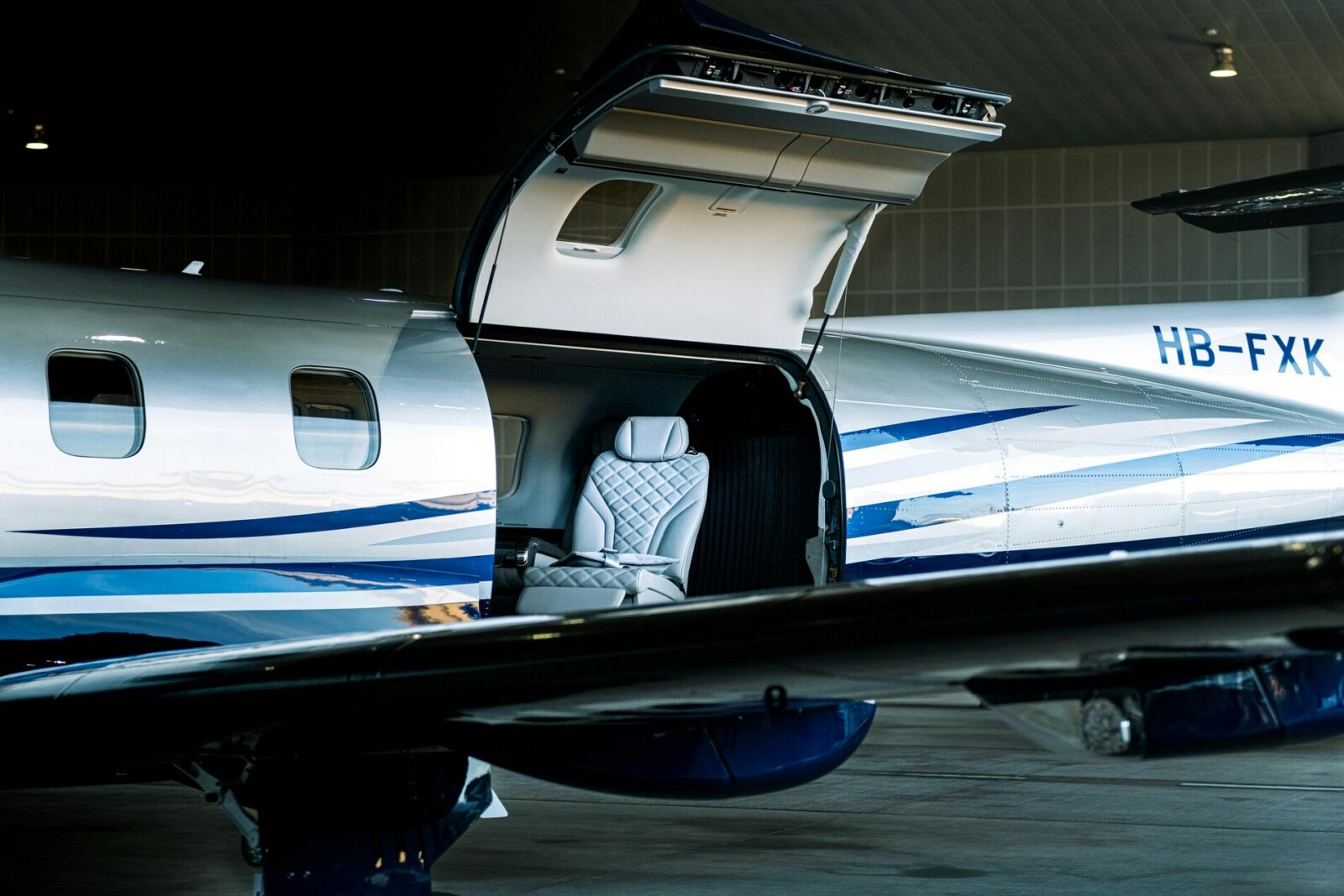
The moment the cabin door closes, the world outside seems to dim. The engines hum at a low, velvety frequency—steady, confident, almost soothing. Sunlight pours through oversized windows, catching the brushed‑gold accents of the cabin interior. A glass of something chilled waits on a walnut console. The air feels different up here: quieter, cleaner, touched by the faintest hint of citrus from the cabin’s bespoke fragrance. As the jet lifts, the landscape below dissolves into abstraction—patches of green, ribbons of coastline, the soft blur of distance. In this suspended quiet, luxury reveals itself not through spectacle, but through stillness. This is the essence of private jet expeditions: a journey where time stretches, noise fades, and the world becomes beautifully, deliberately remote.
The Architecture of Airborne Comfort
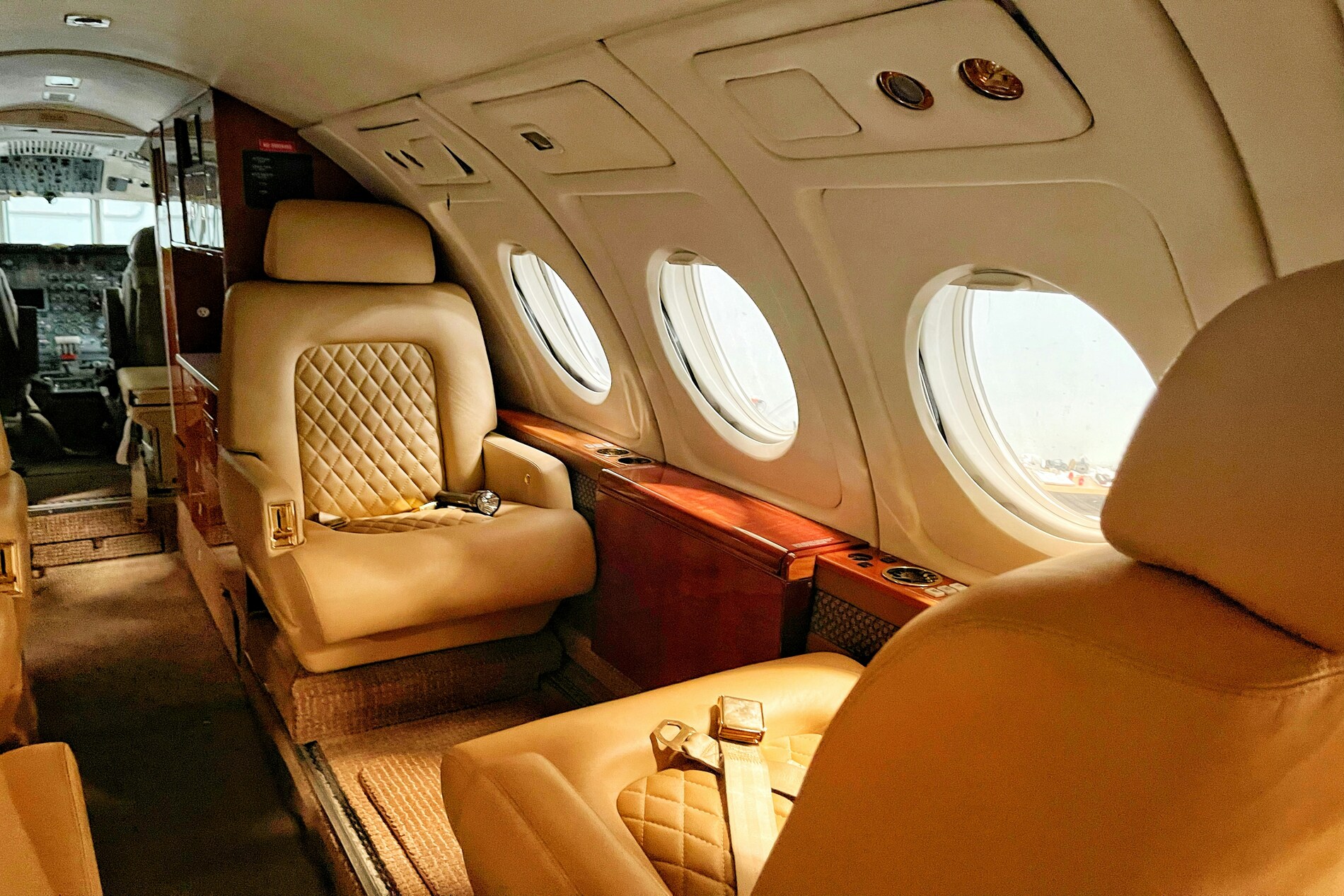
Private jet travel has evolved far beyond plush seats and polished service. The newest generation of long‑range aircraft feels more like a floating residence than a mode of transport. Cabins are divided into zones—lounges, dining areas, private suites—each designed with a sense of spatial generosity that commercial travel can’t replicate. Materials matter: hand‑stitched leather, matte stone surfaces, wool carpets woven in muted earth tones. Lighting shifts subtly throughout the flight, mimicking the arc of natural daylight.
What stands out most is the quiet. Sound‑dampening technology creates a cocoon where conversation can be soft, where sleep comes easily, where the mind settles into a rare kind of calm. It’s not just travel; it’s restoration.
The Luxury of a Tailored Horizon
Private jet expeditions aren’t defined by the aircraft—they’re defined by the freedom they unlock. Routes bend to desire rather than schedule. Remote islands, desert plateaus, polar outposts, and ancient cities become accessible in a single itinerary, stitched together with seamless precision. You land where commercial flights don’t. You arrive when the light is right, when the crowds have thinned, when the landscape feels like it belongs only to you.
There’s a choreography to it: a sunrise landing in Namibia, a midday departure for Kyoto, a late‑afternoon descent over the fjords of Norway. Each leg feels curated, not rushed.
Service That Moves at Your Pace
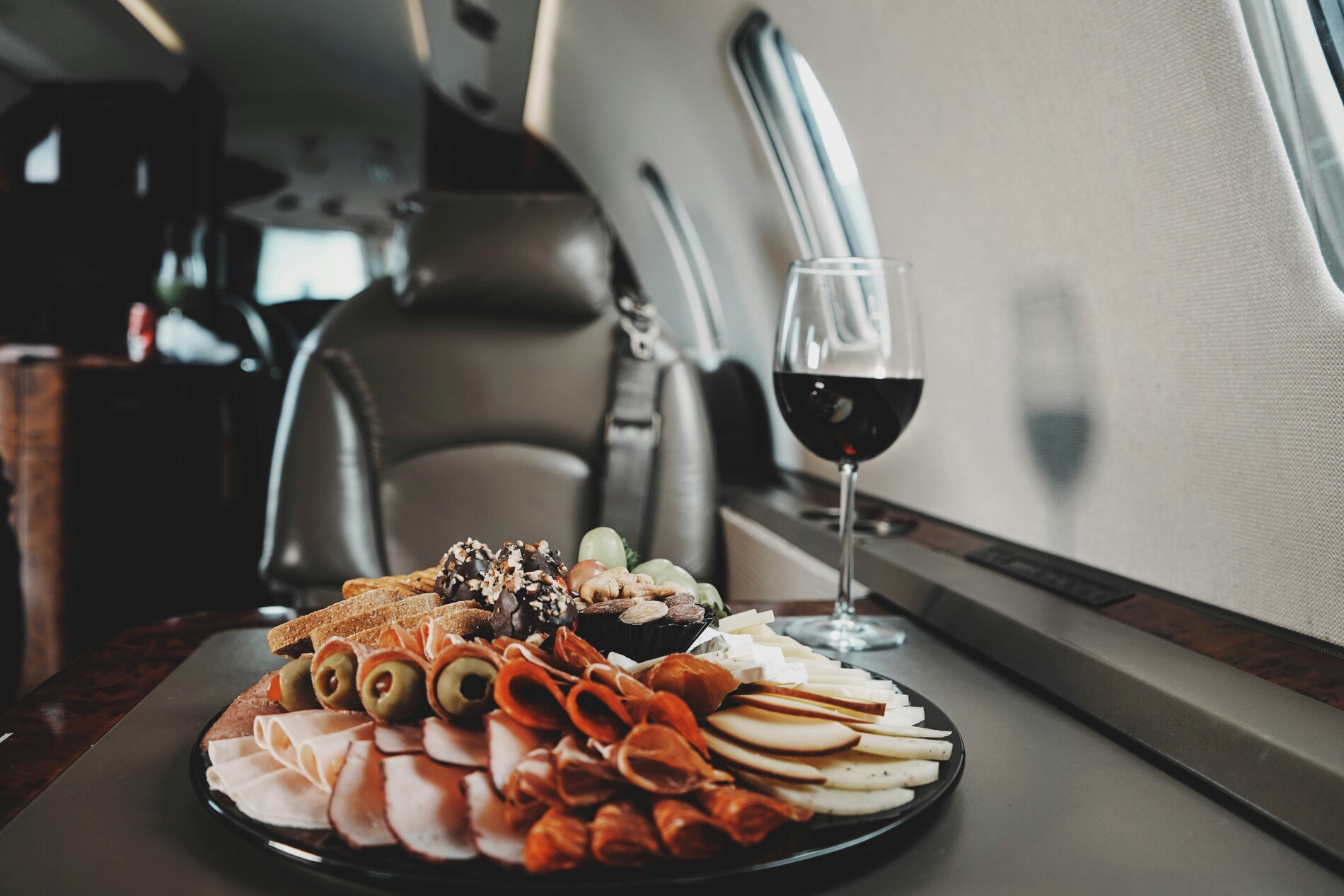
The crew on a private expedition operates with a kind of intuitive grace. They anticipate without hovering, offering a rhythm of service that feels almost invisible. Meals are crafted to match the journey—light, fresh dishes at altitude; richer, regionally inspired plates as you approach your next destination. Wines are chosen not for prestige but for harmony. Even rest is curated: beds dressed in crisp cotton, cabin temperature adjusted to your preference, lighting softened to ease the transition between time zones.
It’s hospitality shaped by attention rather than abundance.
The Ground Experience That Completes the Journey
Private jet expeditions extend far beyond the runway. On the ground, the experience unfolds with the same quiet precision. Private guides lead you through archaeological sites before they open. Wildlife encounters happen without crowds. Remote lodges prepare rooms warmed by lantern light. Transfers are seamless, often invisible—one moment you’re stepping off the jet, the next you’re sipping tea on a terrace overlooking a valley untouched by noise.
The luxury isn’t in being shielded from the world. It’s in being ushered into its most extraordinary corners with clarity and calm.
When to Fly Without Saying When to Fly
The beauty of private jet expeditions is their adaptability. Some travelers chase winter light across the Arctic. Others follow autumn colors through Asia. Some prefer the long, golden days of the Southern Hemisphere. The experience shifts with the seasons, but the essence remains: movement without friction, exploration without interruption.
What the Silence Leaves Behind
The true luxury of private jet travel isn’t speed. It’s spaciousness—of time, of mind, of experience. It’s the memory of watching continents drift beneath you in near‑perfect quiet. It’s the feeling of stepping into remote landscapes without the fatigue of transit. It’s the rare privilege of moving through the world with intention rather than urgency.
Long after the journey ends, you’ll remember the hush of the cabin, the glow of sunrise at 40,000 feet, and the sense that—for a brief stretch of sky—you lived inside a kind of gilded silence.