


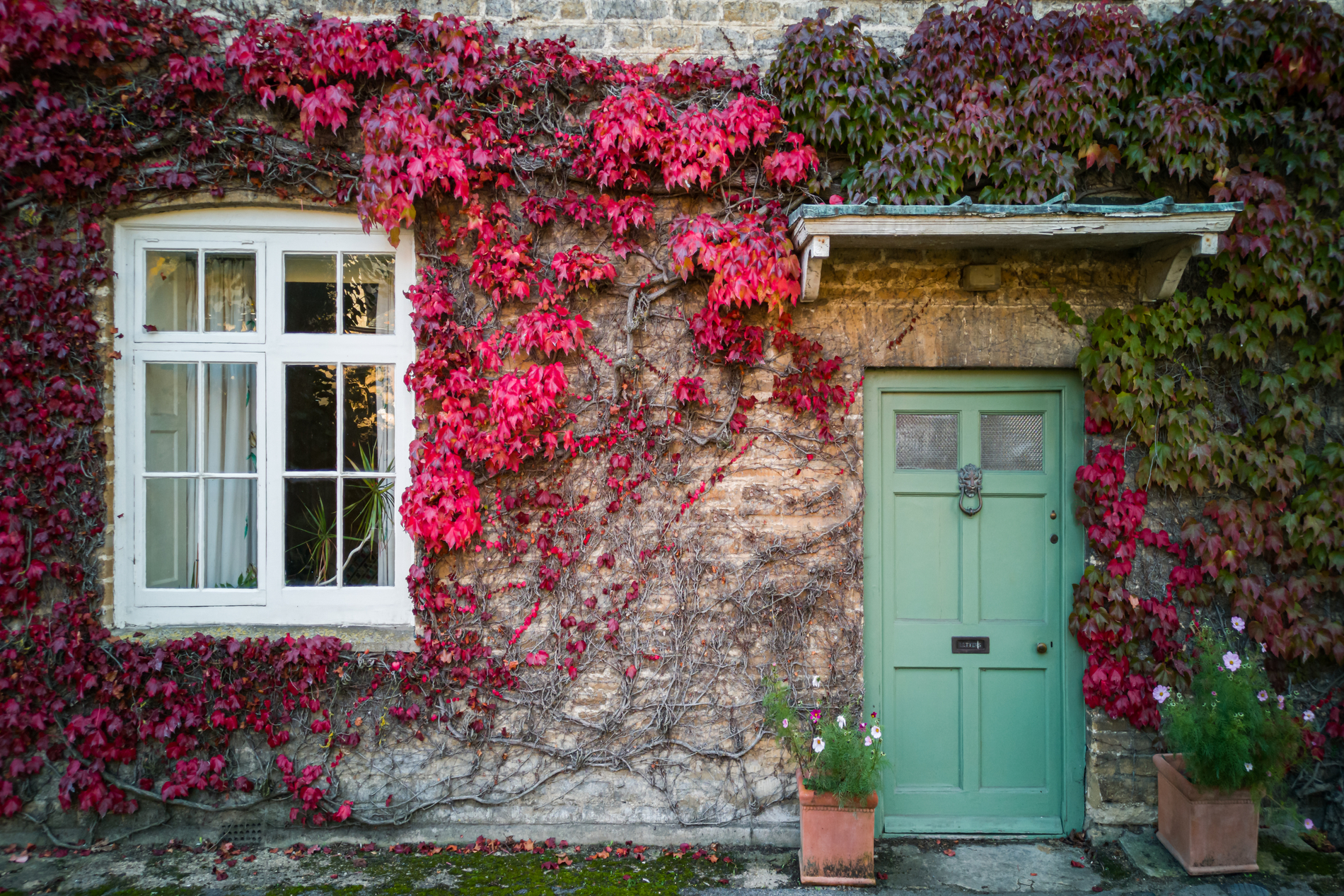
The first thing you notice is the quiet. Not silence—quiet. A soft, pastoral hush that settles over the Cotswolds like a wool blanket. You and your partner walk up a narrow lane lined with dry‑stone walls, the air scented with wild thyme and warm grass. Your cottage appears around a bend: honey‑colored stone, a thatched roof, roses climbing the doorway in loose, romantic spirals. Smoke curls from the chimney. Inside, a fire crackles, casting amber light across low beams and worn oak floors. You drop your bags, look at each other, and exhale. The Cotswolds don’t perform romance—they perfect it.

Where Time Moves in Soft Steps
The countryside moves at a pace that feels almost curated for intimacy. Villages appear like watercolor scenes—stone cottages, church spires, gardens overflowing with lavender and foxglove. Pubs glow with candlelight even in the afternoon, and footpaths wind through meadows where sheep graze lazily. Couples wander hand in hand, stopping for tea, for photographs, for the sheer pleasure of standing still in a place that seems unchanged for centuries. Romance here is gentle, domestic, and deeply atmospheric, shaped by the softness of the hills and the warmth of the stone.
The Art of Cozy Togetherness
Your cottage becomes the heart of the story. Thick walls keep the world at bay, and a window seat overlooks rolling fields that shift from green to gold as the day unfolds. You brew tea, slice into a still‑warm loaf from the village bakery, and settle into the kind of quiet that feels shared rather than empty. Days unfold in soft, scenic chapters as you wander through Bibury, where Arlington Row curves along the river like a postcard come to life, and ducks paddle past couples sharing pastries on the grass. In Stow‑on‑the‑Wold, antique shops spill treasures onto the street—maps, silver spoons, leather‑bound books—and you find a pair of deep‑green mugs that feel destined for your cottage kitchen.
A walk through Upper and Lower Slaughter becomes its own love story as the river runs shallow and clear, cottages reflect in the water, and the only sound is the soft crunch of gravel beneath your feet. Lunch becomes a pub ritual in a corner room warmed by a roaring fire, where the clink of glasses and low hum of conversation create a cocoon of comfort. Later, gardens like Hidcote and Kiftsgate invite you into their maze of roses, wisteria, and hidden benches, where you sit together beneath an arch of blossoms, the air sweet and warm.
Letting the Countryside Lead
Evenings return you to the cottage, where the fire becomes the centerpiece of the night. You cook together, or not. You open a bottle of wine, or not. You sit by the hearth wrapped in blankets, listening to the wind move through the hedgerows. The night feels soft, safe, and entirely yours. The Cotswolds reward couples who embrace slowness, allowing mornings to unfold gently with long walks and village wandering, letting midday drift into pub lunches and garden visits, and welcoming afternoons that soften into golden hours perfect for countryside drives or riverside picnics. When evening settles into a warm hush and the cottage glows like a lantern, the countryside reveals its quiet insistence on coziness.
What You Carry Home
Couples carry home the warmth of the cottage hearth, the scent of lavender drifting through open windows, the glow of honey‑stone villages at dusk. They remember the softness of the hills, the comfort of slow meals, the feeling of being tucked into a landscape that seems designed for tenderness. But the deeper imprint is domesticity. The Cotswolds teach lovers that romance thrives in the everyday—in shared cups of tea, in long walks, in evenings spent by the fire with nowhere else to be.