

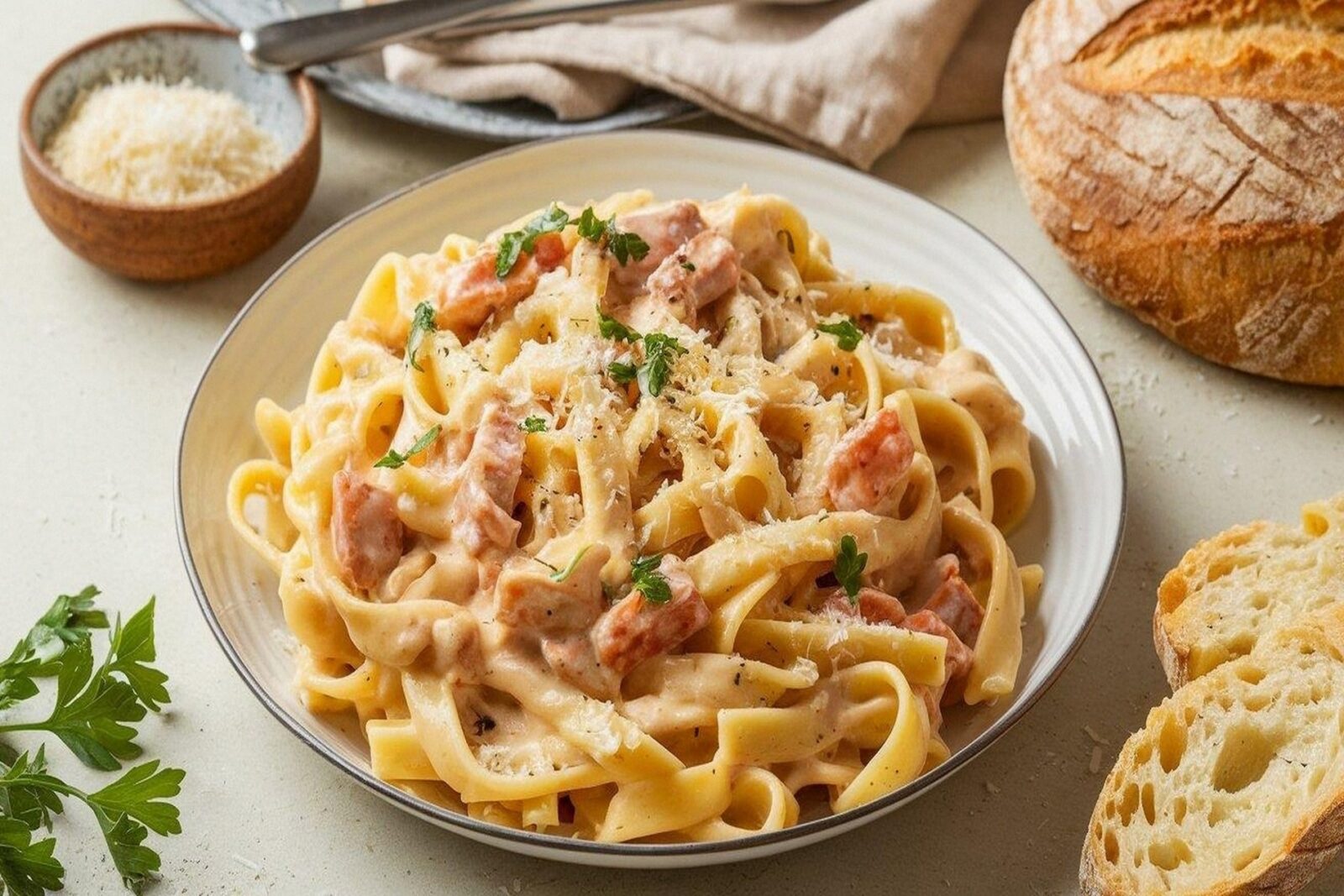
Rome greets you with a scent that feels eternal—guanciale crackling in a pan, pecorino melting into silky strands of pasta, artichokes frying until their leaves bloom like bronze flowers. You and your partner wander through Trastevere as the sun dips behind ochre façades, the air warm with the promise of dinner. A trattoria sets down a bowl of carbonara so glossy it looks lacquered, the sauce clinging to each strand with impossible precision. The first bite is rich, salty, peppery—pure Roman alchemy. Rome doesn’t just serve food. It serves identity.
Where Tradition Rules the Table
Roman cuisine is bold, confident, and deeply rooted in centuries of craft. Couples slip into trattorias where wooden tables sit close enough to spark conversation, where the menu hasn’t changed in decades because it doesn’t need to. The atmosphere is warm, bustling, and unapologetically local. Rome’s culinary soul thrives in this devotion to simplicity: four ingredients, one perfect dish; a vegetable fried until transcendent; a sauce stirred with the kind of muscle memory only time can teach. Romance here is earthy, generous, and shaped by the pleasure of eating something perfected long before you arrived.
Inside the Eternal City’s Most Iconic Plates
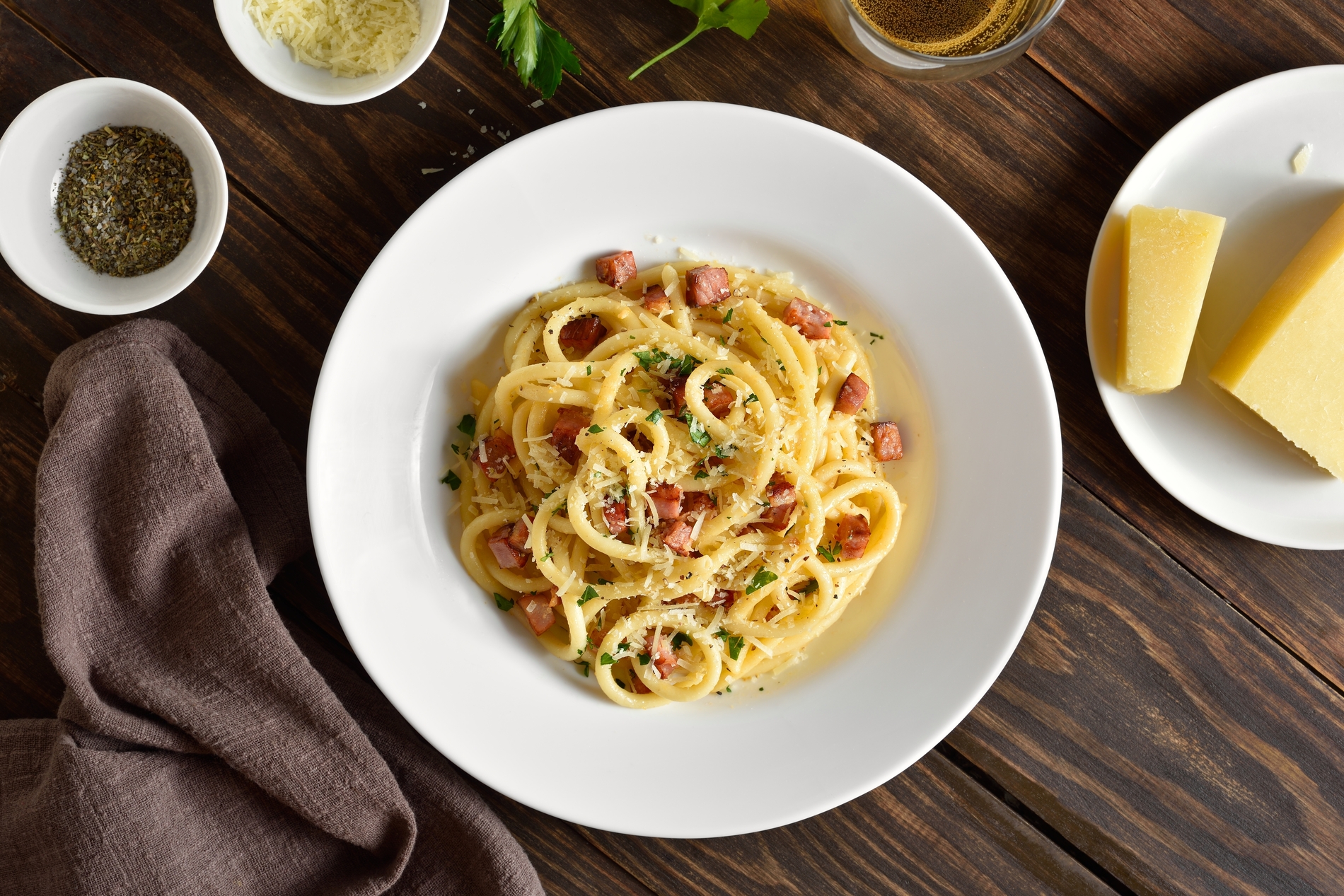
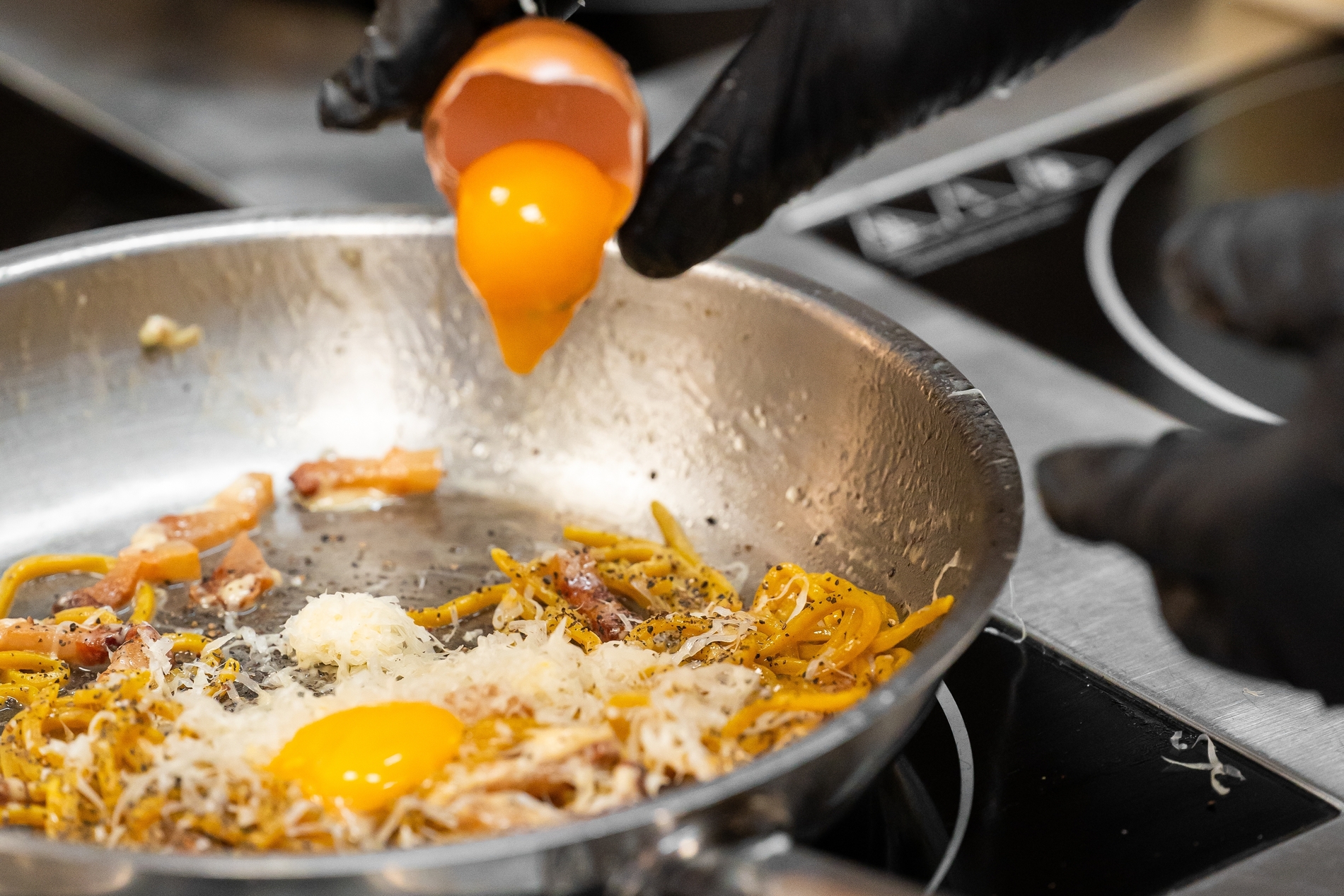
Your journey begins with carbonara, the dish that defines Roman mastery. No cream, no shortcuts—just eggs, pecorino Romano, guanciale, and black pepper. You watch as a cook tosses the pasta off the heat, the sauce thickening into a glossy, velvety coat. You share a bite, marveling at the balance: salty, smoky, creamy without being heavy.
Next comes cacio e pepe, a dish so simple it’s almost deceptive. Pecorino melts into starchy pasta water, forming a sauce that clings like silk. The pepper hits first—sharp, floral—followed by the cheese’s tang. You lean closer, trading forkfuls, savoring the purity of flavor.
Then the artichokes. Rome celebrates them two ways:
- Carciofi alla giudia, fried until the leaves crisp like petals, the heart tender and sweet.
- Carciofi alla romana, braised with mint, garlic, and olive oil until they melt under your fork.
You try both, the textures contrasting beautifully—crunch and softness, earthiness and brightness.
Dinner continues with amatriciana, its tomato‑guanciale sauce simmered to a deep, savory sweetness, and saltimbocca, veal layered with sage and prosciutto. Every dish feels like a chapter in Rome’s edible history, each flavor shaped by centuries of tradition and the city’s fierce culinary pride.
Letting Rome Feed You Slowly
Rome rewards couples who embrace its rhythm of abundance. Mornings begin with cornetti and cappuccino, afternoons with supplì eaten on the go, evenings with long meals in trattorias where the wine flows freely and the portions are generous. You wander between neighborhoods—Trastevere for rustic classics, Testaccio for cucina povera, Monti for modern twists—letting curiosity guide your appetite. The rhythm is slow, the flavors bold, the pleasure cumulative. Rome doesn’t rush you; it nourishes you.
What You Carry Home
Couples remember the first bite of carbonara, the crisp edges of fried artichokes, the warmth of a trattoria glowing under soft lights. They remember the generosity of Roman cooking, the comfort of dishes that feel both humble and extraordinary, the joy of discovering flavors shaped by history and heart. But the deeper imprint is devotion. Rome teaches lovers that great food—like great love—comes from simplicity, patience, and the courage to let ingredients speak for themselves.