

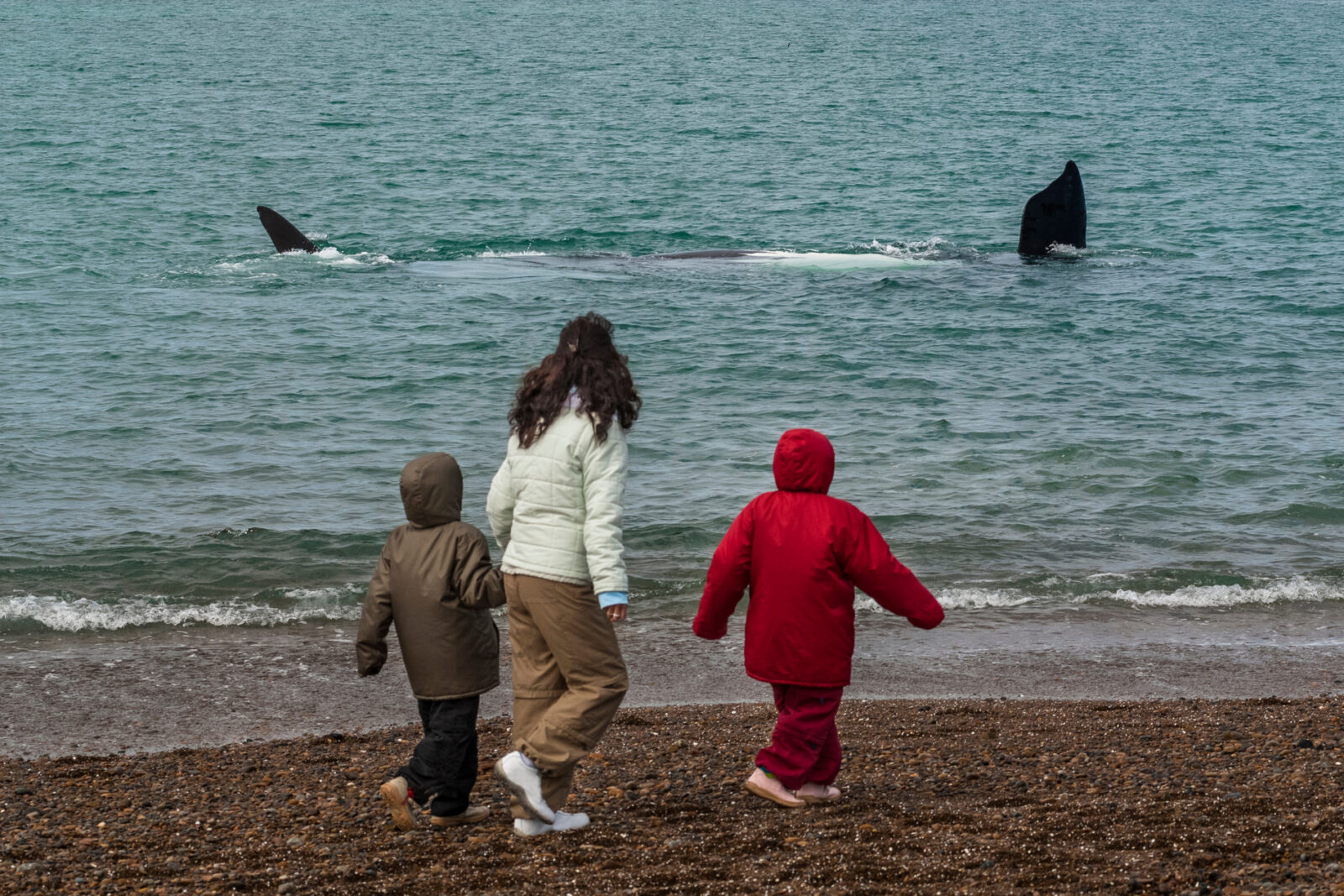
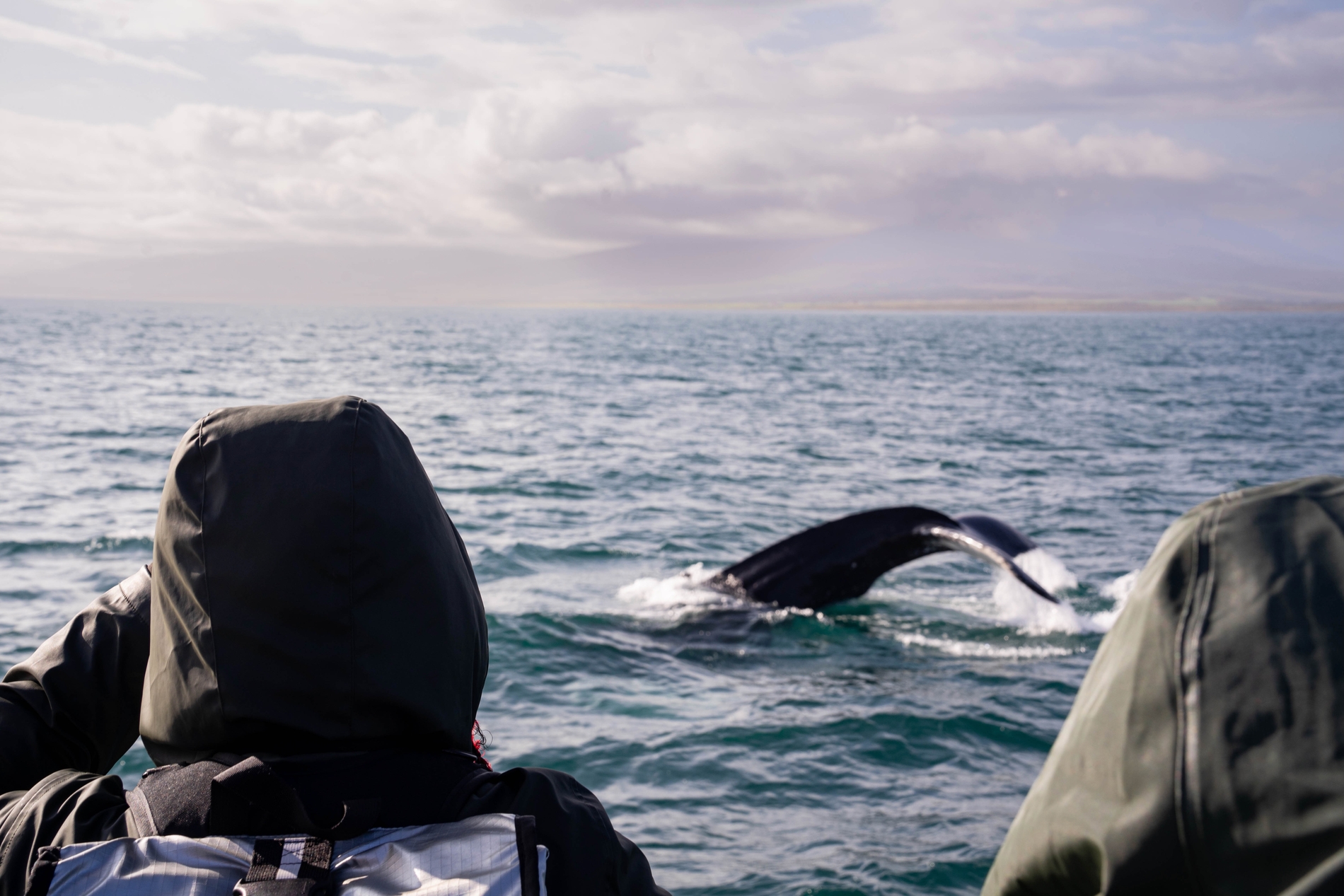
The boat rocks gently as it leaves the harbor, the morning light turning the water silver. Your kids lean over the railing, scanning the horizon with the kind of focus usually reserved for treasure hunts. Then—there it is. A plume of mist rises in the distance, followed by the slow, powerful arc of a whale’s back. The captain cuts the engine. The ocean stills. Your child grabs your arm, eyes wide, whispering, “Did you see that?” Moments later, the whale surfaces again, closer this time, its breath echoing across the water like a greeting from another world. Vancouver Island has a way of making families feel small in the best possible way.
A Coastline That Breathes Stories
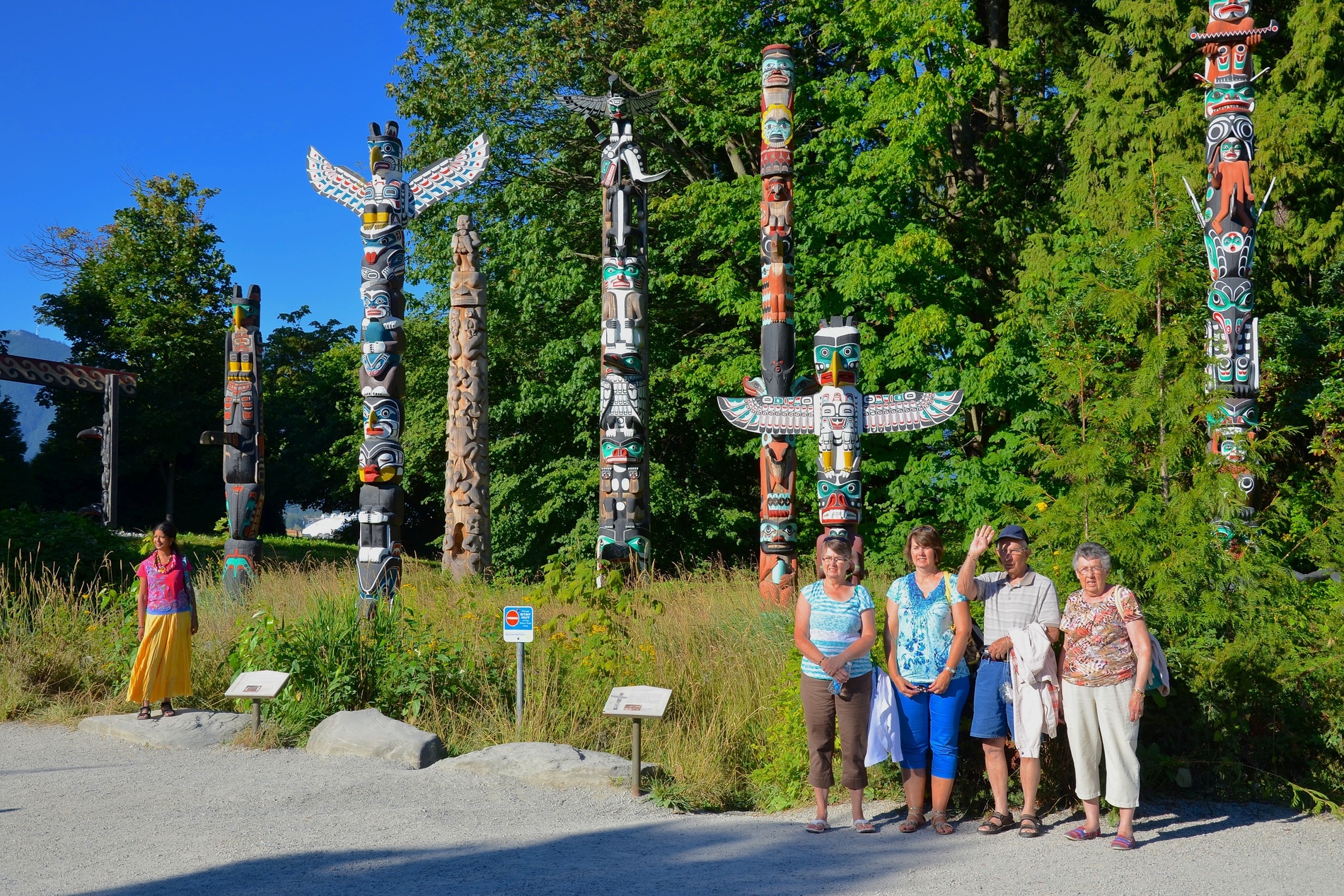
Vancouver Island feels like a place where nature and culture share the same heartbeat. The air is cool and clean, carrying the scent of cedar and salt. Forests rise thick and green, their branches draped in moss that glows in the soft coastal light. Villages along the island’s edge feel warm and welcoming, with cafés serving hot chocolate to kids still buzzing from the morning’s wildlife sightings. Totem poles stand tall in parks and plazas, carved with figures that seem to watch over the land—bears, ravens, wolves, each telling a story older than the island’s roads. The atmosphere is gentle, grounded, and deeply connected to the rhythms of the sea.
Where Whales and Legends Meet
Whale watching becomes the centerpiece of the journey. Families board small boats in places like Tofino, Ucluelet, or Telegraph Cove, where guides speak about the ocean with reverence. Kids learn to spot the signs—ripples, shadows, the sudden burst of a blowhole. Humpbacks breach with astonishing grace. Orcas glide in tight family pods, their dorsal fins slicing the water like black sails. Sea lions bark from rocky outcrops. Bald eagles circle overhead. The ocean becomes a living classroom, full of movement and mystery.
On land, the island’s cultural heritage unfolds with equal richness. Totem poles carved by Coast Salish, Nuu‑chah‑nulth, and Kwakwaka’wakw artists stand in museums, community centers, and open parks. Kids trace the shapes with their eyes—thunderbirds with outstretched wings, bears with wide paws, salmon swimming upward in spirals. Guides explain how each pole tells a story: family histories, creation myths, lessons passed down through generations. In places like Alert Bay or Duncan’s Totem Tour, families learn that these carvings aren’t decorations—they’re living narratives, rooted in respect and identity.
Between ocean and forest, the island offers endless small adventures. Tide pools reveal starfish, anemones, and tiny crabs. Forest trails lead to waterfalls that roar after rain. Beaches stretch wide and wild, perfect for driftwood forts and long, sandy races. Vancouver Island invites kids to explore with all their senses.
Letting the Island Set the Pace
Vancouver Island rewards families who move with its natural rhythm. Mornings are ideal for whale watching, when the water is calm and wildlife active. Midday invites forest walks or visits to cultural centers where totem poles stand tall and stories unfold slowly. Afternoons soften into a cool coastal glow, perfect for beach time or a warm drink in a seaside café. Evenings settle quietly, the sky streaked with pink as the tide rolls in. The key is to let the island guide the day—its tides, its trails, its stories.
What You Carry Home
Kids remember the moment the whale surfaced, the spray on their faces, the thrill of seeing something so big and gentle. They remember the colors carved into totem poles, the shapes of animals they’d never seen before, the feeling that stories can live in wood and water. Parents remember the calm of the coastline, the warmth of the communities, the rare sense of watching their children connect with nature and culture at the same time.
But the deeper imprint is respect. Vancouver Island teaches families that the wild isn’t something separate from us—it’s something we’re part of, something we learn from, something we carry long after the trip ends.