

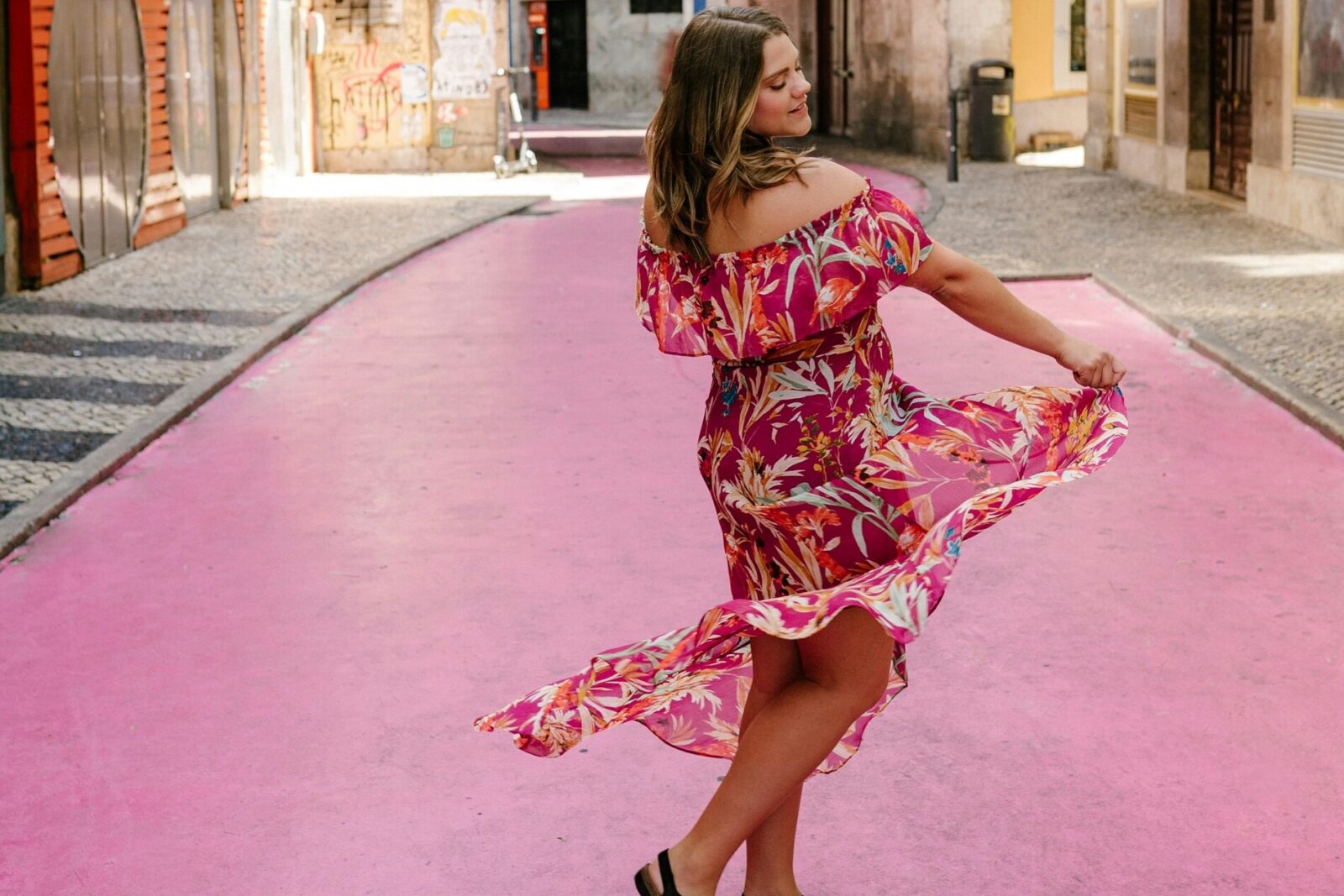
Lisbon glows differently at night. The Tagus fades into indigo, the city’s hills shimmer with scattered lights, and the air warms with the promise of music. Then you turn into Cais do Sodré and the pavement beneath your feet shifts to a bold, impossible shade of pink. Neon signs flicker awake. A bassline rolls out of a doorway. A fado singer’s voice—raw, aching, unmistakably Portuguese—floats above the crowd before dissolving into an electronic drop. In that instant—vibrant, nostalgic, impossibly modern—you understand why Pink Street has become Lisbon’s most magnetic nocturnal artery. It isn’t just nightlife. It’s a cultural remix.
A Street Reborn
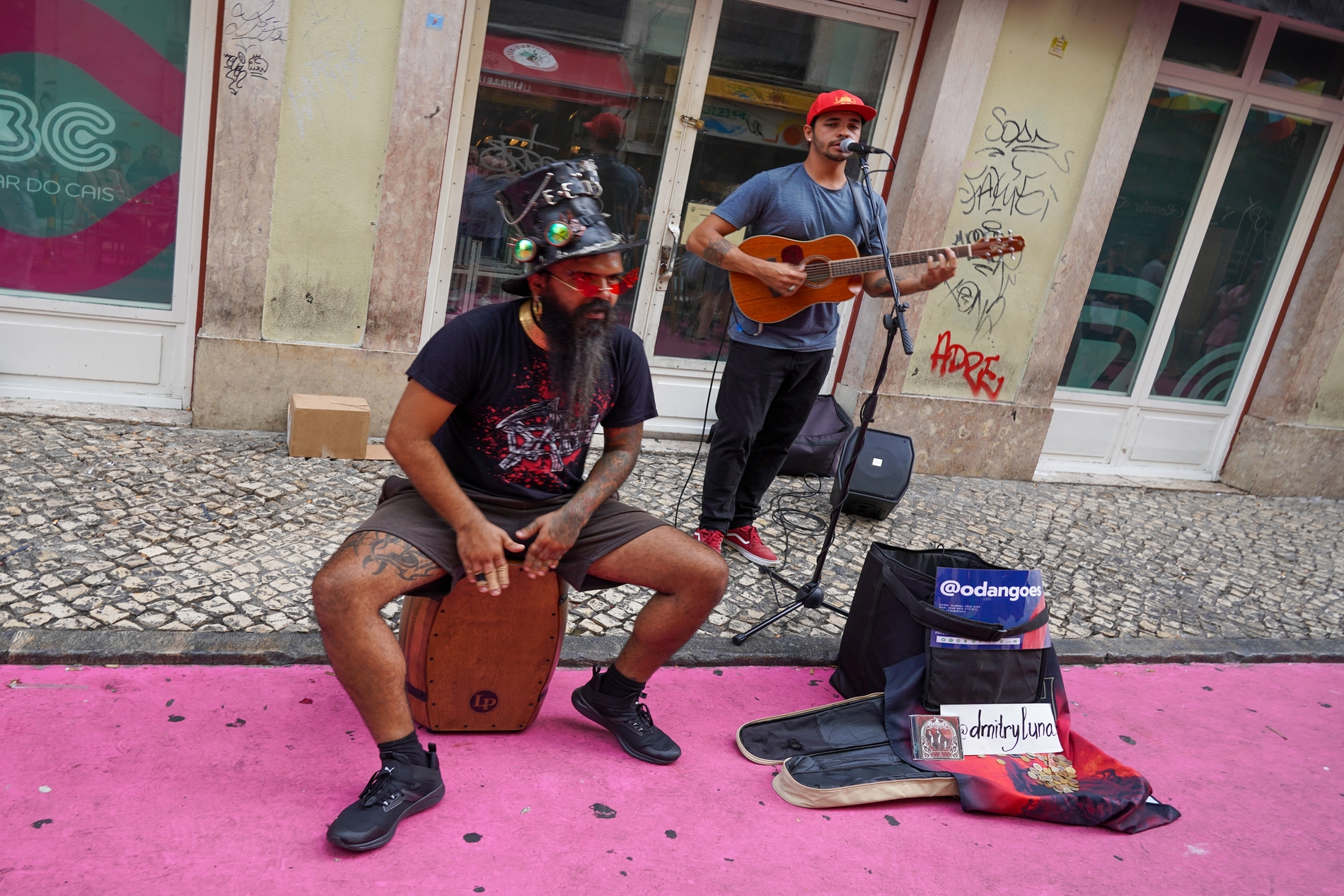
Pink Street carries the weight of its past with a kind of swagger. Once the red‑light district of sailors and late‑night wanderers, it has transformed into a polished, pulsating corridor where Lisbon’s history and future collide. The façades remain weathered, the balconies still wrought iron, the alleys still narrow—but the energy is unmistakably new. Bars spill onto the street, DJs set up beneath old arches, and the city’s maritime ghosts seem to nod approvingly as the night begins.
Where Fado Finds Its Echo
Fado still lives here, but it no longer stands alone. In one bar, a singer warms up, their voice carrying centuries of saudade. Step next door and that same emotional depth is woven into electronic beats, downtempo remixes, and experimental sets that feel like Lisbon dreaming in stereo. The fusion is seamless: tradition meeting tomorrow, longing meeting light.
Bars That Glow Like Lanterns
Pink Street’s bars each offer a different version of Lisbon after dark. Some are intimate, candlelit spaces where bartenders stir port‑infused cocktails with quiet precision. Others are neon‑drenched dens with mirrored ceilings and DJs perched above the crowd. A few hide behind unmarked doors, offering speakeasy‑style sanctuaries for those who want something moodier, quieter, more cinematic. Every doorway feels like a portal to a new rhythm.
Cocktails With Iberian Attitude
The drinks here taste like the Atlantic and the Alentejo in equal measure. Port spritzes glow amber under the lights. Gin tonics arrive brightened with citrus and rosemary. Cocktails built around fig, honey, and Madeira wine carry the warmth of the Portuguese coast. Some bars experiment with smoky mezcal; others lean into floral vermouths. Each sip feels like a postcard from the city.
A Crowd That Moves With the Music
Pink Street attracts a kaleidoscope of people—artists, students, digital nomads, musicians, travelers, and locals who know every shortcut between bars. Fashion is eclectic: linen shirts, leather jackets, sequined tops, vintage dresses, sneakers that have danced across half of Europe. Conversations drift between Portuguese, English, Spanish, and French, punctuated by laughter and the clink of glasses. The vibe is inclusive, expressive, and effortlessly alive.
When the Street Becomes the Stage
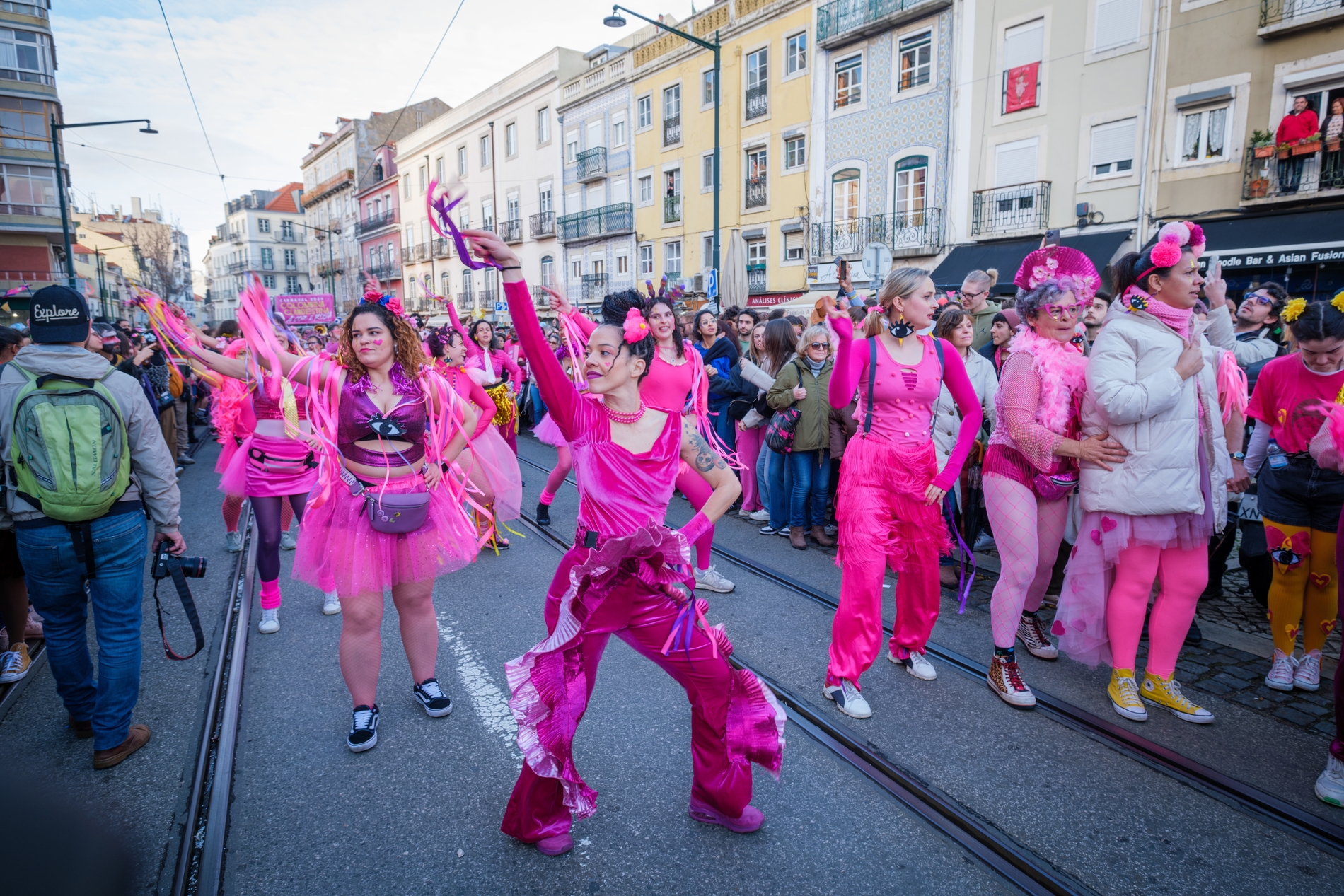
As the night deepens, Pink Street transforms into an open‑air dance floor. Music spills outdoors. People gather beneath the arches. The pink pavement glows under the lights, turning the entire street into a surreal, cinematic backdrop. Someone starts singing. Someone else starts filming. The energy becomes communal, spontaneous, unmistakably Lisbon.
Dawn Over the Tagus
Eventually, the music softens. The sky lightens. The river turns silver. A bakery opens nearby, filling the air with the smell of warm pastéis de nata. You walk home with the echo of fado in your chest and the pulse of electronic beats still humming in your bones. Lisbon doesn’t just party. It glows.
What the Pink Leaves Behind
A night on Pink Street lingers long after you’ve left the city. It’s the memory of dancing beneath neon arches, the taste of citrus and port, the glow of pink pavement under your feet, the feeling of being suspended between tradition and tomorrow. Lisbon doesn’t rise to the occasion. It reinvents it.