

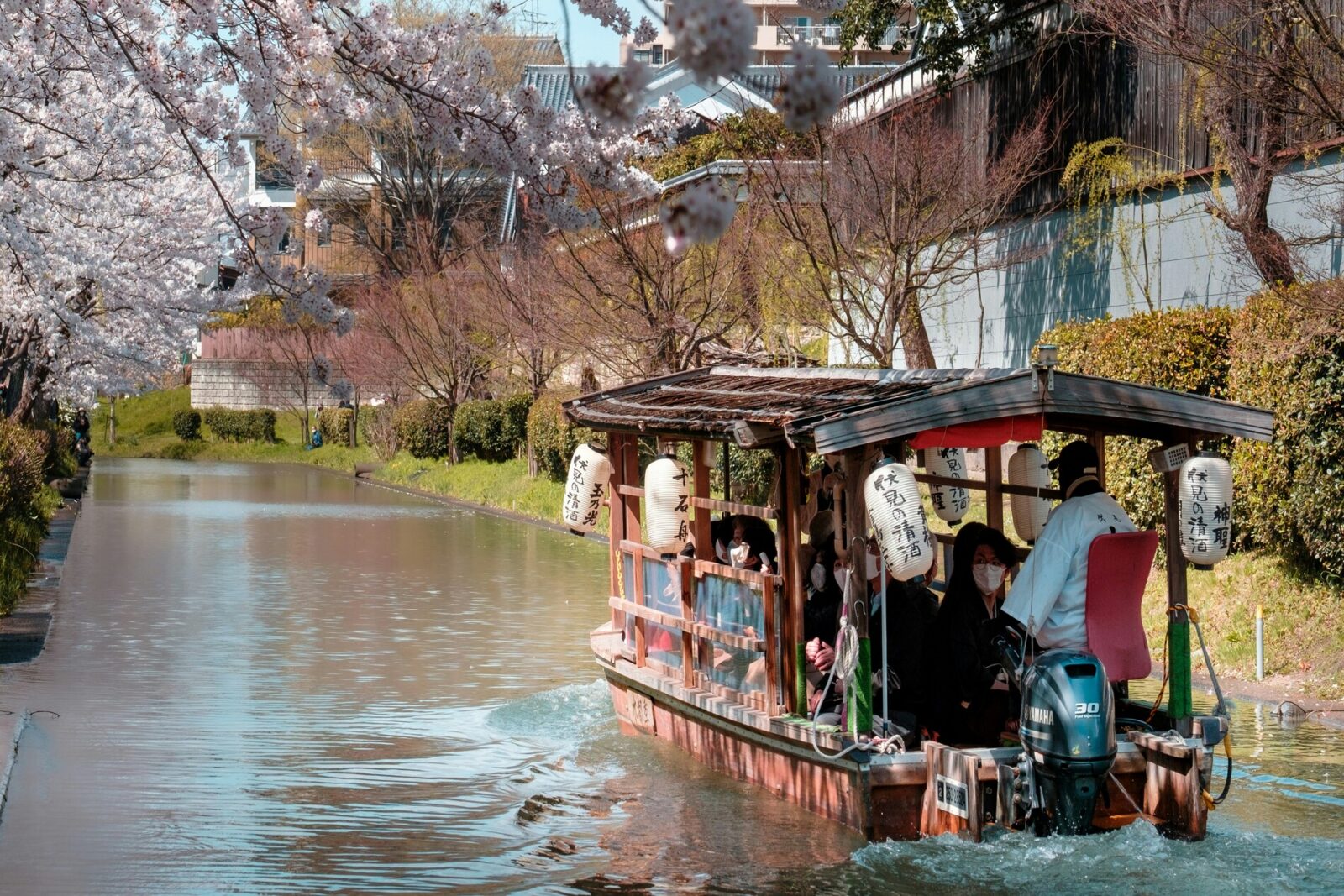
Just after dawn, Kyoto feels like it’s holding its breath. You and your partner step into Maruyama Park while the city is still quiet, the air cool enough to mist your exhale. A single breeze moves through the branches above you, and suddenly the first petals fall—soft, pale, almost weightless. They drift down like a blessing, catching in your hair, settling on your shoulders, dissolving on the surface of the pond. For a moment, the world is nothing but pink light and silence. This is the romance Kyoto is famous for: fleeting, delicate, unforgettable.
A City That Understands Ephemeral Love
Kyoto’s charm lies in its restraint. It doesn’t overwhelm you with spectacle; it invites you into something quieter, more contemplative. The cherry blossoms—sakura—are the purest expression of that spirit. They bloom for only a short window each spring, turning temples, riversides, and narrow streets into soft corridors of color. Couples wander slowly beneath the branches, speaking in low voices, aware that the beauty around them is temporary and therefore precious.
There’s a tenderness to the city during blossom season. The light becomes diffused, almost pearlescent. The air smells faintly of moss and incense drifting from temple courtyards. Even the soundscape changes—footsteps soften on petal‑covered paths, and conversations seem to float rather than echo. Kyoto becomes a place where romance feels not just possible, but inevitable.
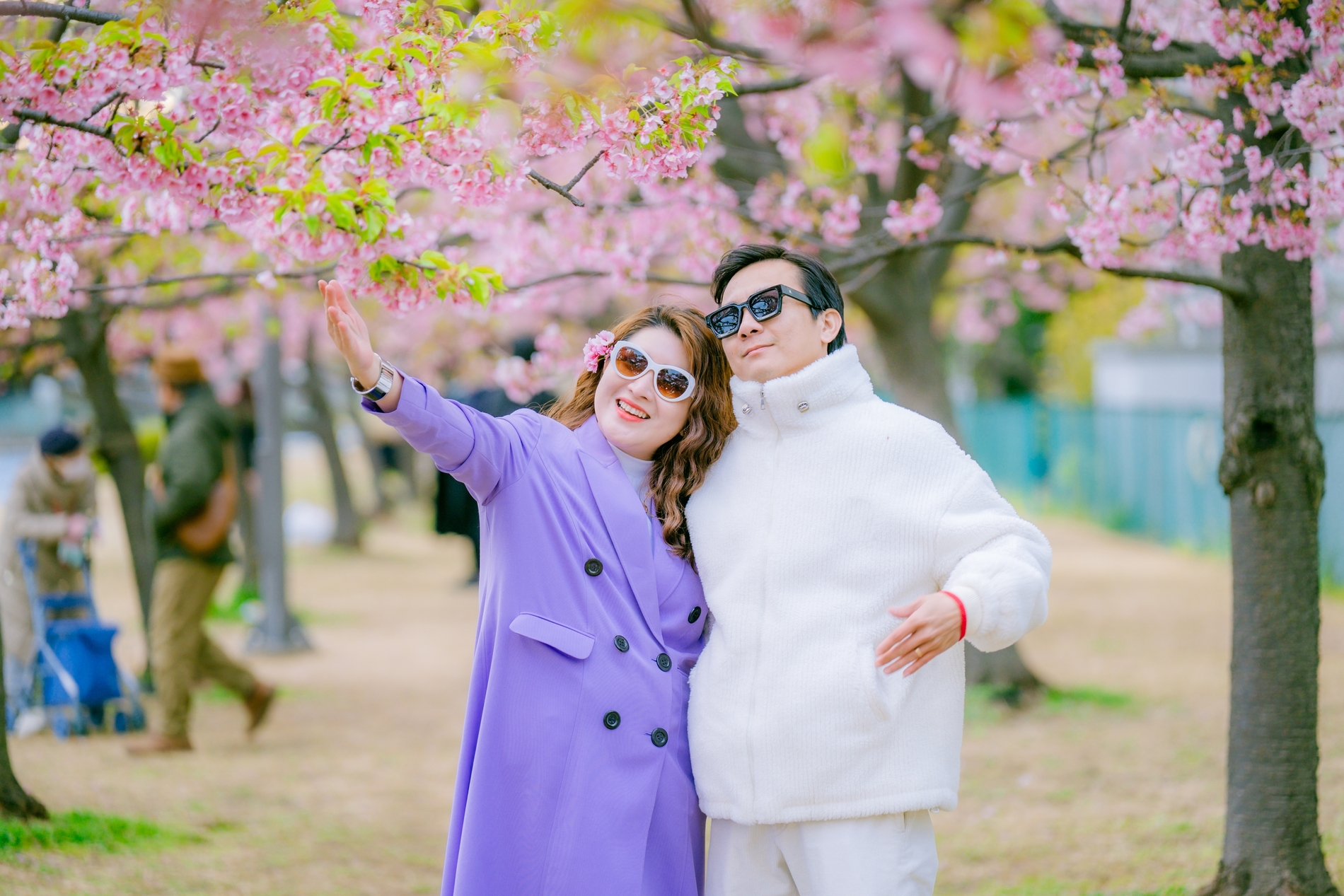
Walking Through a Living Poem
Strolling along the Philosopher’s Path feels like stepping into a watercolor. The canal runs quietly beside you, lined with cherry trees that arch overhead, their branches meeting in a canopy of pink. Petals fall into the water and drift downstream in slow spirals. You walk close, sharing the narrow stone path, stopping often without needing a reason. The world around you feels suspended, as if time has agreed to move more gently for a while.
At Kiyomizu‑dera, the blossoms frame the temple’s wooden terrace, the city stretching out below in a haze of spring light. You stand together at the railing, the breeze lifting the petals into the air like confetti. The moment feels both intimate and expansive—romance held within a landscape shaped by centuries.
Evenings Wrapped in Lantern Light
When night falls, Kyoto shifts into a different kind of magic. Lanterns glow along the Shirakawa River in Gion, their reflections shimmering in the water. The cherry trees become silhouettes dusted with pale blossoms, and the streets take on a quiet, cinematic quality. You walk slowly, the sound of the river following you, the scent of grilled yakitori drifting from a nearby doorway.
Dinner becomes part of the atmosphere. A small restaurant tucked into a wooden machiya house offers warm light, tatami floors, and dishes that feel crafted rather than prepared—seasonal vegetables, delicate broths, fish so fresh it tastes like the sea at dawn. You sit close, sharing plates, sharing warmth, sharing the feeling that the night is holding you gently.
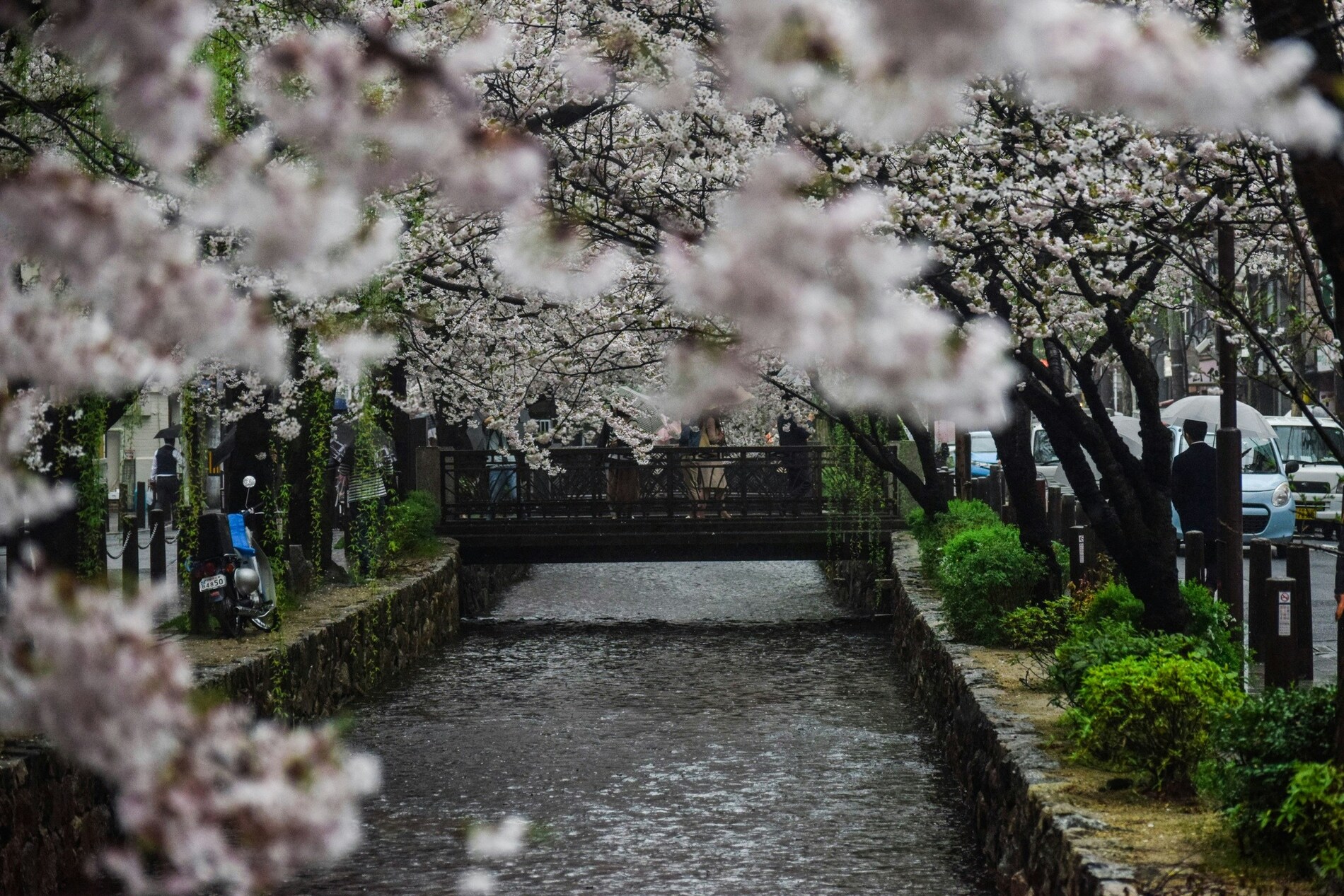
When Kyoto Feels Its Most Romantic
Cherry blossom season is famously brief, but its spirit lingers in the weeks around it. Early mornings offer the most intimate moments, when the crowds haven’t yet arrived and the city feels like it belongs only to the two of you. Late afternoons bring a golden softness to the light, perfect for temple gardens and riverside walks. Evenings invite you to slow down, to let the lanterns guide your steps, to savor the quiet beauty that Kyoto reveals only after dark.
What You Carry Home
Kyoto stays with you in fragments: petals caught in your partner’s hair, the hush of a temple at sunrise, the glow of lanterns reflected in the river, the feeling of walking through a world that exists only for a moment. The romance here is not grand or loud—it’s delicate, fleeting, and deeply felt.
Long after you’ve left, you’ll remember the way the blossoms fell around you, soft as breath, and how the city taught you that some of the most beautiful moments are the ones that don’t last.