

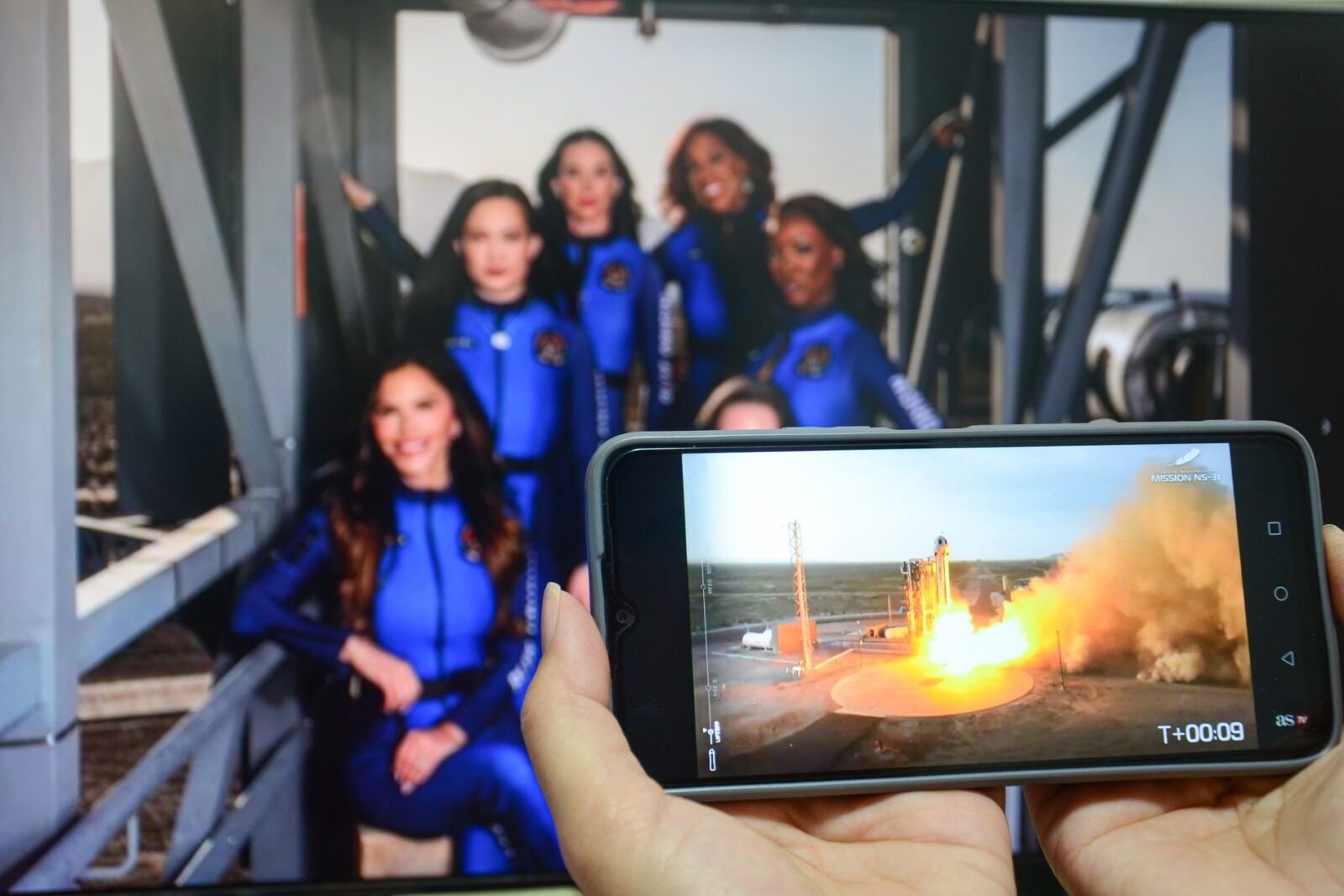
The cabin lights dim as the engines hum with a low, resonant vibration. Outside your window, the sky shifts from deep blue to ink‑black in a matter of minutes. Gravity loosens its grip. A pen floats gently from your hand. The Earth curves beneath you—brilliant, fragile, impossibly alive. A crew member glides past with the ease of someone who has rehearsed this choreography a thousand times. In this moment—weightless, breathless, suspended between worlds—you understand why civilian space travel has become the most coveted expression of modern luxury. It is not adventure. It is ascension.
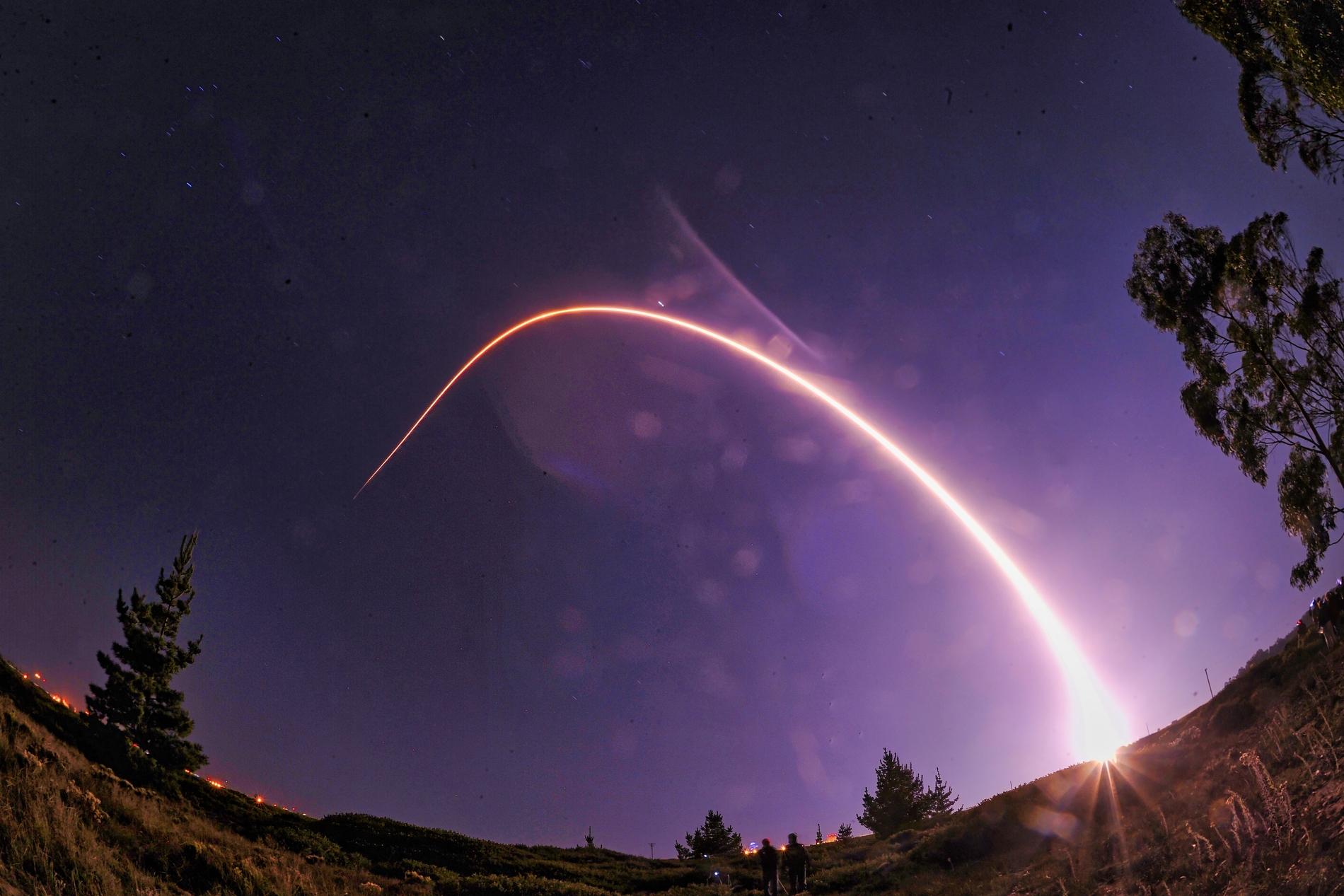
A New Era of Access
Civilian space travel has moved from science fiction to curated experience, shaped by private aerospace companies that blend engineering precision with hospitality. Seats are no longer reserved for astronauts or scientists; they are open to explorers, philanthropists, innovators, and travelers seeking a perspective that cannot be replicated on Earth. The journey is meticulously choreographed—from pre‑flight training to post‑orbit recovery—ensuring that even first‑time voyagers feel prepared, grounded, and safe.
This democratization of orbit is not about mass access. It is about selective access, a new tier of global mobility.
Architecture Above the Atmosphere
Spacecraft interiors have evolved into minimalist sanctuaries designed for calm and clarity. Smooth surfaces, soft lighting, and panoramic windows create an atmosphere that feels more like a floating observatory than a cockpit. Materials are chosen for both safety and serenity. Seats recline into launch positions with the elegance of high‑end aviation. Touchscreens replace switches. The design language is futuristic but warm, engineered to soothe the senses during the most dramatic ascent imaginable.
The spacecraft becomes a vessel of both exploration and introspection.
The Ritual of Preparation
Before launch, travelers undergo a multi‑day immersion that blends physical training with psychological grounding. Simulators replicate the sensation of liftoff. Instructors guide breathing techniques for microgravity. Medical teams ensure every passenger is ready for the physiological shift. Even meals are curated—light, nutrient‑dense, designed to support the body through acceleration and weightlessness.
This preparation is not merely practical. It is ceremonial. A rite of passage into the rarest form of travel.
Life in Microgravity
Once in orbit, the experience becomes surreal. Movements slow into a graceful drift. Objects float with the gentlest push. The body adapts quickly, finding new rhythms in the absence of weight. Travelers spend their time gazing at Earth through wide windows, watching continents slide beneath them in silence. Some meditate. Some photograph. Some simply stare, overwhelmed by the scale and fragility of the planet.
Meals are served in small, carefully designed portions. Conversations take on a hushed, reverent tone. Every moment feels suspended—literally and emotionally.
The View That Changes Everything
The defining luxury of civilian space travel is not the spacecraft, the training, or the exclusivity. It is the view. Astronauts call it the overview effect—a cognitive shift that occurs when seeing Earth from above. Borders vanish. Cities glow like constellations. Storms swirl in slow motion. The planet appears both powerful and delicate, a single living organism floating in darkness.
For many travelers, this moment becomes a turning point. A recalibration of priorities. A deepened sense of responsibility. A rare, humbling clarity.
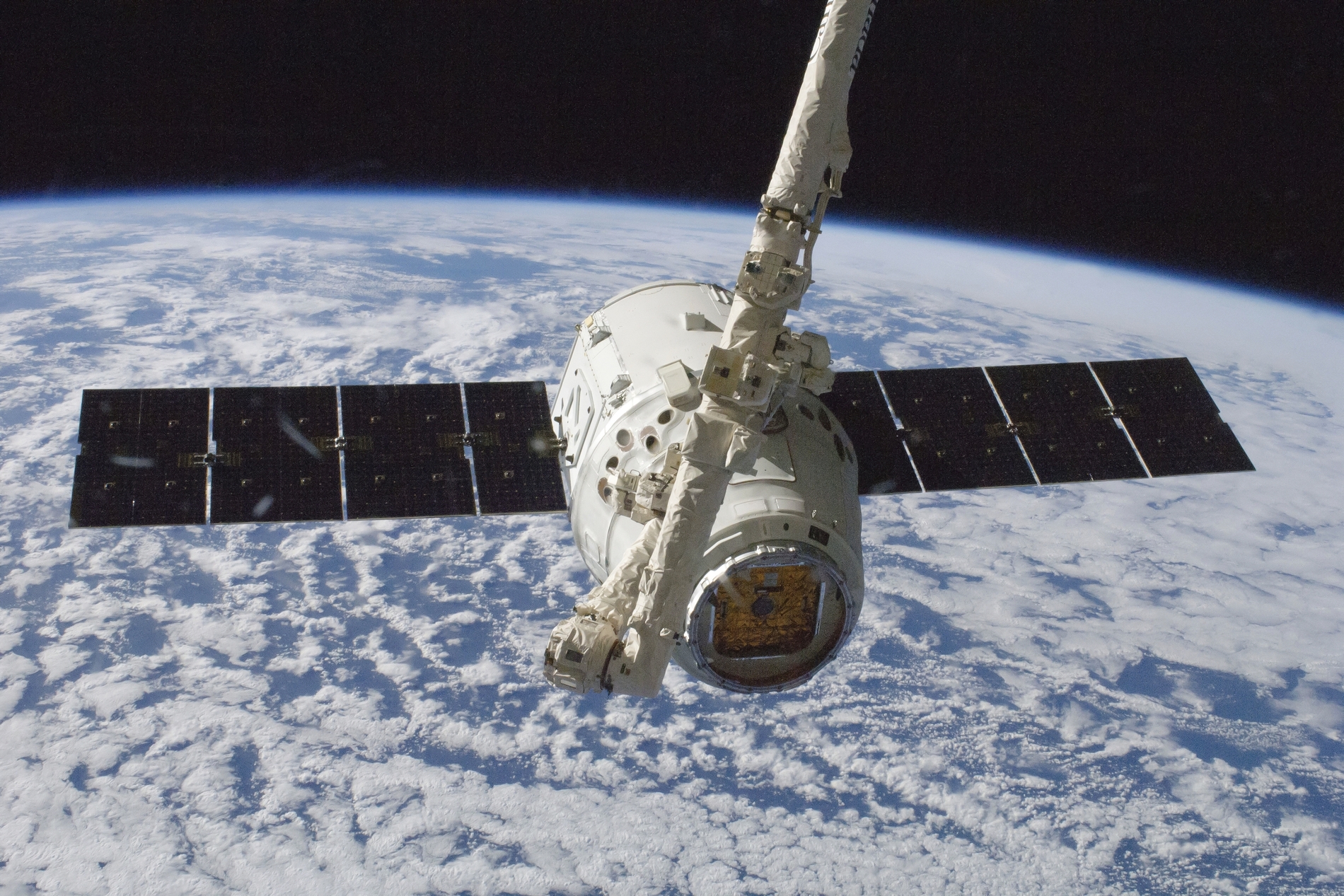
The Descent Back to Earth
Re‑entry is a return to gravity, sound, and sensation. The spacecraft glows with friction. The cabin vibrates. Then, suddenly, you are back—parachutes opening, landing gear touching down, the world rushing up to meet you. The air feels heavier. The colors brighter. The ground more solid than you remembered.
Travelers often describe the return as bittersweet. The journey is short, but its imprint is permanent.
What the Frontier Leaves Behind
A civilian spaceflight lingers long after the mission ends. It is the memory of floating above the world in absolute silence. The sight of sunrise sweeping across continents. The realization that luxury can be measured not in possessions, but in perspective.
Space travel is no longer the domain of astronauts alone. It is the new summit of human experience—an ascent into awe.