

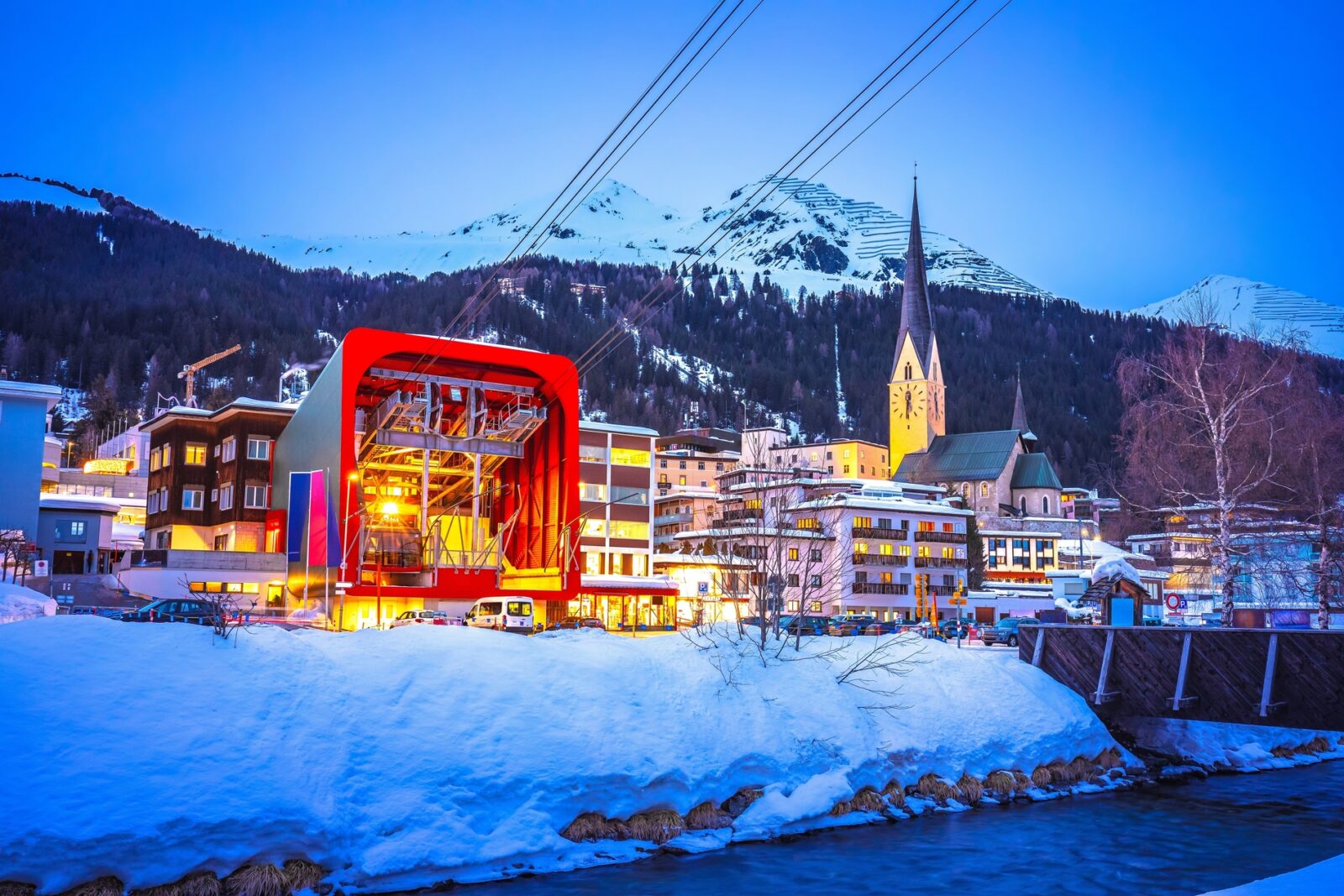
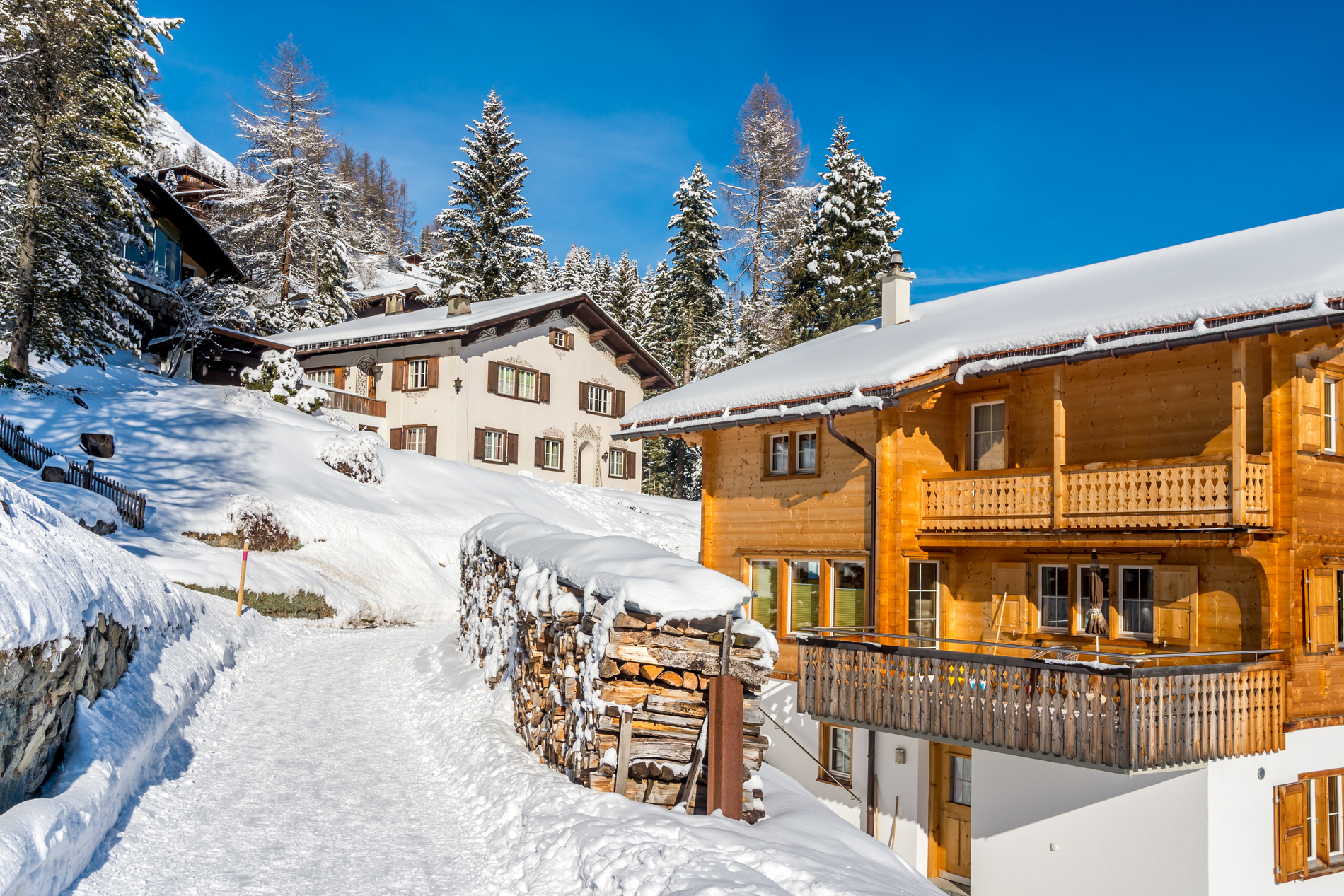
The morning air in Davos feels almost medicinal. Crisp, thin, impossibly clean. You step onto a wooden balcony overlooking the valley, the sun just beginning to brush the peaks with pale gold. Below, the pines stand in perfect stillness, their branches holding the last traces of night frost. You inhale, and the cold rushes in—sharp, clarifying, almost electric. It’s easy to understand why people once traveled thousands of miles to breathe this air, to let the mountains do what medicine could not. In that quiet moment, wrapped in a wool blanket, you feel the Alps working on you in ways that are subtle but unmistakable.
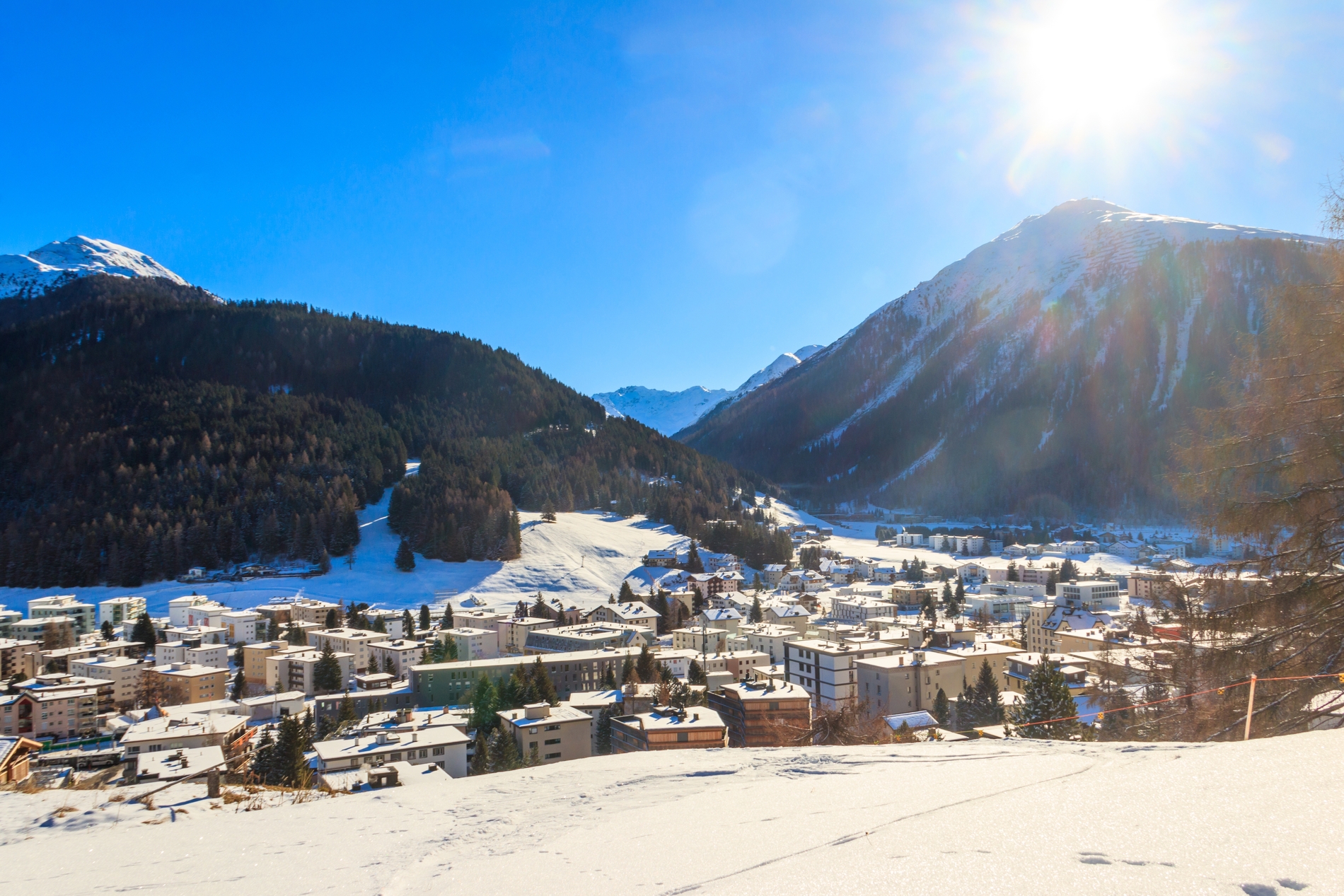
Davos carries the echo of its sanatorium past. Long before it became synonymous with conferences and winter sports, it was a refuge for those seeking healing through altitude, sunlight, and silence. That legacy lingers in the atmosphere. The town feels spacious, orderly, and gently austere—wide promenades, crisp light, buildings that seem designed to let the lungs expand. The mountains rise like guardians on all sides, creating a natural amphitheater of calm.
There’s a sense that the landscape itself is the treatment. The air tastes clean. The light feels restorative. Even the quiet has weight.
Where History Meets Healing
The “Alpine air cure” began in the late 19th century, when Davos became a sanctuary for tuberculosis patients. Doctors believed that cold, dry air and long hours of rest on sunlit balconies could coax the body back toward health. Patients spent their days wrapped in blankets, reclining in wooden loungers, breathing deeply as the mountains worked their slow magic. Many recovered. Some stayed for life. The sanatoriums became communities—places where healing was not rushed but lived.
Today, the medical urgency is gone, but the philosophy remains. Wellness in Davos is still rooted in the elements: altitude, light, movement, and the quiet discipline of being present in the landscape.
The Deep Dive
Modern retreats in Davos reinterpret the old rituals with a contemporary softness. You might begin the day with a slow walk along a forested trail, the air cool enough to sharpen your senses. Sunlight filters through the pines, warming your face as you breathe deeply, letting the altitude do its subtle work. Later, you settle into a spa that blends hydrotherapy with alpine botanicals—steam rooms scented with pine needles, cold plunges fed by mountain springs, massages using oils infused with arnica and juniper.
Afternoons unfold at a gentler pace. A cup of herbal tea on a terrace overlooking the Jakobshorn. A nap wrapped in a wool throw, the windows cracked open to let the mountain air drift in. A quiet swim in a warm pool while snow falls outside. The rhythm feels instinctive, as if the body remembers how to heal when given space and clean air.
Evenings are the most intimate. The valley darkens early, the sky turning a deep indigo that makes the stars feel close enough to touch. You walk through the quiet streets, hearing only the crunch of snow beneath your boots and the distant hum of a cable car settling for the night. The cold sharpens your breath, but it also clears your mind.
When Davos Feels Most Restorative
Winter carries the most dramatic beauty—snow‑covered peaks, crisp air that wakes every cell, a stillness that feels almost sacred. But early summer has its own gentleness: meadows in bloom, long days of soft light, trails that wind through forests humming with life. These are the seasons when the Alpine air cure feels most alive, when the landscape invites you to slow down and breathe with intention.
What You Carry Home
Davos lingers in the lungs. You remember the taste of cold air, the warmth of sunlight on your face, the quiet that settled into your bones. You return home with a steadier breath, a clearer mind, and a renewed respect for the simple act of inhaling deeply. The Alpine air cure teaches that wellness doesn’t always require complexity. Sometimes it requires altitude, silence, and the willingness to let the mountains do their work.