

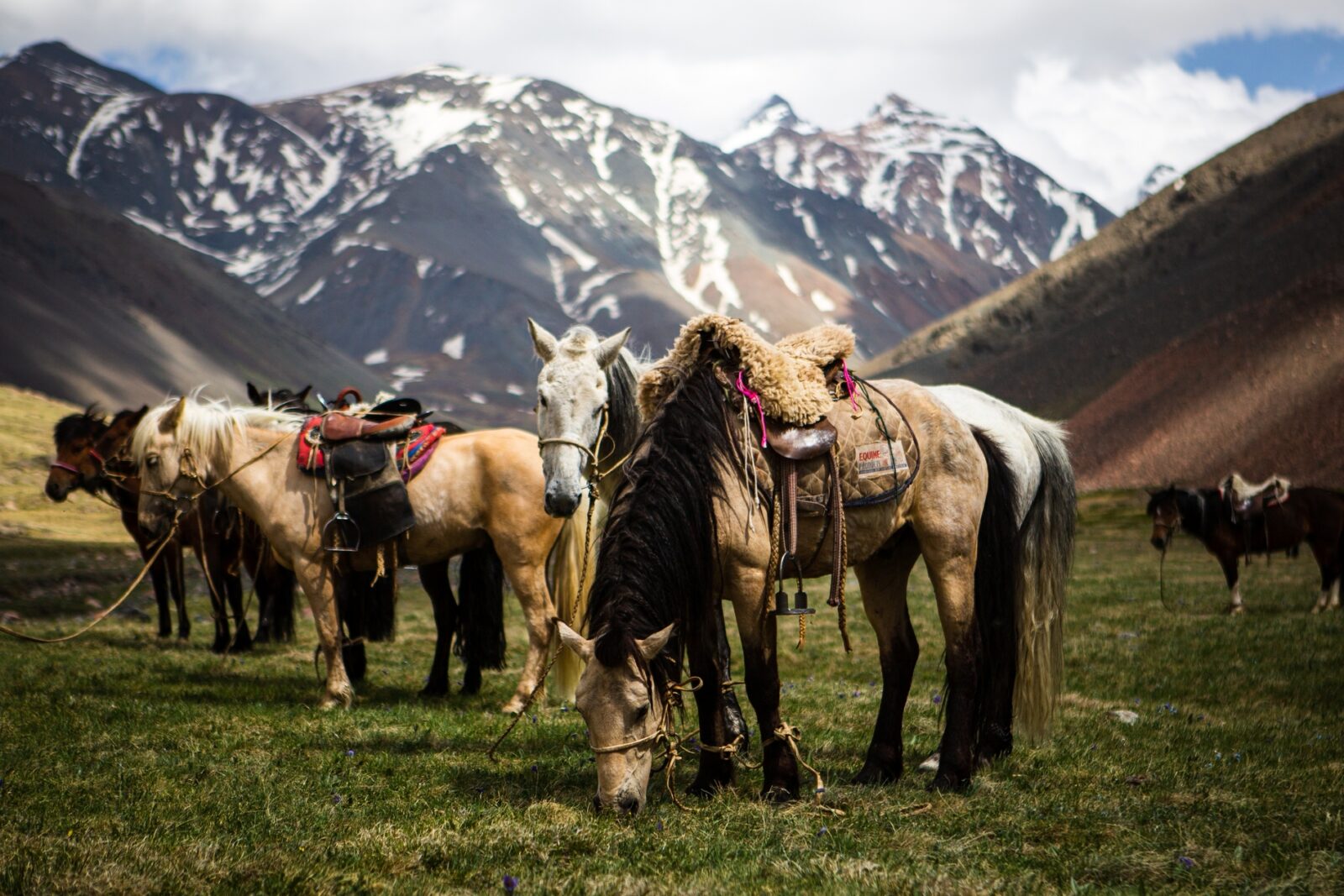
Dawn on the steppe arrives without ceremony. A pale ribbon of light stretches across an endless horizon, revealing a landscape so vast it feels almost abstract—rolling grasslands, distant mountains, and a silence broken only by the soft snort of your horse. You tighten the girth, swing into the saddle, and feel the animal shift beneath you—steady, warm, instinctive. A herder rides ahead, his deel fluttering in the wind, guiding you toward a world where roads don’t exist and time moves at the pace of hooves. As the sun rises, the steppe glows gold, and you begin to understand why nomads have followed this rhythm for centuries.
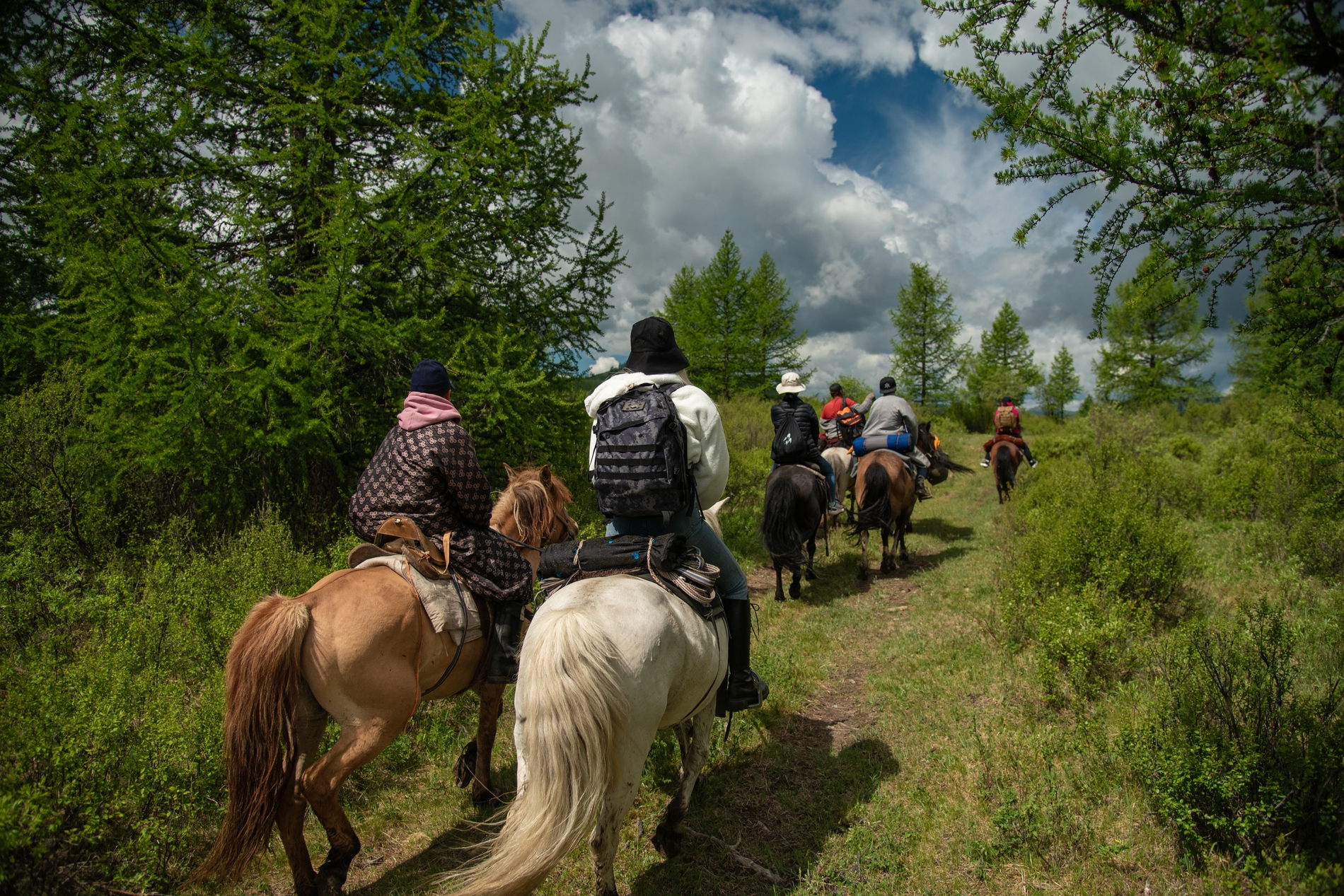
The Mongolian steppe is a study in spaciousness. The air is crisp, the horizon infinite, the quiet profound. Gers dot the landscape like white beads, smoke curling from their chimneys. Herds of horses move in fluid clusters, their manes catching the wind. Life here feels elemental—shaped by weather, instinct, and the steady companionship of animals. Days unfold with a simplicity that feels both grounding and liberating.
There’s a humility to the experience. The land doesn’t bend to you; you adapt to it.
Where the Saddle Becomes Your Compass
Horse trekking in Mongolia is less about speed and more about immersion. The horses—small, muscular, endlessly resilient—move with a natural confidence across terrain that shifts from grassland to river crossings to rocky hills. You learn to trust their instincts. You learn to ride with softness. You learn that navigation here is a conversation between rider, horse, and horizon.
Along the way, you pass through landscapes shaped by nomadic life:
- Open steppe where herds graze freely.
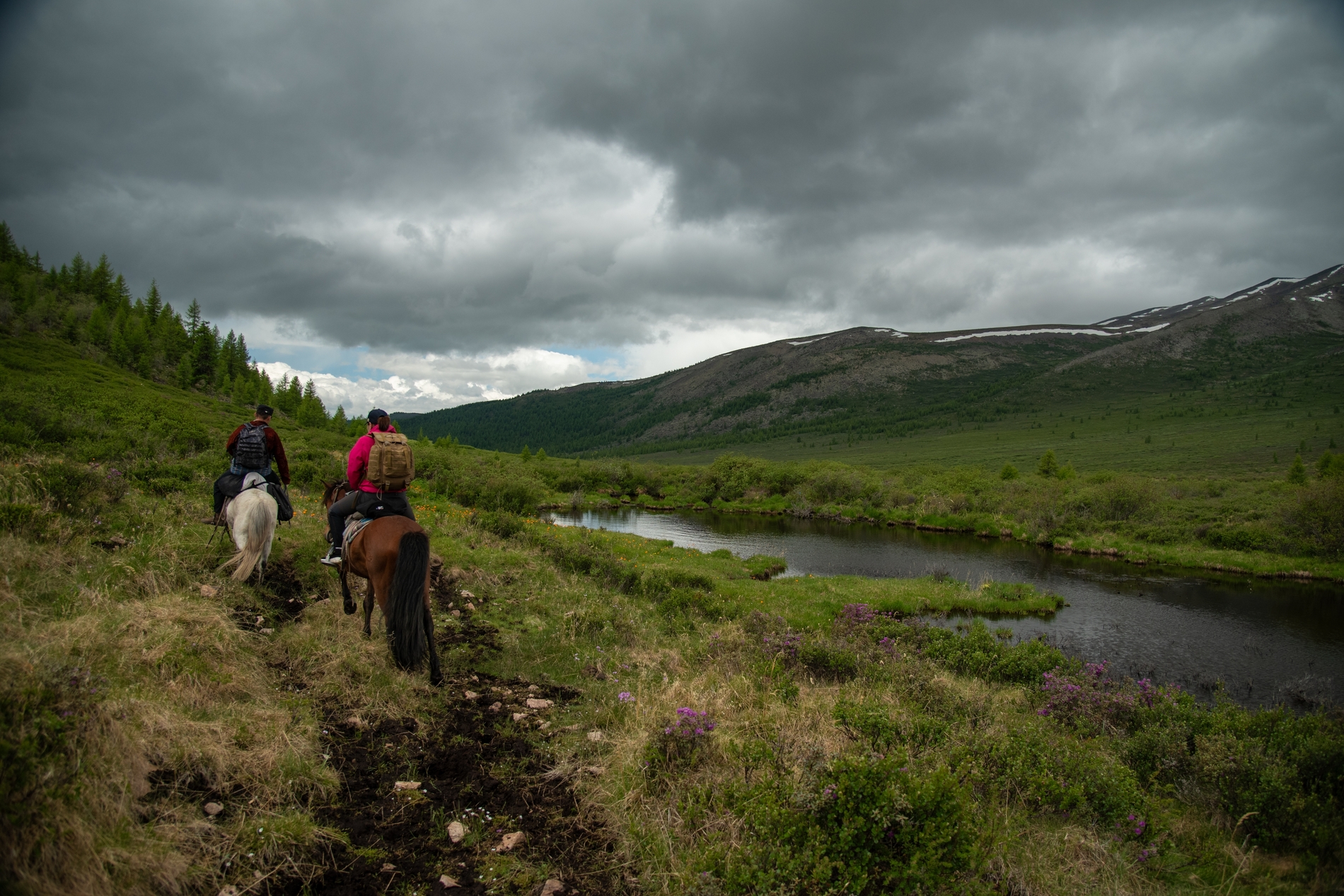
- River valleys lined with wildflowers.
- Mountain passes where eagles circle overhead.
- Gobi fringes where the land shifts toward desert.
Each zone carries its own rhythm, its own challenges, its own quiet beauty.
The Deep Dive
A day on horseback begins with warmth—fresh milk tea, bread still warm from the stove, the smell of woodsmoke lingering in the air. You saddle up and ride for hours, the landscape unfolding in slow, cinematic sweeps. Your guide points out marmot burrows, medicinal plants, and the faint trails that only nomads seem able to read.
By midday, you stop near a river. Horses graze. You rest in the shade of a lone tree, eating dried curds and noodles cooked over a small fire. The silence feels expansive, almost tactile.
Afternoons bring long stretches of riding, the wind cooling your face as the steppe shifts in color and texture. You arrive at a family ger, where you’re welcomed with fermented mare’s milk and stories told with wide gestures and easy laughter. As night falls, the sky explodes with stars—sharp, bright, infinite. You fall asleep to the sound of horses grazing outside, their presence steady and comforting.
When the Steppe Feels Most Alive
Mongolia’s seasons shape the experience dramatically:
- June–August — lush grasslands, warm days, ideal for long-distance trekking.
- September — crisp air, golden steppe, the most photogenic month.
- Early October — colder, quieter, with a raw beauty that feels deeply authentic.
Each season offers its own version of nomadic life—equally challenging, equally unforgettable.
What You Carry Home
The steppe lingers in your body long after you leave: the rhythm of hooves, the taste of milk tea, the vastness of a horizon with no boundaries. But the deeper imprint is the nomadic philosophy—movement as a way of life, simplicity as strength, and a connection to animals that feels almost ancestral.
Adventure here isn’t about conquering distance. It’s about learning to live in motion.