

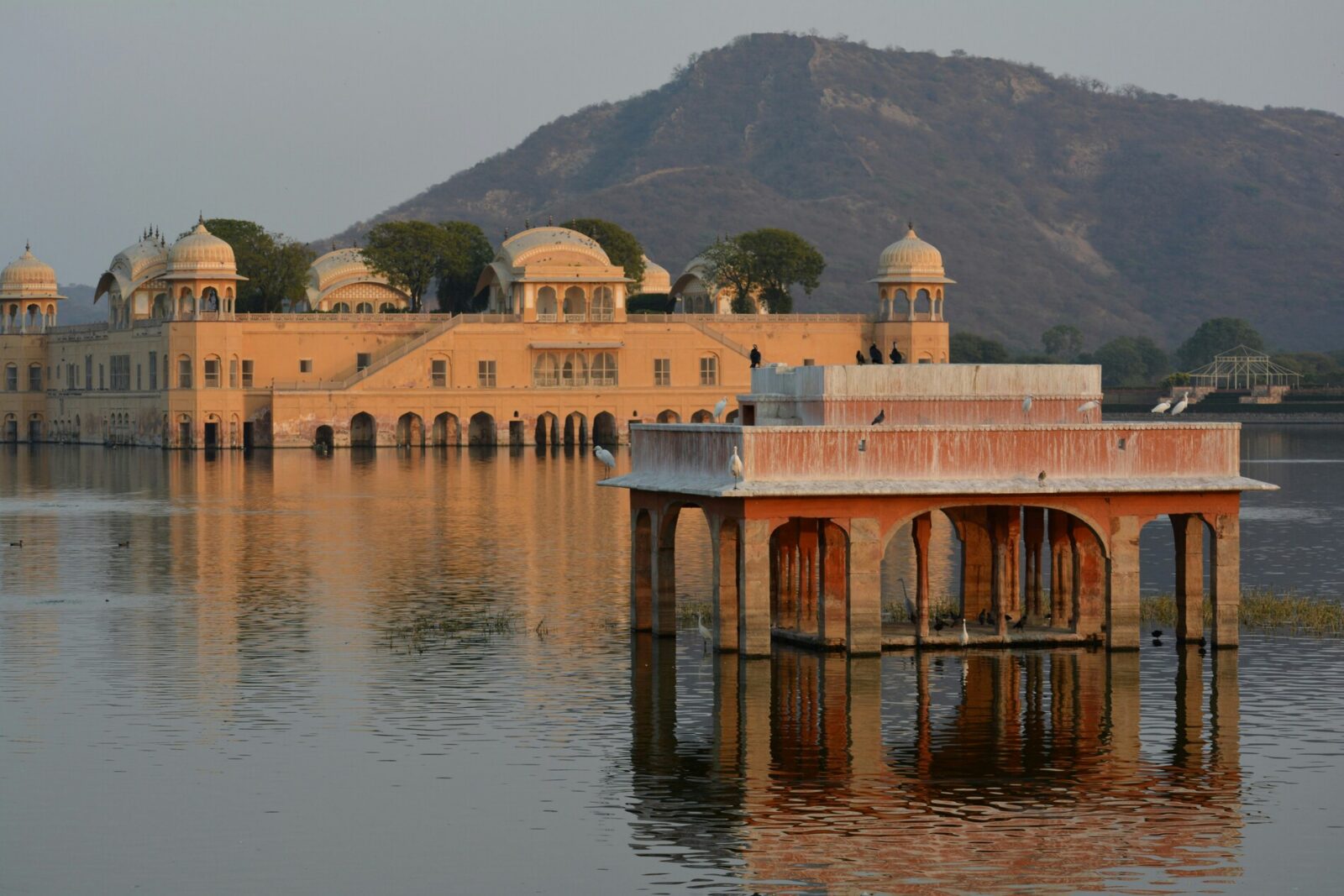
Just after dawn, Lake Pichola looks like a sheet of pale silver—still, reflective, impossibly serene. A soft mist hovers above the water, blurring the line between lake and sky. Then, as the sun rises, the silhouette of a palace begins to sharpen: domes glowing gold, jharokhas catching the first light, marble walls shimmering as if lit from within. You approach by boat, the water parting in quiet ripples, and the palace seems to float toward you rather than the other way around. A steward in crisp white attire greets you at the landing, offering rose‑scented towels and a welcome that feels both regal and intimate. In this moment—suspended between water and sky—you understand why Rajasthan’s floating palaces are less hotels and more mirages made real.
Architecture That Defies Gravity
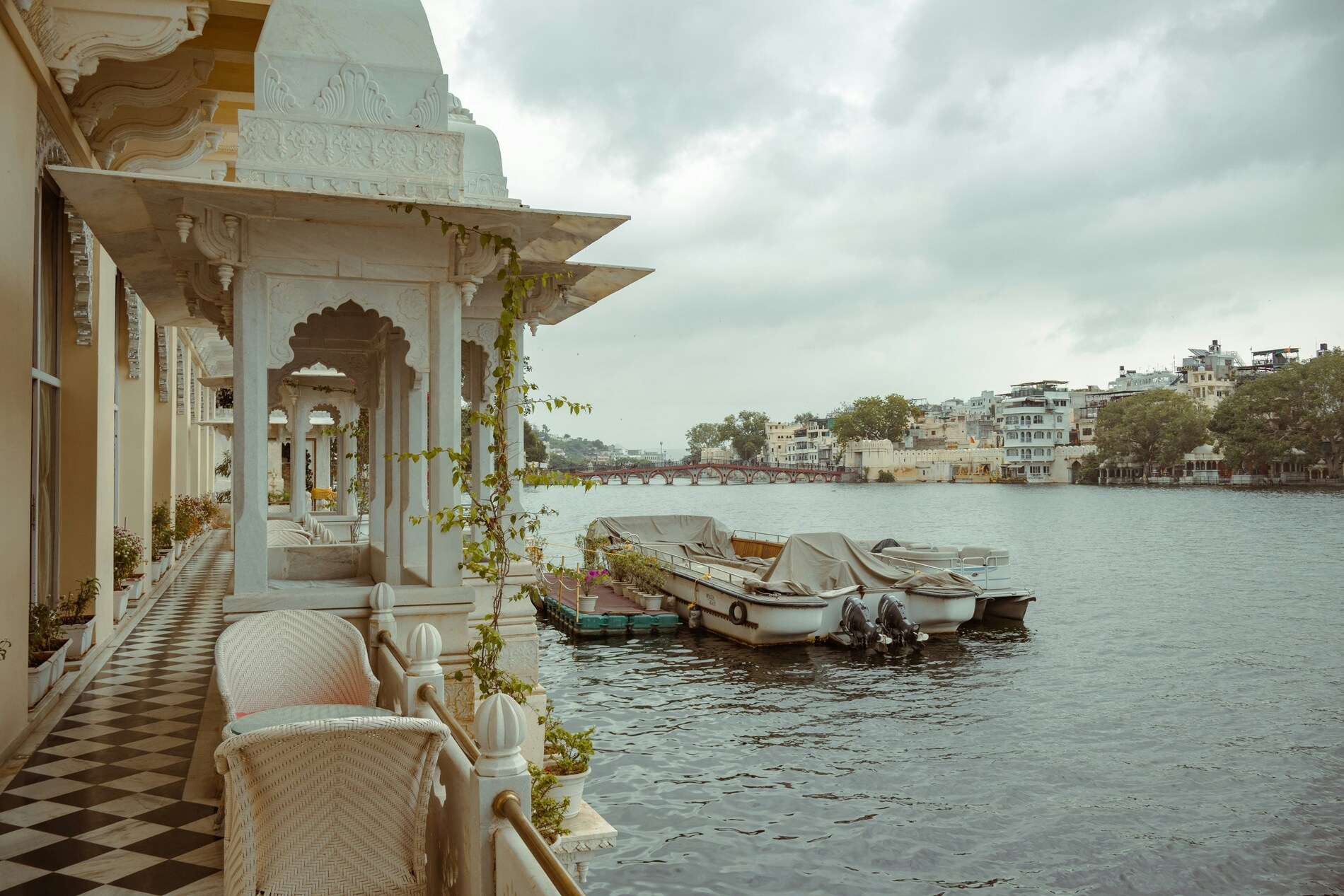
Rajasthan’s lake palaces are feats of engineering wrapped in poetry. Built centuries ago as royal retreats, they rise from the water with a kind of effortless grace—marble carved so finely it seems weightless, courtyards arranged to catch the breeze, colonnades reflecting perfectly in the lake below.
Inside, the architecture blends Mughal symmetry with Rajput ornamentation.
- Marble inlay glows beneath soft lantern light
- Hand‑painted frescoes depict mythic scenes
- Jali screens cast lace‑like shadows across polished floors
Every corridor feels like a gallery. Every window frames a painting.
Suites That Float Between Worlds
The suites in these palaces are designed to blur the boundary between interior and lake. Expect:
- Canopied beds draped in silk
- Private terraces hovering above the water
- Deep marble tubs positioned to catch sunset light
- Antique furniture restored with museum‑level care
Some suites include private dining pavilions accessible only by boat, creating the sensation of inhabiting your own island.
The luxury is not loud. It’s atmospheric—light, reflection, silence, and the soft lap of water against stone.
The Ritual of Royal Hospitality
Service in Rajasthan’s floating palaces is shaped by centuries of royal tradition. Staff move with a kind of ceremonial grace—present when needed, invisible when not. Meals unfold like performances:
- Breakfast served on a terrace as the lake brightens
- Afternoon tea accompanied by live sitar
- Dinner beneath carved arches, candles flickering in the breeze
Menus draw from royal kitchens, saffron‑rich biryanis, slow‑cooked laal maas, delicate sweets perfumed with cardamom and rose.
Days That Drift With the Light
Life on the lake follows a rhythm shaped by sun and water. Mornings invite quiet exploration—boat rides past ghats where locals perform rituals, visits to hilltop palaces glowing in early light. Afternoons call for stillness: lounging in shaded courtyards, reading beside lotus ponds, watching the lake shift from silver to blue.
As evening approaches, the city lights begin to shimmer across the water. The palace glows like a lantern. The air cools. The world slows.
Nights Wrapped in Reflection
Night in a floating palace is a study in softness. Lanterns flicker along the walkways. The lake becomes a mirror of stars. From your terrace, you hear distant temple bells, the gentle splash of oars, the hum of evening prayers drifting across the water.
Some nights bring performances, classical dance, traditional percussion, poetry recitations that echo through marble halls. Others invite solitude, the kind that feels restorative rather than lonely.
A Season for Every Shade of Rajasthan
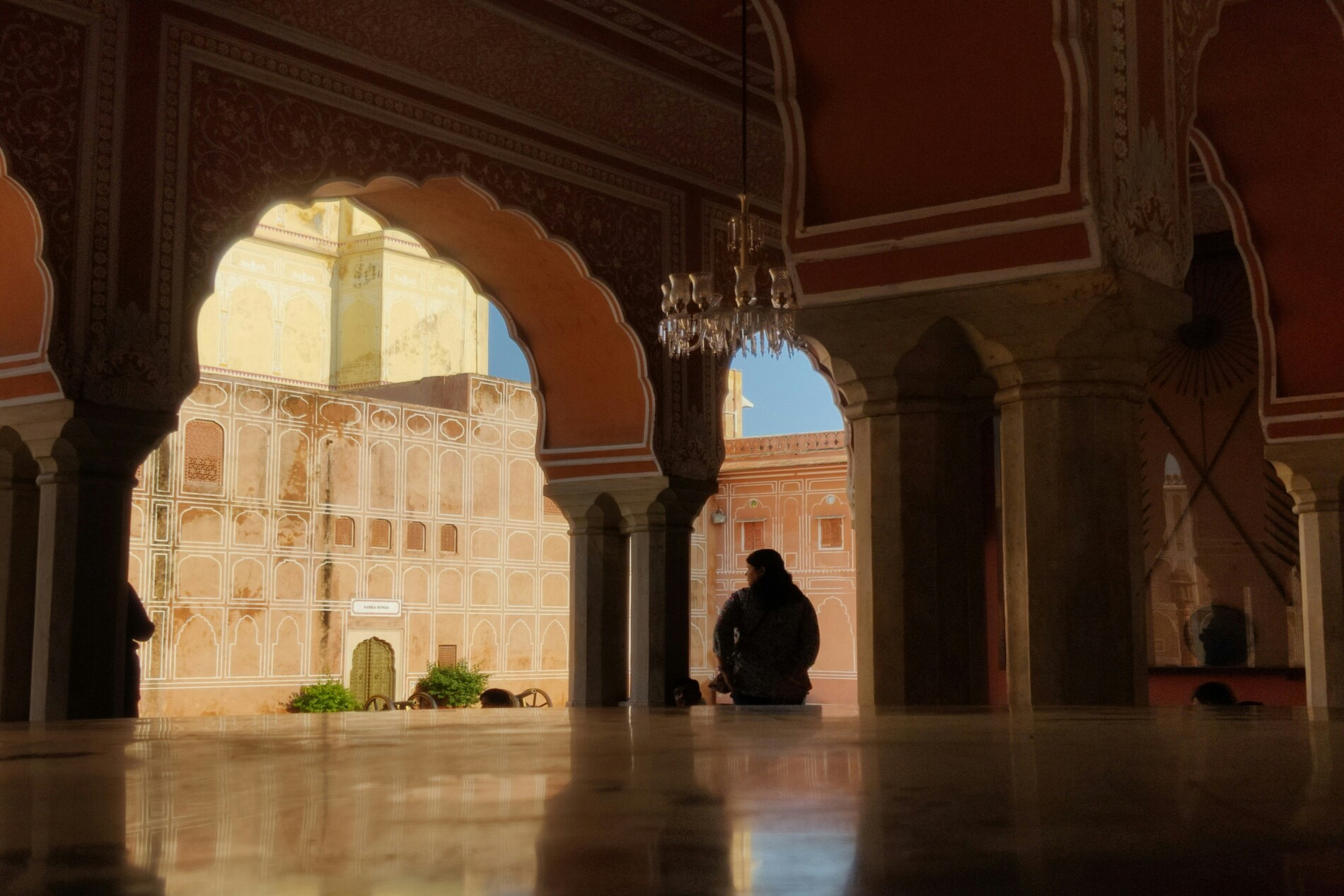
The floating palaces transform with the seasons:
- Winter brings crisp air and golden light
- Summer offers dramatic monsoon skies reflected in the lake
- Autumn glows with festival colors and cool evenings
- Spring fills the courtyards with jasmine and marigold
Each season reveals a different facet of the palace’s personality.
What the Mirage Leaves Behind
A stay in Rajasthan’s floating palaces lingers long after you’ve left. It’s the memory of marble warmed by morning sun. The scent of rosewater carried on the breeze. The feeling of drifting—not just across a lake, but across time.
Luxury here isn’t about excess. It’s about enchantment. It’s about inhabiting a world where architecture becomes illusion, and illusion becomes home.