

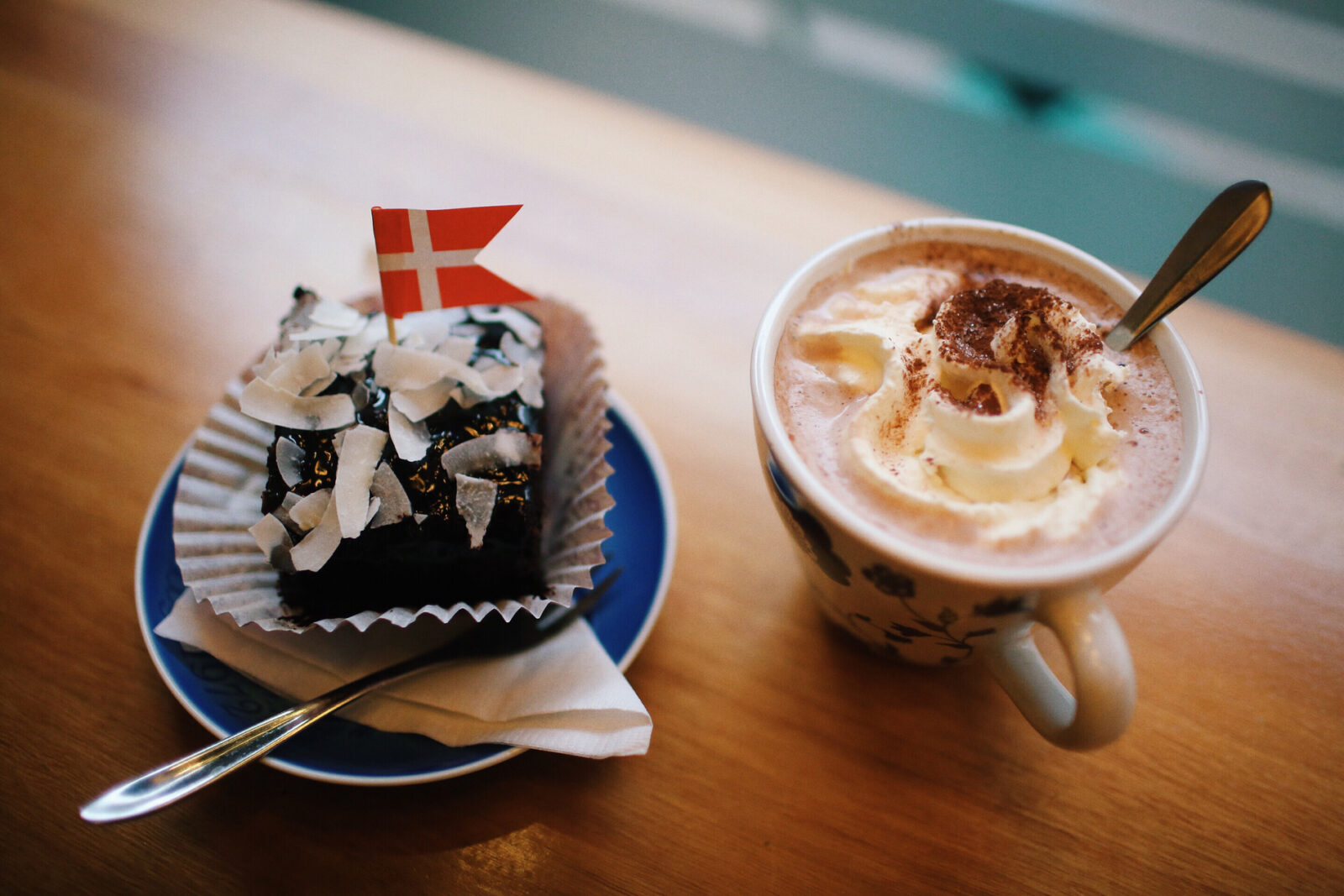
Copenhagen greets you with a kind of quiet confidence—the kind that comes from knowing the world is watching. You and your partner step into a city where bicycles glide past glass‑fronted bakeries, where the scent of toasted rye and roasted barley drifts through crisp Scandinavian air, and where chefs in aprons move with the precision of architects. A plate arrives at your table: a single carrot, roasted until sweet, glazed until glossy, and crowned with herbs foraged that morning. The first bite is startling in its simplicity and depth. Copenhagen doesn’t overwhelm. It reveals.
Where Nature Becomes the Menu
New Nordic cuisine thrives on restraint, clarity, and a reverence for the land. Restaurants feel like sanctuaries—light wood, clean lines, ceramics that look shaped by the sea. Couples sit close at tables that seem carved from a single piece of oak, watching chefs assemble dishes that look like landscapes in miniature. The atmosphere is serene but charged with intention. Every ingredient has a story, every technique a purpose. Romance here is quiet, sensory, and rooted in the pleasure of tasting something that feels both ancient and radically new.
Inside the Kitchens That Redefined a Region
Your culinary journey begins in Torvehallerne, where vendors sell smoked fish, fresh herbs, and loaves of dense, dark rugbrød. You taste a slice topped with pickled herring and dill, the flavors bright and bracing. Later, you wander into a café where smørrebrød arrives like edible art—thinly sliced radishes arranged like petals, trout roe glistening like tiny jewels, butter whipped until it tastes like cream and sea air.
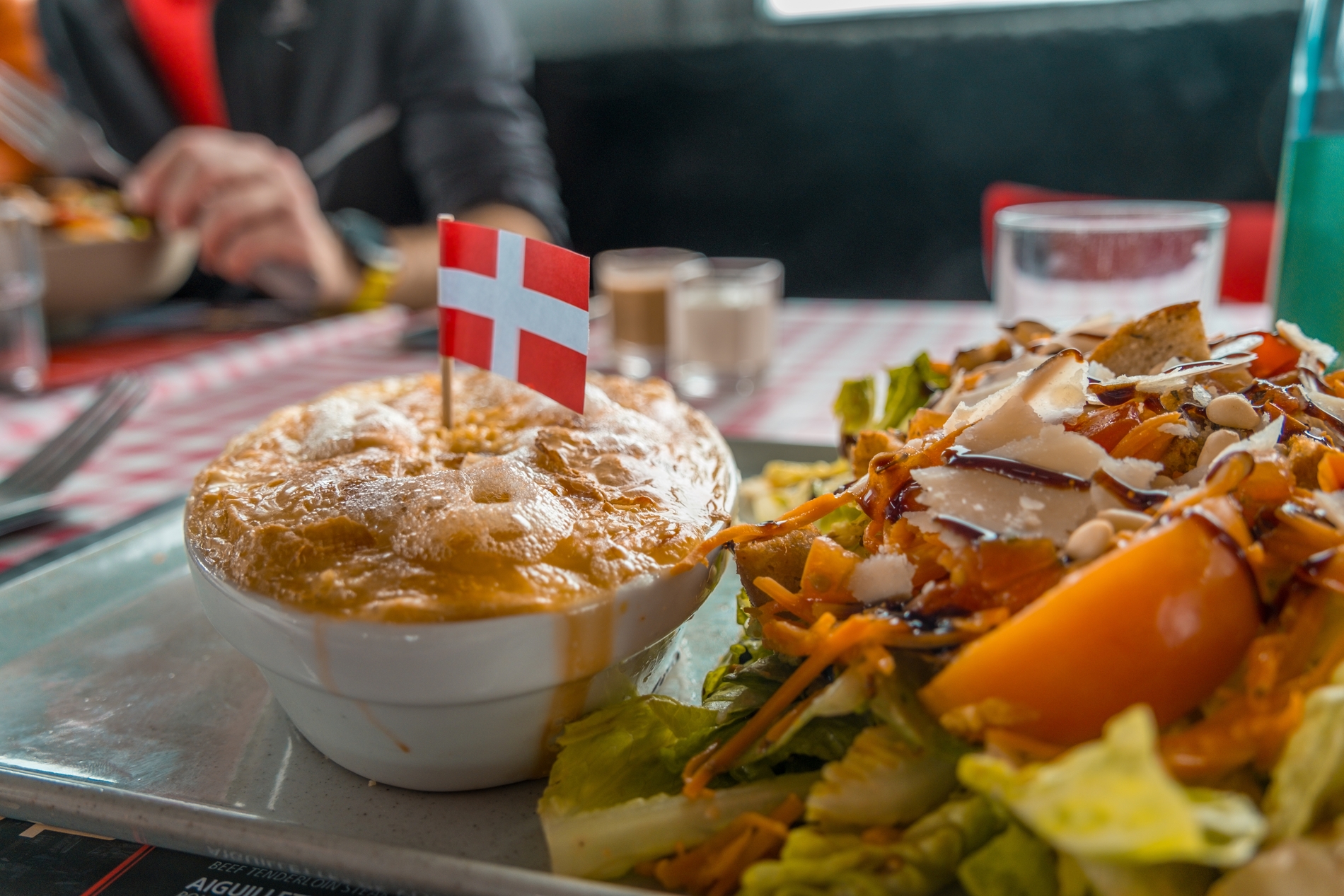
Dinner becomes a masterclass in New Nordic philosophy. A server places a plate of charred cabbage before you, its edges crisp, its center tender, resting in a pool of browned butter infused with pine. You share bites, marveling at how something so humble can taste so profound. Another dish arrives: oysters topped with fermented gooseberries, the acidity sharp and exhilarating. A final course of barley ice cream with caramelized whey tastes like the Danish coastline—salty, sweet, elemental.
As the evening unfolds, you begin to understand the movement’s core: seasonality, locality, and a deep respect for the environment. Chefs forage for herbs in forests, smoke fish over juniper, and ferment vegetables in cellars that smell faintly of earth and sea. The cuisine is not about luxury; it’s about purity.
Letting Copenhagen Lead the Way
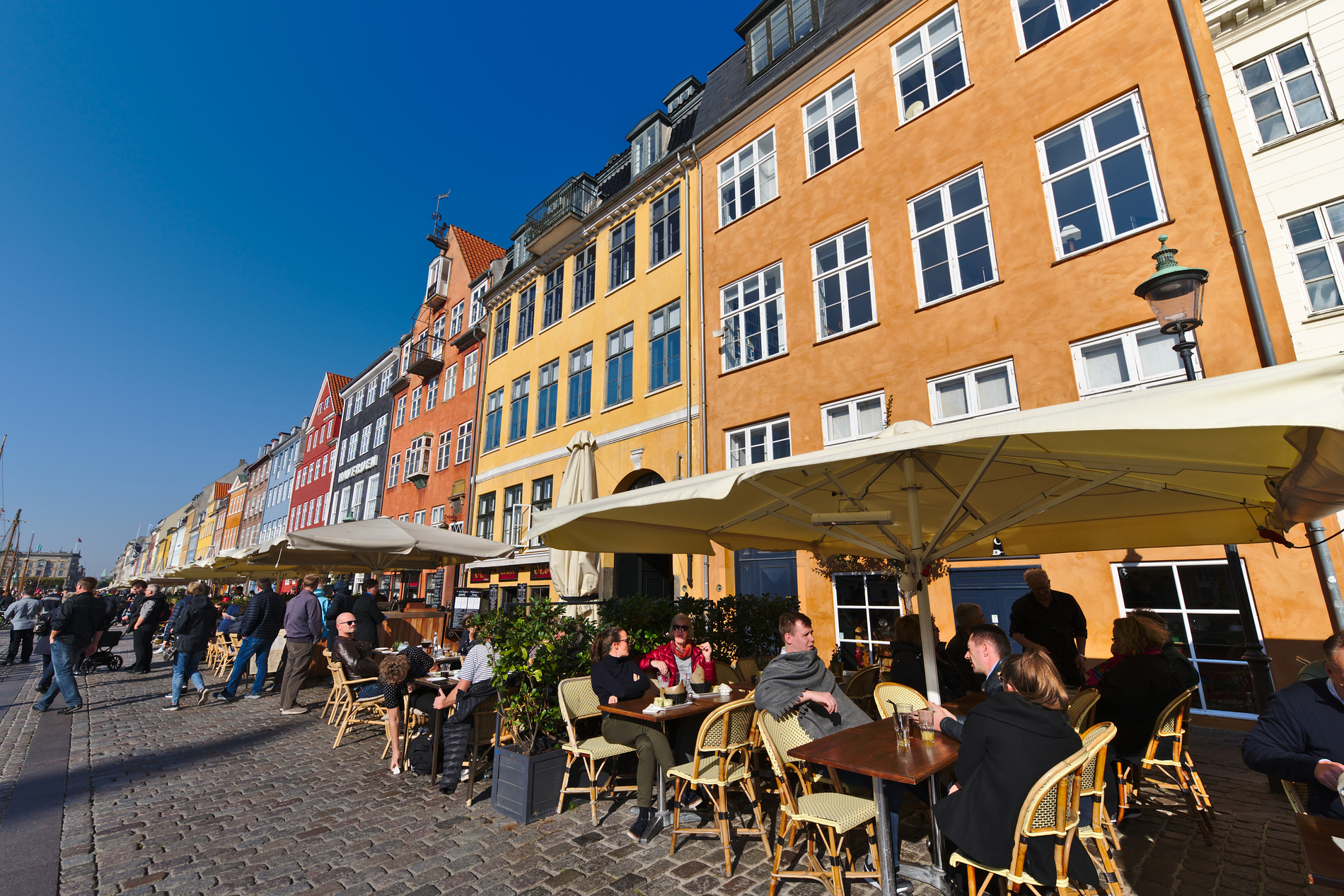
Copenhagen rewards tourists who embrace its thoughtful pace. Meals unfold slowly, each dish arriving like a quiet revelation. You begin with small bites that awaken the senses, move into warm plates that highlight the season’s best, and finish with desserts that feel like a whisper rather than a finale. The city invites you to wander between bakeries, markets, and waterfront restaurants, letting curiosity guide your appetite. The rhythm is gentle, the flavors precise, the pleasure cumulative. Copenhagen doesn’t rush you; it invites you to savor.
What You Carry Home
Tourists remember the crunch of rye, the brightness of pickled herbs, the warmth of a dining room lit like a winter morning. You will remember sharing dishes that feel crafted with intention, the thrill of tasting ingredients transformed by technique and imagination. But the deeper imprint is clarity. Copenhagen teaches people that great food doesn’t need extravagance—it needs honesty, seasonality, and the courage to let ingredients speak for themselves.