

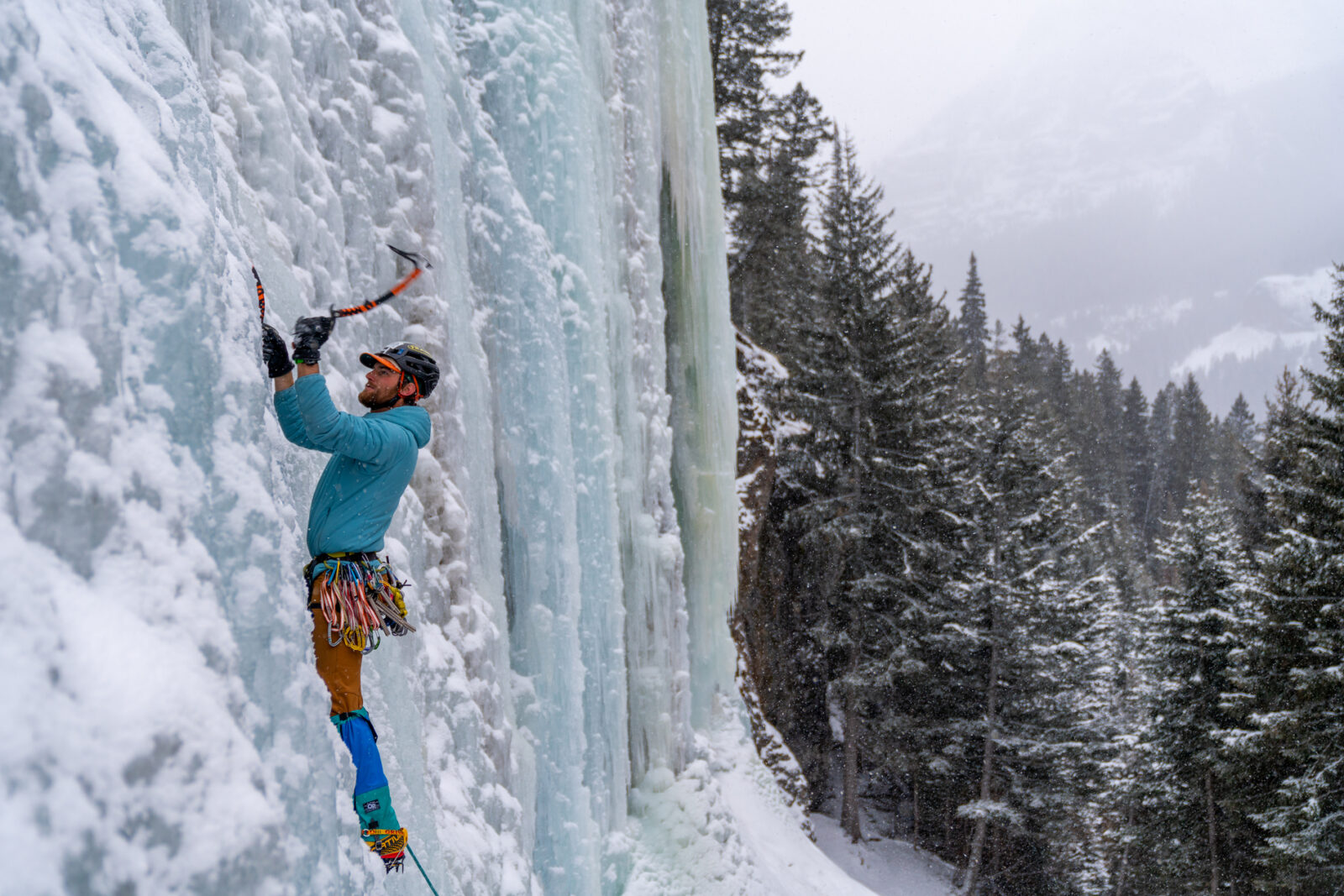
The cold hits first—clean, sharp, almost electric. You stand at the base of a frozen waterfall in Banff, listening to the canyon breathe in the early morning stillness. The ice glows faintly blue in the half‑light, a vertical world sculpted by weeks of deep winter. When your axe finally strikes, the sound rings out like a crack of thunder swallowed by snow. Frost sprays your jacket. Your fingers tingle inside your gloves. And for a moment, suspended between fear and exhilaration, you understand why climbers return to these walls year after year. Ice climbing in Banff isn’t just a sport; it’s a conversation with winter itself—one that demands focus, rewards precision, and reveals a side of the Canadian Rockies most travelers never see.
The Sound of Steel on Ice
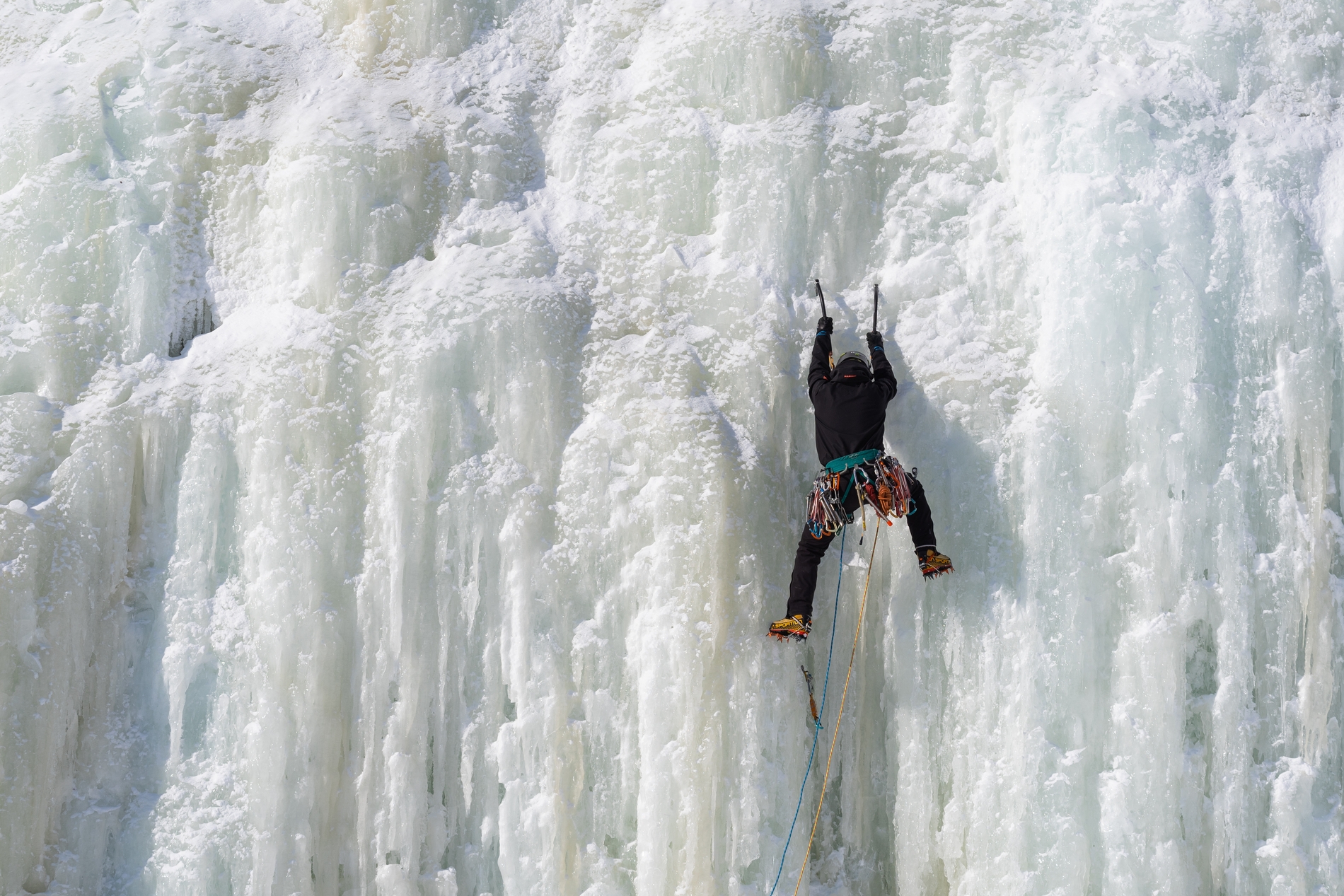
Just after dawn, when the cold still clings to the valley floor, you stand at the base of a frozen waterfall in Banff and listen. The world is quiet except for the faint groan of ice settling under its own weight. Then your axe strikes—clean, sharp, echoing off the canyon walls. A spray of frost dusts your jacket. Your breath hangs in the air like smoke. In that moment, the climb stops being an abstract challenge and becomes something tactile, immediate, and strangely intimate. You’re not conquering the ice; you’re learning how to move with it.
Learning the Language of Winter
Banff’s frozen waterfalls are not static sculptures. They shift with temperature, light, and time. As you climb, you feel the subtle differences beneath your tools—brittle patches that crack like glass, soft pockets that swallow the axe head, dense blue columns that ring like a bell when struck. The cold sharpens your senses. Every swing becomes deliberate. Every placement matters.
The rhythm settles in slowly: swing, kick, breathe. Your crampons bite into the ice with a satisfying crunch. Your gloved hands adjust the rope with practiced movements. The world narrows to the wall in front of you and the steady pulse of your own breath. Even the cold becomes part of the experience, a reminder that you’re moving through a landscape shaped entirely by winter.
Waterfalls Turned Vertical Playgrounds
Banff offers a range of frozen routes that feel like stepping into different moods of the season. Johnston Canyon becomes a cathedral of ice—pillars, curtains, and thick blue walls rising from the gorge. The sound of the river running beneath the frozen surface adds a low, constant hum. On quieter days, you can hear the ice shifting, a deep, resonant creak that reminds you the waterfall is still alive beneath its winter shell.
Further into the park, the climbs near Lake Louise and the Ghost Wilderness feel more remote. Snow muffles every sound except the tap of your axes and the soft thud of your boots. The air is colder here, sharper. The climbs are steeper. The silence feels ancient.
The Warmth Waiting After the Climb
When you finally descend, the adrenaline fades into a deep, satisfying fatigue. You peel off layers in the parking lot, cheeks flushed, fingers tingling back to life. Banff’s lodges become a welcome refuge—fireplaces crackling, mugs of something hot between your hands, the smell of pine and wool filling the room. Conversations drift easily. Climbers compare routes, laugh about awkward swings, and share the quiet pride of having spent the morning suspended on a wall of ice.
Evenings in Banff carry their own charm. Snow falls softly under streetlamps. The mountains loom like dark silhouettes against the sky. You walk slowly, muscles pleasantly sore, the cold brushing your face as you replay the day’s climb in your mind.
When Banff Feels Most Alive
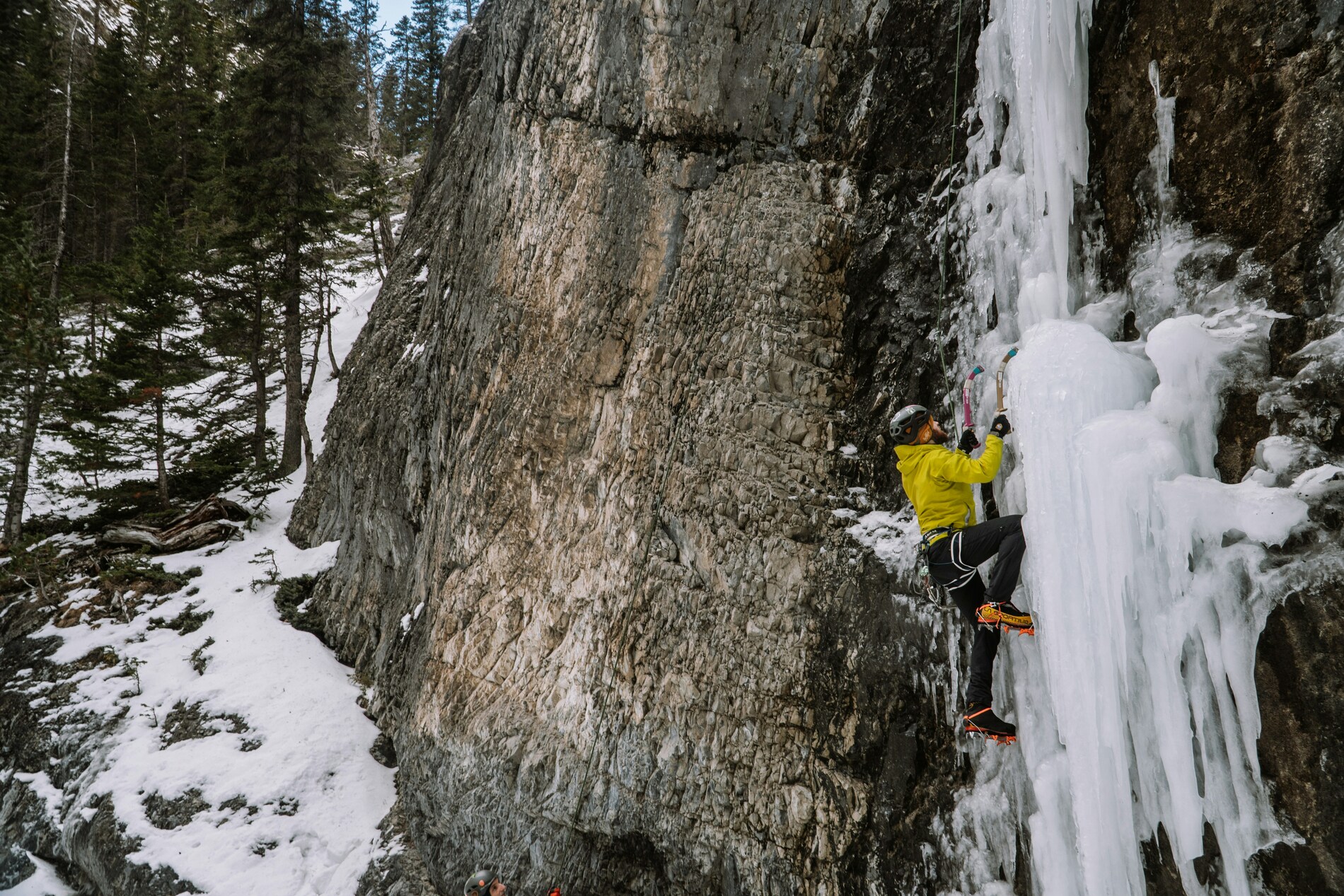
Winter in Banff is long, but the ice climbing season hits its stride from December through March. Early mornings offer the firmest ice and the softest light. Late afternoons bring a golden glow that turns the frozen walls into glowing sculptures. The cold is part of the experience, but it’s also what makes the climbs stable, beautiful, and endlessly varied.
What Stays With You
Ice climbing in Banff leaves you with a collage of sensations: the shock of cold air in your lungs, the satisfying bite of steel into ice, the quiet concentration of moving upward one careful step at a time. You remember the stillness of the canyon, the way the ice glowed blue in the morning light, the moment you looked down and saw the world spread out beneath your boots.
It’s an adventure shaped by winter’s extremes—demanding, exhilarating, and unexpectedly meditative. Long after you’ve left the frozen waterfalls behind, you’ll find yourself remembering that first clean strike of the axe and the feeling of being suspended in a world carved entirely from ice.