

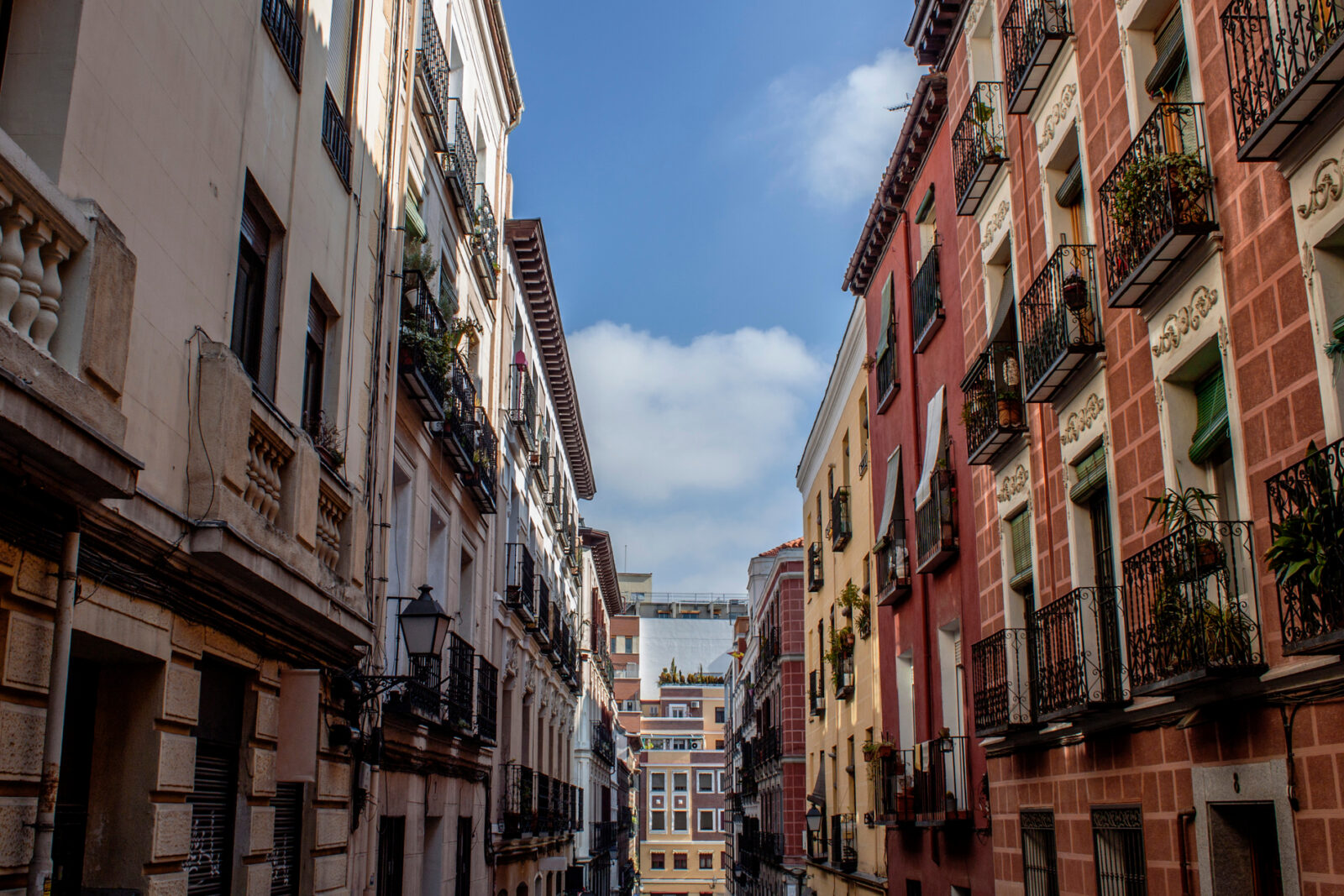
The sound of Madrid at eight o’clock in the evening is a sharp, percussive symphony: the frantic clatter of small ceramic plates meeting marble counters, the rhythmic hiss of a beer tap pulling a perfectly chilled caña, and the low, constant hum of a city that has mastered the art of the communal “jaleo.” In the Barrio de Las Letras—the storied Literary Quarter—the air carries a scent that is both primal and sophisticated: a heady mixture of roasting garlic, high-grade olive oil, and the dry, nutty perfume of jamón ibérico sweating under golden heat lamps. Here, dining is not a seated, somber event; it is a meticulous, standing-room-only choreography where the pavement is etched with the golden verses of Cervantes and the night is measured in small, perfect bites.
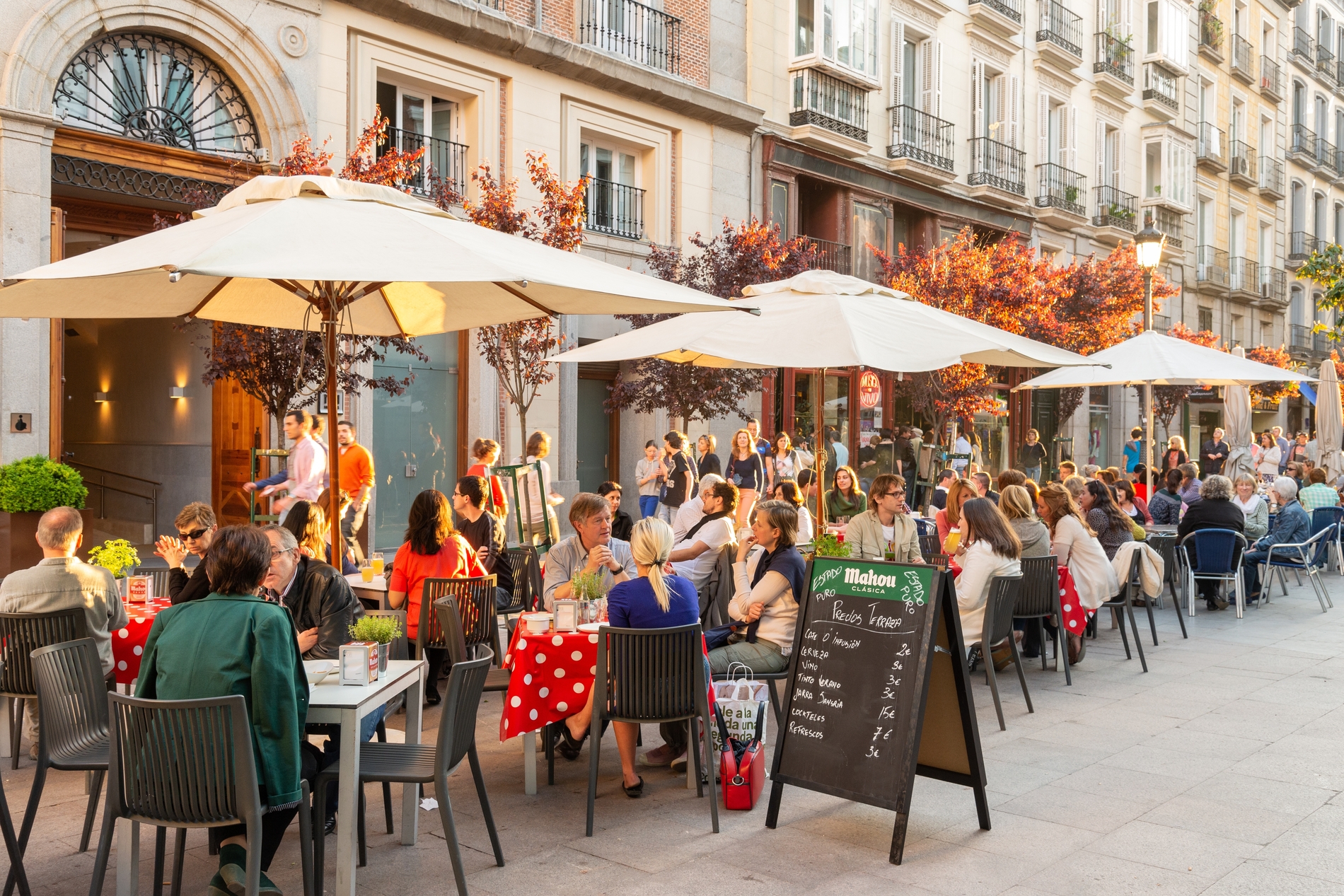
Madrid does not merely eat; it socializes in short, electric bursts of movement. The “vibe” of the Barrio de las Letras is one of intellectual decadence, a neighborhood where seventeenth-century history leans comfortably against twenty-first-century hedonism. As the sun dips behind the wrought-iron balconies, the cobblestone streets take on a warm, amber glow, and the tapeo—the ritual of hopping from one bar to the next—begins in earnest.
There is a tactile elegance to the experience. It is the feel of a damp napkin tossed onto a metal floor, the weight of a heavy glass tumbler, and the unbothered poise of the locals who navigate the crowds with the grace of seasoned performers. In this district, the atmosphere is defined by a lack of verticality; the most important conversations happen at elbow-height, leaned against dark wood bars that have been polished by a century of sleeves. It is a masterclass in the “unhurried hurry,” a social rhythm that demands you move on to the next flavor while simultaneously asking you to linger over your current glass.
The Anatomy of the Madrid Morsel
To understand the Madrid palate is to understand the balance of the chapa (the grill) and the fritura (the fry). The deep dive into this culinary narrative often begins with the Gambas al Ajillo—shrimp that arrive at the counter still sizzling in a terracotta dish of oil so hot it seems to vibrate. The texture is a revelation: the initial snap of the shrimp followed by a velvet, garlic-heavy richness that demands to be mopped up with a torn piece of crusty bread.
Then there is the Tortilla de Patatas, which in the Barrio de Las Letras is treated with the reverence of a religious relic. A truly sophisticated slice is not firm, but rather melosa—oozing a golden, silken center of egg and slow-confit onion that creates a visceral contrast with its lightly browned exterior. The flavors are anchored by a high-performance simplicity. There are no elaborate garnishes here to distract from the integrity of the ingredient. Whether it is a single, salt-flecked Padrón pepper or a thin, translucent slice of acorn-fed ham, the experience relies on a “less is more” philosophy that feels remarkably modern despite its ancient roots.
The Art of the Evening Ascent
Mastering the Literary Quarter requires one to embrace the “slow ascent” of the evening. The most evocative time to begin is during the “blue hour,” that ephemeral window between the workday and the night’s first drink when the city feels most alive yet most relaxed. The secret to a sophisticated journey is to seek out the tabernas with no menus in the windows; if the locals are three-deep at the bar, you have found the epicenter of the scene.
Avoid the temptation to order a full meal at your first stop. The beauty of the Barrio de las Letras is found in the variety of its stages. Move from the vinegar-sharp tang of pickled boquerones in one spot to the smoky, pimentón-heavy weight of pulpo a la gallega in the next. When the night finally begins to cool, find a spot near the Plaza de Santa Ana to watch the city breathe. In Madrid, the tapas aren’t just food; they are the punctuation marks in a long, beautiful sentence that doesn’t end until the sun comes back up.